


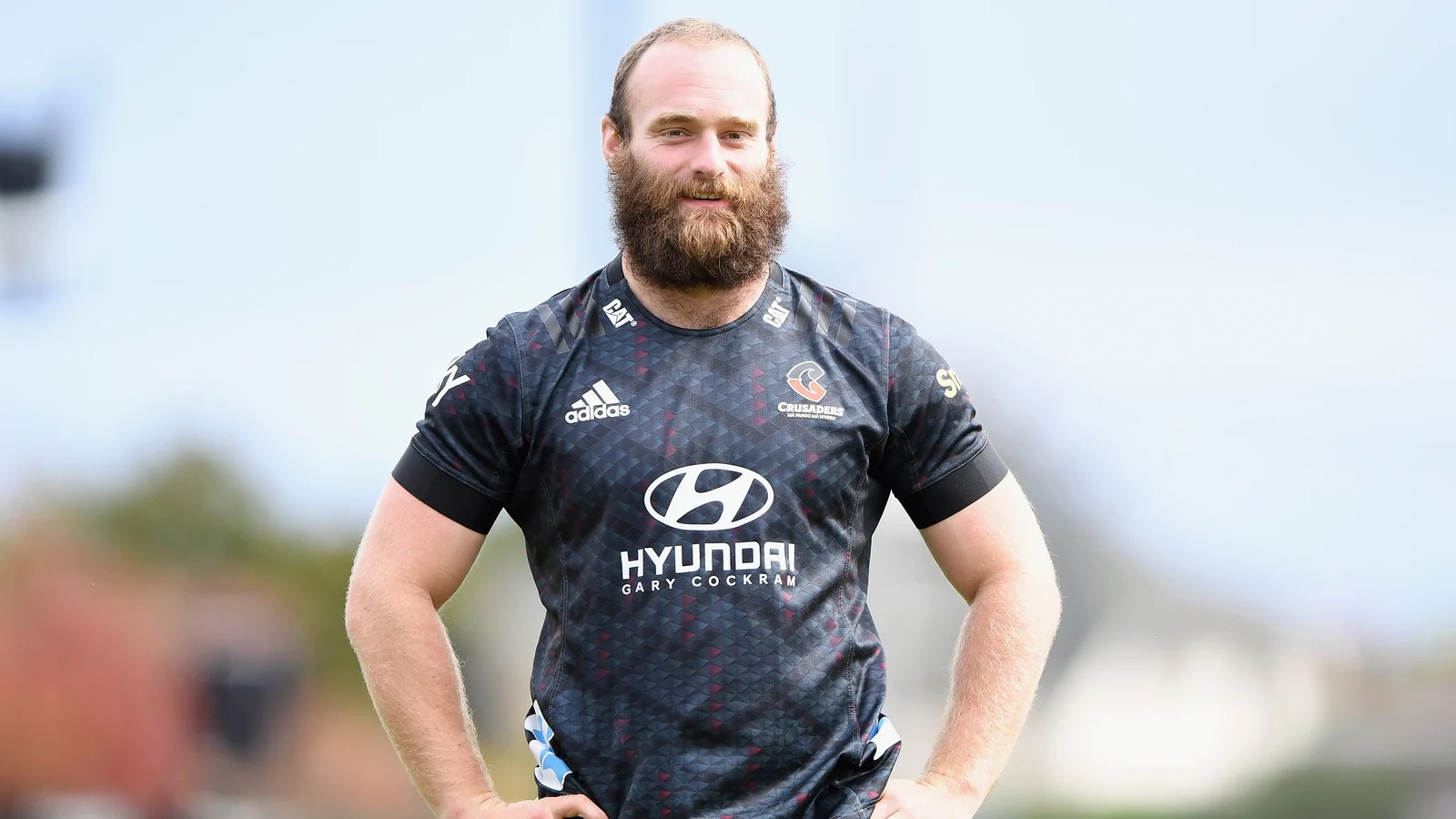
Since the definition of what a tighthead prop is and should be has changed, signing one can be a difficult thing to parse to fans.
If you’re not signing a Prime Tadhg Furlong or a Tanela Tupou, it can be hard to explain what the prop you’ve signed does in phase play. If they’re not Prime Frans Malherbe or Uini Atonio eating opposition looseheads alive in the scrum, it can be hard to illustrate what they bring there in a way that lands with people.
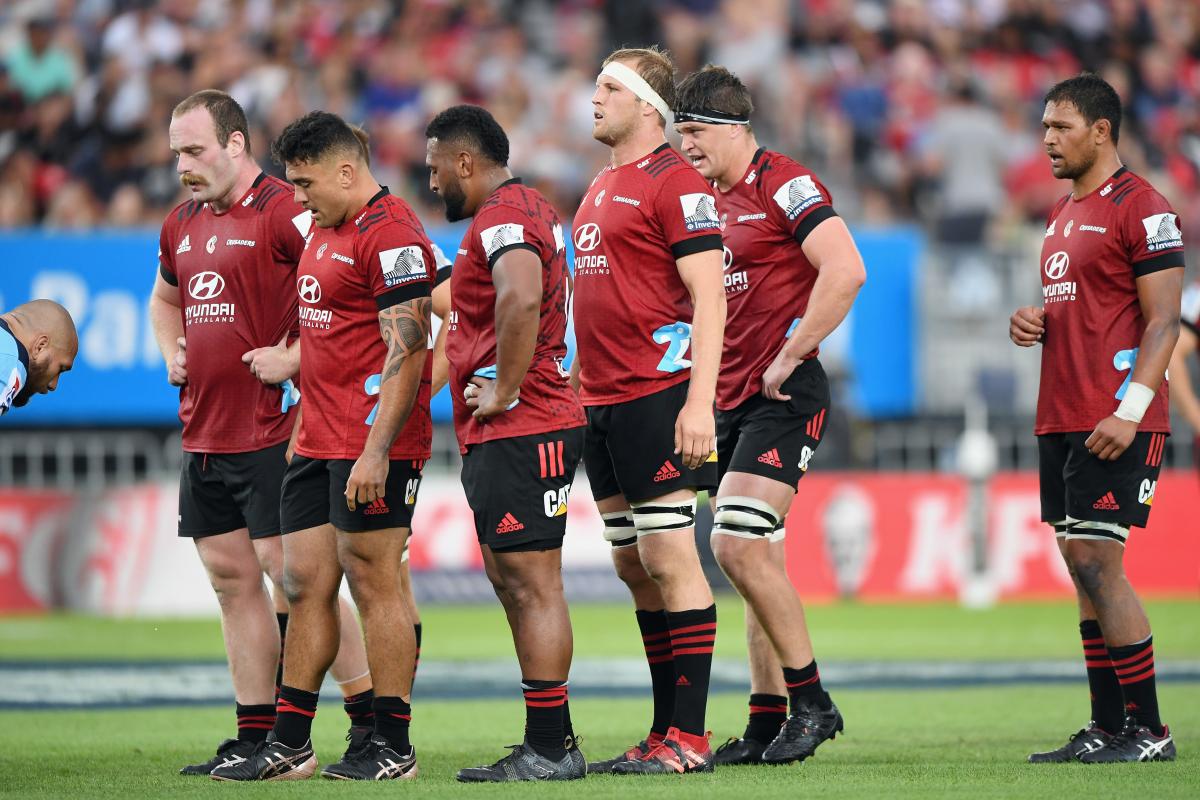
For Munster, the signing of Oli Jager is particularly significant because he’s the first senior tighthead prop with more than 20 senior caps we’ve signed since John Andress in 2016/17. We signed Ciaran Parker and Roman Salanoa in the interim, of course, but they were mid-to-long-term punts on younger players with potential. John Andress, by the way, played zero minutes for Munster after signing from Edinburgh and retired in December of 2016.
I’m sure whoever signed John Andress had a good idea of what he might bring in theory but it didn’t work out on grass – not even close.
The last tighthead prop that we signed that could be said to be an unequivocal success? BJ Botha. Also the only tighthead prop of any real stature that we’ve signed in the last fifteen years. Sure, we brought in Salanoa and Parker but we didn’t need those players to work out immediately. We absolutely do need that from Jager.
That’s what makes this signing of Oli Jager feel like such a jump into the unknown; we just haven’t seen new tightheads come in through the door with this level of experience very often.
So what type of player have we signed?
Size and Heft
So at a legit 6’4″ and 125KG+, Jager has the physical profile to fit what we’re looking for, at the very least. Is he a power carrier like Taniela Tupou, Prime Tadhg Furlong or, let’s say, Carlü Sadie? No. He isn’t. That isn’t his game. He’s certainly a decent carrier of the ball – average around the same metre gained per carry as Tadhg Furlong over the last two seasons for the Crusaders, albeit with differing levels of competition making it a difficult like-for-like comparison.
For a prop who carries the ball habitually, Jager does well with his size. He’s also a very comfortable passer of the ball, to the point it’s probably his best “on-ball” feature.
I would class Oli Jager during phase play, at the lineout and maul as a Heavyweight Support Forward in the same bracket as Frans Malherbe with a scrummaging shape very similar to Vincent Koch.
Let’s talk about the scrum first.
Jager isn’t a naturally destructive scrummager but he’s very good technically – he gets into a strong shape early, holds it and locks his loosehead down with it. It’s exactly what you’d expect from a guy who learned scrummaging properly in a high-level environment as a 19/20/21-year-old and then later under Jason Ryan at the Crusaders.
Is he going to chew through northern hemisphere looseheads? I can’t say. What I can say with some certainty is that he’s unlikely to get chewed through himself, especially if he’s got Jean Kleyn as his tighthead lock for the next two and a half seasons at least.
His technical ability to get into shape and stay in shape reminds me a lot of Vincent Koch, and he’s got the weight and power to catch a loosehead who wants to try to bore him and punish him for it.
The Chiefs needed this one away quickly or Jager was going through his man here and onto the hooker.
From a scrummaging perspective, I’m comfortable in saying that, bar a completely wild translation from the Crusaders to Northern Hemisphere rugby, our scrum will be improved considerably with Jager in it – technically and physically.
His lineout and maul work, however, is his best quality as a player in my opinion. He’s a legit 6’4″ and really, really functionally strong so those two combined means he’s an excellent lifter. So much so that the Crusaders use him as a front lifter.
Typically, the loosehead is the player lifting at the front of the lineout (it’s why they are almost always the one to give the call to the hooker) but Jager filled that role for the Crusaders. Part of that is down to their tendency to use Tamatai Williams as a carrier off the lineout in midfield but even when they went to full lineouts, Jager was always preferred in that key role.
Why? As I said – he’s tall, so his base for lifting is a good 3/4 inches higher than a lot of his peers AND he’s incredibly strong and explosive but it’s also his speed across the ground and the quality of his footwork. Jager doesn’t trundle – he’s incredibly agile and precise for a man of his size.
That combination of agility, body control, strength and height means that he’s a fantastic lifter but an outstanding mauler. He was a core part of the Crusaders’ maul that ultimately won them the Super Rugby final this year from a losing position late in the game. They left him on well into the last quarter to make sure when the killer maul opportunity came their way, he was there.
You can see that power coming through repeatedly there. So when I tell you that Jager is every bit as big and powerful as the likes of Atonio when it comes to mauling, because of the agility and speed he operates at, believe me. Jager is able to get his power set and in place before a lot of props of a similar size and that balance of agility and 125KG+ heft is a potent weapon.
Picking His Spots
During phase play, Jager racks up big numbers with his instinctual, accurate guard action-focused offensive ruck work. This is a good example of what I mean;
Jager can blast guys if necessary but he’s most adept at locking down and securing one-man rucks – and the ensuing offside line – at pace with the same agility and footwork that we saw in the lineout. He very rarely finds himself out of position on any barrel – be it inside or outside – and he’s comfortable in this role off #9 and off #10. Because he’s such an accomplished handler, Jager suits either pod in a 3-3 system.
He’s used to playing in an on-ball environment and he’s got the engine to cover long phase play sequences. His carry volume is low in the middle of the pitch but he’s got the heft to be a powerful latcher and carrier closer to the tryline. Jager’s biggest strength is his ability to accurately and quickly win rucks and deny counter-rucking opportunities. Expect Offensive Ruck Work numbers in the high 20s to mid-30s on a good day.
Defensively, Jager reminds me a lot of Malherbe in his movement across the face of the ruck and ensuring he never falls out of position. That agility and foot speed serves him well here too when it comes to adjusting, applying line speed and cutting off corners on the inside of a blitz.
He’s got the size to really add some pain to a tackle finish and he’s more than capable of big, one-man stops around the fringes.
All in all, I’d rate Jager as a very good signing who, if his scrummaging translates, will likely see action in the Six Nations this season and get a squad call-up at the very least. If his scrummaging really translates, he will be a cornerstone of this pack for the next World Cup cycle at Munster at the very least.
