


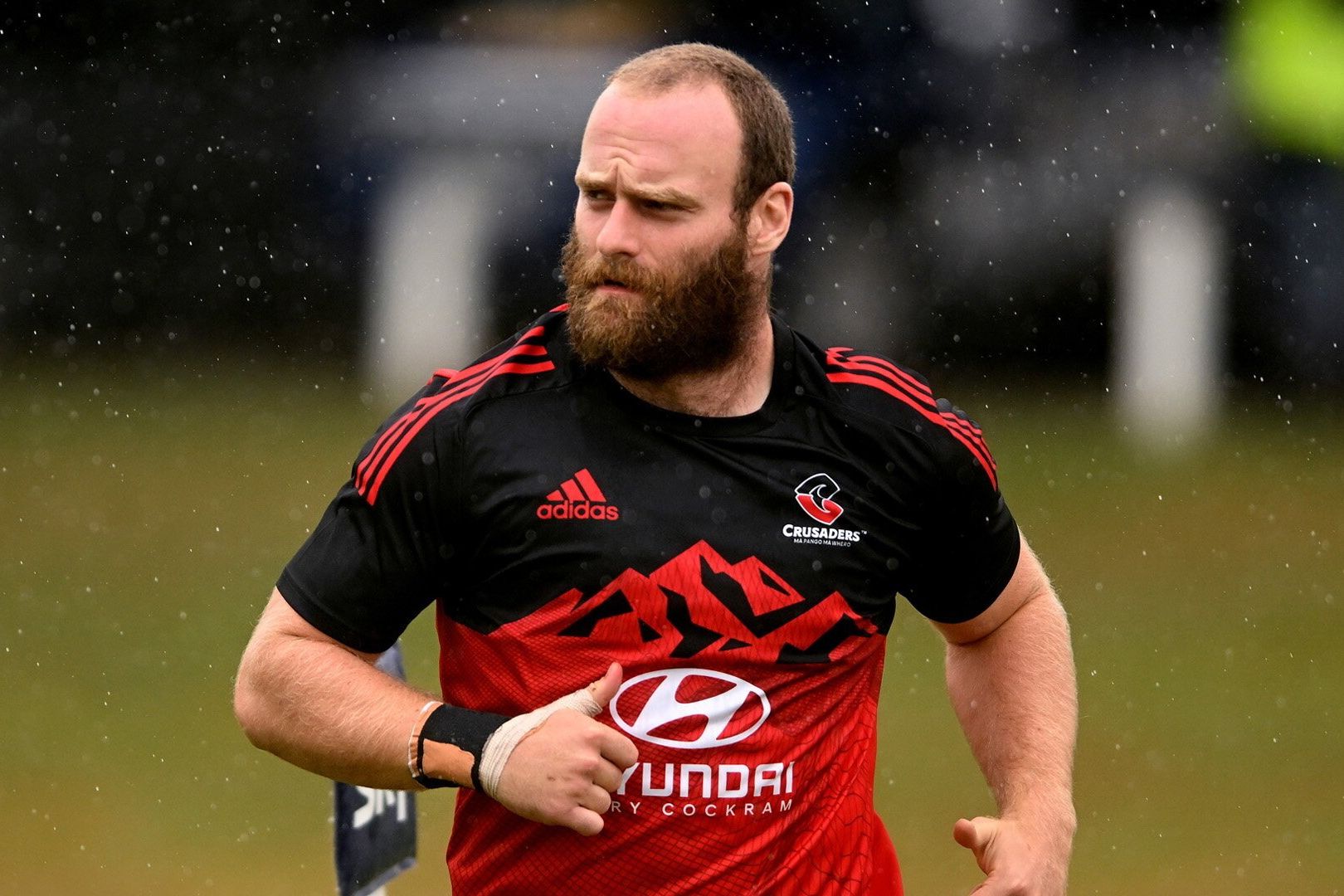
Oliver Jager seems to have been on Ireland’s rugby radar for as long as he’s been in New Zealand. You can see why. His story is intoxicating. A young Irish lad (part-time back row/occasional prop) who misses out on the Leinster sub-academy decides to go over to New Zealand to the Crusaders International Academy for a month and impresses a local club in New Brighton enough that they want to offer him a gig playing there.
He then moved over full-time in 2014 as a nineteen-year-old and did enough to get spotted by the Canterbury Academy, wherein he not only settled in as a tighthead prop but also worked his way into the NPC team before eventually making the jump to Super Rugby with the most successful club in that tournament’s history.
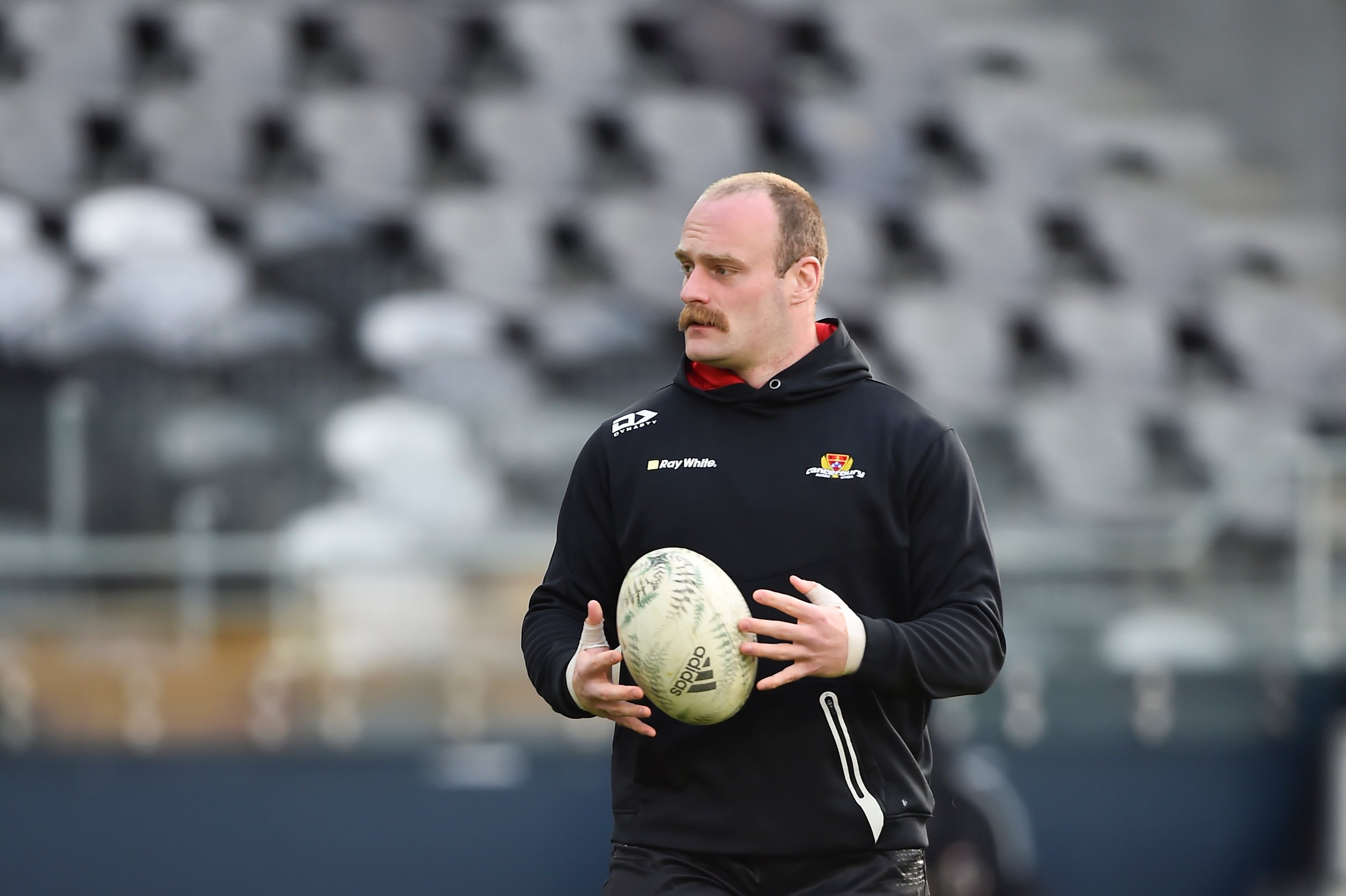
At one stage, he was in the conversation to get capped as an All Black on residency. It didn’t happen for him, but the fact that it was even a possibility is… remarkable. It just doesn’t happen.
Well, it does, but usually in reverse.
In some ways, Jager has been thought of as the cash you keep under the mattress for a rainy day, especially given the value of good tighthead props. A guy playing for the Crusaders while they win Super Rugby seven years in a row who qualifies for Ireland? One to watch. So watch is what we did.
***
Signing a tighthead prop is not a straightforward thing… if you’re an Irish province. If you’re a French or English club, it is a simple equation – can we afford him and, if we can, will he sign for us? And that’s it.
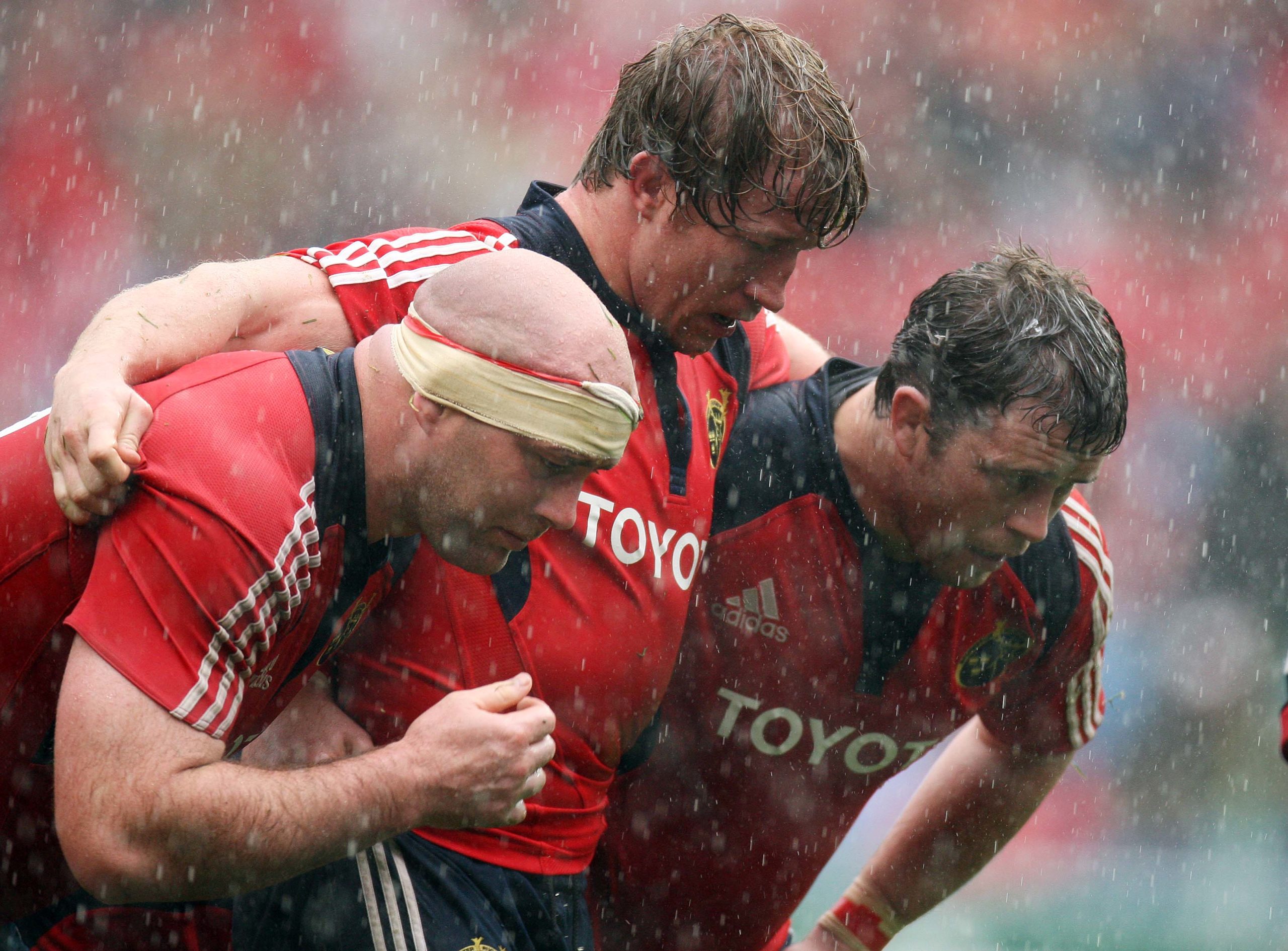
For years, though, we never had to think about that in Munster because our tighthead prop was John Hayes. I know I’m exaggerating here a little bit but, for the guts of 10 years, John Hayes was our tighthead depth chart. Why? He never got injured. He played 80 minutes almost every week and he was the perfect system fit for what Munster needed. In the modern era, John Hayes would be considered up there with one of the best tightheads in the game, a title that excluded him during his playing career due to a few issues he had with the scrum as it was then. Hayes would, from time to time, get into trouble with certain looseheads on “the hit” of the scrum in the 2000s, something that has since gone from the game. I’ve often spent time daydreaming about how a player as functionally strong as John Hayes would get on in the modern bound scrum and… man, he would be a monster.
Anyway.
When the feeling was that Hayes’s time was coming to a close, Munster and Ireland had Tony Buckley in the back pocket – in theory. At one point, Buckley was on a central contract such was his scoped role familiarity with Hayes but through a mixture of relentless injuries and scrum issues, he never quite made it.
Once again I’ll say this, in the modern era, I think Tony Buckley would be spoken about in the same vein as Uini Atonio as a super-sized tighthead prop who could control almost every engagement in the scrum with his size and power but in the late 2000s, the hit against shorter, stockier looseheads lead to repeated blowups in the scrum.
When Hayes finally retired in December 2011, Munster moved quickly to get BJ Botha in that summer from Ulster with Buckley heading off to Sale Sharks the same year.

For five years, Botha nailed down that Munster #3 jersey until he finally moved on in 2016 after he picked up an ACL injury in January 2016. From then, we entered the age of John Ryan and Stephen Archer. To that point, John Ryan had bounced between loosehead and tighthead over the previous years and, when you consider the unbroken chain between John Hayes and BJ Botha from 1998 until 2016, there was a natural worry about how he’d do. The worry was needless – Ryan’s scrummaging was the best thing about his game and you could argue that from 2016/2017 to 2019/20, there wasn’t a better scrummaging tighthead in Ireland.
The thing is, what was required from a tighthead prop was changing.
***
It didn’t change overnight but, at the same time, it did kinda feel that way. For a while in the early 2010s, the Best In Class tighthead prop was a player like Adam Jones, Dan Coles and Nicola Mas. Then, in 2012/2013, the landscape changed when World Rugby (or the IRB as they were then known) brought in an amendment to the way the scrum was set up.
Before that, from around 2007, more or less, the scrum had been brought into line with the iconic “crouch, touch, pause, engage” line from referees to try and improve safety at the scrum. Before that, it was just about getting bound, getting on the mark and you just… scrummaged.
It was far from perfect, despite the rose-tinted glasses this era is often observed through, but it was usually done quite quickly. You can see some of the issues that 6’4″ John Hayes had in the scrum in the second part of the clip, as I mentioned earlier. Part of the issue that built up in the scrum as the game progressed into professionalism was professionalism itself.
Before professionalism – even in the shamateur era where Boot Money Bob might show up at his real estate gig two days a week – players were capped at a certain size by the athletic limitations of the era. When professionalism came in ’95, the landscape changed. Now younger players could enter the game and KNOW they could get paid, all while they were getting conditioned by now fully or mostly professional S&C coaches.
Ten years later, in 2005, the scrum was Clash of the Titans stuff.
The average prop in 1995 weighed 106kg.
In 2005, the average weight for a prop was 114kg.
It’s around 119kg on average today for tighthead props and most of the elite ones are well north of 120kg.
Something had to change.
As an example, look at engagement from a distance in the 2005 clip above – look at the gap in the second Ireland v France scrum in particular. In 2005, with ten years of professional rugby on board, the scrum was heavyweight professional athletes with a literal tonne of force behind them smashing into each other with unbelievable force from around 2 metres away.
It was a brain injury risk, as we now know, as well as a recipe for shoulder, back and neck injuries.
It changed in the latter half of the 2000s – as well as adding an extra prop to the bench – as I mentioned above and the idea was that by adding “touch and pause”, the gap problem and the “hit” of the packs battering into each other could be mitigated. If you could touch the opposition prop then you can’t be that far away from them, after all.
It was supposed to lead to a safer scrum but it created two problems – it now had to be refereed more rigorously, which meant more resets and the actual “hit” of the scrum wasn’t really removed at all.
Have a look at this scrummaging sequence from 2011 Super Rugby – refereed by a young Jaco Peyper – and watch how long the sequence takes to complete. It’s a full 90+ seconds in total but it’ll give you an idea of how the new call structure fixed one problem but created three more.
The “hit” was just as violent and, as this scrummaging law progressed, teams would regularly be penalised for “not accepting the hit” which had no actual place in law but had to be enforced to ensure that one side didn’t plummet head first into the ground.
If anything, this scrummaging set-up was more dangerous in some ways.
That said, the scrum being like this from 2005 to 2013 meant that certain types of tightheads were preferred as the ones who came up during the era prior to the “touch” change had to adapt and new props who came in post-2007 would have been coached in that environment from an early age.
The idea of them being mobile, skilful handlers or power carriers like an old #8 was … laughable. They had enough on their plate trying to survive in the scrum as it was and lift in the lineout. So when you hear about guys like Adam Jones, Jannie Du Plessis or Dan Coles being rated as the best tightheads of this era, it was because the scrum was the first, second and third thing they had to excel at. At the time, Ireland were so reliant on Mike Ross that when he was forced to miss a Six Nations game in 2012 against England, our scrum was brutalised so badly that we advertised for a scrum coach the week after.
What was Mike Ross’ work around the field like? It didn’t matter. He could lock down the scrum as it was in that era so it’s all he needed to do.
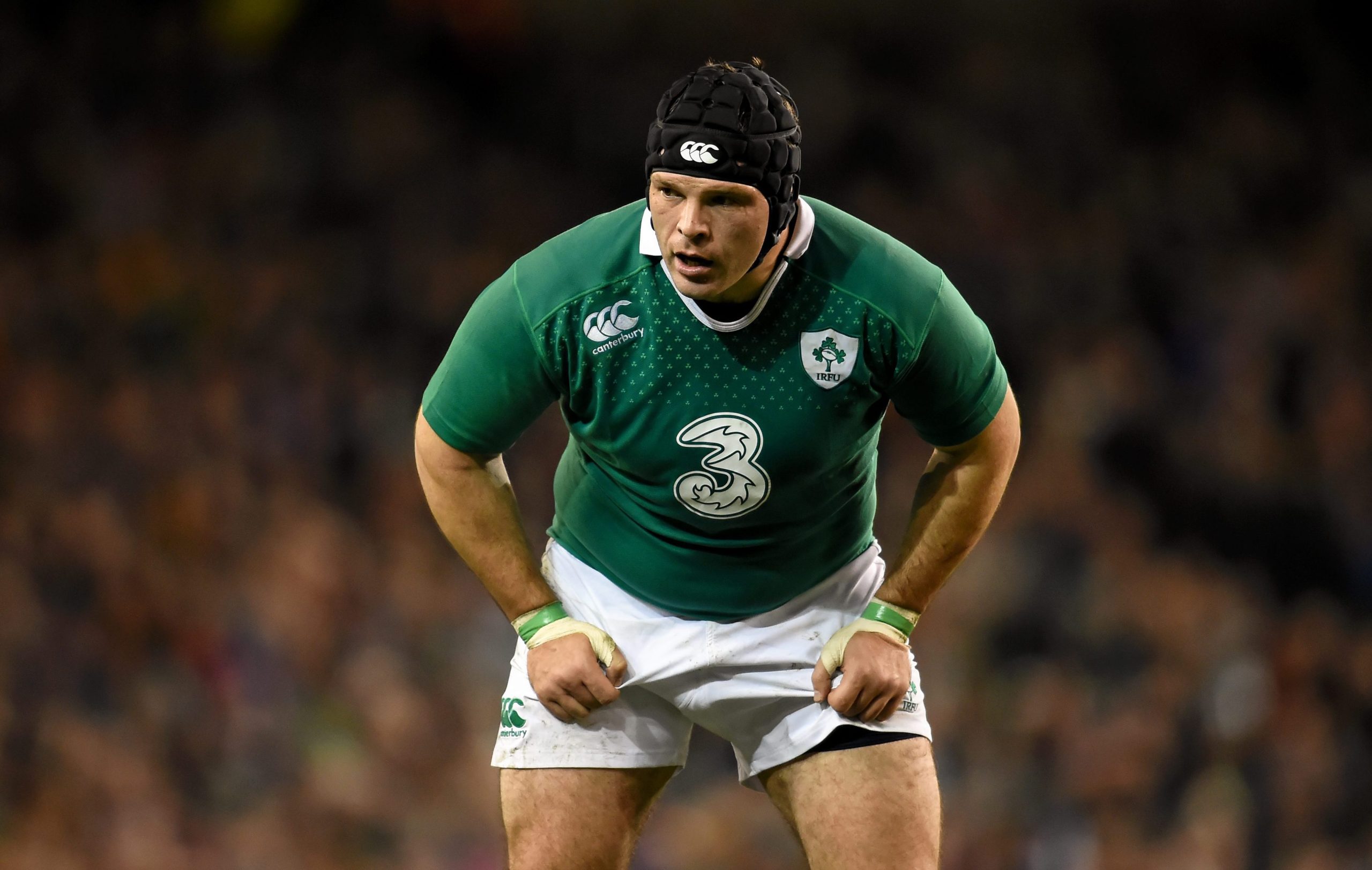
Post 2013, the world changed. Now, you had to bind on the opposition prop before the engagement and the hooker now had to hook the ball – before this, hookers and the entire front row, really, would just walk over the ball and that’s if the scrumhalf even put it in anywhere close to them, which they rarely did.
It was primarily brought in for player safety as the IRB found that pre-bound scrums reduced the impact on front-row players by a massive 25%.
Without having to survive the “hit”, players had more mental and athletic scope to impact more around the field. Players like the All Blacks’ Owen Franks, who came up during the “touch, pause” era now began to showcase more and more of a wider skillset. Why? Well, in my opinion, with the “hit” being removed from the scrum and the responsibility for pushing spread around the back five more generously than previously, that opened up more training space for certain athletes to add those extras to their in-game performances more regularly.
Three years after this law change, we started to see a different breed of tighthead emerge, as well as the best and most adaptable of the old breed.
Tadhg Furlong, Owen Franks, Ramiro Herrera, Kyle Sinkler, Dan Coles, WP Nel, Frans Malherbe.
Most of these players – Furlong, Sinkler, Herrera, Franks, in particular – were nearly more well known for their work with the ball in hand as carriers as they were for the scrum. In an environment where the number of scrums was decreasing game wide anyway – there was an average of 22 scrums per game in 2003 and that had dropped to an average of 13 per game in 2015 – your work as a scrummager wasn’t as important, and it certainly shouldn’t take up most of your training week.
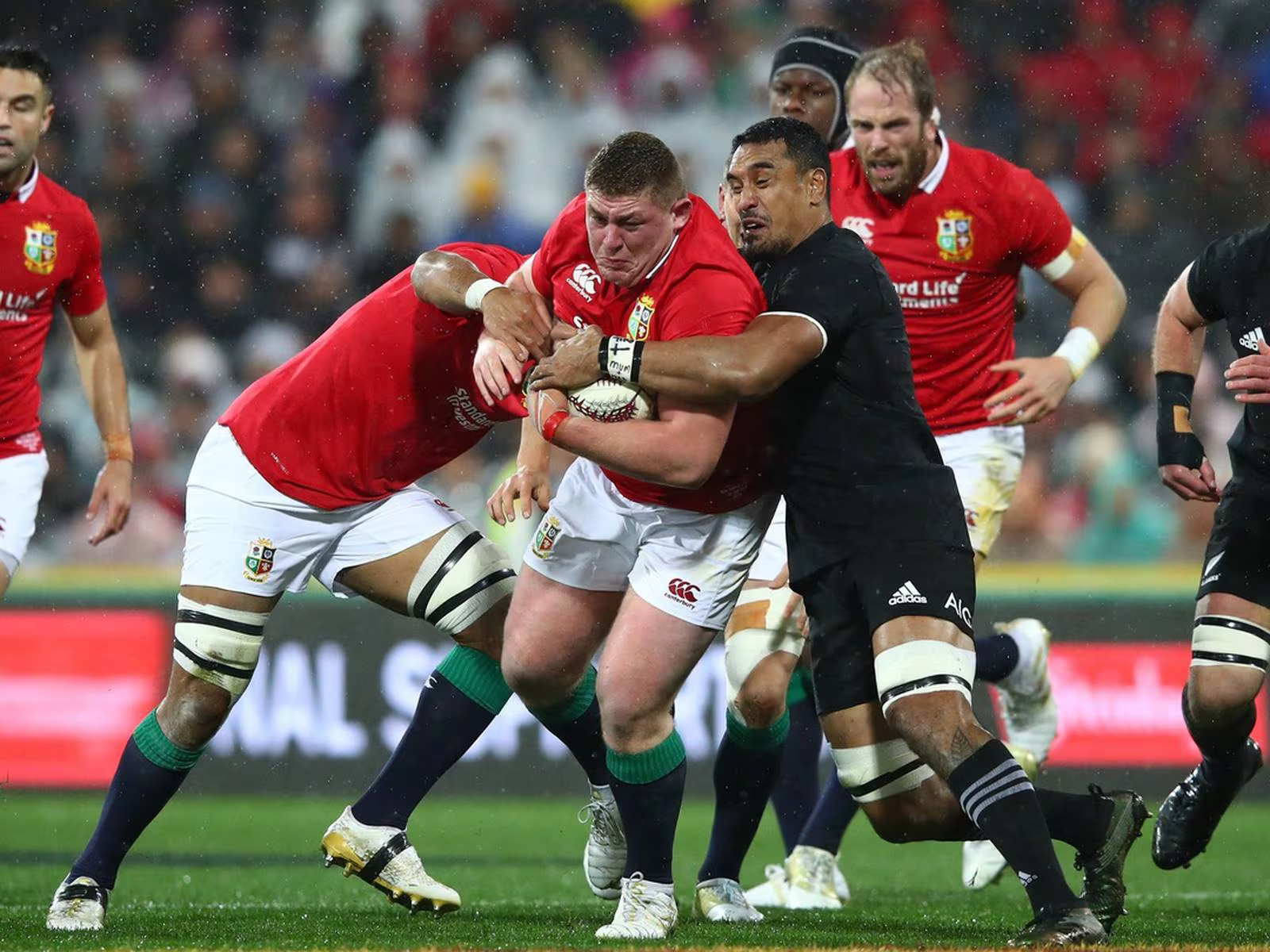
By the middle of the 2010s and into the late 2010s, your prop positions – not just the tighthead – were now focusing as much on the extras to their game as they were scrummaging. The Scrum First Prop was dead.
You didn’t have to be a power carrier like Furlong or Tupuo, but you had to add massive breakdown output (which was the usual secondary output of props historically anyway) as well as being a mobile defender. Post 2019, props were now heavily expected to be competent, regular handlers too, something which would have been ridiculous 10 years previously.
But then something weird started to happen.
In 2019, there were an average of 14 scrums per game, 3.7 scrum penalties per game and, most importantly, a scrum retention rate of 95%.
This year, there were slightly more scrums on average (15) and slightly fewer penalties (3.1) but the most interesting thing was that the scrum retention rate had plummeted to 84%. That’s the lowest scrum retention rate on average per game EVER.
So what’s happening?
***
Before we get to that, we need to jet back to Munster for a second and set our time frame to around 2017/18. At that time, Munster were aware of the change in profile that tightheads required and knew that more power was needed. John Ryan was one of the best scrummagers in Europe at that point but what were his extras like around the field? He wasn’t a powerhouse like Furlong and Porter – who both played for Leinster and who Munster were constantly compared to – and while Stephen Archer was a reliable squad player, internally there was a desire to add some power in line with the trends in the game at the time.
Munster had made some overtures to Vincent Koch before his eventual move to Saracens but finding dispensation from David Nucifora for an NIQ prop of his stature was difficult. At that time John Ryan was #3 in line nationally behind Furlong and Porter – both at Leinster – so any expensive NIQ signing would be considered a handbrake on his minutes. The worries of that 2012 shaming in Twickenham were still felt nationally and any NIQ signing was felt to be diluting our options in case of injury. If Furlong went down, there was Porter and then Ryan’s role off the bench became vital. It wasn’t helpful to Munster at the time, but it was understandable nationally.
Munster tried to make do by signing in a young Keynan Knox into the academy from Michaelhouse in South Africa. Looking at tightheads as they had become in 2018, Knox was the perfect fit – in theory. If we couldn’t sign a NIQ with the profile we needed, maybe we could get one in early, convert them to IQ via residency and then, down the line, find our problem has been solved from within.
It didn’t really work out that way. Knox came in young and wasn’t a freak like Porter who was playing steady URC minutes, European Cup minutes and then test rugby at the age of 20/21.
The moral of the story here is – Andrew Porter is a generational freak and they don’t come around all that often. Hence the name.
With Knox taking longer to develop – and a few worries over how he was developing – Munster looked for other IQ options and landed on Roman Salanoa from Leinster in the offseason of 2019. He had the power we needed, Leinster were keen to keep him and his connections to Limerick swung the deal our way. Unfortunately, due to injury, he only played 234 minutes in his first three seasons meaning Munster were still heavily reliant on John Ryan and Stephen Archer.
Salanoa would have his breakout season in 2022/23 after signing a new three-year deal the season before. He played 20 games, started nine of them and made it into the wider Ireland/Emerging Ireland bubble before a knee injury ruled him out until Spring 2024.
Around that time, Munster had chosen to move on from younger tightheads in the squad like James French and established pros like John Ryan, gambling, somewhat, on Knox and Salanoa to emerge behind the veteran cover of Stephen Archer.
That gamble could have been particularly punishing had Wasps, the club Ryan joined that off-season, not gone under, allowing Ryan to return for a key period of the season when Knox was ruled out with a knee issue just a few weeks after a hip pointer disrupted some promising early season signs and Stephen Archer went for ankle surgery. Ryan left for the Chiefs in the Spring but Munster were lucky enough in that Archer and Salanoa managed to finish out the year strongly with Archer, in particular, producing near career-high levels of performance.
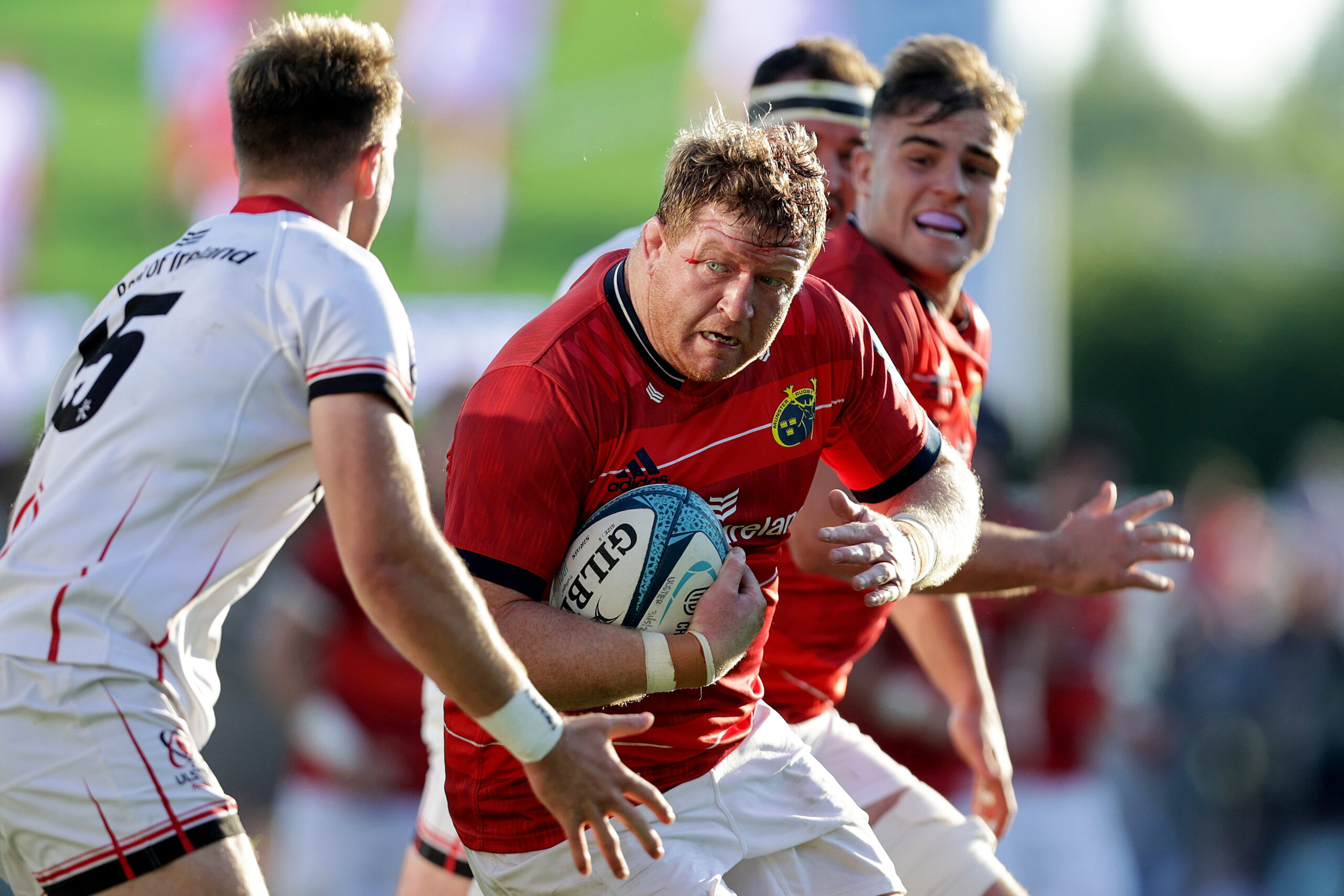
John Ryan returned to the province in the summer of 2023 and, internally, there was an acknowledgement that something would have to be done about a position that was becoming something of a problem.
Archer and Ryan were in their mid-30s and on one-year veteran deals. The rumours about Archer possibly retiring in the summer of 2024 as well as the reluctance to rely as heavily on a 36-year-old John Ryan as anything more than veteran cover was too much of a risk.
Munster were, and are, incredibly happy with Roman Salanoa and feel he can be a core part of the squad on his recovery. They are less sure about Keynan Knox after failing to ignite for any serious run of games during his five seasons at the club. Darragh McSweeney and the newly signed academy man Ronan Foxe were mid-to-long term projects so Munster needed to address the tighthead position sooner rather than later.
Initially, a pitch had been drawn up for a NIQ signing given that Munster currently had no tighthead props anywhere on Ireland’s radar. The name I heard in this position was Santiago Medrano, a Los Pumas international playing for the Western Force in Super Rugby and currently on a sojourn to France as short-term cover.
But then, other rumblings started to present themselves.
Enter Oli Jager.
***
Munster had attempted to sign Jager a few times, by all accounts, in the last few years. It was the obvious move to make really, given the difficulties in getting permission for a NIQ in the position and how well Jager had been doing in New Zealand while, importantly, being Irish-qualified since the day he was born.
There was a big push to sign him in 2022 but at that stage, Jager was committed to making a go of it with the All Blacks and felt he was in the perfect position to do so. The money we would need to make that commitment go away was more than we were willing to, or could, spend at the time.
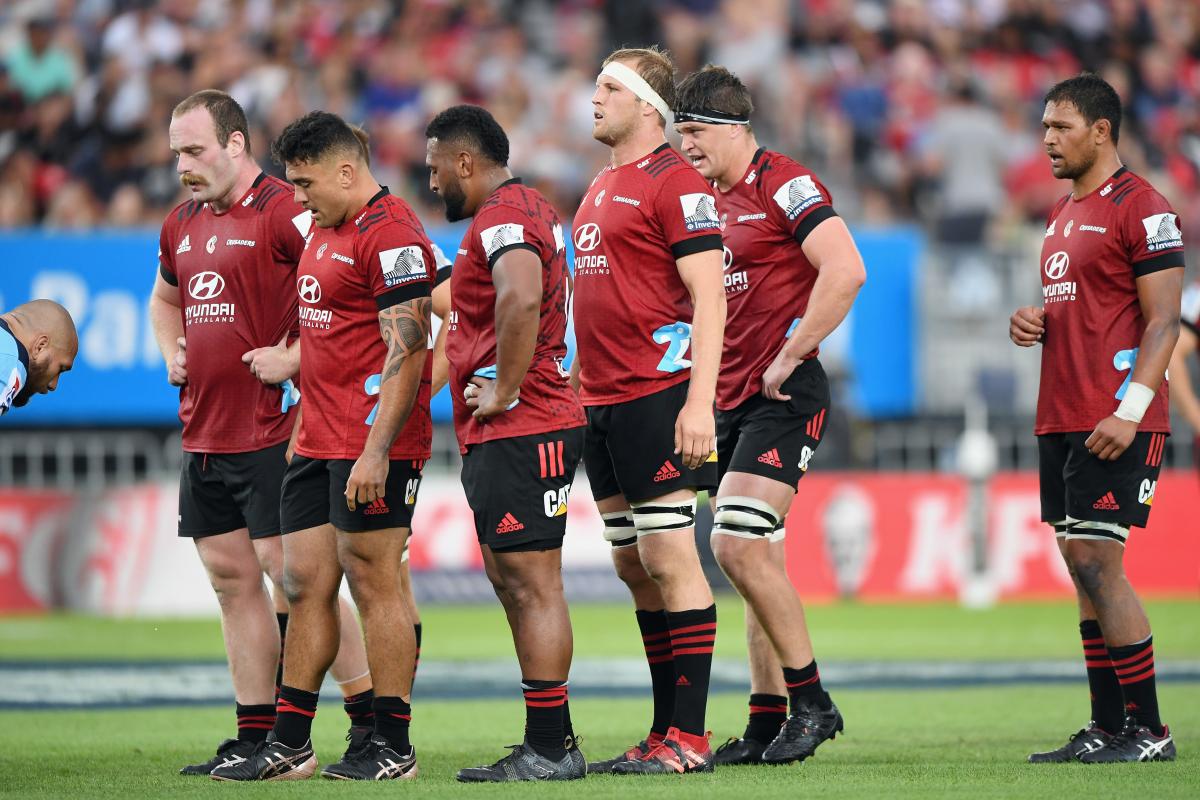
Jager signed a two-year deal in 2022 and had another winning end to the season with the Crusaders after some injury issues kept him out until the end of the campaign.
That badly timed run with injury – as well as a similar spell during the New Zealand XV mini-tour the previous November – meant he lost steam right when he needed it most. The injury he picked up the week before that game against Ireland A in November is the only reason he can sign for Munster. It’s weird how things work out.
People I’ve spoken to in New Zealand since his signing was announced told me that they thought he was more than good enough for a cap before that point but it was a little more complicated than it seemed on the surface. If Oli Jager was born in Christchurch, he’d have one or two All Blacks caps from 2019 on, they reckoned, but capping an Irish guy was seen as being quite different from, say, the likes of Tyrell Lomax or Taukei’aho.
“It’d be too much, given the recent results against Ireland. It would represent a change in status that guys like Foster might not be able to live with.”
I have watched Jager for the last few years and then quite intensely in the last week. He’s more than good enough to be a two or three-cap All-Black at least. Fletcher Newell – who the All Blacks ostensibly capped ahead of him – is not the same level of player. Newell is younger, for sure, so there’s an element of investment there that the Crusaders might feel obligated to continue this season. That may have hastened Jager’s need to get out of his contract while he was still in his prime. Did he see the writing on the wall at the Crusaders and decide that, to play test rugby, he needed to go back to Ireland?
We can’t know. We do know that when he signed a 3.5-year deal at Munster that will take him to 32 years of age, both the province and the IRFU showed him how much they rated him, not telling him.
He, almost immediately, fixes Munster’s depth issues at tighthead with an IQ player, leaving NIQ space free for other areas of need. You can pair Jager with Ryan or Archer almost immediately. You can bring Salanoa back as a 20/30 minute hitter alongside Jager when he returns to fitness. You can pair him with McSweeney or Foxe next season as a bench safety blanket when you want to expose those players to higher levels of rugby.
It is an incredibly sensible signing made at the exact right moment.
***
So why is the scrum retention rate going down?
In 2019, you rarely saw a scrum end in any other way than retained possession for the team putting the ball in.
In the years since that rate has plummeted across the game to its lowest-ever retention rate of 84%. In 1989, as an example, the average retention rate was 89%.
The drop in retention isn’t coming from an increase in penalties because, as we discussed, the average scrum penalties per game are down from 2019 (3.7 to 3.1).
Could it be the change in axial loading and the recent scrum stability law change of 2022 with the hooker’s brake foot? Is it the “scrum must be set within 30 seconds of the mark being made” tweak from the last year?
I think it’s all of these plus a renewed focus on the scrum being a competition for the ball, as opposed to a procession as well as referees being far more willing to penalise the attacking team for illegal scrummaging.
The rise of destructive scrummaging looseheads against the head like Baille, Nche, Wardi, Priso, Smith, Genge, and Schoeman have tilted the balance of power so, with that, it’s increased the value of scrummaging tightheads in a way that we haven’t seen for over a decade.
So, with that in mind, in the next few days, I will look at what Oli Jager will bring to Munster this season and beyond.
