



Professional sports teams are always something of a work in progress. If you’re not in a position to win trophies, you’re working towards a position where you might be. Munster are no different. In fact, I would say Munster are at the start of that process this season.
You can’t really say that, of course. It just has to be understood. The expectation is that Munster needs to win every game and compete for every trophy. Outwardly, there will be no deviation from this when it comes to players or coaches; nobody ever says they’re in a transitional phase, unless it’s blindingly obvious to everyone. Transition, in this instance, means “we’re currently losing games but with the hope that what we’re trying to do will lead to wins.”
Munster aren’t in that space at the moment.
But we’re far from the finished product, too. We can’t be. Sometimes I think people expect the hiring of a new coach to be almost like the end of a process, rather than the beginning of one, but that’s how it works. Signing Clayton McMillan is the first step in a long process. Not a middle step, not an instant fix.
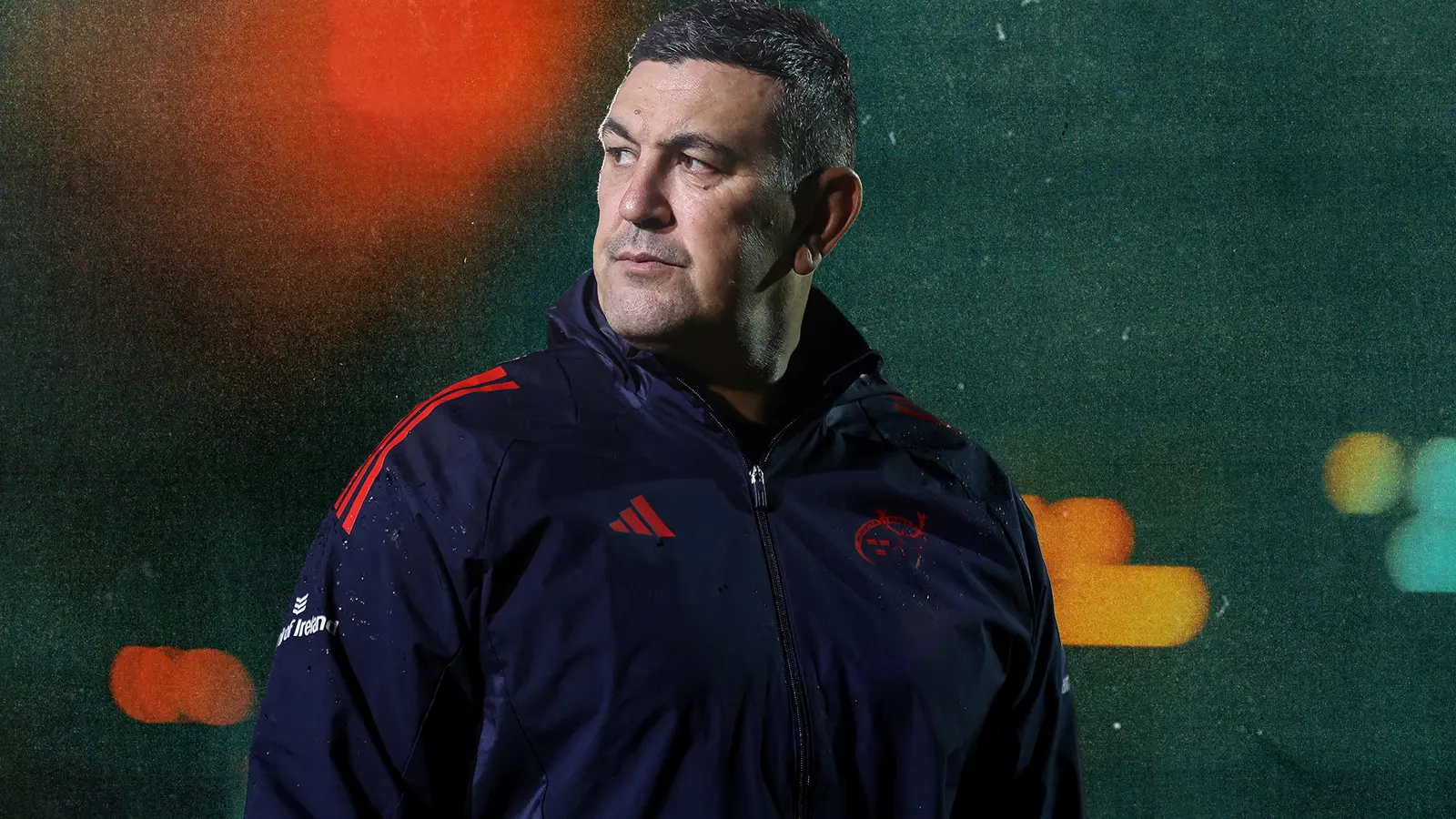
The job he is expected to produce at Munster will take 12 to 18 months to kick in properly, with the finished product expected after two years.
That’s how long it almost always takes, unless a new coach walks into a team that’s ready to “win now, and that is absolutely not where Munster were, or are at the time of writing.
You have to ask yourself why you’d hire a new head coach at all. What do they do? What can they do? At a basic level, you want their expertise and “eye” to create a new vision for the squad. In previous hires, Munster’s aim was one of continuity. I was told directly that one of the key reasons behind Johann Van Graan’s hiring at Munster to replace Erasmus mid-season was that Munster knew — because he told them as such — he could continue the general style that had been successful the season before.
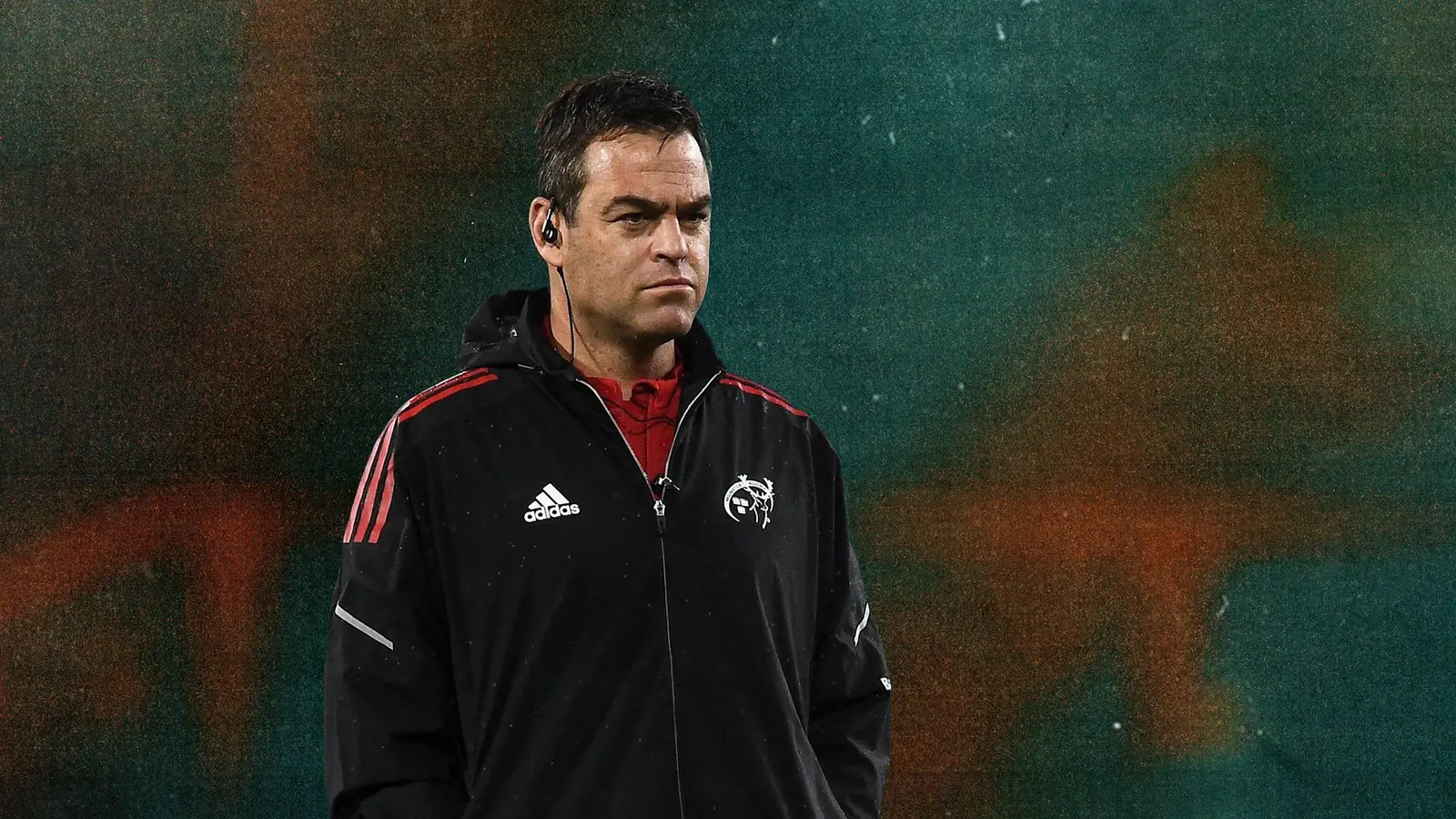
At the time, Munster wanted to make Jacques Neinaber the new Director of Rugby, but he was keen to follow Erasmus back to the Springboks. Van Graan was seen as the next best thing.
That’s the point — we had a vision, an identity that worked for us, and didn’t want to deviate from it. When Van Graan announced he was leaving, a full four years later, everyone was ready for a new vision. Rowntree, ultimately, got the job because his pitch included the attacking system of Mike Prendergast, who had been receiving massive praise around Europe for his work at Racing 92, following on from Grenoble before that.
Graham Rowntree wasn’t the primary driver of that style — Prendergast was. Rowntree was the guy who would lead that vision as head coach. In the first season, it ended up being wildly successful after a rocky enough start.
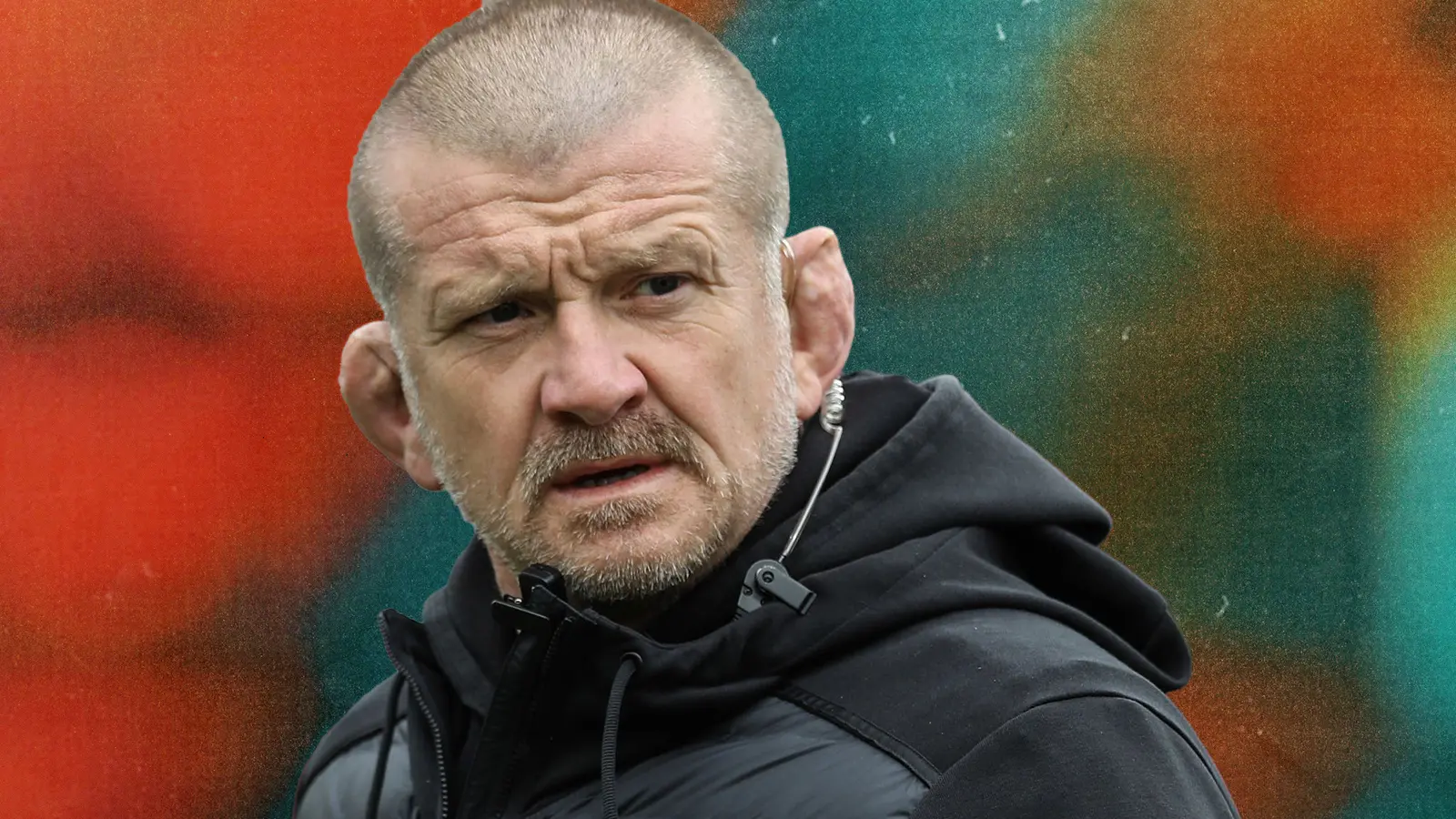
The rocky start was, for the most part, teething problems between moving from the old way of doing things to the new.
Then, other aspects of Rowntree’s vision began to fray around the edges. Unit coaches didn’t work out. The squad was beset by injuries for three seasons straight, believed now to be a direct result of a lack of synchronisation at a system and S&C level.
Some decisions turned out to be bad ones, and the belief that he was the right man for the job by the 24-month mark began to falter considerably. By month 29, he was gone.
A new vision was needed.
That’s where Clayton McMillan came into the picture. Since he’s arrived, Munster’s injury issues seem — for the time being at least — to have mostly cleared up, and that’s helped a ton, but that’s not even a tenth of the job. What McMillan has actually been hired to do is shape the raw materials in the squad — namely, an excellent young core of Irish 20s standouts, two international halfbacks, some generational talent in Tadhg Beirne, as well as players in and around international level at coming into their prime years.
At this point, in Year Zero of McMillan’s reign, we’re still at a point where our playing identity is still very much at an embryonic stage.
So what is our identity?
Munster’s numbers so far this season point to a team that can keep the ball alive and play fast, but is not yet generating enough collision dominance, lateral stress, and set-piece leverage to turn that continuity into dominance.
On paper, we look like a team that should be hard to live with: fast ruck, good gainline, elite offload completion. And yet, the conversion of those qualities is still inconsistent.
Offensive Numbers
On the offensive side of the ball, we’re doing well relative to our URC and European peers in the following metrics.
- Offload Success%: 84.3 (1st)
We’re the cleanest offloading side in the league. That’s system, not luck. - Rucks <3s: 60.9% (4th)
We have the platform to punish teams, but we have to make sure we generate this, rather than it being a side effect of teams not fully rating our punch in the carry. - Gainline%: 57.7 (6th) + Touches per error: 32.1 (6th)
We’re generally stable: we can win small and keep playing.
How we choose to play
- Blindside attacks: 14.9% (3rd)
- <10m lateral movement: 58.2% (4th)
We play close to the breakdown and like stabbing short around the ruck point, utilising way more blindside and short-range carries than we did last season.
The core problem: continuity is high; separation is not
We’re a continuity team, but not yet a “damage” team
- Dominant contact%: 28.1 (13th) while Gainline% is 6th
We are crossing the gainline, but too often it’s a thin win. The defence survives the collision. This is directly related to oppositional analysis. You can see it in the Gloucester and Bath games in particular; teams are ceding the ruck to us because they don’t rate our ability to win dominant collisions. - 2+ tacklers%: 51.5 (9th)
We can attract bodies, but we’re not consistently winning the collision in a way that breaks structure. We’re getting to the gainline, but we’re not punishing teams who cede that quick ball to us by punching holes.
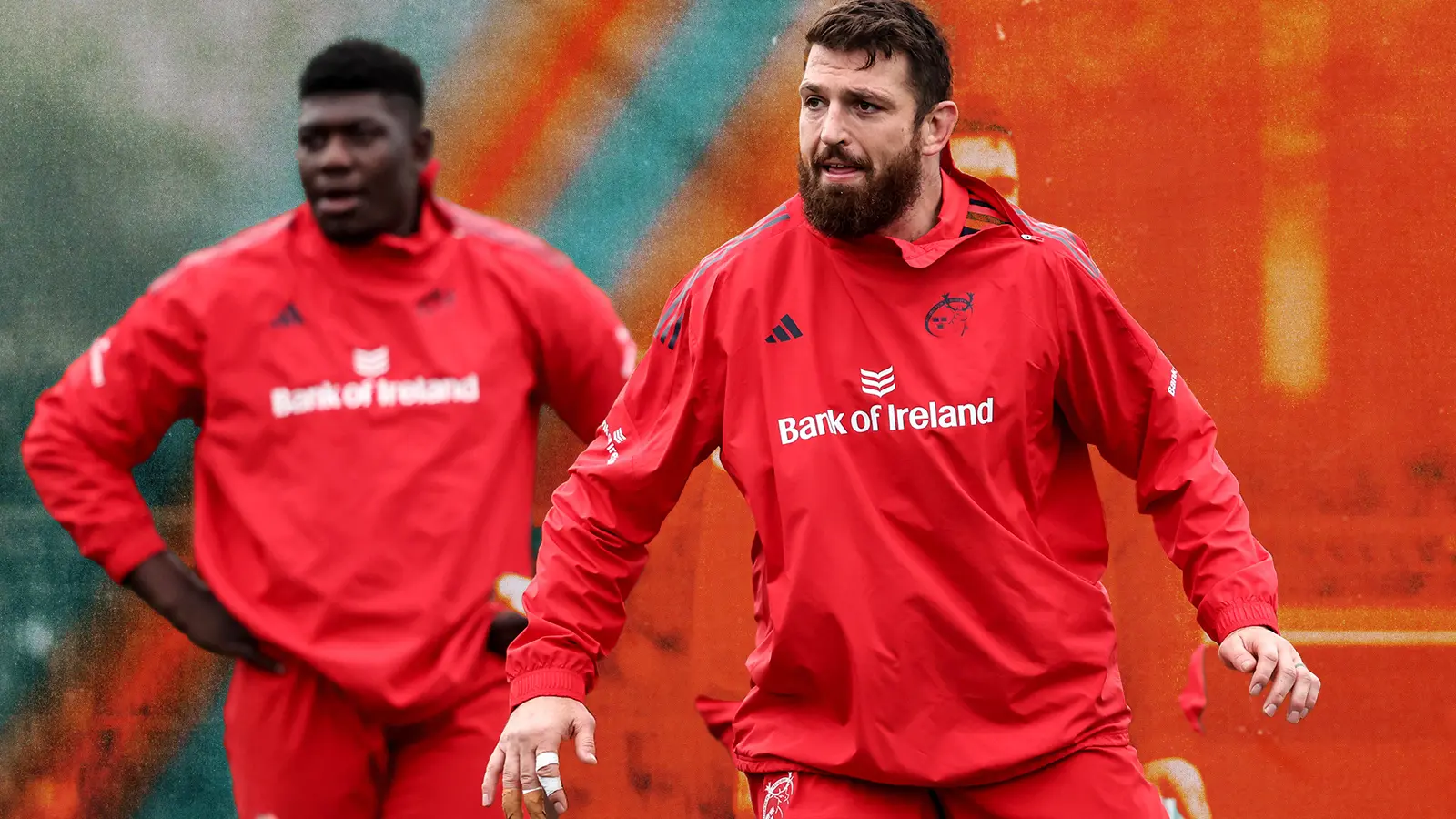
Essentially, if you don’t generate dominance, your attack has to generate stress another way — usually through big shifts of the ball to width or set-piece pressure. That’s where the next leak appears.
We have quick ball, but we don’t use it to create enough big stress
- 20m+ movement: 7.4% (13th)
This is the key tension: ruck speed is top four, but “big shifts” to width are bottom four. - Wider than 1st receiver: 25.5% (7th)
We do play past the first receiver, but we most often stay inside short lateral distances. This is a big change from last season, when we played incredibly wide off Crowley — this season, we’re trying to keep that pressure more central, despite the eye-test showing differently. When we play a lot of screen ball, it’s normally inside the forward “envelope” rather than being fully separated outside shots.
We’re moving the ball, but frequently in readable ways: short-side pressure, tight links, controlled width rather than true defence-pulling width. We know we’re not busting holes in the middle, and that has limited the scope of our ability to play wide.
The finishing shows it
- Breaks → Try%: 34.3 (11th)
We’re not converting linebreaks at a top-half rate. - Offloads leading to try/break%: 11.6 (11th) despite #1 offload completion
Our offloads are often “keep-alive” rather than “knife-through.”
We are executing skills, but not consistently generating advantage at the moment we execute them. This was a failing last year, and it’s continued this season so far. It’s directly linked to our dominant carry rate; our offloads are too often in front of the defence, rather than through it.
Set-piece: functional platforms, weak leverage
If we’re not dominant in open-field collisions, we need set-piece to manufacture advantage. Right now it doesn’t.
Scrum
- Own scrum won%: 88.6 (10th)
Not a disaster, but not a reliable platform for clean exits and strike plays. - Opp scrum won%: 11.4 (7th)
We can pressure teams — but not consistently enough to build match control around it.
Lineout
- Own lineout won%: 85.5 (8th)
Mid-table reliability, limited edge creation. Weirdly enough, we rank incredibly highly Europe-wide when it comes to lineout completion, but the URC is such a lineout-dominant league that we can rank 8th in the URC, but 16th across the European leagues. - Opp lineout won%: 14.5 (9th)
Not generating enough free possessions through steals.
Maul (biggest red flag)
- Metres per maul: 1.4 (14th)
That’s not a pressure platform. It doesn’t bend teams, doesn’t milk penalties, and doesn’t reliably collapse defences.
Restarts (the easiest leverage fix)
- 50m restart own won%: 0.0 (16th)
That is pure lost leverage: fewer cheap possessions, fewer cheap entries.
If our maul isn’t denting teams and our restarts aren’t regaining ball, we are forcing your attack to travel the long way to points every week.
Defence: elite completion, limited disruption (and why that matters)
Munster’s defence is not a problem so far this season, bar one outlier game against Bath. The issue is that our defensive strength is mostly stability, not leverage. When you couple that with a set-piece that also isn’t denting and our attack isn’t creating, we need our defence to shorten the field for us. At the moment, it’s not really doing that — again, mostly in the face of opposition teams who are kicking more to us than we are to them.
| Metric | Munster | URC mean | Rank | What it implies |
|---|---|---|---|---|
| Gainline Denial % | 33.3 | 29.5 | 3rd | We stop opponents before the line at an elite rate. |
| Tackle Success % | 90.8 | 87.5 | 1st | We complete tackles as well as anyone in Europe. |
| Dominant tackle % | 4.2 | 4.9 | 12th | We finish tackles, but not often with collision “damage”. |
| Hips or below % | 26.5 | 29.7 | 12th | Technique profile skews higher than ideal; less choke/stop power. |
| % Missed leading to try/break | 24.5 | 30.5 | 3rd | When we miss, it’s less likely to be catastrophic (good fold/scramble). |
| Rucks per jackal | 35.3 | 40.3 | 8th | Moderate turnover threat; not a true “disruption” defence. |
| 22 Exit Success % | 90.4 | 90.4 | 11th | Average outcomes from exits. |
| % of exits kicked | 73.3 | 73.8 | 8th | Middle-of-the-road exit style (kick-heavy but not extreme). |
This defensive table actually supports the same thesis as the attack/set-piece data.
The baseline is excellent: we win the tackle moment
- #1 tackle success plus #3 gainline denial tells you we are structurally sound and physically competitive, and that scans with any team in Europe. We’re #1 across the European leagues for tackle completion.
-
#3 for ‘misses that become breaks/tries’ suggests our spacing and cover are doing their job — we’re not giving teams cheap, clean linebreaks off simple misses. Our LBR has shown this throughout the season so far.
The missing layer is leverage defence (dominance + turnovers)
Despite the above, we’re:
- 12th for dominant tackles, and
- 12th for hips-or-below contact (a proxy for chopping power and clean stop-contact).
So we’re completing tackles, but too many are “soft completions” — the carrier goes down, but the attacking team can still reload and keep shape. That ties directly to what we saw in attack: Munster are often forced to travel the long way to points, because we’re not generating enough short-field chances off our defence (dominant collisions, jackals, kickable penalties, broken exit structures).
Exits are fine, but not giving us a field-position edge
90.4% exit success (11th) is functionally average. If set-piece and restarts aren’t generating cheap possession/territory, and exits aren’t giving you an edge, your attack is again asked to do too much heavy lifting.
What it means tactically: Shape Tension
Munster’s current pattern:
- Fast ruck + safe hands + short-side frequency
- Controlled width rather than big lateral movement
- Kicking ends a fair share of possessions (ended by kick: 42.4% / 5th) without a top-tier aerial contest rate (contested kicks: 13.5% / 10th). We’re retaining the ball well when we do kick, but our share of possessions ended by kicks suggests we should be contesting more and then winning more.
- Set-piece not creating enough “pre-built advantage” (maul metres, restart regains)
The consequence: we are often a multi-phase team without enough free metres coming from what we do well.
We make things hard for ourselves too often.
The fix: convert tempo into leverage
As it stands right now, we need to look at where we stand offensively and from a system perspective. How do we leverage the good things we’re doing to push ahead of the “block” we’ve found in the last few weeks?
Lever 1: Increase “big shift” frequency without losing ruck speed
Targets:
- 20m+ movement: 7.4% → 9.0–10.0%
- Wider than 1st receiver: 25.5% → 27–29%
- Rucks <3s: protect 60%+
We have to start punishing teams who stand off our rucks. That will be through winning more collisions — the second lever — but we can help that with our ability to win advantage beyond Crowley.
Lever 2: Improve “quality of gainline”
Targets:
- Dominant contact%: 28.1% → 33–35% (league average band)
How:
- Better carry selection (seams, unders lines, weak shoulders)
- Better pre-contact detail
- More planned two-man sequences where the offload happens after the advantage is won
- Getting key players like Gleeson and Jager back in will help in this regard, but it might also mean doubling down on the Nankivell/Kelly midfield and using Ruadhan Quinn more often.
This is mostly a personnel issue, more than anything. You can’t turn a guy who isn’t a power carrier into one, so it’s about making sure we’re getting the right build onto the field.
Lever 3: Rebuild set-piece leverage (especially maul + restarts)
Targets:
- Maul metres per maul: 1.4 → 2.2+
- 50m restart own win%: 0.0 → 10–12%+
- Lineout own won%: 85.5 → 90%+
This one is mostly done on the training paddock, but also comes with selecting the right guys; is our lineout calling where it needs to be? Do we need to maul more to throw off teams who over-contest on our throwing?
***
The data doesn’t say Munster are “broken” by any means. It says we’re coherent — fast, skilled, and stable — but we’re not extracting enough leverage. If we lift just two things (restart regains and big-shift frequency) while rebuilding our ability to hurt teams in the maul, our existing strengths (quick ball and elite offload completion) should finally start paying off in tries rather than phase count.
McMillan’s changes so far have mainly seen us focus on winning narrower spaces and being more comfortable playing in those short zones. We have some things we do really well that would absolutely power us to new levels if we could just do the step before a little bit better. We’re 12th in Europe when it comes to converting set pieces 10m from the tryline into scores, for example, so we just need to win more of those set pieces. It’s especially incongruous when you consider we’re in the bottom two for set-piece origin tries in the URC. A small change there changes our conversion rate overnight.
We’re top four in the URC and rank really highly in Europe for scoring on kick returns; we just need to be better with our contesting to activate more of that, especially as we rank really highly for the number of tries we score per possession — we’re top five in the URC for efficiency in possession, and we’d be even better by tightening up the “easy” stuff once we get into the 22.
If you’re Clayton McMillan, this can be sorted through training repetition, but every coach is defined by their signings. It’s how they shape their squad, and no coach in the history of this sport has been successful without moving the players that don’t fit out, while moving in immediate system fixes where possible.
For Munster, the data is clear on where this needs to be.
A power hooker plus a high-level tighthead prop is one of the most coherent “two-signing” packages that could immediately fix most of these issues, because it attacks the same underlying deficit from two angles: front-door leverage (scrum/maul/short-field pressure) and collision dominance (carry and tackle “damage”), without forcing us to abandon the current tempo-and-continuity identity.
Why that pairing fits the analytics
It directly targets the biggest set-piece leak: maul dent and scrum platform
- Munster are mid-table on scrum platform and near the bottom on maul metres.
- A tighthead who stabilises and/or pressures, plus a hooker who adds power and damage off the back of the maul, is the most direct way to lift:
- Scrum own-feed win% (platform ball, fewer resets/penalties),
- Maul metres per maul (actual forward momentum, penalty generation),
- and red-zone “easy points” (maul/goal-line efficiency).
It upgrades “quality gainline” and defensive dominance — the missing layer
The wider story is this: Munster are fast and clean, but not consistently damaging.
- A power hooker helps our attack and win collisions in tight channels and helps the defence generate more “stop-contact”.
- A top tighthead can add both carry dominance and tackle dominance while also anchoring the scrum at an elite level
If those two signings lift dominant contact and dominant tackle even modestly, the knock-on effect is massive: our existing strengths (quick ruck, elite offload completion) become more threatening because they happen after advantage, not as a method of survival.
Non Negotiables
Power hooker: must be “power + darts,” not “power instead of darts”
If the hooker drops your own lineout win%, the whole leverage plan collapses (fewer mauls, fewer attacking possessions, worse territory).
Minimum requirement: reliable throwing under pressure in line with a tighter lineout operation in a broader sense.
Tighthead prop: must be an “anchor first”, not a highlight reel prop
You need a tighthead who can deliver:
- repeatable scrum stability (reduce wobble, reduce penalty risk),
- and still function in Munster’s tempo game (get around the corner; don’t become a drag on the attack).
If that guy is dominant but ill-disciplined, you’ll pay for it in penalties and field position.
The two main risks (and how to mitigate them)
Risk 1: You add power but lose tempo
Munster’s current edge is ruck speed. Two heavy, dominant front-rowers can unintentionally slow your attack if they can’t reload or if the team starts “waiting” for power carries.
Mitigation: recruit conditioned power, and keep the system rule: collision win → immediate play, not admire the carry.
Risk 2: You solve the platform, but still lack “cheap possession” from restarts/aerials
The dataset flags restart regains and aerial contests as a leverage opportunity. A hooker + tighthead will not automatically fix that.
Mitigation: treat this pairing as the front-door leverage solution, and plan a separate lever (tactical or recruitment) for restarts/air. Calvin Nash being available again after injury will immediately help this, but development is needed amongst the back three to really nail down this side of the game.
What “good” would look like after those signings
If it’s working, you should see movement in these specific numbers over a meaningful sample:
- Scrum own-feed win%: 88.6 → 92%+
- Maul metres per maul: 1.4 → 2.2+
- Dominant contact%: 28.1 → 33–35%
- Dominant tackle%: 4.2 → 5.2%+
- Maintain rucks <3s: keep ~60%+
- Secondary outcome: lift Breaks → Try% (because we’ll be living on shorter fields and more broken defensive pictures)
How I’d deploy the pairing
I’d use these two headline signings to make us a two-platform team:
- Scrum as a possession/penalty platform (not just restart play),
- Lineout-maul as a territory/points platform (metres and/or penalties, not just phases).
In attack: design 2–3 repeatable “front-row leverage” sequences (lineout 15m channel carry + reload; scrum midfield carry + quick width; maul threat → peel/launch).
In defence: make them the centre of a deliberate “dominance layer” (targeted collisions that create slower ball and force the opposition to over-commit to rucks). This will be especially powerful if Edwin Edogbo continues on his current trajectory.
That’s the key for McMillan — continue to develop what we have, and what could well be elite, and then empower it with core players who fix the immediate issues the second they’d arrive in July 2026.
