



Finals are there to be won.
They serve no other purpose. There are no learnings to be taken from them, except that it’s better to win them than it is to lose them.
There is only a simple question. Did you win? Yes?
Or no?
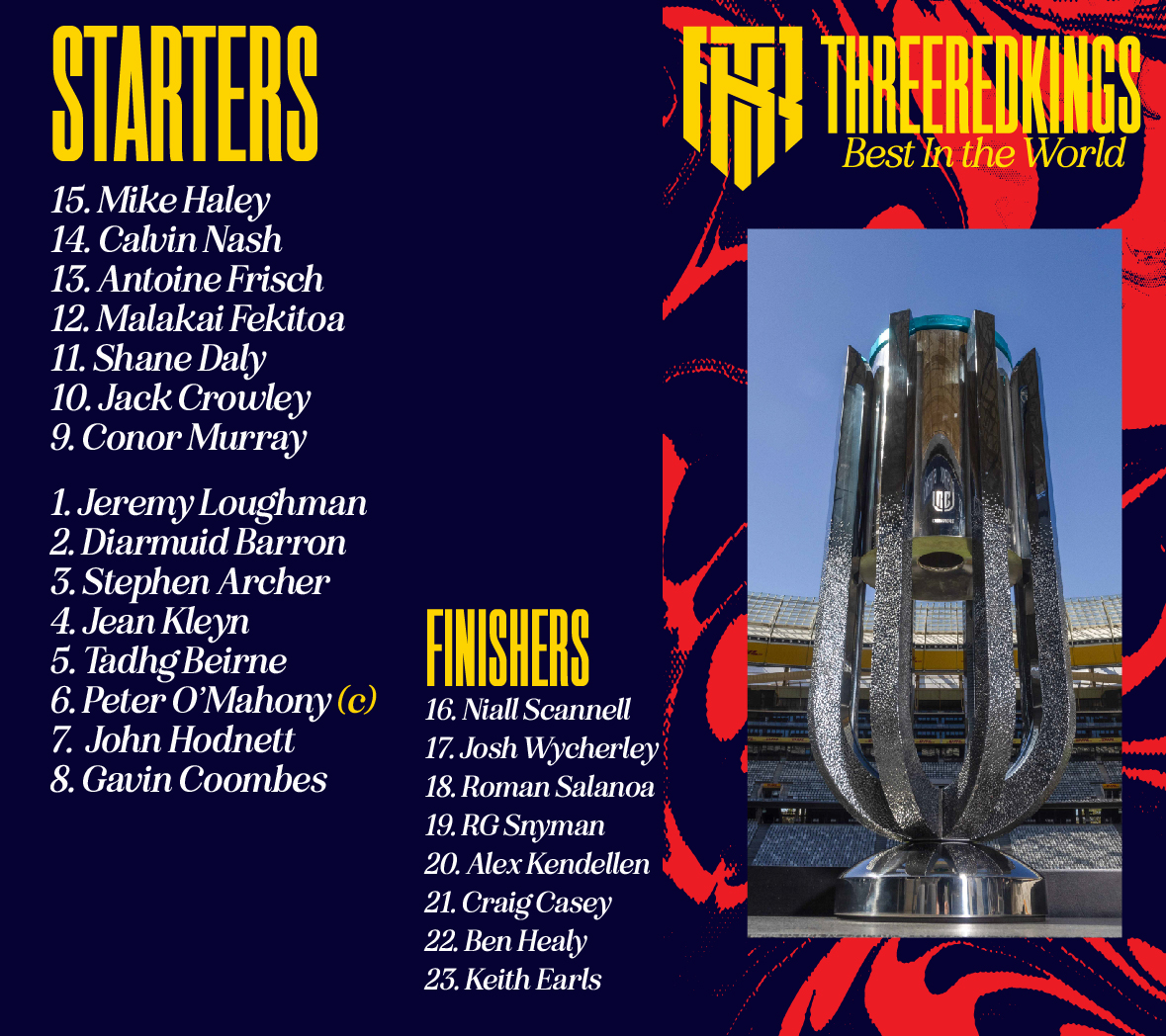
It’s very binary. The ultimate zero-sum game, as all sport is. Someone must win, and someone must lose. That is the purity of this weekend’s contest. Everywhere you look there at stats and omens if you want to look at them like that. We have never lost to the Stormers and, just a few short weeks ago, we ended their year-and-a-bit-long winning streak in the DHL Stadium, where this final will be played. We have had the most difficult route to the final of the two sides. We have Snyman, Fekitoa and Nash back as well as the option of Conor Murray to either start out or close this game. Last time when we beat the Stormers we didn’t have Tadhg Beirne – now we do.
All of this is window dressing to a fundamental truth.
Since 2011 Munster have lost three League finals away from Thomond Park – to Glasgow in Belfast, to the Scarlets in the Aviva Stadium and then to Leinster in the RDS. We lost all of them for different reasons and I watched them all back this past week.
In 2014/15 we were blown away by an emergent Glasgow side featuring Stuart Hogg, Finn Russell and Leone Nakawara to the point that we looked like we were playing a different sport to them at times. That was the first season of Anthony Foley’s new coaching ticket and Paul O’Connell’s last game in a Munster jersey but that didn’t matter when it came down to it in Ravenhill. It finished 31-13 to Glasgow but it could have been more.
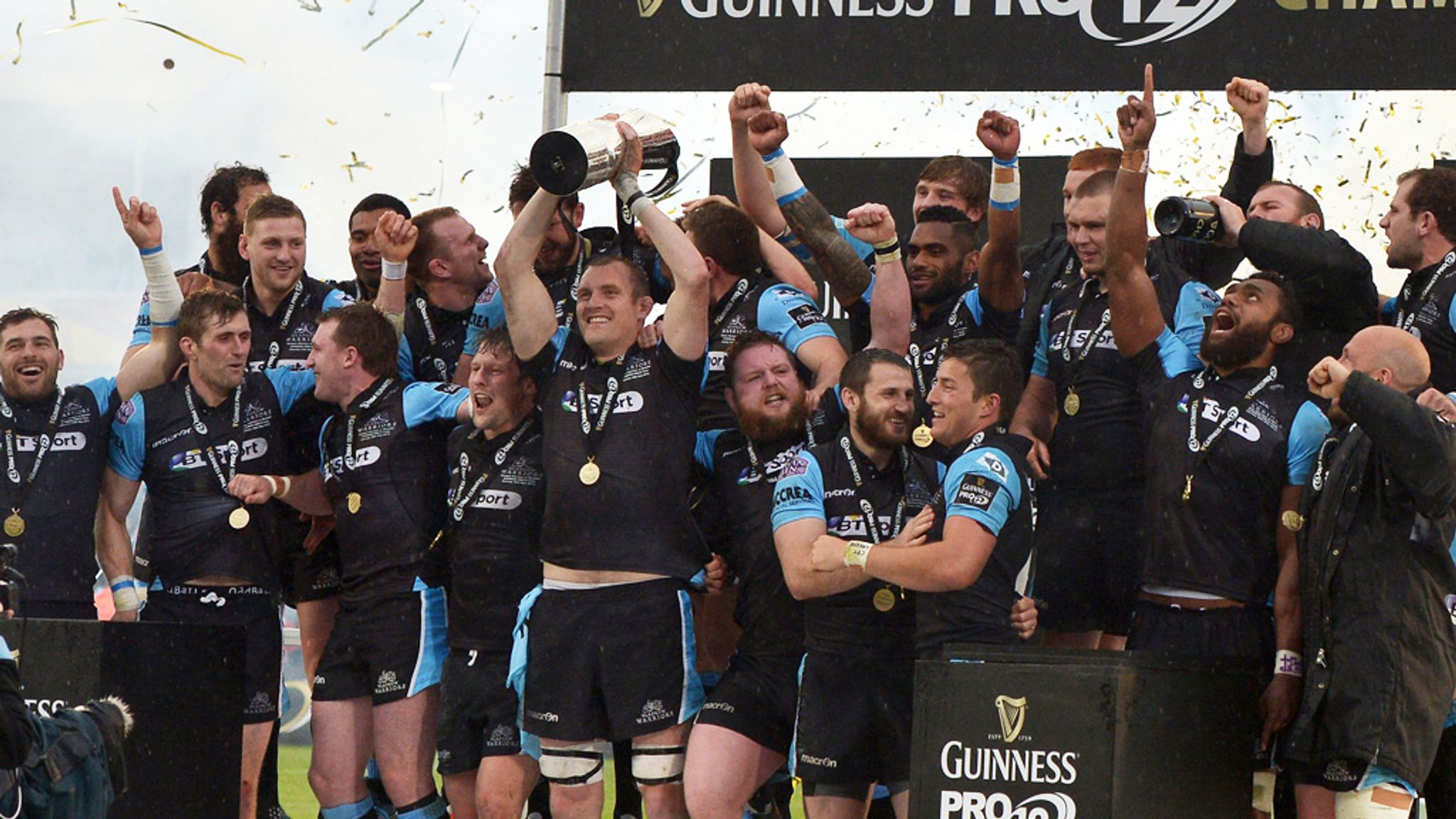
It was an omen of what was to come the following season for Anthony Foley’s Munster but, purely on the day alone, it was a bad loss against a Glasgow side featuring several players who would go on to be considered World Class talents.
Two seasons later, a Rassie Erasmus-inspired Munster would power our way back into a then PRO12 final against Wayne Pivac’s brilliant Scarlets side of that year, who beat Glasgow and Leinster away (!) on their path to the final driven by the soon-to-be World Class talent of Tadhg Beirne. That year, Munster had exceeded all expectations post-2015/16 to make a European Cup semi-final and finished top of the PRO12 table. The emotion and the resulting narrative from that emotion in the build-up to the final was almost overwhelming. Anthony Foley had sadly passed away earlier in the season so the natural end for the season would be for Munster to lift that league title in his memory but sport is cruel when it comes to giving you what you want.
In truth, we were blown out of it. Three tries for 21 points in 11 first-half minutes from the edge of the first quarter left us a mountain to climb and, when it came to it, we left the ropes and hiking gear at home.
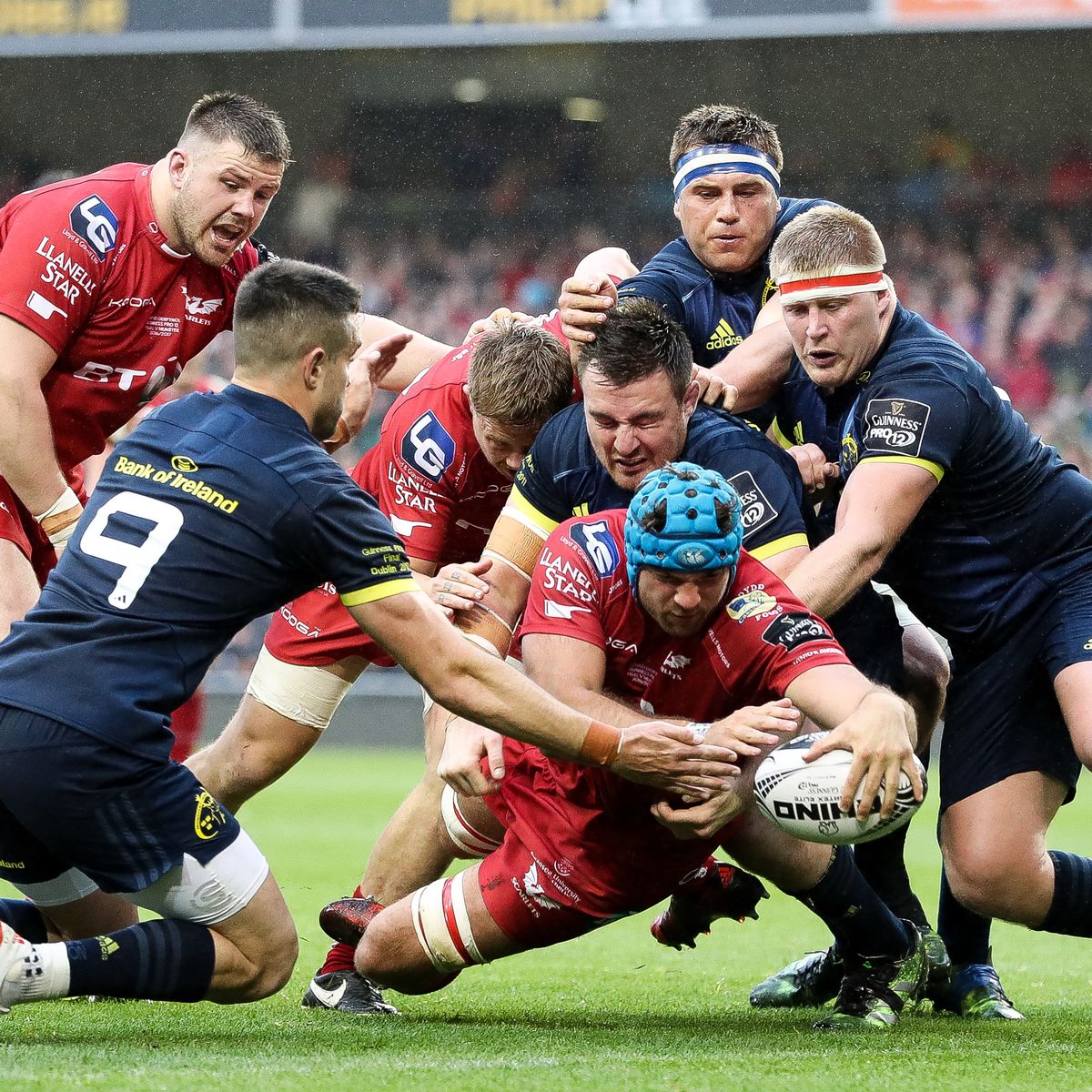
The Scarlets had all the momentum after driving through Glasgow and Leinster on the road back to back. We looked like a wounded beast from the emotional and physical toll of a season no club should ever go through and Pivac’s team put us to the sword with the kind of style that left no room for equivocating.
In 2021, in an empty RDS Munster had an opportunity to win a COVID-19-shortened pandemic season against Leinster, who had made a regular habit of walloping us in semi-finals up until that point. We wouldn’t have lacked motivation for that reason alone but it was also going to be Billy Holland and CJ Stander’s last attempt to win a serious title with Munster before hanging up their boots.
There was to be no happy ending there either. We were beaten 16-6 by a rotated Leinster side with bigger fish to fry a week later – the first of a losing trilogy with La Rochelle – but they were right to do so. The scoreboard flattered us, as it so often did in the Van Graan era against Leinster.
Another final, another loss.
That’s why when Jean Kleyn was asked this week if Munster were in bonus territory, he responded with real heat, real venom. Bonus territory would imply that we’re happy enough to be here and sure, what about it if we lose, we’ll be back anyway – right? Right?
No. We know that isn’t true. We know that the second you take finals for granted, you lose the minute you position yourself for a grand narrative or emotion to take you over the line. Every time.
We’ve seen it all.
New coach bounce in 2014/15 with an iconic player finishing up in the same game? We lost.
Powerful, real-life emotion and a season of destiny driving you to win it for your departed friend, mentor and coach? We lost.
All the motivation you could ask for to finally get one over on your hated rivals up the road and send off two club legends with a medal in their back pocket? We lost.
Forget about destiny. Forget about stories. Forget about 2011. Forget about 2006. Forget about 2008. Forget about everything that isn’t this;
There is only this game. Play to our potential, and we’ll win. We know this because we’ve beaten this team in this stadium six weeks ago when we were playing infinitely worse in the games leading up to it.
It’s getting that performance that’s the kicker because we’ve seen it all from Munster in this remarkable, almost unbelievable season. It’s easy to say “play the game, not the moment” from your couch but it’s another thing entirely to do it in front of 57,000 people in Cape Town, half a world away from where you were this day week.
We have momentum, we have a game that we know can win in this stadium – we just have to, well… play the game, not the moment.
On Access Munster this week we got to see inside the dressing room during halftime at the Aviva Stadium. Peter O’Mahony told his team that you don’t get what you deserve in this game, you get what you work your fucking bollocks off for.
This team have worked their bollocks off to get here. They’ve walked through ridicule, pity, scorn and lads chuckling on the airways about how maybe a year in the Challenge Cup wouldn’t be a bad thing for this club.
They packed out Páirc Uí Chaoimh on a wet Thursday night in November in the middle of a losing streak when people were writing columns about Munster’s fanbase losing interest and produced a performance that’ll be remembered for years. They took the lumps and improved every single game – they got better and did the job that was required.
We needed seven points in South Africa – we got them.
We needed to end Glasgow’s home record. We did.
We needed to beat the Leinster hoodoo in Dublin in a serious game. We did.
Time for one more job and remember another fundamental truth.
Hard work pays off, dreams come true. Bad times don’t last, but Bad Guys do.
Stormers: 15. Damian Willemse; 14. Angelo Davids, 13. Ruhan Nel, 12. Dan Du Plessis, 11. Leolin Zas; 10. Manie Libbok, 9. Elton Jantjies; 1. Steven Kitshoff (c), 2. Joseph Dweba, 3. Frans Malherbe, 4. Marvin Orie, 5. Ruben Van Heerden; 6. Deon Fourie, 7. Hacjivah Dayimani, 8. Evan Roos.
Replacements: 16. JJ Kotze, 17. Ali Vermaak, 18. Neethling Fouche, 19. Ben Jason Dixon, 20. Willie Engelbrecht, 21. Marcel Theunissen, 22. Paul De Wet, 23. Clayton Blommetjies.
We have a lot of telemetry on the Stormers already. I mean, our last game against them is so recent that it’s on the same page of posts on my WordPress admin page as this match preview. I didn’t even have to scroll.
With that in mind, I want you to remember this post from the Red Eye;
If we play to our potential, we are a nightmare matchup for them this season to the point that we could score 4/5 tries here with a fair wind. Last weekend, the Stormers were blown away by a high-possession, high-phase count game that mostly exited through mid-range contestable box kicks mixed in with the odd long-range grass finder to test out their backfield alignment. This is Munster’s game at its best… The key to beating the Stormers – and scoring tries against them, more importantly – is ball retention and structural pod width on your passing networks.
On paper, we are the nightmare matchup for the Stormers if a few key fundamentals hold. The Stormers have upped their kicking volume this season to create more transition opportunities for their electric back row, halfbacks and back three. Damian Willemse – their best player, in my opinion – is exactly the player you want to put into the kind of positions that their version of counter-transition gameplay produces.
This exit against Connacht is a pretty good example of what they like to do
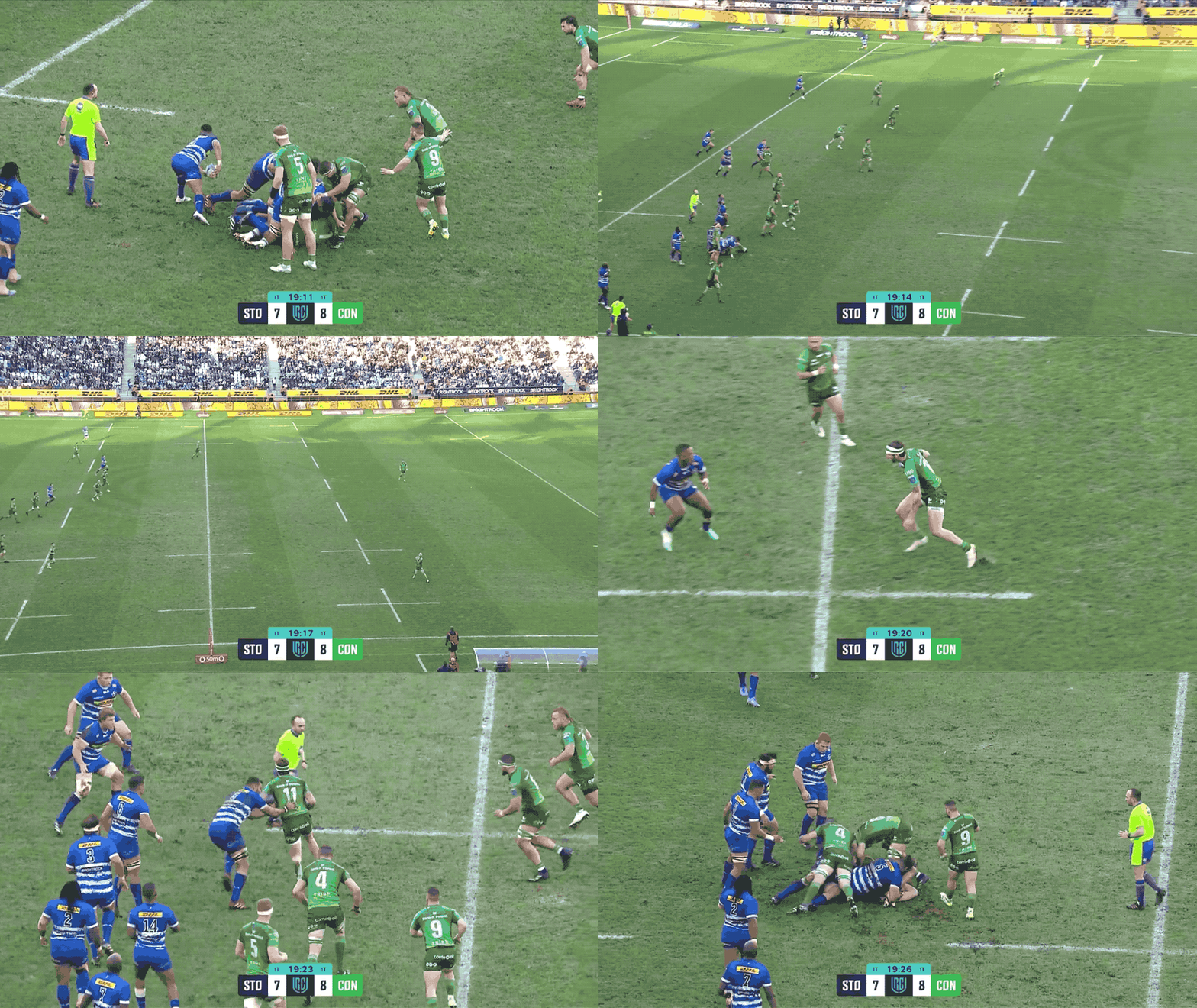
Stormers go long off Libbock and stack the short side tram to gobble up any attempt at a runback from Hansen, in this instance, while Nel shuts down the pass to the outside edge direct from the transition.
Hansen ends up running into Roos, which is exactly the scheme Stormers want here. Their heavy front five tracks across the field with the flow of the attacking pods and, from their perspective, looks to avoid getting unbalanced at pace. They have, essentially, gone with a double small forward/power forward build to start in their back five to cover the space that their kicking game opens up with enough breakdown threats to force the turnovers and poor kickbacks that they base their game off.
They have a very similar base game state to Leinster in that, at a base level, the Stormers want to unbalance you on transition by kicking long to your back three and then playing off what happens next – be it a kick back, an exit off the field, or an attempt to hit the line.
The Stormers are different from Leinster in a few key ways, both positive and negative. On the positive side of the ledger, the Stormers are a better, more athletic threat directly on transition ball than Leinster. They are incredibly good at offloading to find the kind of width that kills you on a deep chase, especially when it comes to isolating players on the same side of the field that the ball was kicked from.
This is a perfect illustration of what the Stormers can do – turning a good exit from O’Halloran into seven points.
They have a far better and more imposing scrum than Leinster too, which changes up the equation on the scope of your own handling and kicking. Their scrum threat is such that you’d think twice about overhandling in your own half of the field or kicking contestably too close to your own 22. They have munched teams there all season long, with Munster being a notable exception in the last game we played in this stadium six months ago, but who knows how that will go this week.
On the negative side, Stormers’ defence is not of the same quality as Leinster’s. They don’t have the players to defend 10/11 phases of post-transition rugby without giving up penalties for not rolling away or over-competing at the breakdown. Malherbe, Dweba and Kitshoff are particularly bad for this and we can trap them with the right type of impact ball carrying.
They are often slow to transit from ruck to ruck on post-transition phases, which is a key weakness for them against teams who don’t kick the ball back on cue.

This is a big hit in defence on phase six post-transition but look at the space between Malherbe and Dweba as the play progresses. There’s an opportunity to hurt them directly here – Nash attacks narrow, Murray snipes for the offload. That space shows up on any sequence where the Stormers are defending for 5+ phases regardless of where it is on the field.
Send a runner from the posts side of this ruck and hit an inside pass?

There’s a try there.
From a stylistic perspective, I feel there are two ways to approach the Stormer’s counter-transition bait. Returning it in kind is a fool’s errand most of the time. There are potential gains to be gotten by kicking directly at Angelo Davids and Leolin Zas where we can turn and pressure them but they are unlikely to have the kind of implosion in the backfield they had against Leinster in the RDS.
I don’t see us kicking much at all – I think we’ll run back and enter post-transition phases on almost everything they kick us to expose their slow ruck to ruck transit – but there is the temptation to get at Joseph Dweba at the lineout. This is the main area where the Stormers differ from Leinster; their lineout is far more vulnerable to pressure.
Dweba is prone to blown throws – he often flings a wobbler off his right hand that sends the ball either too low or too high – to the point that he will crab to his team’s side of the lineout more than most hookers. If there’s one thing a poor thrower does not want to see in a pressure game with a wet, greasy ball it’ll be Peter O’Mahony, Tadhg Beirne and, latterly, RG Snyman.
If we’re heading into 8/9 phase sequences, look for Crowley or Frisch to stab the ball low down the line to put real pressure on Dweba and around his own ’22.
At a base level, counter-transition rugby matches up poorly with high tempo, high variety, and low kicking volume possession rugby. Munster play the latter, Stormers the former.
If we can retain the ball with the accuracy we managed against Leinster – albeit with more jackal threats at the breakdown – we’ll boss possession and win this game by 15+ points.
If the breakdown turns into a slog and we start coughing up straight-arm penalties, we’ll lose. It comes down to that, for me.
80 minutes. Play the moment. Not the game.
And Stand.
Up.
And.
Fight.
