


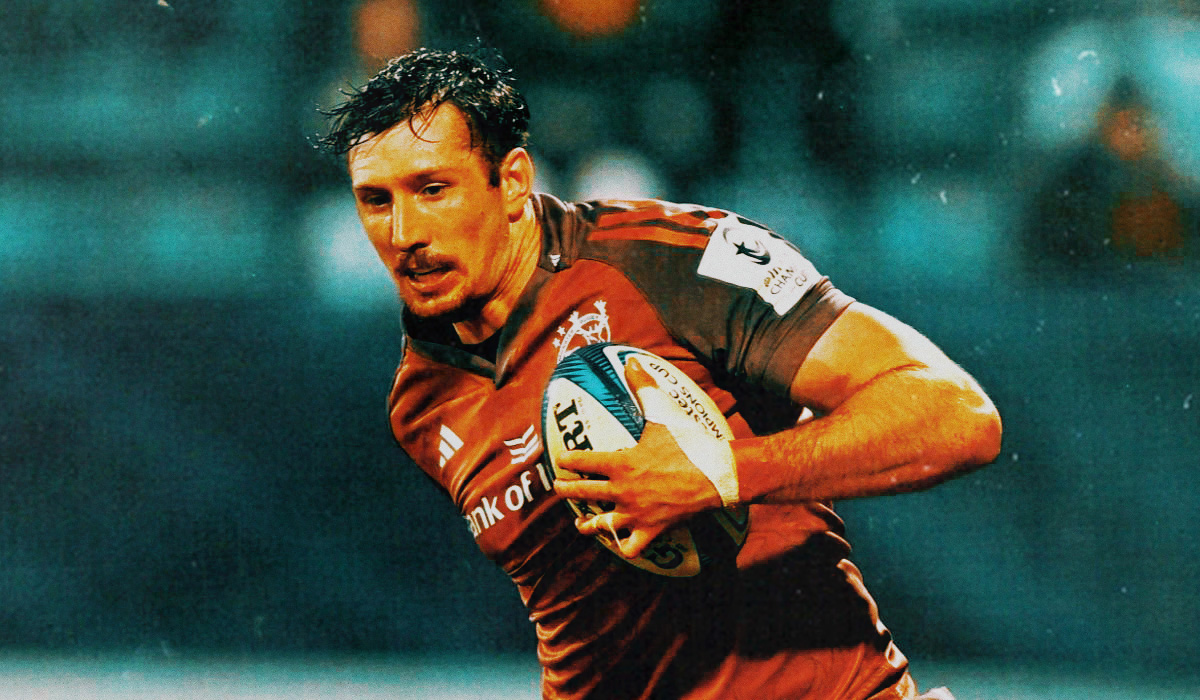
Munster and Saracens know what it’s like to be the undisputed kings of European Rugby, and they now know what it’s like to fall from that level.
Between 2014 and 2019, Saracens were the best team in Europe by some distance. I sometimes think that they are the best-constructed side I’ve ever seen, even with the obvious salary cap chicanery that was going on in the background. That Saracens side dumped Munster out of Europe repeatedly in that period but I can’t look at them with anything other than admiration. Prime Saracens were the most unanswerable question during their pomp in the club game. How do you beat them? They had everything: top-end power, pace, tactical control, x-factor and mental toughness to spare.
I almost knew their pack by heart: Mako Vunipola, Jamie George, Vincent Koch, Maro Itoje, George Kruis (for a while, they had Will Skelton in the mix here), Michael Rhodes, Billy Vunipola, Farrell, Barrett, Maitland, Goode, with the likes of Liam Williams, Damien Willemse, Elliot Daly, Ben Spencer, and others rounding out what was probably the most imposing European Cup side of the middle to late 2010s.
The relegation and subsequent dismantling of that side meant what it almost always means; the beginning of a slow decline. Without the salary cap issues, I think Sarries probably win five European Cups by 2021, before slowing starting to decline as some of their elite, world-class core began to age out or become too expensive to retain in the new financial reality they, and everyone else, were living in post-COVID.
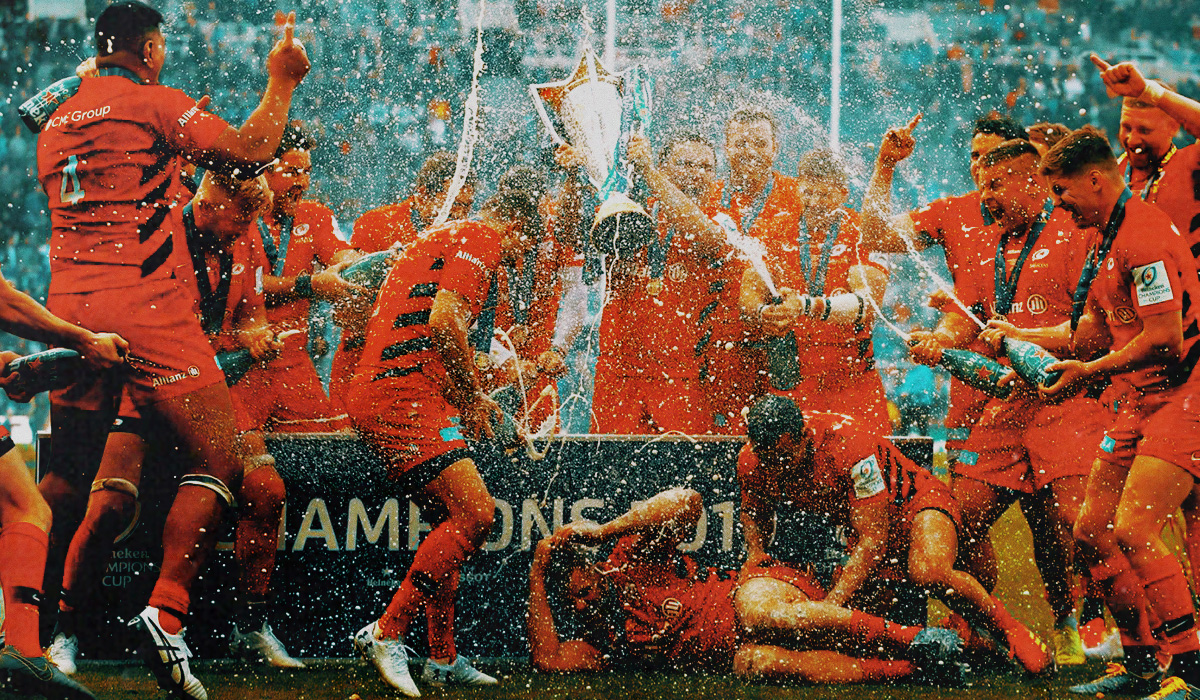
Maybe they win one or two more, along with literal back to back to back to back to back Gallagher Premiership titles at least, but the end would have come for them as a top end European force, as it always does for everyone eventually.
That isn’t to say that the Saracens of 2025 are a spent force or anything close to that, it’s just that – much like ourselves – they are all too familiar with the better days of times gone by, all while trying to restore them.
Munster: 15. Mike Haley; 14. Calvin Nash, 13. Tom Farrell, 12. Rory Scannell, 11. Shane Daly; 10. Jack Crowley, 9. Conor Murray; 1. Dian Bleuler, 2. Niall Scannell, 3. Oli Jager; 4. Fineen Wycherley, 5. Tadhg Beirne (c); 6. Jack O’Donoghue, 7. Alex Kendellen, 8. Gavin Coombes.
Replacements: 16. Diarmuid Barron, 17. John Ryan, 18. Stephen Archer, 19. Tom Ahern, 20. John Hodnett, 21. Paddy Patterson, 22. Billy Burns, 23. Brian Gleeson.
Saracens: 15. Elliot Daly; 14. Liam Williams, 13. Alex Lozowski, 12. Nick Tompkins, 11. Lucio Cinti; 10. Fergus Burke, 9. Ivan van Zyl; 1. Phil Brantingham, 2. Jamie George, 3. Marco Riccioni, 4. Maro Itoje (c), 5. Harry Wilson, 6. Juan Martin Gonzalez, 7. Ben Earl, 8. Tom Willis
Replacements: 16. Theo Dan, 17. Eroni Mawi, 18. Alec Clarey, 19. Max Eke, 20. Nathan Michelow, 21. Gareth Simpson, 22. Olly Hartley, 23. Tobias Elliott
This is Mark McCall’s fourth Saracens rebuild, which is pretty good going when you think about it. He took over in 2011 from Brendan Venter. McCall’s successes in that time almost defy belief. During his 14-year tenure as Director of Rugby, Saracens have won six Gallagher Premiership titles including back-to-back titles twice and three European Cups including a back-to-back title in 2016 and 2017.
After their relegation and dismantling in 2019, McCall did a decent job of building Sarries back up post-Championship with the core that remained post-Salarypocalypse. They even managed another Premiership title in 2022/23 – another Munster parallel – before the majority of the great core of their mid-2010s peak began to break down with injury or leave the club for handy veteran deals elsewhere. That came to a head last off-season when they parted ways with Billy & Mako Vunipola, Sean Maitland and their captain and talisman, Owen Farrell.
It’s the deepest rebuild that McCall has had to do and the first without guys like the Vunipolas and Farrells of the world and while he’s got elite talent like Maro Itoje to lean on, as well as experienced quality like Elliot Daly, Alex Goode and others, it’s a more difficult job than it was when some of the decisions were obvious.
Stylistically, Saracens are still reliant on the old fundamentals that defined them albeit intending to move with the times in other aspects. They don’t have the pack or pack replacements to be the fully off-ball, kick-pressure team that they were in their prime years but I think they will lean on that part of their game in this fixture.
Defensively, Saracens love a narrow edge blitz when the opposition is playing at range. This is a really good example from early on in their recent win over Bristol.
That hard inward blitz will fold in weaker attackers to that Saracens internal scramble so, in a lot of ways, it’s quite similar to what we experienced against Leinster last time out stylistically. The question will be what we’ll have learned from that loss.
Saracens scramble isn’t quite at the level of Leinster’s at the moment so when they give up spacing like this on the edges – especially later in the game – we have to be able to take those scores from range.
If I’m Mark McCall, I probably take a lot of inspiration from Leinster’s win two weeks ago because his current Saracens team can work on similar – not identical – principles. Even with that, they do not have a smothering transition defence, not even close, so they will give us angles to work with on kick transition. Saracens will only complete at the breakdown on the edges of the play where they feel they have a mismatch. In the middle of the field, they’ll stay on their feet and flood the channels with numbers. We can use that tendency, coupled with their narrow inside blitz, to find workable space on the outside.
This is a good example of the kind of edge spacing they give up on the edge of transition sequences after two phases;
That’s the kind of space you see us targeting quite often and Saracens give up a fair bit of space in this very spot by the very nature of their defensive system. If Saracens kick to us a lot – and I think they will – we’ll generate positions just like this.
See the way Sarries shut that outside opportunity down?
This is where we need Jack Crowley playing at his best – to unlock these moments with the right pass or an accurate kick over the top.
For me the balance of this game comes down to the kicking battle. I think we can kick quite long against Saracens without too much risk. They don’t really score tries on kick return and they rank alongside ourselves in the bottom five in Europe for dominant carries. If we can keep them hemmed in their half, they’ll kick at us and if we can control the air and retain our own lineout ball, I think we have a game that can hurt them but I think it’ll be witheringly close. Why? Because I think we have selected a team to play heavy counter-transition rugby hidden behind a lot of long kicking, while looking to attack their lineout for the full 80 minutes.
And I think they’re going to do the same.
So it comes down to who does it better, who wins the most turnovers and who takes their chances in the opposition 22.
