


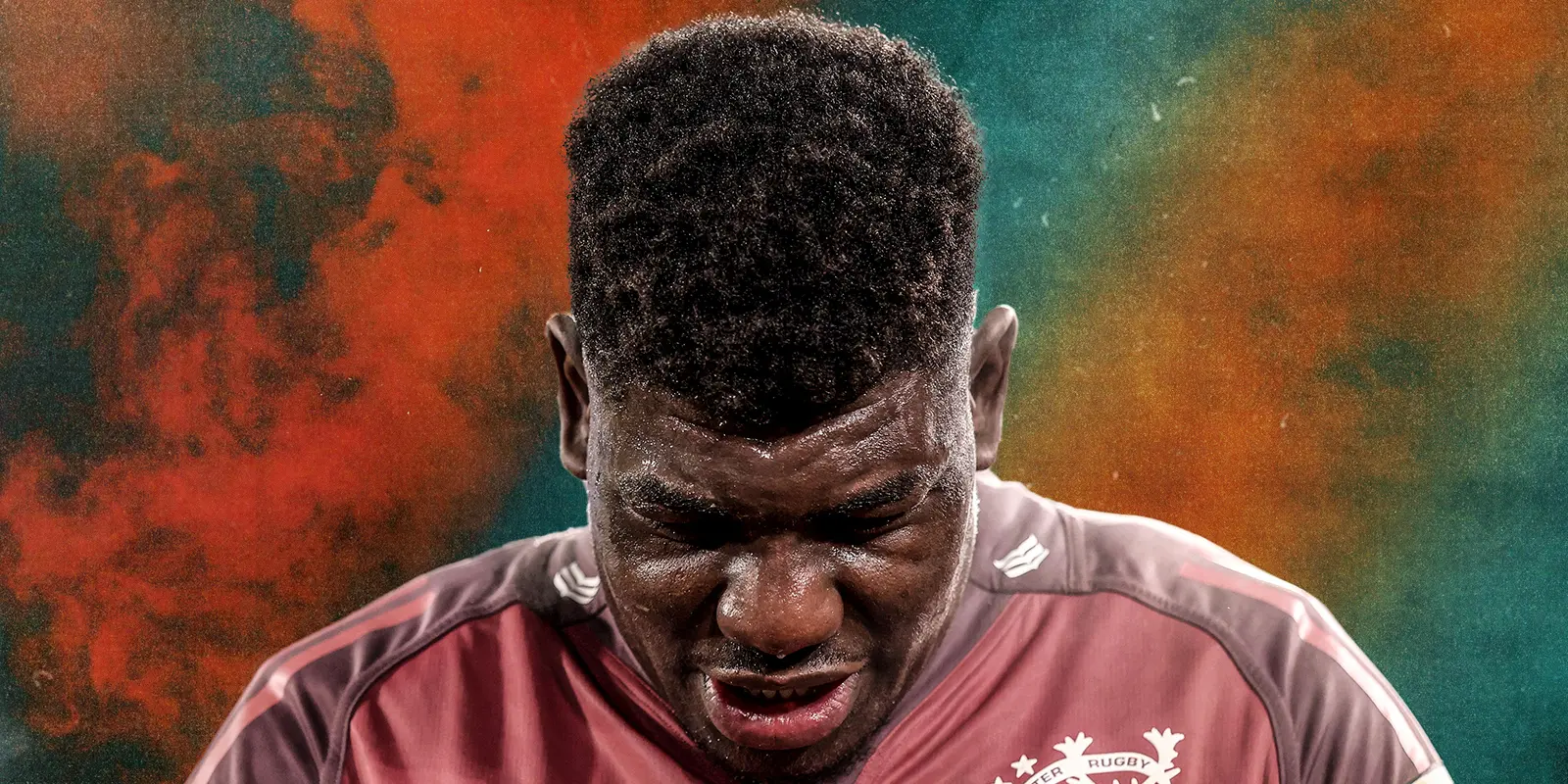
This isn’t the Wally Ratings.
That will come on Monday. There isn’t an appetite today, either for you to read it or for me to write it.
We’re out of the Champions Cup and will, instead, play in the Challenge Cup round of 16.
For now, at least, today and tomorrow, maybe even Tuesday, there is a level of broken trust between this Munster squad and the Munster fanbase. That ranges from a personal trust, essentially, that if the fans show up in Thomond Park, the players will too, to more esoteric things like belief in what we’re trying to achieve on the field, phase by phase.
That trust will come back. The memory of this loss will fade in time, as the memory of losses always does.
It’s fair to say that, right now, we look like a pretty average side who wilt in the face of any sustained physical pressure or counter-attacking threat. That’s because we are just that.
It doesn’t mean that we will continue to be — either in the short or medium term — but it does reflect the reality now. We’re in the Challenge Cup knockouts, and we’re lucky to be so. We’ve lost six of the last eight, and three in a row at Thomond Park.
You get what you deserve in this racket, eventually.
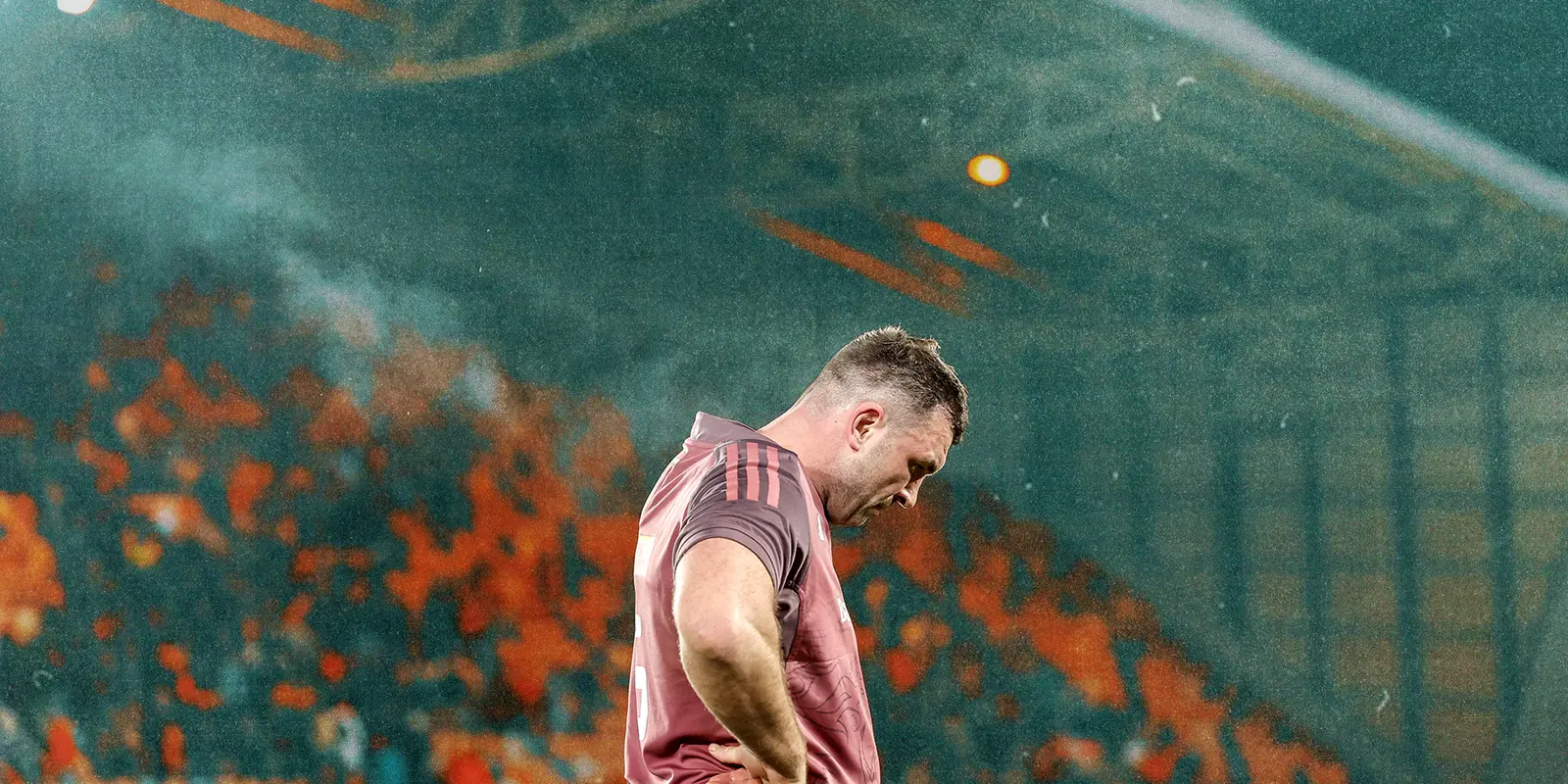
And this has been coming for a while. How familiar was that loss to Castres? Did it feel like the draw against Bayonne? Did it feel like the loss to Northampton? Or the loss to the Bulls last season? Or any other number of rabbit punches we’ve slumped to in Thomond Park after the pandemic?
Of course it did. And for broadly the same reasons, and broadly the same stylistic opposition.
Last season, it took a collapse from our URC mosh-pit rivals on tour to South Africa, plus two bonus-point wins at home to squeeze into the Champions Cup at all (by four points), before losing a quarter-final in Durban to the Sharks. Most of the guys who were playing in that stretch are still playing now.
A rebuild was necessary after most of this group’s collective high watermark in 2022/23. It didn’t happen in 2023/24 because of financial issues through IRFU funding being cut, on top of the best younger talent being a season cycle off. By 2024/25, the cracks were showing quite visibly, and it led to the poor season you all lived through, beating La Rochelle aside.
Now we’re in year zero of what will come under McMillan. Signing McMillan wasn’t the rebuild; it was the start of the rebuild. His three-year deal reflects that. One-year deals are patch-up jobs. Two-year deals are either we’re not sure about you when it’s a weaker group, or win now with a strong one. A three-year deal says, “this will take time, and you’ll have it”.
The start of the season was genuinely really positive. Five wins from five, a nice win over Argentina XV, but then the wheels came off fairly spectacularly as the level of our opposition went up and stayed up consistently. We should have beaten Castres, but the template remains — a physically dominant pack, a conservative kicking game and a contested setpiece, be it scrum or lineout, will cause us problems, especially at home where we’re trying to play on the front foot.
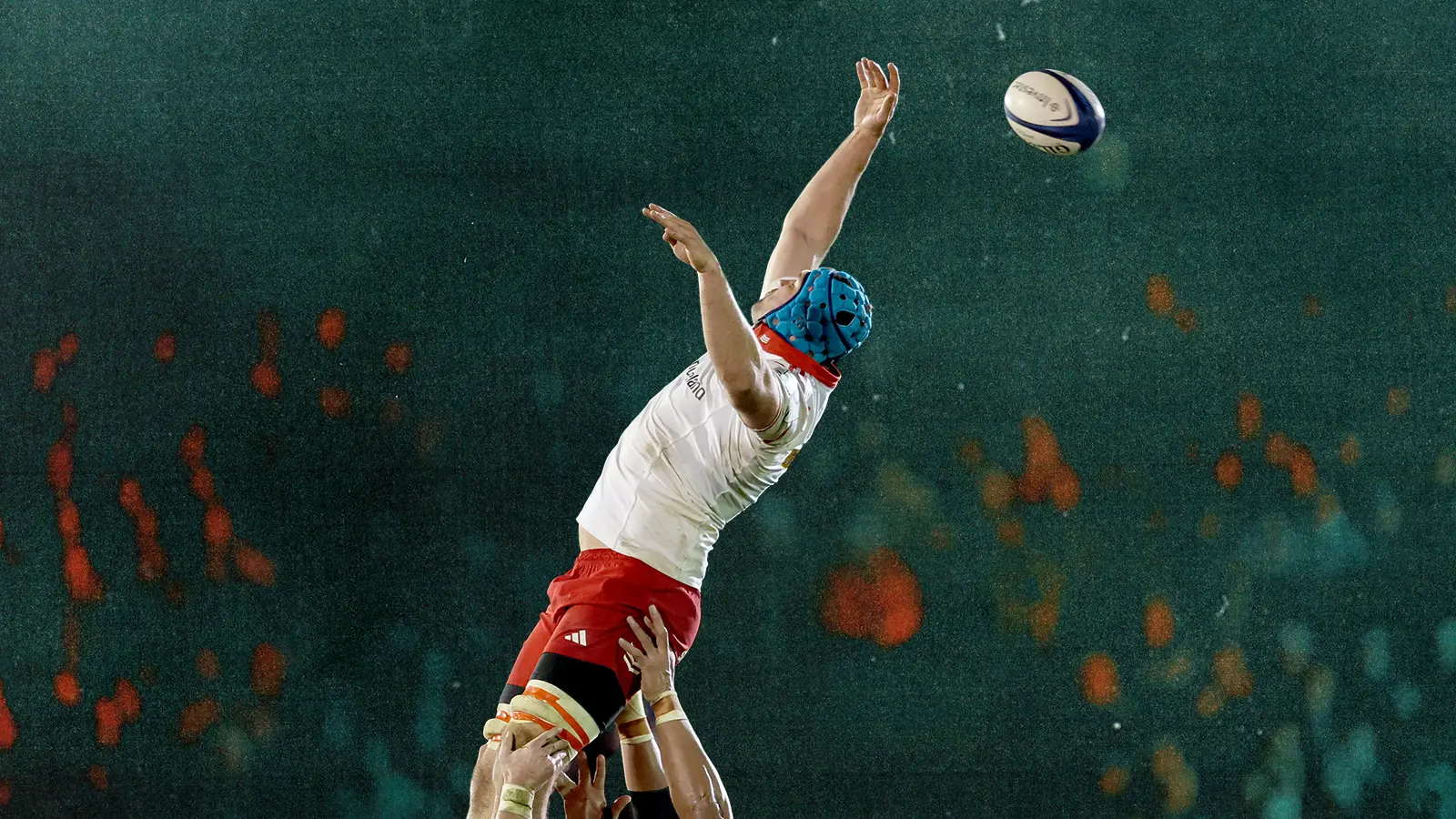
But the problem is, our handling isn’t sharp enough, which is hurt by our pack’s inability to provide a consistent platform at either the set piece or in phase play. Win a collision one phase, lose it the next, pop pass to the ground on the phase after that. It’s a common theme.
It makes us look like a stupid team, a team that doesn’t play the game as it is laid out and almost robotically scripted at times. Pass when we should carry, carry when we should pass, run when we should kick, kick when we should run. Sometimes, we are a stupid team, but the intent is that the work being done now will lead to a better, faster, and more dangerous team by the time we get all of the things we need in place on the recruitment and development side. And that team will look and play smarter by default.
What is clear now is that a good few players won’t be part of that development in the medium term. This is natural and was always going to be the case. A rebuild is as much about removing what isn’t working as it is about keeping what is, and bringing in what you know will.
That’s where Clayton McMillan will now have to learn, and no better way to find out where the weak points are than after a game like this.
Who went missing? Who isn’t quite what they think they are? Who is being hurt on-field by hidden issues in the system itself? How much of what looks awful with this team at points is down to individual units? Who really cares, and who just says they do?
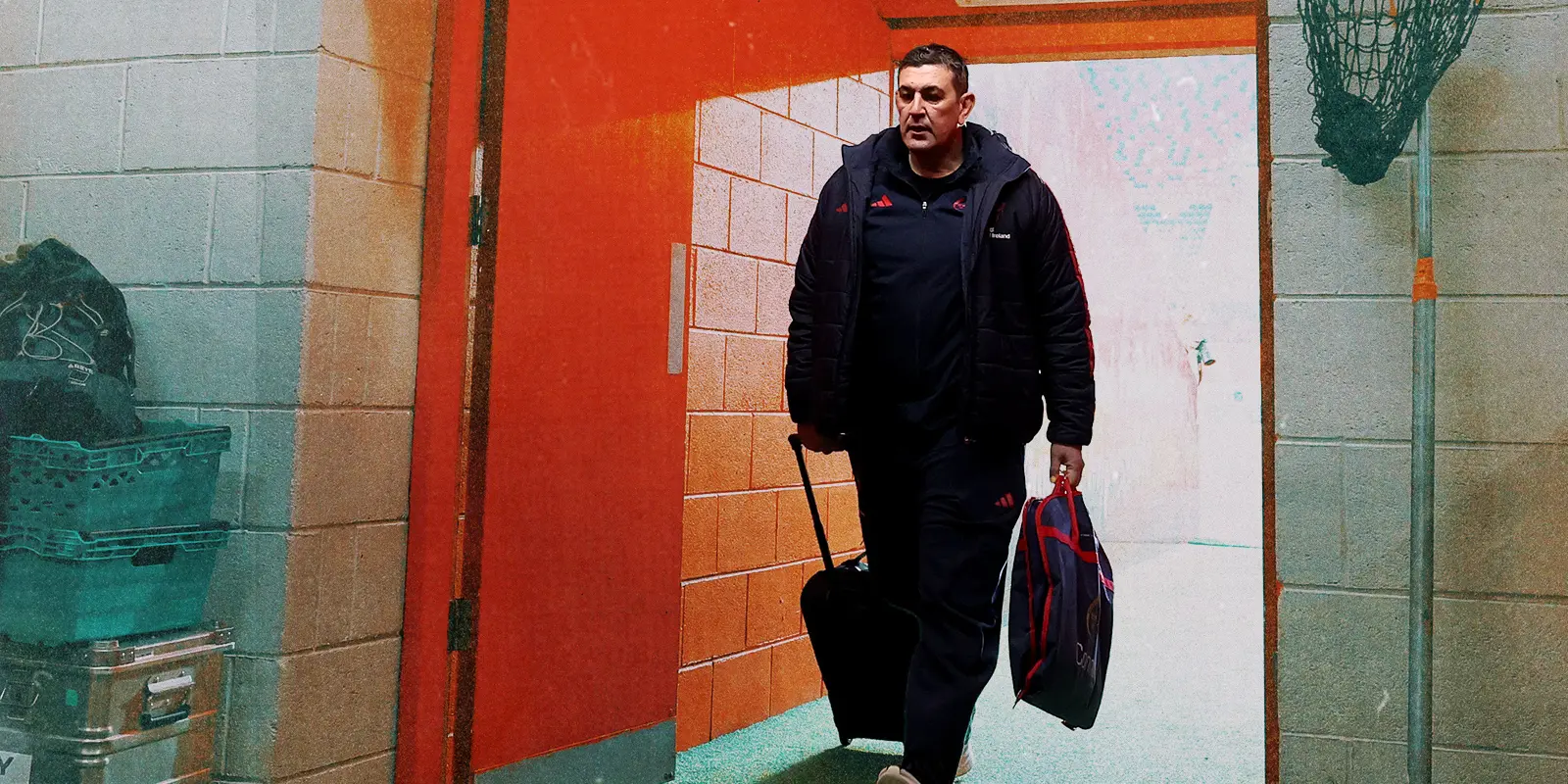
McMillan has to sniff all that out as part of his wider role of getting this province back where it thinks it should be. Right now, we’re a Challenge Cup-level team. That’s the reality. What we avoided by the skin of our teeth last May, with a scrappy win over Benetton on the last day of the regular season, arrived all the same the following January.
But for me, accepting this reality is the first step to getting the process right to change it. We have great young talent, we have special players, and we have enough good role players to buff out a strong core, if we can put that core together. I look at Glasgow in 2026, and remember what they were for two seasons in the early 2020s. Inconsistent, no clear identity. I look at Northampton when they started their journey to 2026 under Chris Boyd in 2018. Inconsistent, no clear identity. Toulouse in the early years of Ugo Mola. The same. Scarlets under Wayne Pivac in year one. The same. Connacht. Pat Lam. The same. It took time to build what they wanted.
We’re at the same point. Hurting. Miserable. No positives to take. Players fuming, with themselves and each other. Coaches asking questions of the squad, of themselves, of their decisions.
You don’t really see this part at other clubs unless you’re really paying attention. I was drinking from the bitter barrel at home — metaphorically speaking, of course, I was actually eating some outstanding Chicken Hut — when I checked my phone after the drive back. I had a great conversation with a guy that I’ve come to know through this racket in the last few years. A veteran of Toulouse in the mid-2000s. He doesn’t have a Wikipedia page.
He detailed to me how difficult it was for Toulouse between 2012/13 and 2017/18, when it seemed like they were flat on their arse. In 2015, Toulouse hired Ugo Mola as head coach after a bad last few years under Guy Novès, who left to coach France. For three seasons, Toulouse got worse. There were many problems at the club — more than at Munster now, way more — and it took time to make the changes that Guy Novés had left to rot, and it would not be done in a month, or a year.
As he put it, Mola must séparer le bon grain de l’ivraie.
That takes time. And patience.
In 2016/17, they were hammered by Munster in the quarter-finals of the European Cup and finished 12th in the TOP14, meaning Challenge Cup rugby the following season.
That summer, ahead of 2017/18, they released 14 senior players; most considered legends of the club, stalwarts or high-profile signings that hadn’t really worked out. He sent me the list of players who left that off-season.
The biggest skill any head coach can have is reading people and understanding people. Who’s all talk? Who actually puts the team on their back? Who’s low on confidence? Who is dragging others down? Who is lifting everyone up? Who is helping us? Who is not?
Everyone’s flying it in preseason. It’s easy to be good then, but it’s on a run like this that you really see what’s what.
But that’s what a rebuild is. It’s messy. Things get broken.
We’ll only know if it’s been worth it at this point next year.
Let’s hope it is.
