


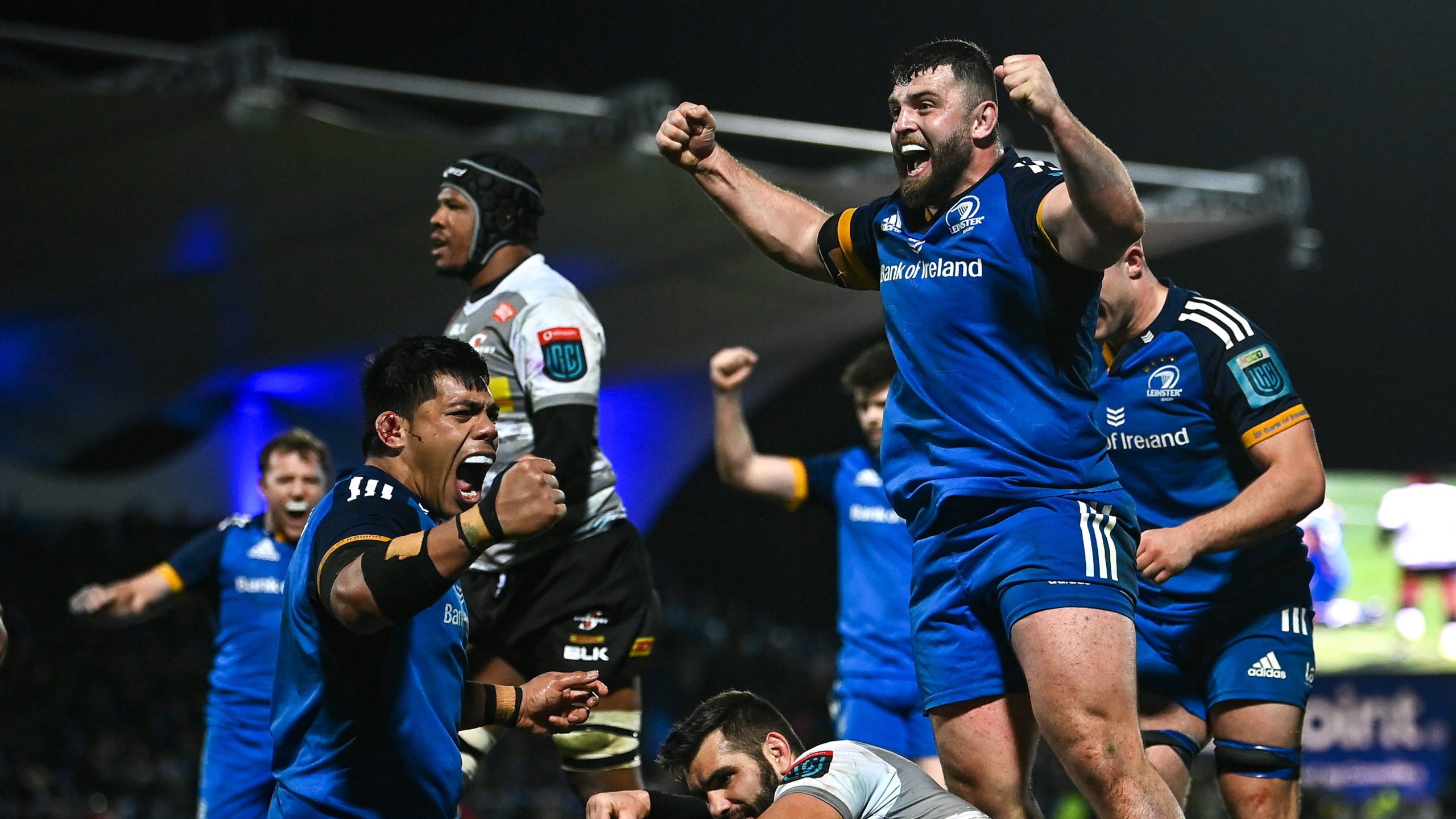
Signing Irish-qualified players from outside Ireland is pretty easy.
If you have the draw and the money relative to the player’s stature, you can normally make a decent play to bring the player back to Ireland.
A lot has been made about the IRFU’s Player of National Interest program when it comes to these players but they shouldn’t be confused with central contracts. The water has been a little muddied on that in recent weeks but it comes down to simple mathematics; the IRFU paying for the entirety of a player’s contract (that you then get access to for free) is better than having the IRFU pay a portion of a player’s wages with you paying the majority out of your, quite limited, provincial budget.
Free is always better than reduced price.
That isn’t to say reduced price isn’t a good thing – it is – but it’s not free.
When you get a top player for free – or multiple top players for free – it allows you to spend the money you might have spent on them from your, again, limited provincial budget on the next group of players in the chart. These are the players that, without central contracting, would be most in danger of getting picked off by the other provinces first and then clubs in England and France.
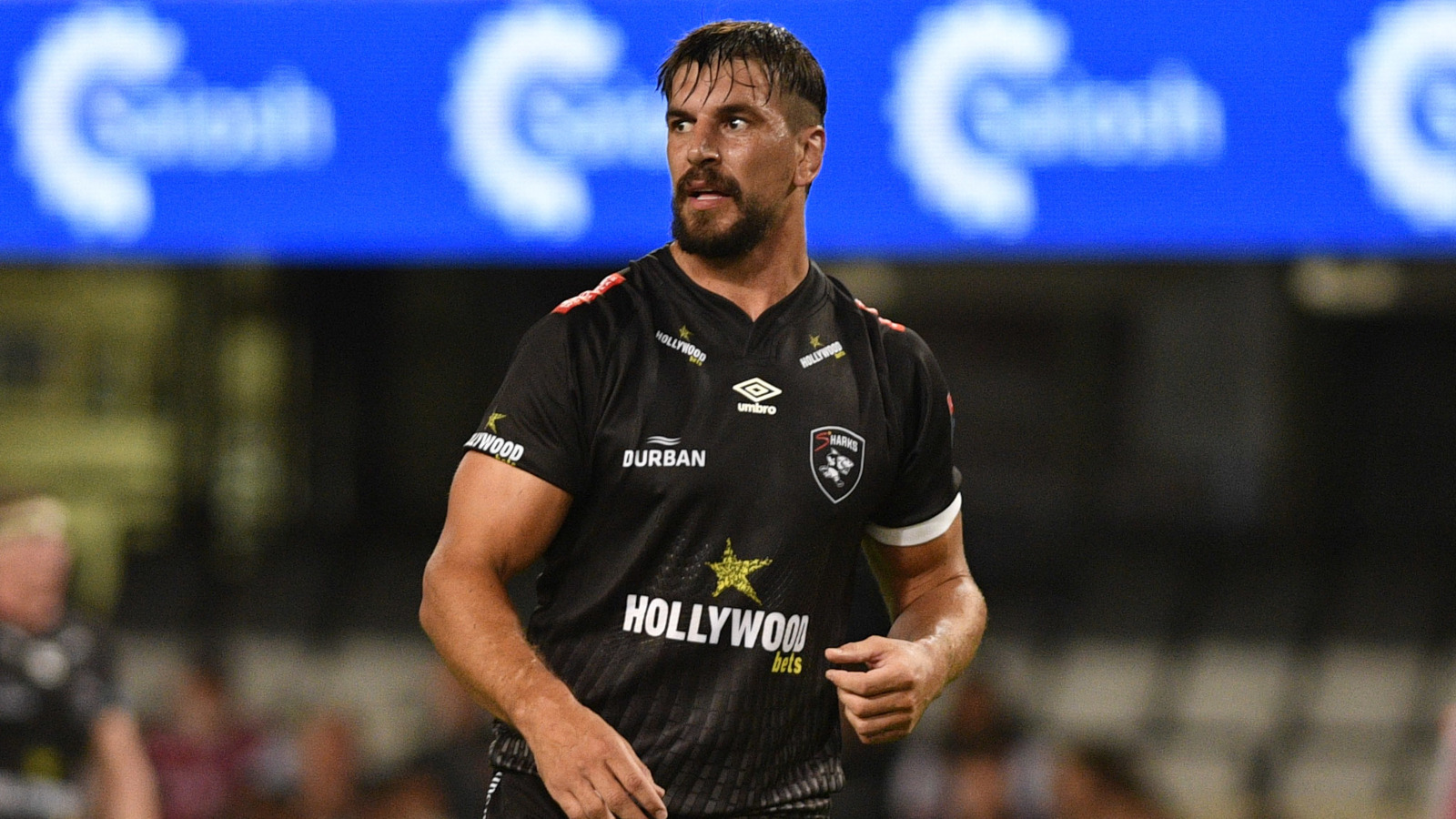
I’m talking about Leinster here, obviously, because they are the most pertinent example in Ireland right now. As a brief aside, you can get a look at what having a tonne of internationals in a semi-closed market without central contracting looks like by checking out how the Sharks are doing at the moment. All top end and no depth but when you’re paying Bongi Mbonambi, Ox Nche, Eben Etzebeth, Vincent Koch, Lukhanyo Am and Makazole Mapimpi out of your own budget, there isn’t a whole lot left to go around on the kind of depth that wins you things consistently.
Central contracting to the level that we’re seeing in Leinster means you get to contract two teams – one that’s 40% funded by the union, and one out of your provincial budget. Leinster’s Category A matchday 23 for a knockout game next season would be, in all likelihood, something like this with the centrally contracted players in bold;
15. Hugo Keenan; 14. Jordan Larmour, 13. Garry Ringrose, 12. Robbie Henshaw, 11. James Lowe; 10. Ross Byrne, 9. Jamison Gibson Park; 1. Andrew Porter, 2. Dan Sheehan*, 3. Tadhg Furlong, 4. RG Snyman, 5. James Ryan, 6. Ryan Baird, 7. Josh Van Der Flier, 8. Caelan Doris
Replacements: 16. Ronan Kelleher, 17. Jack Boyle/Paddy McCarthy, 18. NIQ, 19. Joe McCarthy, 20. Jack Conan, 21. Fintan Gunne, 22. Sam Prendergast, 23. Jamie Osbourne
* Dan Sheehan isn’t officially on a central contract yet, but he will be by next season.
Every player in bold helps to fund the players alongside them and behind them, which makes for one of the deepest squads in European Rugby history.
Don’t mistake this for whinging either – the system is the same for everyone and Leinster have reaped the rewards of what is probably the greatest stretch of player production in a five-year period that European rugby has ever seen and arguably the best in recent world history.
Between 2014 and 2019, Leinster produced James Ryan, Andrew Porter, Tadhg Furlong, Ronan Kelleher, Garry Ringrose, Hugo Keenan, Caelan Doris, Josh Van Der Flier, Dan Leavy and Jack Conan. All multi-capped internationals, all arguably Lions tier players and they’ve backboned the Irish team since the late 2010s. I’ve included Dan Leavy there because, for a while, he looked like he was the best of the lot before injury robbed him of a potentially generational career.

So the central contracts that Leinster have at the moment are all earned. I don’t think you can tell me any of the players currently or about to be on central deals don’t deserve them.
But, as I wrote a few days ago, the sheer number of central contracts that Leinster have relative to the other provinces at the time of writing has created a weird form of artificial gravity within the Irish ecosystem. That artificial gravity, in my opinion, is working against the natural outcome of a dominant team within that ecosystem, which is; Talent Drain Due To Lack of Money and Lack of Opportunity.
Again, though, that isn’t changing anytime soon so there’s no point in complaining about it – that isn’t the purpose of this article. Because of Leinster’s central contract volume, they have a lot of provincial budget to work with to keep players for two, maybe even three contract cycles more than they would normally.
When it comes to rugby players, most guys under 25 are happy enough to stay in their home province to see how things are shaking out if they’re not immediately starting in big games. Remember, your usage in those big games is directly tied to your contract value and because most players are on one or two-year contracts in a game notorious for short careers, sooner or later you need to be playing the games that are going to get you paid the most money possible.
There are a few outliers to this.
Robbie Henshaw: When Henshaw decided to move to Leinster in 2015/16, it was up there with one of the most controversial interprovincial moves of the 2010s but, in a way, it was somewhat inevitable – if a little unfortunately timed. Connacht won the PRO12 that very season in a final against… Leinster.
When Henshaw made his debut for Connacht as a 19-year-old and then his Irish debut a year later, it was clear that he was a pretty special talent and a rare physical specimen. In 2015 at 23 years of age, Henshaw had turned into a core starter for Ireland during the Six Nations at #12 and did the same at the 2015 World Cup, in a contract year for him at Connacht.

He already looked like he’d outgrown Connacht, such as they were back then so there was a choice for him to make – Munster or Leinster. At the time, Munster were quite confident that they’d won the race for Henshaw for a time. You’d hear chatter about how we’d agreed to let him stay in Galway and commute to Limerick but who knows how true those rumours are. Henshaw picked Leinster for family, relationship and professional reasons.
“For myself, it was just a couple of personal things. My girlfriend is in Dublin and I have family in Dublin. I just feel it’s a new stage for me, a complete change for my career. There’s nothing negative at all, it’s just what’s best for Robbie Henshaw.”
“To be able to learn from guys like him, Seán O’Brien, Cian Healy, guys with 60-plus caps for Ireland, will benefit me in the long term. I think Johnny alone is an unbelievable player and I learn a lot from him just from being in Ireland camp. To be with him every day will be good.”
At Leinster, Henshaw would play outside Johnny Sexton so there was a clear rationale from an Irish perspective but there was also the fact that Leinster were, frankly, a bigger club on the European stage.
To be fair to Connacht fans, they felt that, after a year when they finally looked like winning something, they were being strip-mined of their best talent by Leinster, just as they were with Sean Cronin, Jamie Hagan, Fionn Carr, Mike McCarthy and Michael Kearney. If anything, this was worse because Connacht didn’t produce any of those players – all were signed from Munster, Leinster or abroad – so losing Robbie Henshaw in the same way to the same team was the ultimate kick in the teeth.
At the time – my first year doing TRK – there were several competing rumours around the provinces about this controversial move. The main one was that the IRFU were willing to offer Henshaw a central contract… as long as he stayed at Connacht. These kinds of rumours tend to make their way around the place in situations like Henshaw’s because they make the union look good. This happens quite a bit when controversial moves happen internally because the IRFU can’t be seen to be favouring one province over the other.
And when it was all but confirmed that Henshaw was getting a central contract and moving to Leinster regardless, Connacht fans would have felt proven right in their cynicism, despite Henshaw himself trying to dampen those flames down.
The 22-year-old Connacht centre has been upgraded to an IRFU international contract and on foot of the Irish squad returning from Paris he notified his provincial teammates of his decision to join Leinster.
It is understood that Henshaw has agreed to a two-year international contract and given Leinster are not permitted to outbid Connacht in the financial terms of his deal – whether on provincial or central contract – Henshaw’s decision is entirely rugby related.
Leinster, on the other hand, were getting one of the best young midfielders in the game for free, essentially so were naturally delighted that they had managed to pair Henshaw with Garry Ringrose. They felt that midfield would power them for the next 10 years and they were right.
The other recent outlier – besides Andrew Conway who moved when Leinster’s financial situation was radically different – was Joey Carbery.
If Henshaw’s move to Leinster was controversial, Carbery’s move from Leinster to Munster was a scandal, or close enough to it. It feels like the drama from that transfer in 2018 was so profound that there hasn’t been one since (and Snyman doesn’t count, in my opinion).
Joey Carbery moved to Munster mid-contract with Leinster after weeks of rumours linking him to a move to Ulster. Either way, it seemed like his future would be away from Leinster after a whirlwind two seasons where he went from the AIL to one of the most exciting flyhalves in Europe during his breakout season in 2016/17. Once it became clear that Carbery could, potentially, replace Johnny Sexton the IRFU and Joe Schmidt, in particular, began to wonder if backing up Johnny at Leinster was the best use of Carbery’s talent.

When Johnny was fit he started the real games but back in 2017/2018, the prevailing idea was that Sexton would, in all likelihood, finish up sometime after the 2019 World Cup. With Paddy Jackson’s behaviour rightly removing him from test consideration, finding a backup to Sexton was of national importance and Carbery’s emergence mid-way through the World Cup cycle was perfect timing.
Schmidt believed that Joey Carbery would never push on to the level that Ireland needed him to be if he was a backup to Sexton at Leinster, something we know to be true by Sexton’s usage since 2018. That was Johnny’s team and anyone who wore #10 that wasn’t Johnny was merely clomping around in his shoes until Daddy came home.
So, prodded by the IRFU, a move was looked at for Carbery who was amendable to the proposal. Look, either way, he was getting paid and when an iconic Irish head coach tells you “Look, we think you can be Ireland’s starting #10 in two years if you move to Munster or Ulster” you’re being told that staying at Leinster to wear #15, #22 or #23 is probably a bad idea for your prospects. You know, because of the implication.
Carbery agreed to the move, it made sense to the IRFU so he was moved mid-contract to Munster on the same money before Munster bumped him to a massive provincial extension a few months later to nail him down. It was smart business for Munster because Carbery was a cert to move onto a central contract post-2019 so whatever Munster paid him before that – for a year or two at most – would be repaid down the line when we’d be getting him for free. Munster could have been paying him €300k a season and it wouldn’t matter. Let’s say he was on a provincial deal for two years before Carbery got put on a central contract, that would mean Munster would essentially pay €600k over two years for an elite #10 that could be the #1 guy for club and country for the next 8 years at least.
But it didn’t turn out like that. Carbery’s long-term injuries – which all started when he was in Ireland camp – torched his prospects of moving onto a central contract anytime before 2023 and at that stage, Ireland had moved on.
Munster’s gamble didn’t pay off and Joey will leave at the end of this season for pastures new – something that benefits him, his family and Munster.
These two moves show you the complexity involved in these transfers but one thing is always true – with the right playing and financial incentives, any player can make a move.
Lack of Money and Lack of Opportunity
The Irish-qualified player market regarding transfers inside Ireland is a labyrinth of competing motives between each province, the Irish High-Performance Unit and the IRFU itself. Leinster’s artificial gravity means they can usually, bar exceptional circumstances, keep all of their 1B and 2A players.
The upcoming contract decision with Dan Sheehan and Ronan Kelleher is a really interesting example of the dynamic I’m talking about. Kelleher is, without question, one of the best hookers in Europe and he’s off-contract at the end of next season. Kelleher is most likely on a significant provincial deal since he re-signed with Leinster last season.
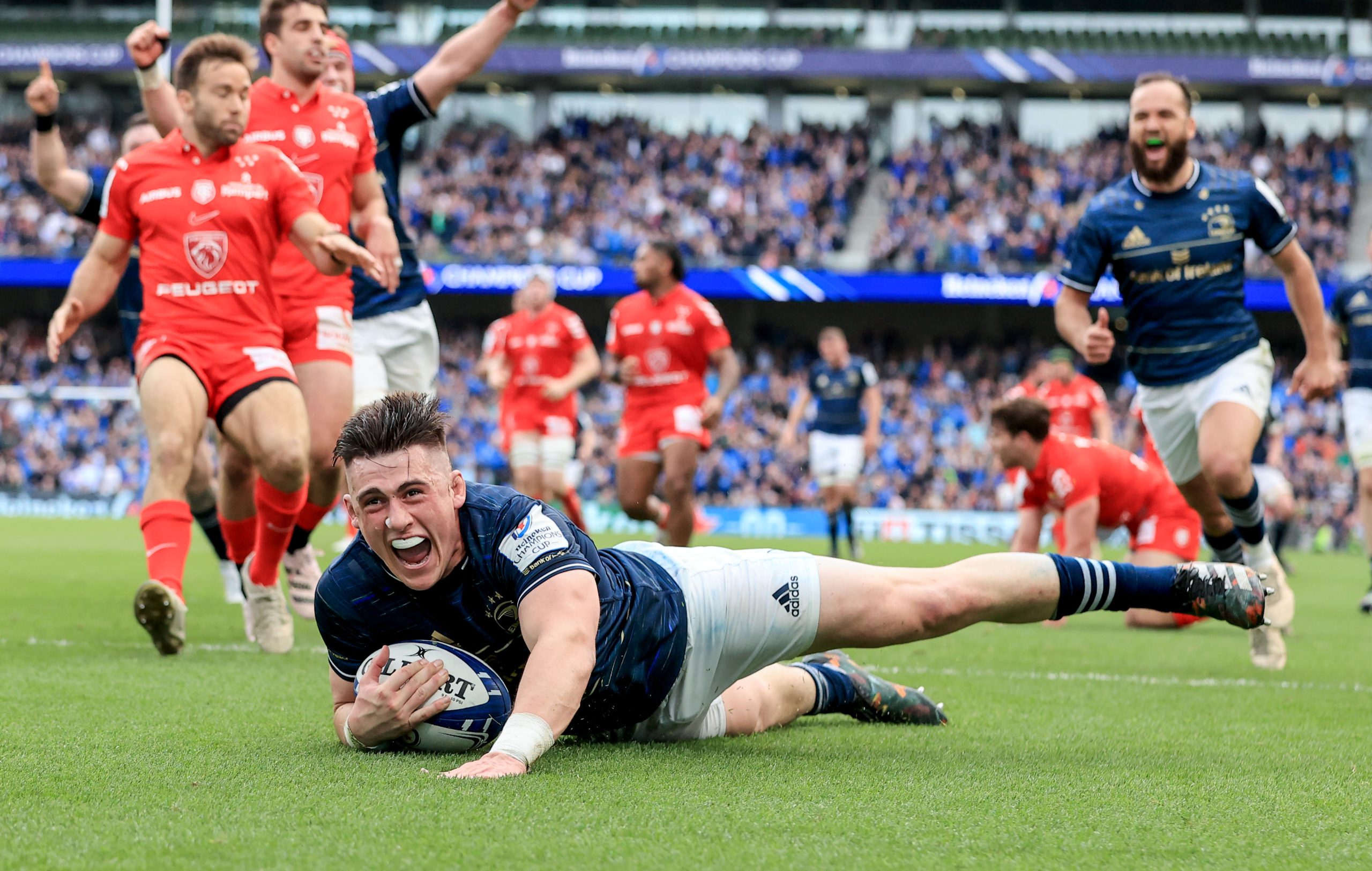
Dan Sheehan, who signed a two-year deal in early 2022 right before he broke out as, legitimately, the best hooker in the game or close enough to it, is out of contract this season. Leinster’s valuation of Sheehan was a little inflated due to heavy interest from Munster around that time but it pales in comparison to what his contract would be worth today. It’s almost a certainty that Sheehan is in the conversation for a central contract given his stature in the game in 2024.
There is Malcolm Marx, there is Bongi Mbonami, there is Dan Sheehan and then there is everyone else.
Now if for some bizarre reason, Sheehan isn’t talking to the IRFU about a central contract – let’s say that David Nucifora has said that Leinster have to contract Sheehan themselves because they have enough central contracts as it is – then straight away, you’re looking at a massive problem that plays out over the next two contract cycles.
If you have to pay Sheehan €450k to keep him on a two-year deal this season, let’s say, and then look at Kelleher’s deal in September 2024, all of a sudden you’re committed to the guts of €700k provincial money a year on your 1A and 1B hooker who will both be heavily involved at Ireland level. How much do you have to spend on your 2A hooker in that scenario which, given the attrition in the position, is an underrated role in the squad? And then how do you retain talented youngsters when so much of your money is tied up at the top of the depth chart?
To be clear, Leinster won’t have to make these hard decisions because I’d be stunned if Sheehan doesn’t get a hefty central contract this season. Kelleher’s contract next year could well be tricky in that scenario but Leinster will have the money to spend on him and their 2A guy because they won’t be spending €450k on Sheehan.
So what does this have to do with the Irish Qualified market?
Well, Leinster is the obvious IQ Player Superstore in Ireland at the moment, even with the artificial gravity of the central contracts – you just have to pick the right players. Leinster are great at retaining the 1B players and high-potential youngsters so the key to getting a good player is to spot the undervalued 2A players who might be 1B+ players for you. Essentially, you’ve got to spot the guys who have test guys ahead of them but who are there long enough to realise that they’ve got young lads that Cullen likes coming up on rails behind them.
One of Leinster’s biggest successes in the last few years is ensuring that they don’t lose a Caelan Doris just to hang onto a Jordi Murphy so chasing a Jack Boyle, Paddy McCarthy, Jamie Osbourne or Sam Prendergast is something of a fool’s errand.
No, to get value out of Leinster you have to find the guys getting squeezed by those players from the bottom while they’re also bumping into a glass ceiling at the top.
1: Ciaran Frawley
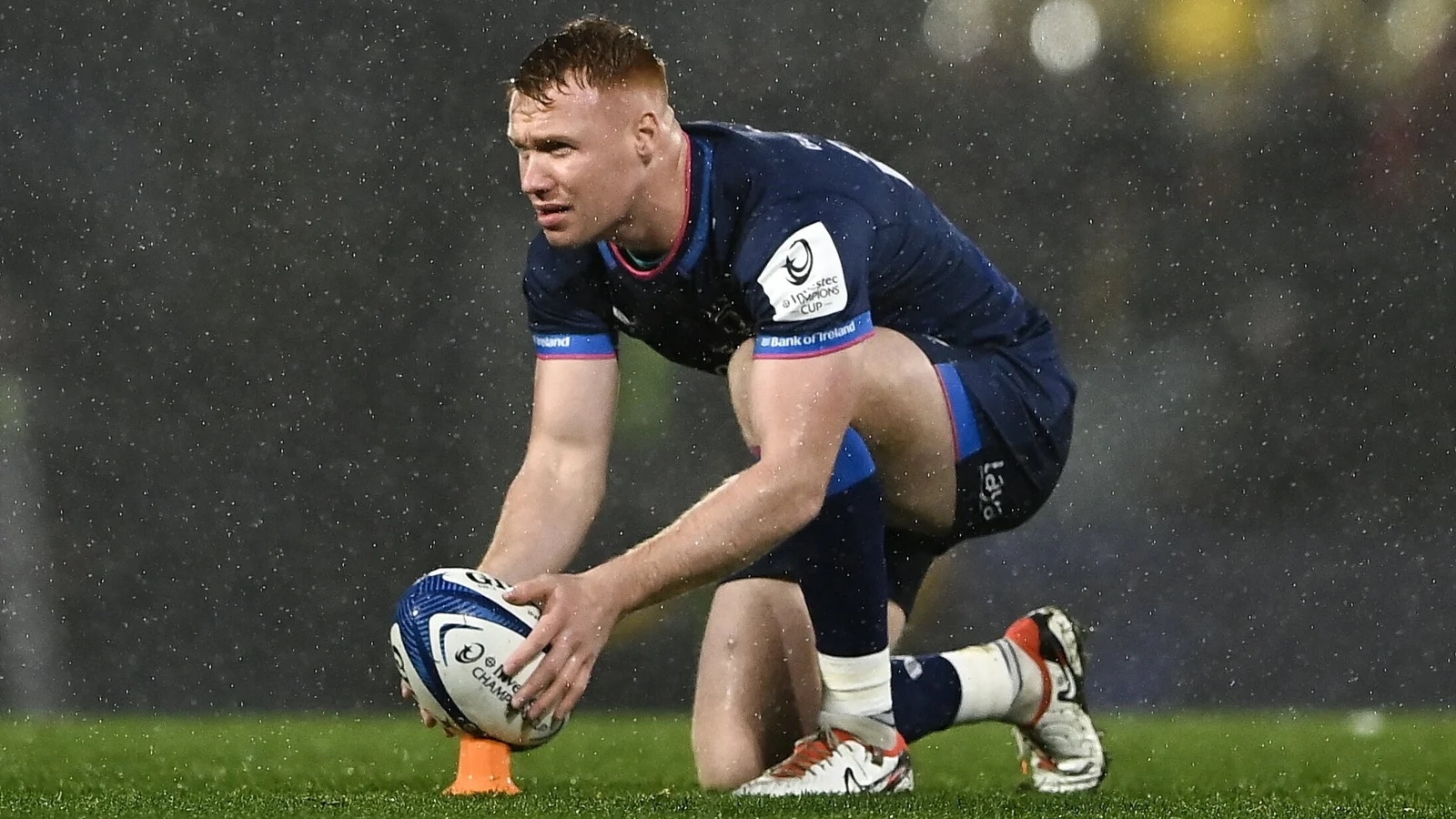
Role: #10/Inside Playmaker
Age Next Season: 26
Contract Status: Expiring
Attainability: 6/10
System Fit? Yes
Is Ciaran Frawley available? You’d have to think so, right? Despite the goal-kicking heroics produced this season, it feels like Leo Cullen would rather anyone else playing at #10 ahead of him which is unfortunate, because it’s the position that Andy Farrell feels Frawley offers the most nationally.
Cullen has used Frawley as a utility back for the majority of his Leinster career with starts at centre, flyhalf and fullback and bench usage in all three positions. That’s a testament to Frawley’s physicality and versatility but does he come under our criteria of being a good 2A player under pressure from below with something of a glass ceiling ahead of him?
I think he is.
If you look at #10, Cullen seems to prefer the reliability and stability of Ross Byrne and you’d have to be daft not to see the hype train building around Sam Prendergast. That’s a squeeze.
If you look at #12, he’s got Robbie Henshaw ahead of him on a central contract with two full seasons left to run and Jamie Osbourne, a prodigiously talented Leinster system fit coming up behind him. Squeeze.
Even if we count his habitual usage at fullback, he’s got Hugo Keenan ahead of him there in the long term so the best he can look forward to as it currently stands is the #23 jersey. That might have been appealing on his last contract – when Munster were also interested – but as he heads into this next contract knowing what he knows at both Leinster and test level, he might feel he’s better suited looking elsewhere to make sure Andy Farrell doesn’t move on from his current interest in him.
Ulster is a natural fit in that they perennially seem in need of a #10, even with Burns and Flannery going well this season. He could rightly negotiate a very good deal to move there next season as their new starting #10.
Would Munster go back in for him? Carbery’s heading off to France at the end of this season you could make an argument that Frawley as a competing 1B with Crowley is good business. When you also consider that Frawley could act as a perfect system fit in midfield outside Crowley as an inside playmaker with decent physicality, you’d nail down a good 1B at #10 and a new 1A to build around in midfield. Will we get Nankivell for a second contract? Will we be able to keep Frisch for another deal if Farrell has no intention of using him at test level as seems to be the case for the first two seasons of his contract? We’ll know next season when both are heading into a contract year. Signing Frawley could simplify a complex problem in two positions for relatively affordable money.
2: Michael Milne
Role: Loosehead Prop/Heavy Support Forward
Age Next Season: 25
Contract Status: Expiring
Attainability: 8/10
System Fit? Yes
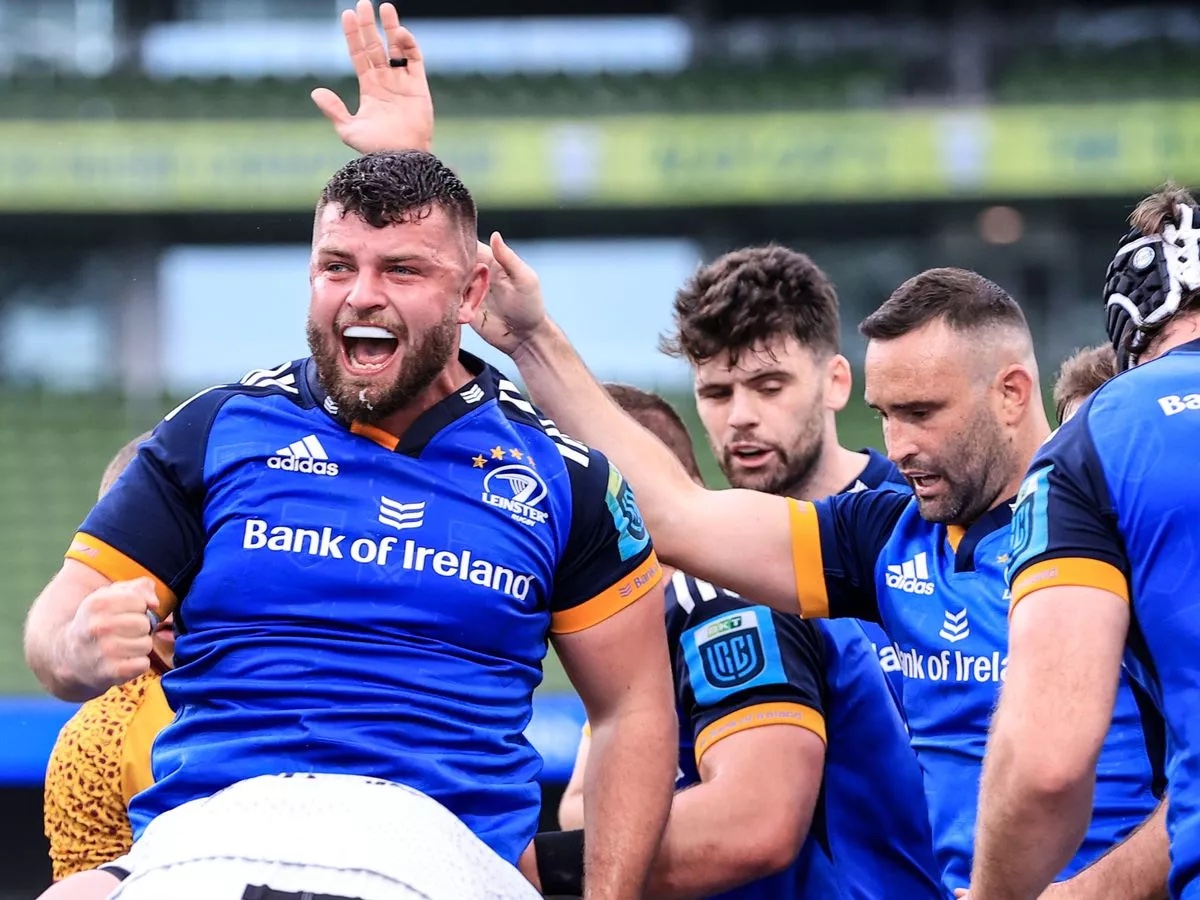
When you’re looking at a squeezed 2A player, they don’t come much more compressed than Michael Milne. He’s currently got Andrew Porter and Cian Healy ahead of him with Ed Byrne marginally ahead just with his test experience.
Behind him? Jack Boyle and Paddy McCarthy. Two of the most high-profile young forwards in the country. Leinster can’t risk either Boyle or McCarthy getting iced out – to the point that I have a sneaking suspicion that they’ll try to move McCarthy back to tighthead so they don’t eventually have to pick between them in the next two seasons – so that means Milne is in a tough spot.
Is he worth signing? Yeah, I think so. He’s got good size for a loosehead without being a super-heavyweight. He’s a decent scrummager, a good power finisher from close range – something we don’t have in the squad at the moment outside Coombes – and would be relatively affordable as a depth signing.
If we accept that Loughman is our 1A loosehead from now on and that Kilcoyne has likely played his last game for the club, that leaves an obvious space for a signing. Will we get dispensation for an NIQ loosehead? Possibly but the market is difficult at the moment when it comes to signing the profile of player we need; a super-heavyweight power forward.
In that circumstance, adding a guy like Milne might make sense to compete with Wycherley – who the jury is somewhat out on – and be a stable player to pair with Hadden in the academy from next season.
From outside Ireland, there’s only one Irish-qualified guy that stands out to me.
3: Ultan Dillane
Role: Half Lock Power Forward
Age Next Season: 31
Contract Status: Expiring
Attainability: 5/10
System Fit? Yes
Munster trying to sign Tralee’s Own Ultan Dillane is probably the oldest rumour of the modern era. Is this year the year? I don’t know, but I’m ready to be hurt again.
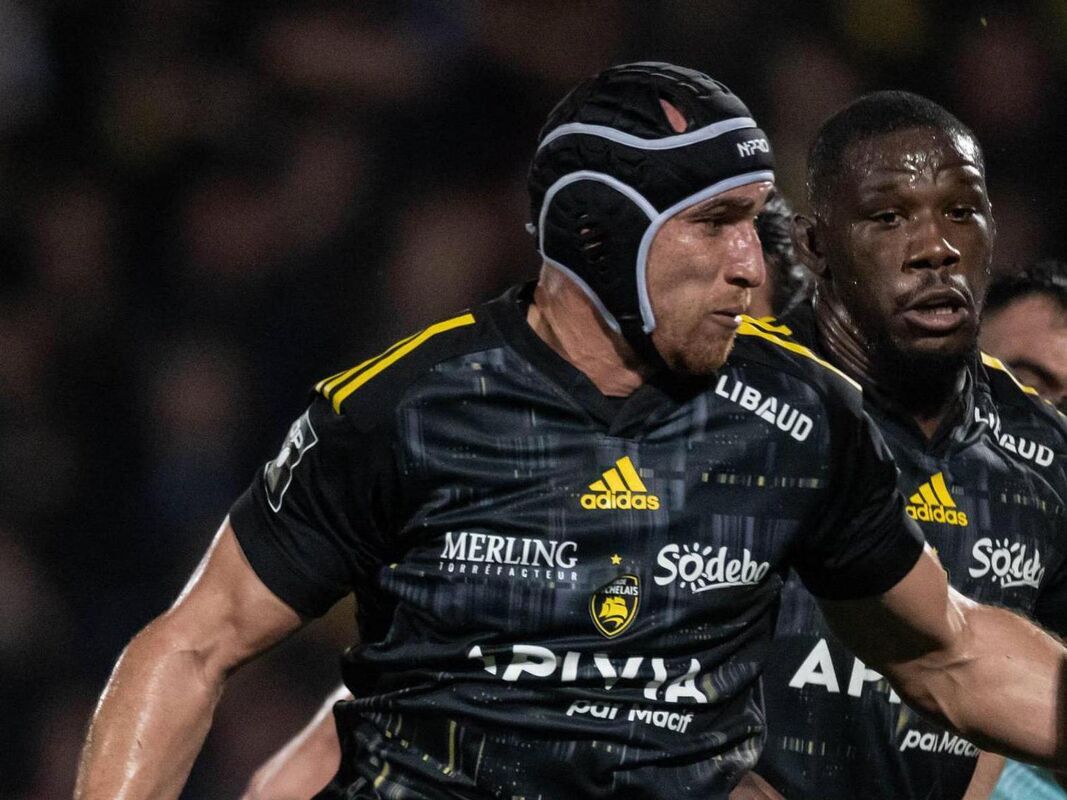
Ultan Dillane is Munster’s biggest-ever academy miss without a shadow of a doubt. In 2014 he was offered a sub-academy spot with Daragh Moloney being offered a full academy place ahead of him at lock. Munster liked him, just not enough to get him fully into the academy system. Connacht, on the other hand, offered him a full academy contract and because he wanted to help out financially at home, he signed out west and never looked back.
“My mom had been driving me so much to Cork and Limerick to get to training sessions. I couldn’t get too close to the Munster set-up then because I was so far away from my potential teammates. As much as I would have loved to have played for them at the time, on top of the fact that they couldn’t offer me an academy contract, I felt I needed to help out in some way. I asked an agent for some advice and he told me that Connacht were getting some good players in and it could be a good place to have a future as a rugby player. It was a tough choice.”
Dillane wanted to play for Munster but we went in a different direction. Had he stayed at Munster and everything else worked out the same, the Tralee man would be Munster’s most capped Irish second row since Donnacha Ryan. The existential dread I felt at that stat when I looked it up was only matched by the image of Peter Malone floating around my head saying “We’ve only got a place in the sub-academy for you Ultan but we’ll see where we’re at in the Spring” until I throw up.
Since leaving Connacht for La Rochelle, Dillane has been a heavy-hitting presence in the back five – often deployed in the wider attacking role that we’ve used Ahern in over the last few weeks. If, as rumoured, Peter O’Mahony departs at the end of the season – and even if he doesn’t – Dillane is the perfect guy to cover role set differential of Snyman, alternate with Ahern in that wider half-lock role and even slot in alongside the likes of Wycherley and Beirne to add punch to smaller rotations. He’d also make for a powerful bench replacement in super-sized lineups.
However you’d use him, Dillane would become an immediate Category A regular and, arguably, put himself back in the shop window for test rugby. He’d be my #2 target after a hooker.
