


I’ll get into it immediately so we can get the preamble over and done with.
Here’s an easy answer for why there is currently a fair bit of ill-will between Leinster and the other three provinces and the IRFU in general.
Most mainstream rugby journalists don’t want to name this for what it is, so I’ll do it for them. In short, the main issues can be summed up in four categories: Andy Farrell’s selection policy since the pandemic, former Performance Director David Nucifora’s handing of the professional game in Ireland for the last ten years, IRFU provincial funding via central contracts, and how these things all collided with the inadvertent creation of a super province.
In the last three years post-pandemic, all four provinces have seen their base funding from the IRFU cut—not just Munster, Ulster, and Connacht. However, in this same three-year period, Leinster has effectively had its budget increased due to a concentration of new central contracts brought in during a time when it’s never been harder to get new faces into the Irish national team, all while other provinces have lost central contract players.
Why is this important? Under the old system until last season, central contracts were essentially “free” players that a province would get outside of their provincial budget as they were paid directly via the IRFU. There was a process in place to charge “rent” to the province for the use of that player but that was rarely chased up in the modern era.
The more players you had on central contracts, the more wiggle room you had with your provincial budget. By way of an example to get your head into it properly; if Munster’s budget for 2018 was €9m per annum and we didn’t have O’Mahony, Stander, Murray and Earls on central deals, we would have to pay them out of that €9m rather than include them outside of it.
So if we throw a base price of €500k per year onto all of them – just as an illustration to help my C in Pass Level maths from the Leaving Cert because Murray was certainly on way more than that – it takes €2m off our budget on just four players leaving €7m for the rest of the squad. Would there be scope to pay Beirne what he wanted and deserved at that point*? Or Carbery? Or Conway? Or Kleyn? Or Cloete? Or Kilcoyne? And if we did cover those guys – and Carbery was reportedly on 350/400k just on his own – what would happen to the layer below? You run out of money eventually just keeping a workable level of depth to even be able to train, never mind cover games.
* I didn’t include RG Snyman and Damian De Allende in this conversation as they were being paid by private funding.
And this is where the problems begin to converge as we head into 2025.
The Infinite Money Glitch
As the number of central contracts began to converge in Leinster post-2020, it led to an odd situation where their effective budget went up while others went down. This is due to the fact, and it is a fact, that they have incredibly good players who mostly came through around the same time in the mid-2010s, right when the two other main provinces were going through something of a slump in academy production.
This resulted in the post-2020 Irish team being dominated by Leinster players, which meant more central contracts, which meant the very real perception amongst the other provinces that their budgets were being cut and then essentially being poured into Leinster by then Performance Director David Nucifora. Nobody claims that the players aren’t deserving of the central contracts such as they were at the time, but the issue was the distorting effect it was having on the direct funding of the other three provinces. They were being told that, on the one hand, “Leinster’s budget is cut the same as yours” while they were getting more of their top players taken off their provincial wage bill at the same time, meaning an effective budget increase.
In any other top-down union structure like this, it normally means that the team with the advantage of having a surplus of internationals is then faced with the downside of losing talented young players to other parts of the union due to game time and financial pressures. Except that didn’t happen either; Leinster primarily used their budget surplus to ensure their talented young players were very well paid and out of the effective bidding range of the other provinces, who couldn’t outbid them for their own players anyway.
Leinster always seemed to find that something extra to keep guys who were dirt trackers from March onwards and knew it.
Despite what you’ve heard, the IRFU cannot and does not force players to go anywhere. They are presented with a scenario, a wage bid and a concept of how their role might change in the other province and how this impacts their international chances but it is then up to the player if they want the move. And that’s completely appropriate, in my opinion, as is Leinster keeping their talent for themselves and away from a “rival”. As of late, the pitch of moving to become a certain starter elsewhere hasn’t really been as effective given Andy Farrell’s selection patterns.
“Look at Will Connors,” I was told by a Leinster player last year. “He’s got nine Ireland caps and only played 36 times for Leinster in the four seasons since [he was capped]. Why should any of us move to get caps?”
And he’s dead right. Why should they move for test rugby? You’re more likely to get into Farrell’s plans as a third-choice Leinster player than you are as a starter for Munster or Ulster in almost every single position.
But again, this is fine. Other coaches in unions like the IRFU abroad – the NZRU in particular – make it their business to ensure that the ol’ “eggs in one basket” approach doesn’t sour their environment, but Andy Farrell doesn’t care all that much for that kind of management. Neither does he care that most of the players outside of his main circle of trust think he’s either a bullshitter or a goal post mover and that’s if they get any feedback from him at all.
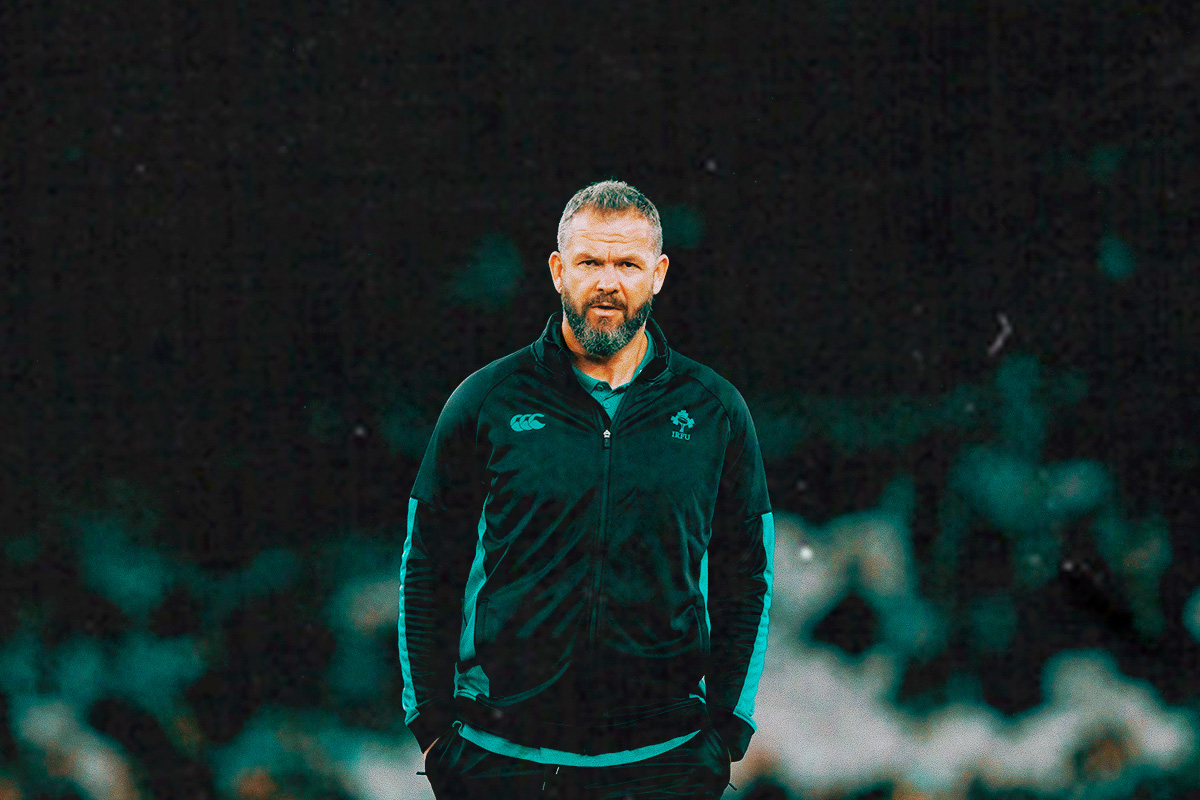
He’s been pretty successful though – in the last two seasons – so he can do what he likes for as long as the wins allow him to. Most people know this and just get on with it. Fan anguish over who is and who isn’t getting selected for Ireland isn’t usually matched by the players with the same intensity unless they feel like they’ve been lied to or fucked over. But caps equal more than just pride – they mean more money, more status, more sponsorships and a bigger nest egg in a sport that can retire you in one game.
This is where the problems begin to get quite sharp, though. If Andy Farrell is reliant on Leinster as the base for his team, and as a result that means a lot of central contracts for Leinster, which in itself means a big budget boost relative to the other provinces, it then means that down-chart Leinster players are far more likely to play for Ireland by proximity to the other players already in the system, which means more central contracts again and, as a result, less opportunity for players from the other provinces to break into what then becomes a closed loop infinite money glitch.
In the 2000s and early 2010s, there was an easy solution to this very situation, even though the circumstances were slightly different.
It was the use of NIQ players.
From the early 2000s, Munster had most of the starting Irish pack and the Irish halfbacks. Most of these players were paid with central contracts but there were a lot of central contracts to go around at the time; the guts of 30 spread between Ulster, Leinster and Munster primarily, as opposed to the 13 as of the time of writing. Munster didn’t have a repeating financial advantage as a result.
Leinster at that stage were quite different from the juggernaut we know today. They were still good, just not as good as the Munster team at the time, primarily because of our advantage in the pack and at #10 in particular. Leinster had all-time greats like O’Driscoll, Irish legends like O’Kelly, Horgan, D’Arcy, Hickie and then club legends like Costello, Jackman and guys like that but they were missing top quality at #10. So in 2003, they signed Felipe Contepomi.
By the mid-2000s when it became clear that they needed more at half-back and the front row they signed Australian Chris Whitaker who was stuck behind George Gregan for the Wallabies and took punts on NIQ props like Will Green and Fosi Pala’amo because they needed what they brought as players and that Leinster, at the time, couldn’t produce on their own.
In 2007 they signed swing prop Stan Wright and followed that up in 2008 with the signing of tighthead CJ Van Der Linde, then an active Springbok along with Rocky Elsom along with Isa Nacewa. They did this while retaining Contepomi long-term because they understood that to get the best out of Brian O’Driscoll, D’Arcy, Horgan, Heaslip and young talent like O’Brien, Healy and Kearney, they needed a platform to play.
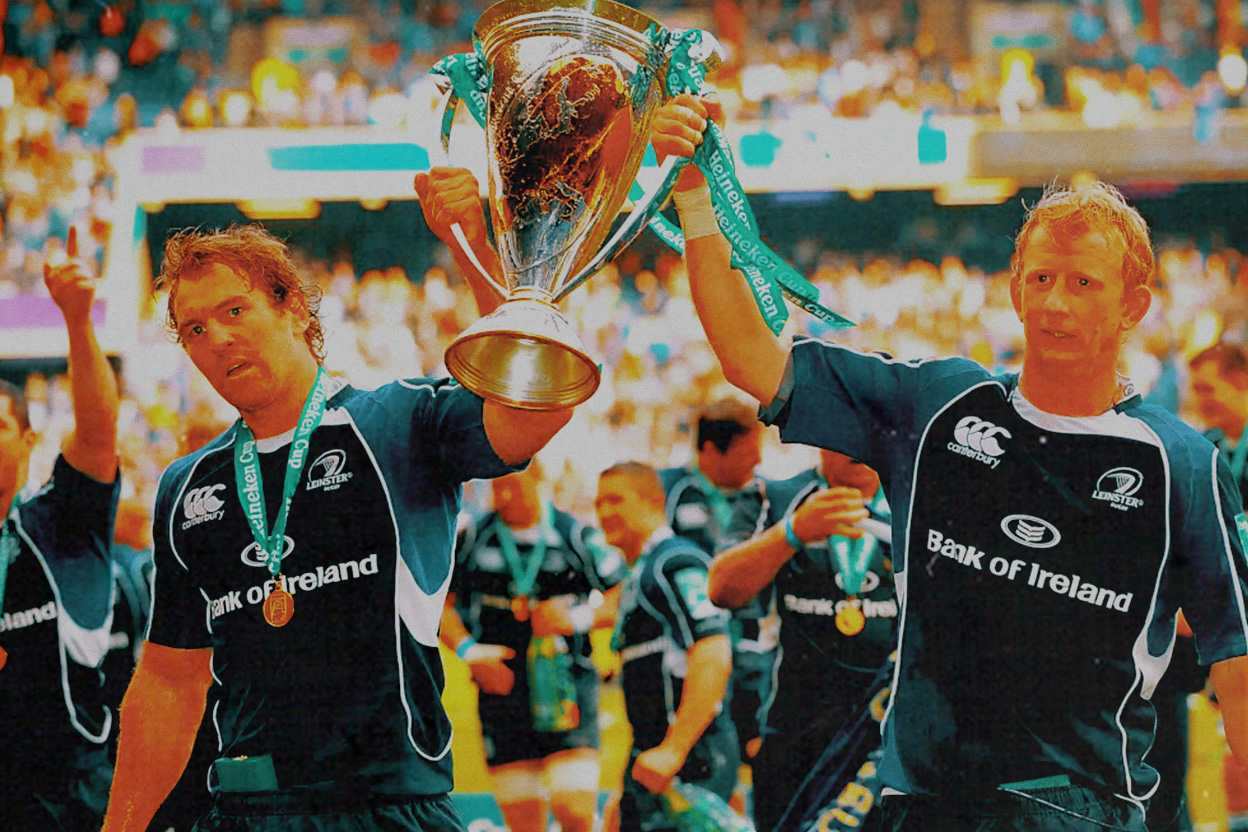
It worked. Leinster closed the gap on Munster and eventually took over as the dominant province. Ulster came close enough to toppling them during the early 2010s, when they brought in talent like Afoa, Muller, Wannenburg, and Pienaar and also brought through guys like Iain Henderson, Rory Best and others at the same time.
Then the financial trouble of the mid-2010s took over as the ERC collapsed the financial bump the English and French clubs got in the after-effect of the switch to the Champions Cup meant that top-level NIQ players were out of reach and, not only that, retaining our home-grown top talent became infinitely more expensive.
It was around this time that David Nucifora – who started in 2014, the same year that the EPCR took over – decided to turn into the skid, so to speak, and limit the use of NIQ signings. As the Performance Director, Nucifora would have oversight on who the Irish provinces could and, more pertinently, could not sign. It was sensible, at the time.
None of the provinces could compete with the money in France and England, specifically, anyway so why try? Focus on developing internal talent which for Leinster at the time was the exact right thing to do anyway. But it was painful, at least initially.
In 2014/15, Leinster were the only Irish province in the knockout stages and made the semi-finals.
In 2015/16, no Irish province made the knockouts. That forced something of a reshuffle within the Irish system from a coaching perspective, as well as loosening some of the restrictions on signings with a particular focus on finding value in the project player market.
In 2016/17, Munster (with investment in coaching and six new players during the season) made a semi-final along with Leinster, although both sides lost. We made the semi-finals for the next two years, with Leinster winning outright in 2017/18 thanks in part to the inclusion of Scott Fardy and James Lowe, who would later qualify for Ireland alongside Jamison Gibson Park signed a year earlier.
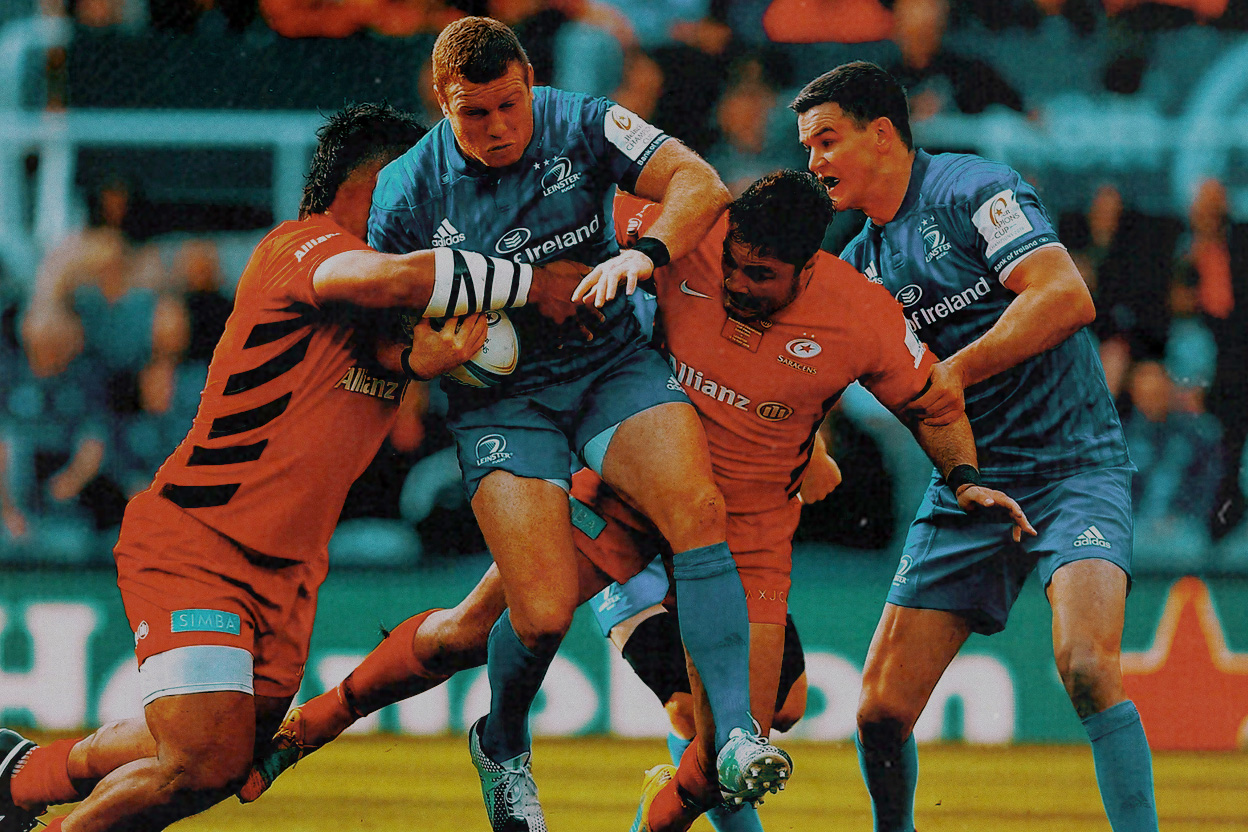
Since the pandemic hit, no Irish side other than Leinster has made it beyond the newly invented Round of 16, bar Munster in 2022 but that’s it. Leinster have made the final five times in the last seven seasons, winning once.
Nucifora’s theory on NIQ signings was difficult to take in some respects because it was seen as either rewarding provinces for producing Irish internationals – a paradox – or tipping you over the edge if you’re on the verge of success.
As an example; Leinster made a semi-final in 2016/17 so got the extra investment of a “senior coach” Stuart Lancaster and a World Cup finalist in Scott Fardy, as well as getting help in signing James Lowe as a project player, who was on the bubble of the All Blacks. It worked.
When Munster made three semi-finals in Europe and lost three semi-finals domestically, the pitch that Snyman and a tighthead prop that would eventually be bargained to Damian De Allende would put us over the top was accepted by Nucifora but didn’t work, primarily due to Snyman’s injuries.
Ulster made a Challenge Cup semi-final in 2021. They lost Marcell Coetzee that season mid-contract and were allowed to replace him with Duane Vermeulen, beat Toulouse away from home in a two-legged knockout game in Europe but narrowly lost the second leg and were the width of a post away from making a URC final.
In the next two seasons, they signed Toomaga-Allen, Rory Sutherland, Dave Ewers and Stephen Kitshoff as they tried to capitalise on the momentum of the middle part of McFarland’s career. It didn’t work either, partly because of Kitshoff’s injuries.
Can Nucifora be blamed for that? No. His strategy with NIQs was to get the most out of the local talent and then approve signings to see if success would follow.
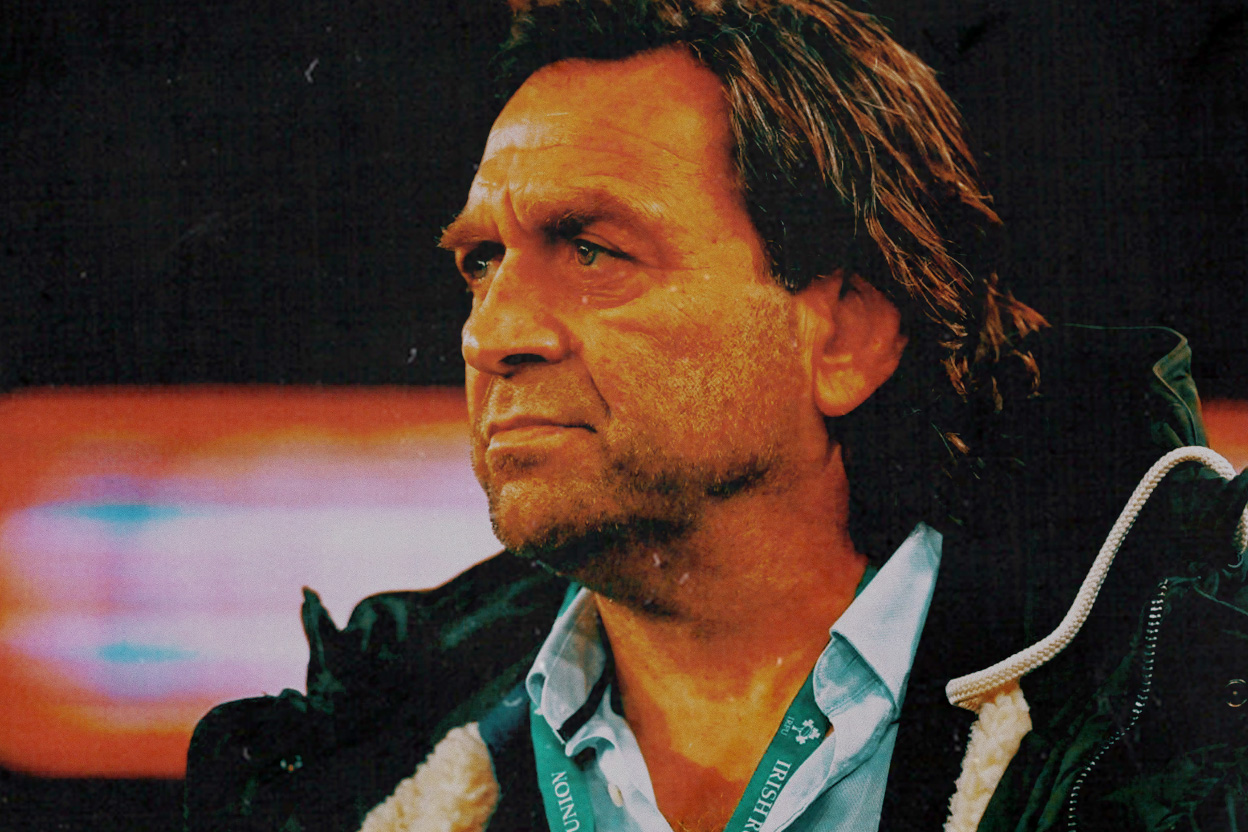
It’s what he did going out the door with Leinster when he engineered a path for them to sign Snyman from Munster before approving Jordi Barrett and Rabah Slimani. When you look at his record, it was consistent with his previous dispensation.
So why the animus?
Because core areas of the Ulster and Munster squads – Connacht have always been treated a little differently with NIQs and base funding so I’m excluding them here on that basis – have needed NIQ signings for years to bridge talent and were consistently denied.
Ulster were forced to part ways with Ruan Pienaar – a unicorn player that could cover both 9 and 10 to a high level – and have been struggling for quality at halfback ever since. How much better might Nathan Doak be today if he was working with Pienaar for a few years or if Ulster had been allowed to sign a quality NIQ #10?
Munster, too, have repeatedly tried to sign props and hookers – even going so far as having Vincent Koch ready to join before he eventually joined Saracens – but were turned down again and again.
“Develop your younger players” was the retort. Munster tried that and found that just playing younger players won’t turn them into elite talent by default. It was “pull yourself up by the bootstraps” mixed with the ridiculous notion that signing in NIQ players “blocks” Irish talent. Leinster kept signing NIQ props in the late 2000s and early 2010s and yet it somehow didn’t stymie the development of Cian Healy and Jack McGrath.
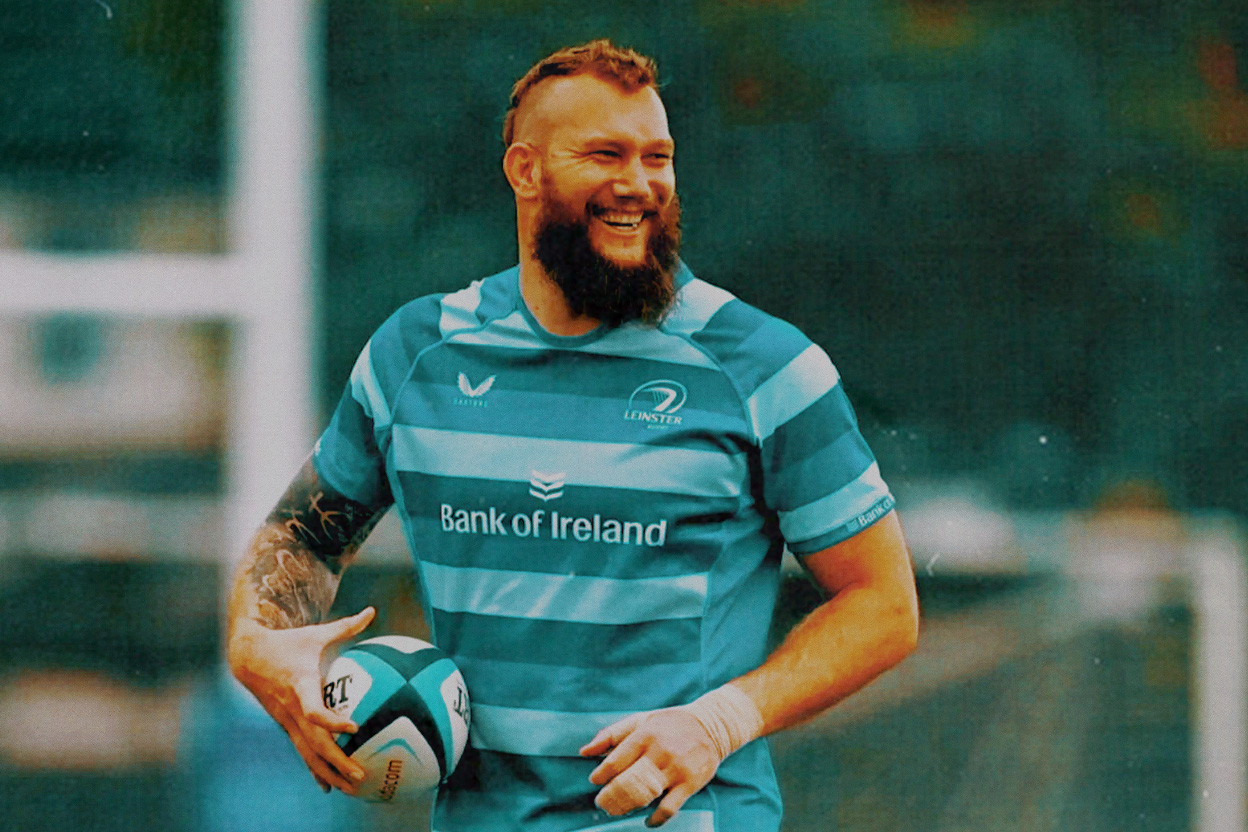
Even recently, check out Thomas Clarkson managing to get capped despite having Michael Ala’alatoa and Rabah Slimani signed ahead of him in a chart topped by Tadhg Furlong for the last three seasons.
The argument here is that Nucifora’s top-end tactic ended up undercutting the other provinces for the supposed sake of the national team. Munster were told they couldn’t sign an NIQ tighthead because, jeez, that would take time away from John Ryan, as if tightheads play 80 minutes every week. It was illogical even though I do get Nucifora’s issues here and that he was trying to keep five plates spinning at once and approving for Munster or Ulster usually saw Leinster come knocking looking for the same dispensation.
But the point is this; Ulster have needed proper elite halfbacks for the last few years but got a succession of props. Munster have been crying out for top-end power in the front row at loosehead and hooker for the same amount of time but have been forced to compensate by adding pace on the wings to work around the issues in the squad.
Nucifora consistently failed to get talent moving around the country from Leinster in ways that never quite made sense, as if the players in question didn’t want to earn more money at Munster or Ulster to stay in a Leinster depth chart for less money where they only get dud games and star on the dreaded South African Misery March every April since the URC started.
So that brings us to the present day where both Munster and Ulster have seen “subsidence” in their squad quality in the second layers and even at the top as budgets get squeezed and central contracts dry up. Ulster looks like they’re around three seasons away from developing an in-house #9 and #10 that can improve them. You could argue they need some top-end power at lock too to help bridge the gap.
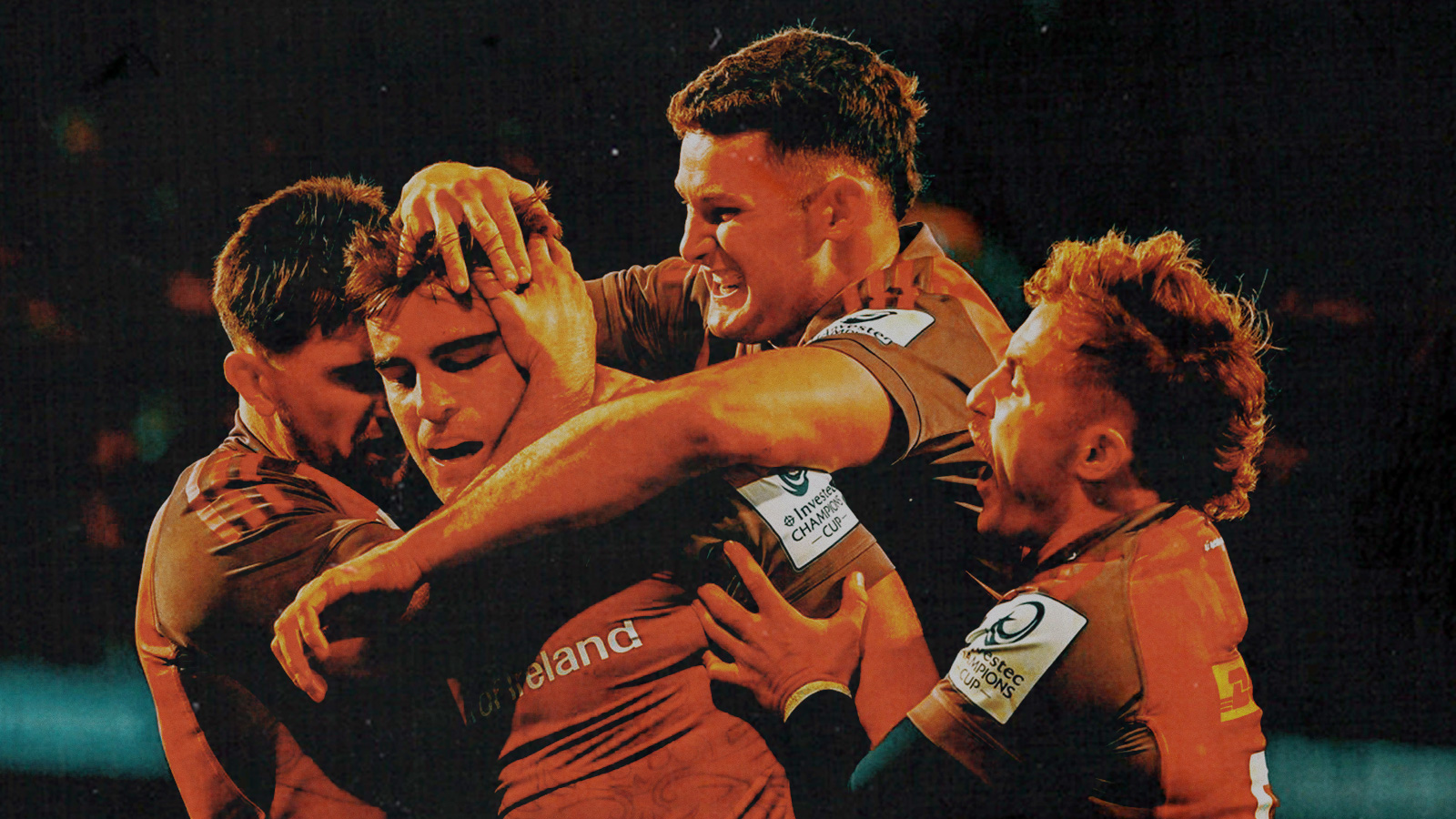
Munster have talented props and hookers at NTS and Academy level, but they’re around three years out while the senior roster is filled with injuries and veterans playing well into their mid-30s.
The base question is: If Leinster are so good, dominant, and bulk suppliers to the Irish side right now—and they are—why shouldn’t the other provinces get to sign the players they need in the positions they need from outside the country?
Is it this idea that if a province signs an NIQ they won’t bother developing homegrown options? That’s always been nonsense and historically it doesn’t stack up. Even logically, it suggests that all you need to create a top-class player is effort when, if that were true, every team would have them.
I’ve heard repeatedly that Munster should just “develop” an Andrew Porter as if you can just flip a switch in the HPC to get a guy like that through from underage to senior to the point they can play test rugby at 21. There is only one Andrew Porter. If wanting to develop one and effort were all it took, there’d be a guy like him in every club. But there’s not. Player development is infinitely more complex than that.
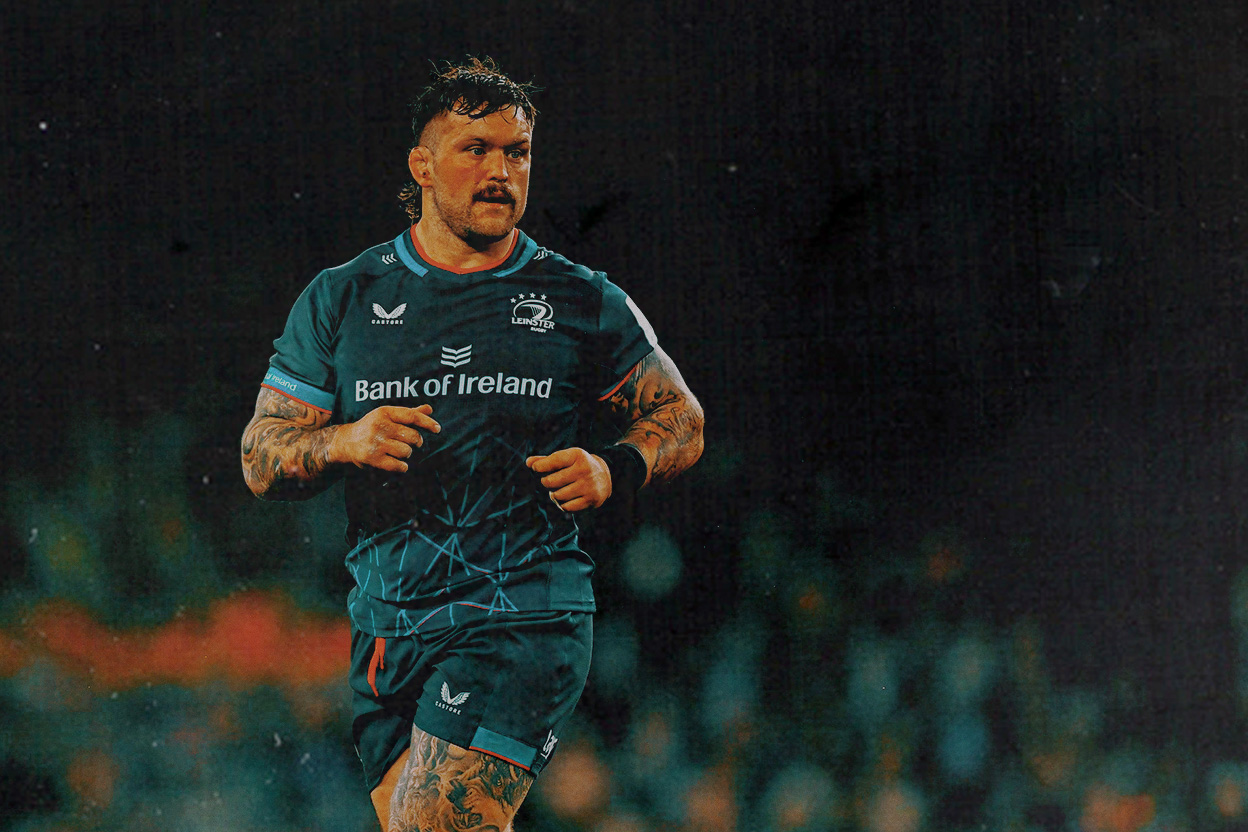
So where does that leave us?
With the union saying that the other provinces need to develop players for Ireland while a head coach who primarily bases his systems off Leinster is in charge of selection and in an environment where down-chart Leinster players never have to move because of the IRFU’s entangled finances with Leinster, all while the same union prevents the other provinces from doing what Leinster did in the 2000s to catch up with Munster at the time. They feel like the ladder has been pulled up and that the only suggestion they get is to pull themselves up by their bootstraps.
All while budgets are cut, expectations remain the same in the media regardless of the cut in budget and the Irish team looks more like a Leinster XV with every passing test window.
In a purely Munster context, how can we get the best out of talented Irish players in their mid-20s or younger so they can be of value to the Irish national team? By giving them a platform to play with players who can duplicate the platform players at Leinster get.
Then it can just be about systems and individual quality. At the moment, talents like Casey and Crowley spend most games on the back foot because they’re playing in front of a tight five featuring multiple guys in their mid-30s and who weren’t elite power players even when they were in their mid-20s.
We know what the solution is. We know what would happen in the 2000s.
So why don’t we give the provinces a chance to use their budget where they need it, on NIQs that can immediately improve the team, raise the level for other talents so we can see what they look like with that platform and help develop the talent around them in the same or opposing positions.
