


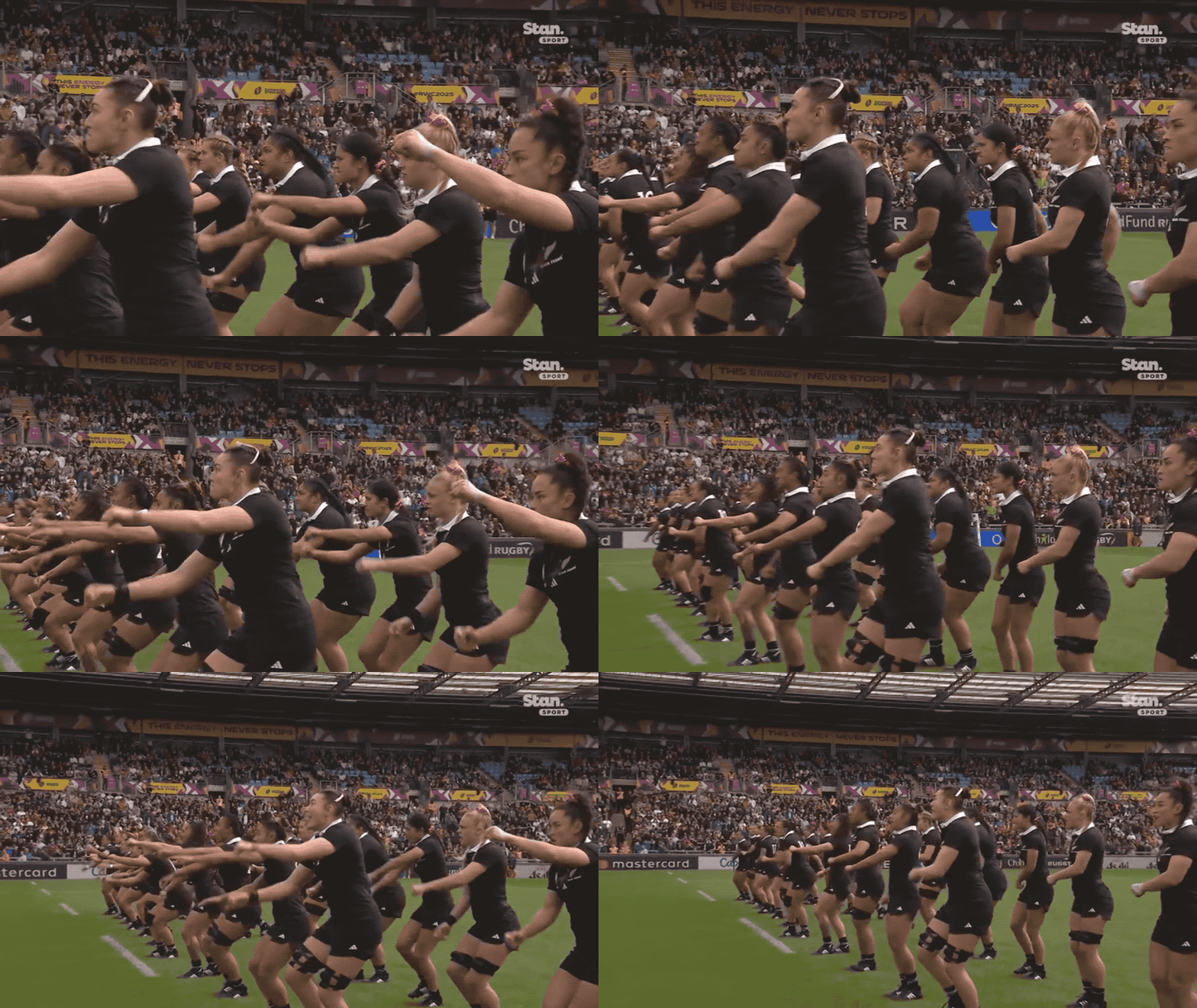
Everything up until this point has been a glorified warmup.
Sure, beating Japan and then Spain was an important step on the way to this game — any loss would have tossed the entire pool into the fire — but all roads led here.
To the Black Ferns.
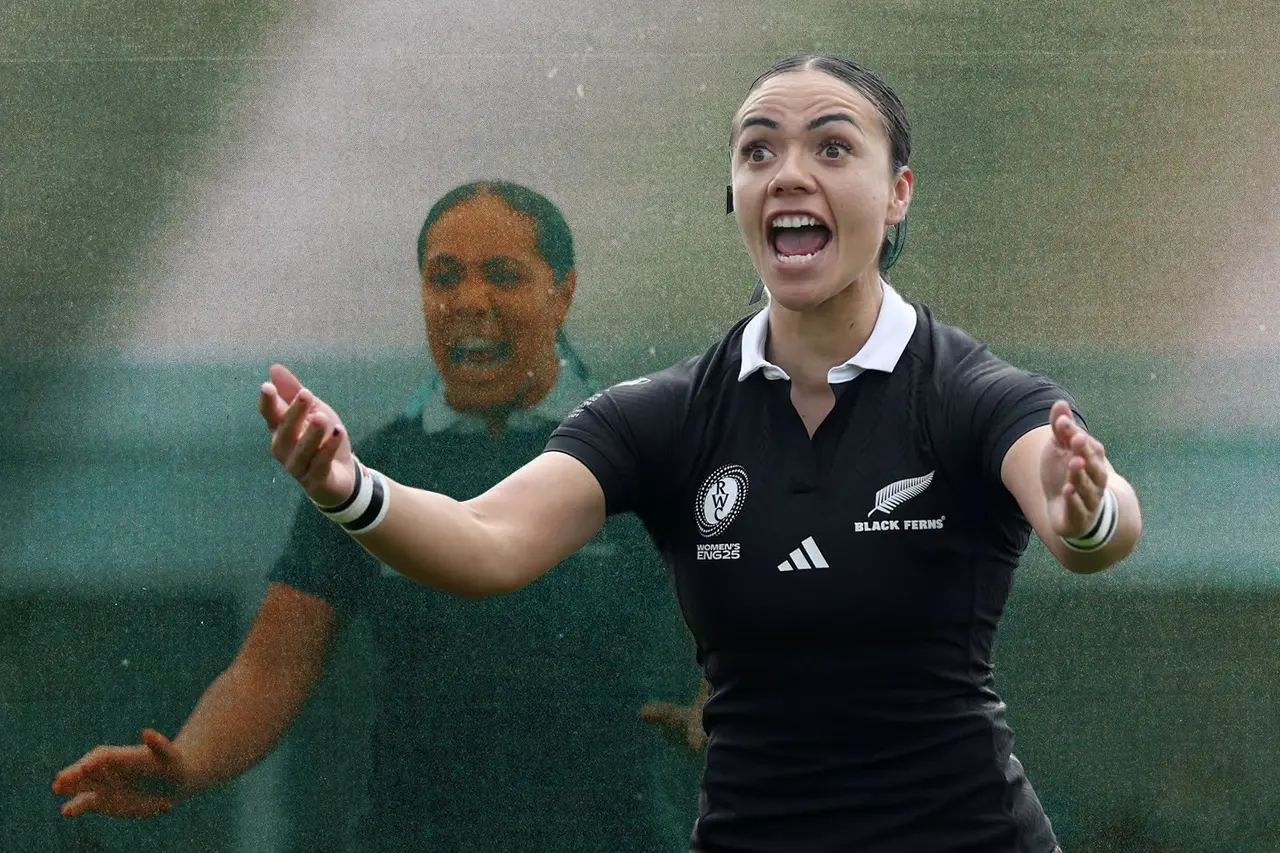
Make no mistake about it; much like their male counterparts in the early 2010s, the Black Ferns fundamentally do not rate us. They view their defeat to Ireland last year in WXV1 as an aberration. A fluke. More to do with them than us. Not only that, but they’ve been talking amongst themselves for the last two or three weeks about how we have no real interest in this game.
Ruby Tui, former Black Fern and one of the few people in this sport to have an Olympic Gold Medal and a World Cup winners medal, is still very close to the New Zealand camp, and she said as much live on the BBC on the opening weekend.
“We heard on BBC Radio 5 Live the other night that Ireland potentially aren’t going to take the Black Ferns game seriously, which I thought was a huge call on the show. We had someone call through from the Irish camp, and I think that says a lot, because if you’re the Black Ferns, we need to build. That’s what they said live on the radio to me, but I don’t buy it. I don’t buy it. I think it’s a double bluff, and as Black Ferns, we can’t be carrying on with that nonsense. We can’t take any notice of it. We’ve got to focus on ourselves.”
They don’t rate Ireland.
They don’t respect Ireland.
They are talking amongst themselves about how eager we are to no-show this game against them to prepare for a game against France, which is a hypothetical anyway, because the game to decide Pool D doesn’t take place until after Ireland plays the Black Ferns.
All it takes is one scatty performance from France — of which they are more than capable — and the “masterplan” to throw the Black Ferns to avoid them in the quarter-final goes out the window.
I don’t really think the Black Ferns believe that, though, but it’s telling in and of itself that one of their mouthpieces in the media felt the need to send this poison out into the ether. Its purpose is to throw Ireland off.
New Zealand cares about one thing: avoiding A1 in the knockout bracket until the World Cup final.
England will win pool A and, in all likelihood, cruise to the World Cup final. The Pool A winner (A1) is on the other side of the draw to the winner of Pool D (D1). Whoever comes second in Pool D will, if they win their quarter-final, run into the Red Rose juggernaut in the semi-final.
Everyone with designs on winning this tournament knows they will have to grasp the thorns at some point, and it might as well be in the final when attrition, if nothing else, might blunt the sting.
For Ireland, the equation is simple against the Black Ferns: kick the shit out of them. Upfront, at the set piece, in the car park for all I care. They think Ireland wants the day off? Make them pay physically, and let the scoreboard look after itself.

The only way to get respect from this, or any, New Zealand side is to bring a level of physicality that they can’t live with. If a shot needs to be landed, land it. If a yellow card needs to be given away to send a message, send it. Make sure they read it.
That kind of hard, ruthless physicality is just the starting point, of course, but it’s the bare minimum of where Ireland have to go from here on out. Might as well get a head start.
Ireland: 15. Stacey Flood; 14. Béibhinn Parsons, 13. Aoife Dalton, 12. Eve Higgins, 11. Amee-Leigh Costigan; 10. Dannah O’Brien, 9. Aoibheann Reilly; 1. Ellena Perry, 2. Neve Jones, 3. Linda Djougang; 4. Ruth Campbell, 5. Sam Monaghan (cc); 6. Grace Moore, 7. Edel McMahon (cc), 8. Brittany Hogan.
Replacements: 16. Clíodhna Moloney-MacDonald, 17. Niamh O’Dowd, 18. Sadhbh McGrath, 19. Eimear Corr-Fallon, 20. Claire Boles, 21. Emily Lane, 22. Nancy McGillivray, 23. Anna McGann.
New Zealand: 15. Renee Holmes; 14. Braxton Sorensen-McGee, 13. Stacey Waaka, 12. Logo-I-Pulotu Lemapu-Atai’i Sylvia Brunt, 11. Portia Woodman-Wickliffe; 10. Ruahei Demant (cc), 9. Risaleaana Pouri-Lane; 1. Chryss Viliko, 2. Georgia Ponsonby, 3. Tanya Kalounivale; 4. Maiakawanakaulani Roos, 5. Alana Bremner; 6. Layla Sae, 7. Jorja Miller, 8. Liana Mikaele-Tu’u.
Replacements: 16. Vici-Rose Green, 17. Kate Henwood, 18. Amy Rule, 19. Laura Bayfield, 20. Kennedy Tukuafu (cc), 21. Maia Joseph, 22. Theresa Setefano, 23. Ayesha Leti-I’iga.
At it’s core, this tactical battle is going to take place over long range tactical kicking battles, and at the defensive breakdown.
New Zealand have built most of their year since WXV1 on rebuilding a long tactical kicking game, that they use to hem opposition teams inside their own 10m line.
Ruahei Demant is their primary tactical kicker and she gets excellent range on her exits, which are almost always kept infield and straight down the middle of the field. Here are some of their long tactical kicks from inside the first 20 minutes against Japan last weekend.
Look at the distance they get on almost every kick.
This is something of an abberation in the modern code, especially for an elite team like New Zealand. If we class our Big Three in the women’s code, you’re looking at England, New Zealand, and Canada, with France a little behind that top group. New Zealand have kicked more and further than all three of those so far in this World Cup.
In WXV1, New Zealand averaged a kick to pass ratio of 1:14.7 against universally strong opposition.
In this World Cup so far, where they’ve played two of the weakest sides in the game, they have the same average ratio, albeit with a 54-8 drubbing of Spain bumping the numbers.
Against Japan, the Black Ferns played a 1:9 kicking game and I think that was a warmup for this match against Ireland. When Ireland beat the Black Ferns in WXV1 last year, it was off the back of a high volume kicking game. I think New Zealand have seen the power of that strategy and are bringing it into their World Cup.
This early long kick, right from the kick off, sees the Black Ferns backing the athleticism of their outside backs and flankers to close down the transition space for the opposition, knowing that they are unlikley to be able to kick at the same range in return.
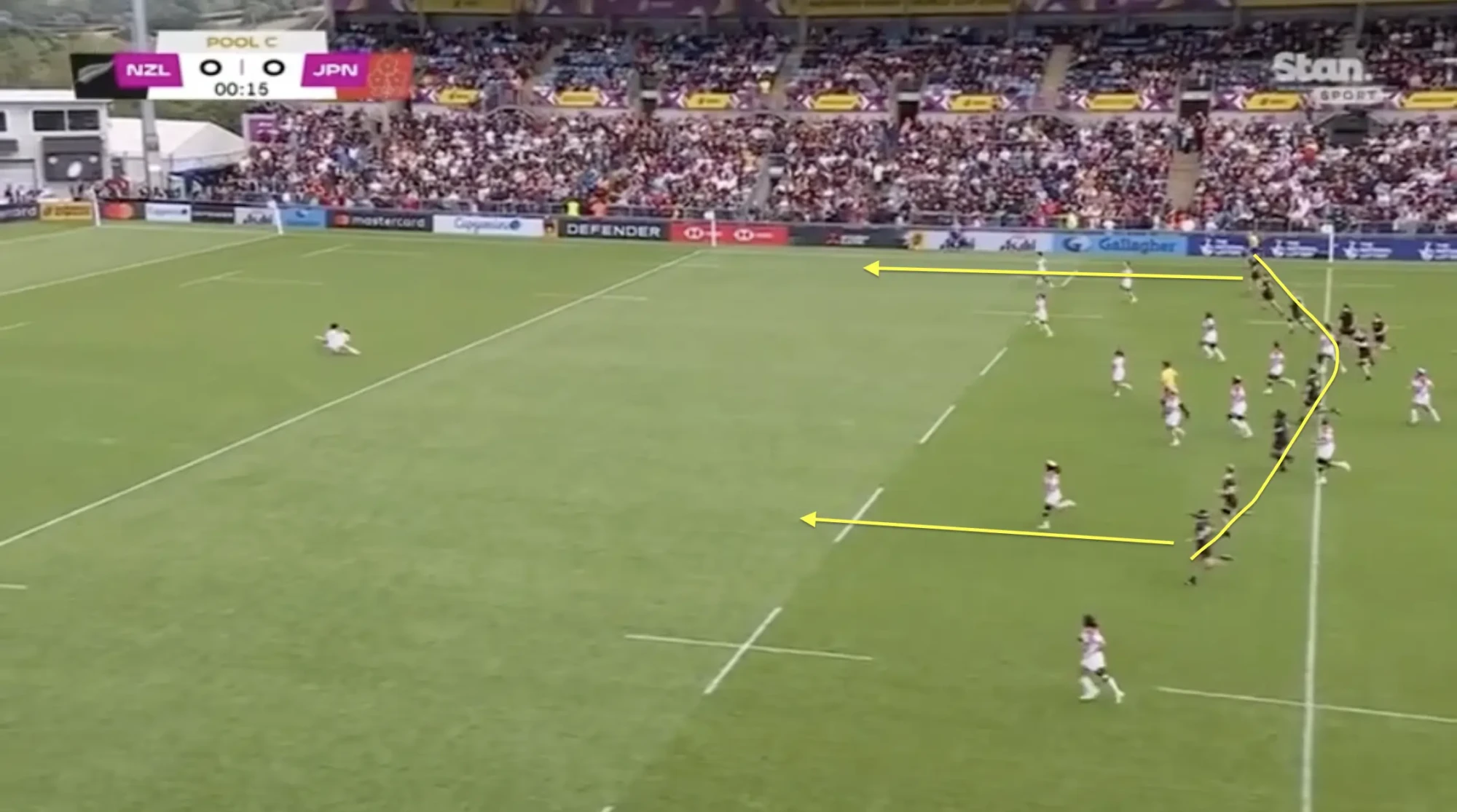
What this does is tie the opposition inside their own 10m where the only options are kicking long to dangerous transition runners, putting it out for a lineout (the best option) or trying to play on transition, which is the worst possible choice.
This, in the aftermath of a long kick downfield on transition, is the exact kind of scenario that the Black Ferns are trying to generate in the first instance.
Japan were baited into this. Sure, there’s a bad pass at play there, but New Zealand are putting them into a position where any inaccuracy leads to this kind of turnover with lethal offloading and support lines off the first moment of transition.
If we get the ball in this position off a New Zealand kick, it needs to go right back to Dannah O’Brien, and she needs to get that ball long and bouncing down the field. This is where we’ll need our counter-chase to be relentless when it comes to harrying that New Zealand backfield. Japan were hurt over and over again by trying to play through the New Zealand press — we don’t need to do that. Keep them at arms length, defend high up the pitch and watch for their support runners.
As part of this, we need to be comfortable getting the ball off the field against this Black Ferns lineout. They overuse the middle of the lineout, so if we can get Sam Monaghan into the air on Bremner and Sae, in particular, we can disrupt their kicking game at a fundamental level and, when they tighten it up on phase play in response, we can hurt them at the defensive breakdown.
We need to really squeeze middle-field rucks. When the Black Ferns get quick ball here, they run outstanding edge support lines. It’s the best thing they do. Look at this try, scored from a fairly innocuous looking edge progression.
If you slow New Zealand in the middle, their tendency for a few loopy passes to get outside the third defender can make them slow and vulnerable to linespeed, but only if you have good overlapping cover from the inside. Japan really didn’t get across the field fast enough here.
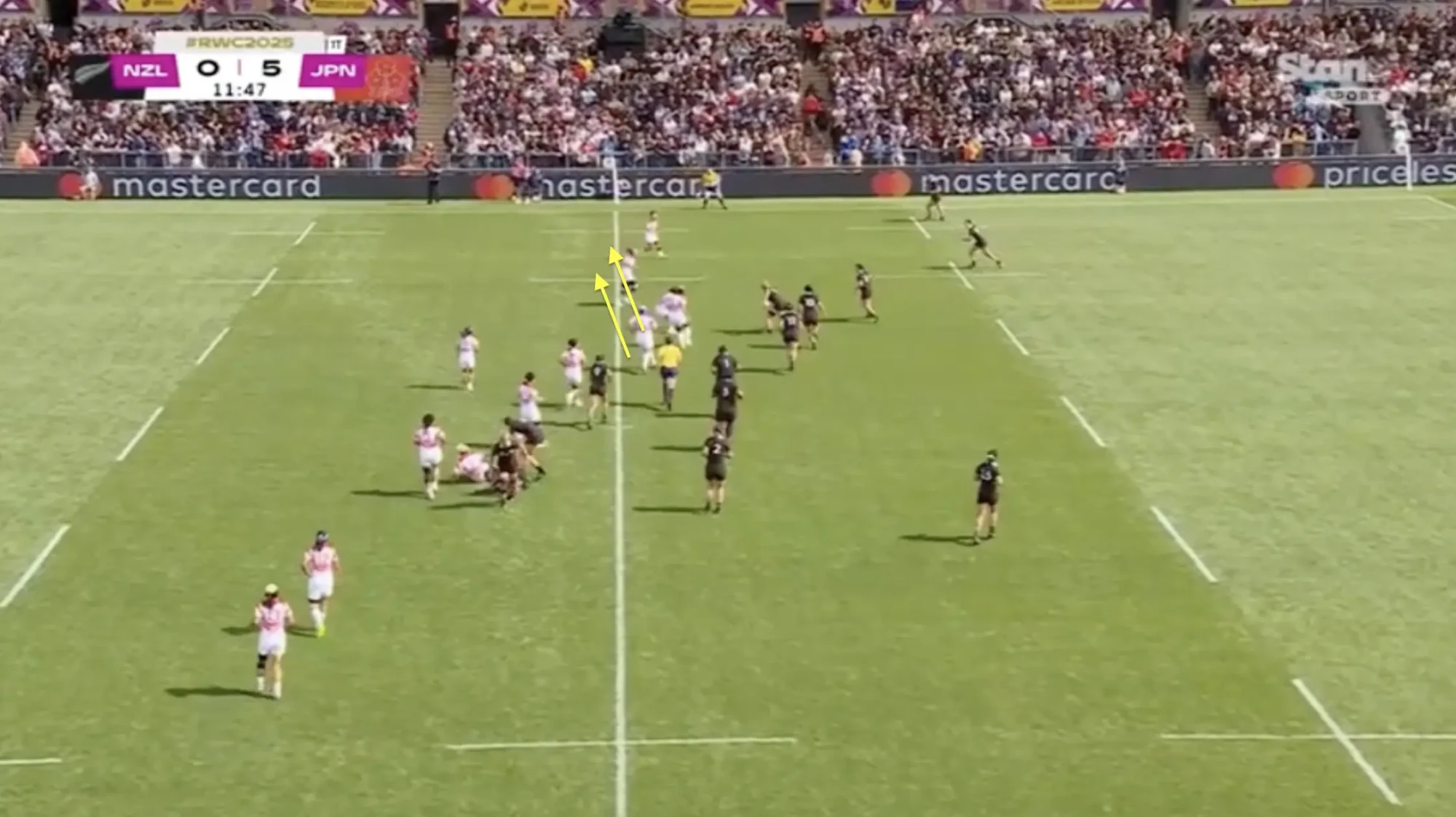
Bemand has picked probably our quickest pack across the ground, so he knows the importance of covering vertically on the kick press and counter press, but also on getting across the field to swamp their offloading game.
Take our chances when they give us penalty access, and we can scare them. Do it for 80 minutes and we’ll beat them.
