


Munster’s preseason has started, and with that, the allegorical boat is about to leave the dock. What McMillan and his team do in these next six weeks will determine how successful Munster’s season will be.
As we’ve seen in the last few seasons, what is done in these next few weeks is not easily undone once the season gets going. The course you set out on is the one you follow, so that means core parts of your set piece, general game, core principles of play and your S&C are all launched here.
Here’s what I know without being told it: McMillan, his coaching staff, and his new head of Athletic Performance, Brad Mayo, have already decided on how Munster will look on-field next season, because the conditioning work required over the next month or more will determine how effective it is. That goes for how well the players execute the plan on the field, and how readily they stay on the field week to week to implement it.
In the last two and a half seasons, Munster’s S&C strategy conflicted with what the head coach wanted from his team. I’m not sure if “conflicted” is the right word here, when the core issue, as far as I can make out since was Rowntree wanting a team that was both bigger, faster, stronger and, somehow, more battle-hardened than everyone else.
You can’t be all of them or, if you can, you can’t be for very long.
Of far more interest is how Munster are going to look under McMillan, if we accept that there will be some changes to how we’re playing. After all, there was a vacancy here for a reason. Things will change; we just don’t know what those changes will look like.
Interestingly enough, we do have a good idea of what a team coached by McMillan already looks like firsthand. I saw it in person last November when the McMillan-coached All Blacks XV played Munster in Thomond Park. So I logged into Access Munster and rewatched the game.
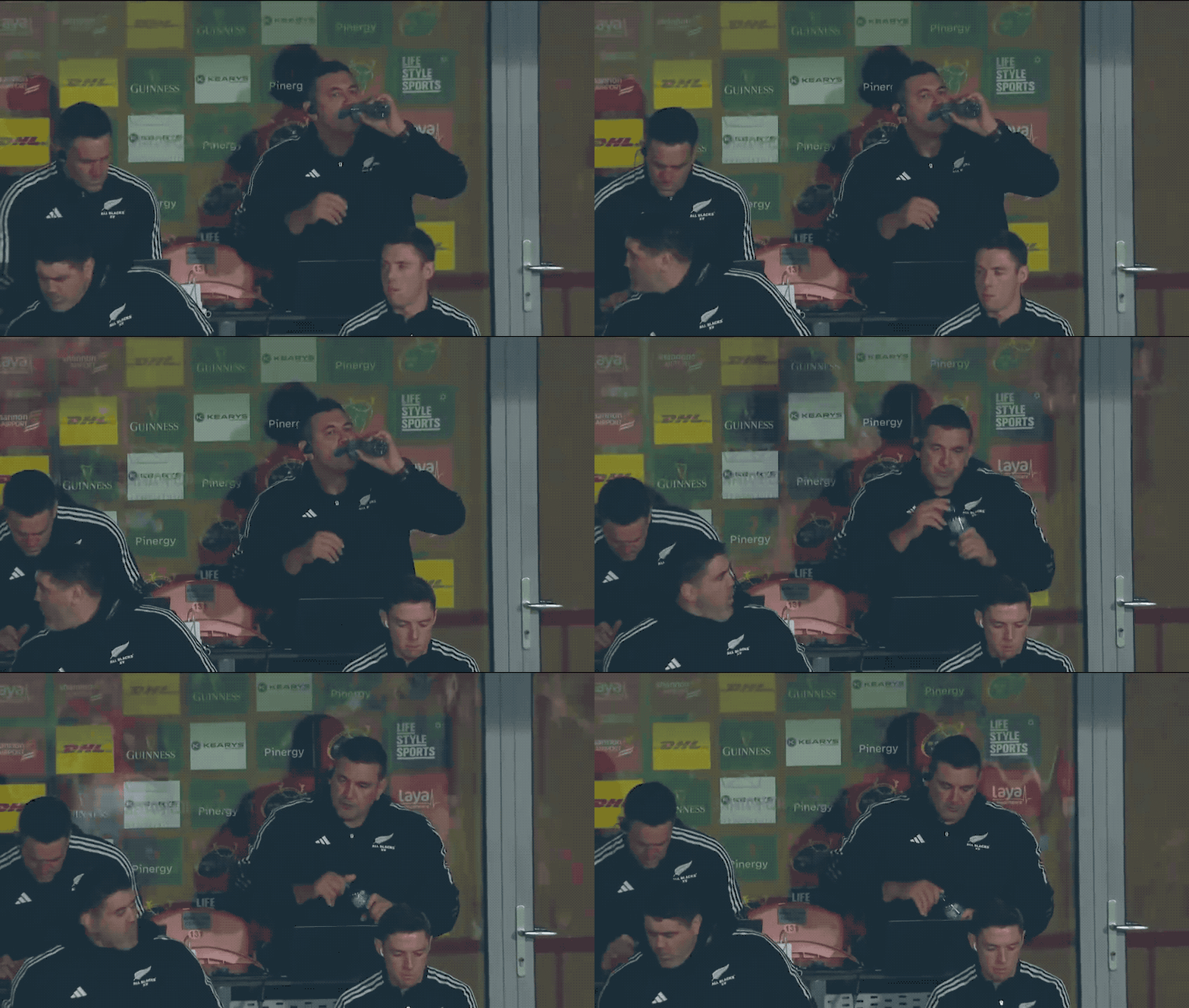
To begin with, it is quite instructive to examine McMillan’s core principles when he was dealing with a scratch squad that arrived in Limerick at various stages during the match week. He spoke before the game about “trimming down the menu”, but that was primarily based on their lineout plays. Everything else was very “Chiefs-like”.
Why? The scrum.
It decided the flow of the game. I know I wrote about this in the previous article, but it bears repeating; everything the All Blacks XV did against Munster in this game had its roots in a dominant scrum.
It keeps popping up whenever I watch the Chiefs, and it was the first thing I spotted against Munster. Their defensive and kicking focus had scrummaging as a core outcome and sequence builder.
After watching every single game of the Chiefs this season, and crossing that with the All Blacks XV game, I’d feel pretty safe saying that Clayton McMillan’s Chiefs married an old‑school forward platform — especially a penalty‑generating scrum — with the highest‑tempo passing game in Super Rugby, producing rapid, low‑error strike plays off structured ball, converting red‑zone visits and first‑phase breaks at an elite clip while using a top‑three defence to lock opponents out of the game.
What the Numbers Say
| Data Point | Chiefs’ Outlier Stats | What it reveals about their style |
|---|---|---|
| Set Piece | Scrum: 97.3 % success, 28.5 % of scrums end in a penalty for the Chiefs (best).Line‑out: 85.5 % (middle‑pack) yet 19 % ball to the back. | The scrum is their main weapon — wins territory and points. They’re willing to risk deeper throws in the line‑out to launch plays rather than simply retain. |
| 22 Conversion | 10.8 entries / match (1st); 44 % become tries (2nd). Opponents get only 7.8 entries (fewest). | They reach the red zone most often and finish better than nearly everyone else, while starving opponents of chances. |
| Try Origins | 64 % of tries from set piece, just 8.6 % from turnovers. | They score out of structure, not chaos — set‑piece rehearsals are their kill shots. |
| Passing Tempo | 182 passes per game – highest in the league. Split: 35 % short, 60 % medium, 5 % long. | They keep the ball moving more than anyone; mostly pod‑to‑pod or midfield passes that preserve shape and ruck speed rather than long, width‑to‑width swings. |
| Carrying Profile | Dominant carry 33.9 %, gain‑line success 62.9 %, only ~9 % of phases go “wide‑wide”. | Direct, physical carries first; width comes after defenders are fixed. |
| Phase‑one Punch | 43.7 % of line‑breaks turn into tries (2nd‑best); offloads succeed 78 %, 17.5 % create break‑assists. | Support is tight and accurate — offloads appear when the plan calls for them, not to keep phases going. |
| Defence | 88.5 % tackle success (3rd); only 9.7 % of missed tackles concede tries; dominant‑tackle rate 9.8 %. | A reliable first‑up defence lets the attack be patient; they seldom have to chase games. |
| Game Shape | 58 % of tries after halftime. | Fitness and bench depth mean the scrum and carry game grind sides down, then they finish them in the last 40. |
Style Blueprint
- Scrum‑led pressure engine.
The Chiefs lean into their scrum dominance: penalties for points, or easy territory to set line‑out platforms. Few sides can live with it for 80 minutes. - Fastest ball‑in‑hand tempo in the comp.
Topping the pass count shows intent to keep possession and shift contact points quickly. Crucially, most passes are short‑to‑medium—so shape stays intact and forwards remain live ball‑players. - Straight‑line, gain‑line focus before width.
With pods punching close (47 % of carries in the “close” channel) and midfield options next (33 % “mid”), defenders bunch up; only then do they spring the wide strike or first‑phase wrap‑around off a set piece. Forwards are there to carry and clean primarily, not run screen plays. - Clinical support play & offloads.
The offload numbers aren’t gaudy in volume, but they’re accurate and lethal: nearly one‑in‑five successful offloads directly assist a break because runners arrive on cue. - Second‑half squeeze.
As penalties, dominant carries and possession stack up, the Chiefs’ conversion rate rises after half‑time. Opponents tire from the scrum grind; McMillan’s bench (often two dynamic props plus an athletic back‑row) maintains momentum. - Defence that buys patience.
A top‑three tackle success and low break‑to‑try concession allow them to kick tactically, reset shape and trust the next scrum or line‑out to swing control back.
The Added Detail
| # | Area | Nugget | Why it matters (Chiefs‑centric) |
|---|---|---|---|
| 1 | Tackling technique | 27.9 % of tackles are hips‑or‑lower (highest). | Emphasises their “chop‑then‑jackal” DNA, slowing opposition ball and letting the defence reset without conceding penalties. |
| 2 | Exit excellence | 92.2 % 22‑exit success, 74.5 % of exits are kicks. | They clear their half efficiently, avoid risky carries deep, and reboot the territorial cycle around their scrum. |
| 3 | Maul as a bluff | 92.5 % maul‑win but only 0.18 maul tries/game; fewest metres per maul (2.4). | The maul is a decoy: defenders commit, then the Chiefs peel off into strike plays—showing their preference for structure over brute‑force drive. |
| 4 | Scrum discipline differential | Win penalties on 28.5 % of scrums, concede on only 2.7 %. | A massive net advantage that fuels scoreboard pressure and territorial dominance, central to McMillan’s plan. |
| 5 | Low‑volume, high‑value offloads | Mid‑table offload count, but 17.5 % lead directly to breaks and 7.3 % to tries (best). | Offloading is programmed, not improvised: it highlights their discipline and spatial awareness—only “green‑light” passes are attempted, yet they yield outsized rewards. |
| 6 | Line‑out throw selection | 38 % to the front (3rd‑lowest), 19 % to the back (3rd‑highest). | They bypass safe front ball to launch multi‑option patterns from deeper spots, stretching defensive pods before phase one even begins. |
Take‑Away
The 2024‑25 Chiefs were not the helter‑skelter, broken‑field Dave Rennie/Wayne Smith side of the 2010s. Instead, they’re a field‑position and possession machine: highest passes, dominant scrum, direct carries, scripted set‑piece strikes. It’s pragmatic power rugby — delivered at the quickest ruck‑to‑pass tempo in Super Rugby — with just enough McKenzie‑led flair to punish the slightest defensive lapse.
So What Does This Look Like?
I’ve described to you what the Chiefs do and how, in all likelihood, what Munster will do under Clayton McMillan will be broadly similar. This is what head coaches do and is often why you hire them in the first place. They bring a culture change, yes, but they also bring their read on the game.
McMillan spoke about Munster needing to “play more ball” and “with more ambition”, but that doesn’t tell half the story; at its core, my read of McMillan’s style at the Chiefs is how pragmatic it is, and how deeply it’s rooted in test rugby fundamentals.
Across the Chiefs’ side, we can break down players into specific role sets based on what their blueprint for success suggests is important.
Penalty Winning Props
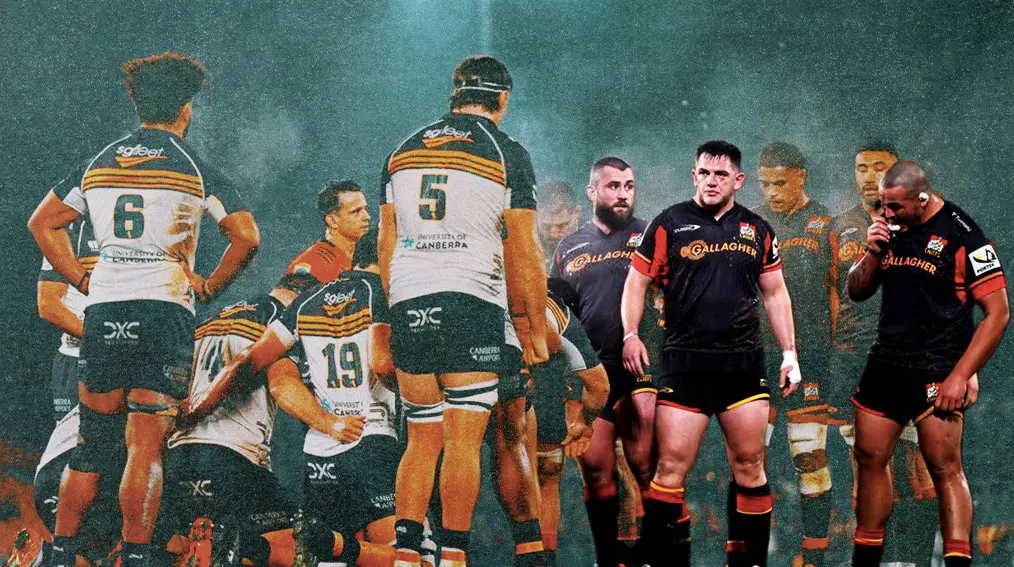
The scrum’s impact on the Chiefs’ success is profound, and what works in Super Rugby will be even more impactful in the URC, where the number of scrums is up there with the TOP14 by volume. It’s my opinion that the kick escort law change has had a deep impact on the number of scrums in the club game, and that’s particularly true in the URC. If you have a scrum that can force penalties in this league, you’re going to be in a better position to be successful.
These are the scrum and scrum penalty counts — with percentages — for the regular season of all four main leagues.
| Competition (rounds) | Scrum penalties / total scrums | % of scrums ending in a penalty |
|---|---|---|
| Super Rugby Pacific 2025 (14) | 213 / 1050 | 20.2 % |
| English Premiership 2024‑25 (18) | 288 / 1208 | 23.8 % |
| United Rugby Championship 2024‑25 (18) | 515 / 2139 | 24.1 % |
| Top 14 2024‑25 (26) | 613 / 2409 | 25.5 % |
Scrum‑First Blueprint for McMillan’s Munster
| Context | Stat / Benchmark | Takeaway for Munster |
|---|---|---|
| Chiefs 2025 | 28.5 % of scrums finished in a penalty for the Chiefs, only 2.7 % against → +25.8 pp differential | The gold‑standard McMillan will try to replicate. |
| League climate | Super Rugby average 20.2 %URC average 24.1 % (see cross‑comp table) | The URC whistles the set piece ~4 pp more often than Super Rugby; the upside for Munster is even bigger. |
| Munster 2024‑25 (last season) | ≈20% for, 5.1 % against → +14.9 pp | Plenty of headroom: every extra scrum pen adds value in URC matches. |
| KPI McMillan will post | +1.5 scrum‑penalty differential per match | Turns tight winter games into scoreboard cushions. |
Tactical Integration
| Zone | Plan | Pay‑off |
|---|---|---|
| Own 40 m | Accept resets; invite the whistle for territory via touch‑finder or Crowley piggy‑back. | Flip field without risking exit errors. |
| Middle third | Attack off feeds rather than penalty shots; run 8‑9 pick‑plays using Coombes/Gleeson as link. | Mirrors Chiefs’ habit of turning scrum into a structured first‑phase strike. |
| Opposition 22 | First pen → points when forecast ugly; second pen → drive down the line for maul finish → scrum again to chase yellow cards | Applies scoreboard and card pressure in a whistle‑heavy league. |
If Munster can lift last season’s +14.9 percentage‑point scrum‑penalty differential (20 % won ▸ 5.1 % conceded) to a Chiefs‑like +25 pp, I think we’d bank about 15-18 extra league points across an 18‑round URC schedule — enough to shift from solid play‑off side to genuine home‑semi favourite.
The recipe is the same: square, legal hits; an explosive second shove; a bench that keeps the squeeze on for 80 minutes; and zone‑smart decision‑making.
Hit those marks, and Thomond Park becomes the priciest real estate in the URC every time you get set for a scrum.
The Horses
The loosehead side of Munster’s scrum is arguably as healthy as it’s been in several seasons, as long as players can stay moderately healthy.
Jeremy Loughman (Power Scrummager), Michael Milne (Power Forward Prop), and Josh Wycherley (Support Forward Prop) have, arguably, the best role set balance across all the loosehead charts on the island this season, even in Leinster. Loughman’s rotten run with injury last season prevented him from building on the excellent work he’d shown in 2022/23 and 2023/24, but it also robbed Munster of the ability to use Milne as a killer 30 minute power forward, even though Loughman’s injury was the only reason we got the loan approved in the first place.
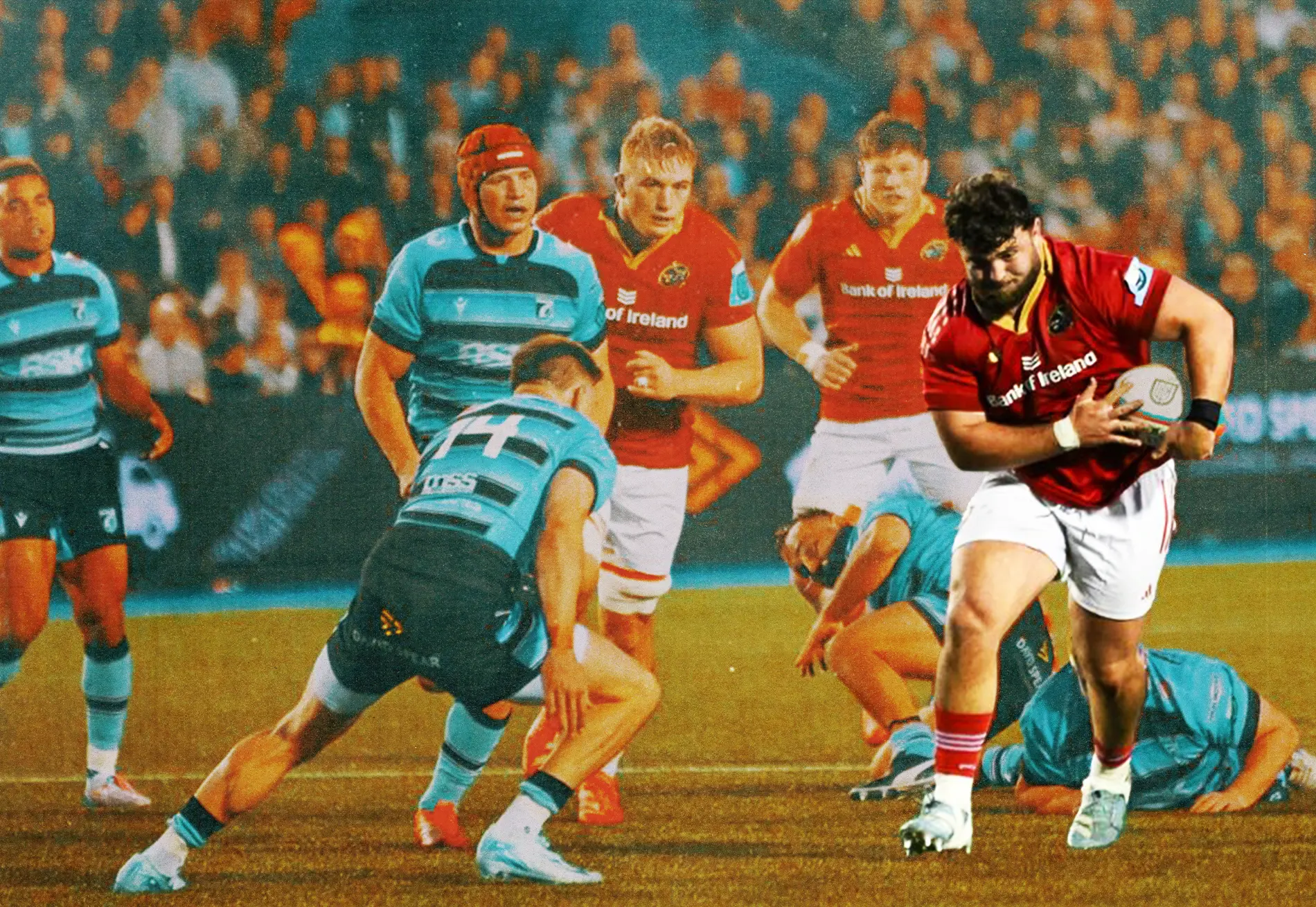
If we take McMillan’s use of the bench as something that can easily translate to Munster, this trio gives him a ton of options for starting and finishing whatever way he wants.
I’d have Loughman as the best scrummager of the three senior looseheads but Milne showed last season that he can be an aggressive, if a little bore-heavy, scrummager who can win penalties. Wycherley is a balance between the two but I can’t help but feel that his best strength is in his support play around the field while being a good, if rarely dominant, technical prop.
Things start to get a little more complex on the tighthead side of the scrum. At the Chiefs, George Dyer was the standout tighthead prop when it came to usage — Reuben O’Neill was a very solid bench option — but neither player had a power profile. I would class both as Support Forward Props with Dyer, perhaps, being a Power Scrummager.
McMillan used Dyer as his starting tighthead on the All Blacks XV tour but Dyer has yet to break into the conversation for a full All Blacks cap this season, where he finds himself behind Fletcher Newell, Tyrell Lomax and Pasilo Tosi.
So I wanted to know why that was.
Ball‑Carrying Analysis
| Metric | Dyer | Lomax | Newell | Tosi |
| Dominant‑Carry % | 11 % | 20 % | 16 % | 39 % |
| Gain‑line % | 37 % | 46 % | 29 % | 75 % |
Insight: Dyer’s carry quality is the clearest gap to Test level; selectors seemed to value Tosi’s impact and Lomax’s consistent front‑foot gains.
Breakdown & Defensive Work
- Attacking Rucks – Dyer (23/80) and Newell (26/80) clear the most and do so at elite accuracy (>81 %).
- Defensive Rucks – Tosi shows the highest efficiency (18 %), Dyer next at 14 %.
- Tackle Volume – Lomax leads (17/80), Newell follows (14.5/80) with top accuracy (92 %).
Selection Implications
| Team Role | Selected Prop(s) | Why Dyer missed out |
| Starting anchor | Lomax | Incumbent, Test‑proven. |
| Backup anchor | Newell | Similar work‑rate to Dyer plus Test caps. |
| Bench momentum‑changer | Tosi | Elite collision data (39 % dominant). |
Dyer’s profile overlaps with Fletcher Newell without providing extra scrummaging credibility or ball‑carry punch; that’s why I think he was the odd man out despite being an excellent grafter. Now, is he likely in the top three to be called up in case of injury this summer during the Rugby Championship? I’d say so.
But for McMillan, the question is whether or not he needs a guy like Dyer, who was heavily rumoured to be coming north to Munster but that no longer looks likely, given that test proximity and a contract that runs to next summer.
When I was assessing the types of tighthead that McMillan used at the Chiefs, and then cross referenced that with what the All Blacks were doing at test level relative to what other test nations are doing, I asked myself the following question, and then asked some analyst friends of mine working in New Zealand.
Do Munster need to sign a prop like George Dyer if Oli Jager is already in the building?
No.
Oli Jager already covers the exact “work‑rate anchor with Test‑calibre scrum” team-role niche, and he does it while being fully Irish qualified and already under contract.
Jager vs Dyer – where the edges lie
| Selection lens | Dyer | Jager | Why it matters to McMillan |
|---|---|---|---|
| Scrum proof vs NH packs | 97 % SR success, no URC/EPCR exposure | URC/Champions Cup proven, penalties vs Leinster/Bulls | McMillan inherits a squad built on Rowntree’s set‑piece; Jager is already validated in that environment. |
| Collision Dominance | 11 % dominant‑carry, 37 % gain‑line | 32 % / 48 % | Munster’s attack relies on first‑phase dents. Jager provides that plus proven scrummaging. |
| Att‑ruck Efficiency | 23 r/80 @ 88 % | 25 r/80 @ 89.6 % | Both elite; Jager slightly better. |
| Def‑Ruck impact | 13.9 % | 6.7 % | Dyer’s one clear edge, but Munster have jackal and disruption threats elsewhere |
| Caps / availability | Uncapped NZ‑eligible (would take NIQ slot) | Irish‑qualified, already in the building. | Are you filling an NIQ slot with a role type you need? |
What Jager already gives McMillan
- NH scrum ascendancy – battle‑tested versus URC heavy packs.
- Carry Power – second only to Tosi in NZ cohort.
- Elite Clean‑Out accuracy – perfect for the quick‑recycle style the new coach favors.
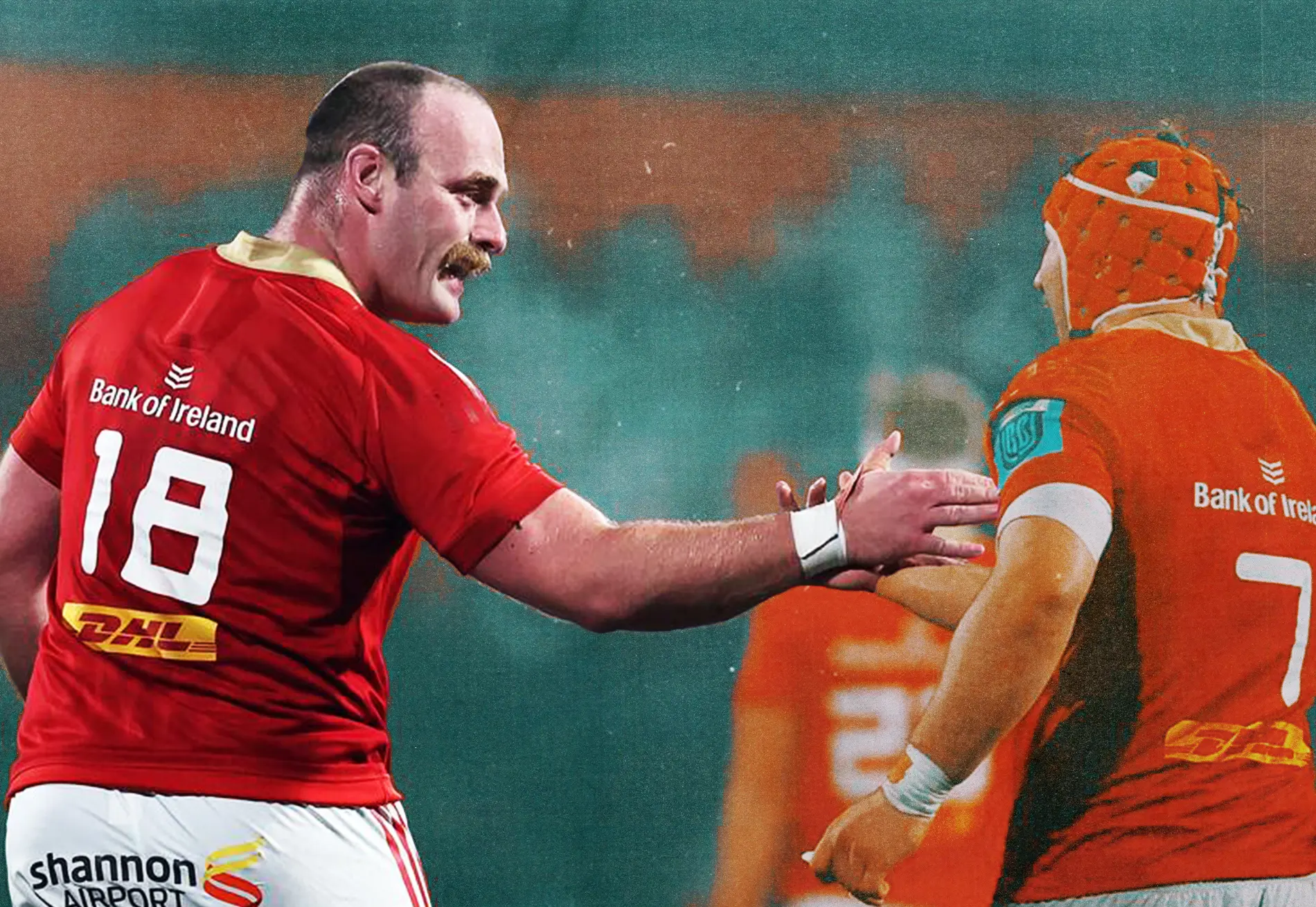
In essence, Jager is already a Power Scrummager role-type with strong Power Forward tendencies. Sure, he’s been unlucky with a bad concussion towards the end of last season, but even during a relatively down-year last season, he showed incredibly strong work when he got a few games together.
You already have John Ryan giving veteran Support Forward cover so the only question is if Roman Salanoa — a long time project for Munster and the IRFU — can recover from his two year injury lay-off to bring his strong Power Forward Prop roleset to bear as bench option.
Then you have Ronan Foxe and Daragh McSweeney as young options who’ll need some seasoning to get a read on what their player role and team role might be. So if Munster were going to sign a prop — and I think we will — it makes sense to sign someone to cover Salanoa’s role, rather than Jager’s, because that would be the best use of a NIQ slot and the money it would take to sign in a player in such a valuable profile.
When I spoke to analysts working in New Zealand, that power tighthead profile was the big “want” in the Chiefs front five build, and it was one they tried to fill in the medium term with Sione Ahio and the long term with Dane Johnston.
That’s the fix Munster need, too, especially when Salanoa’s fitness is a question mark.
