


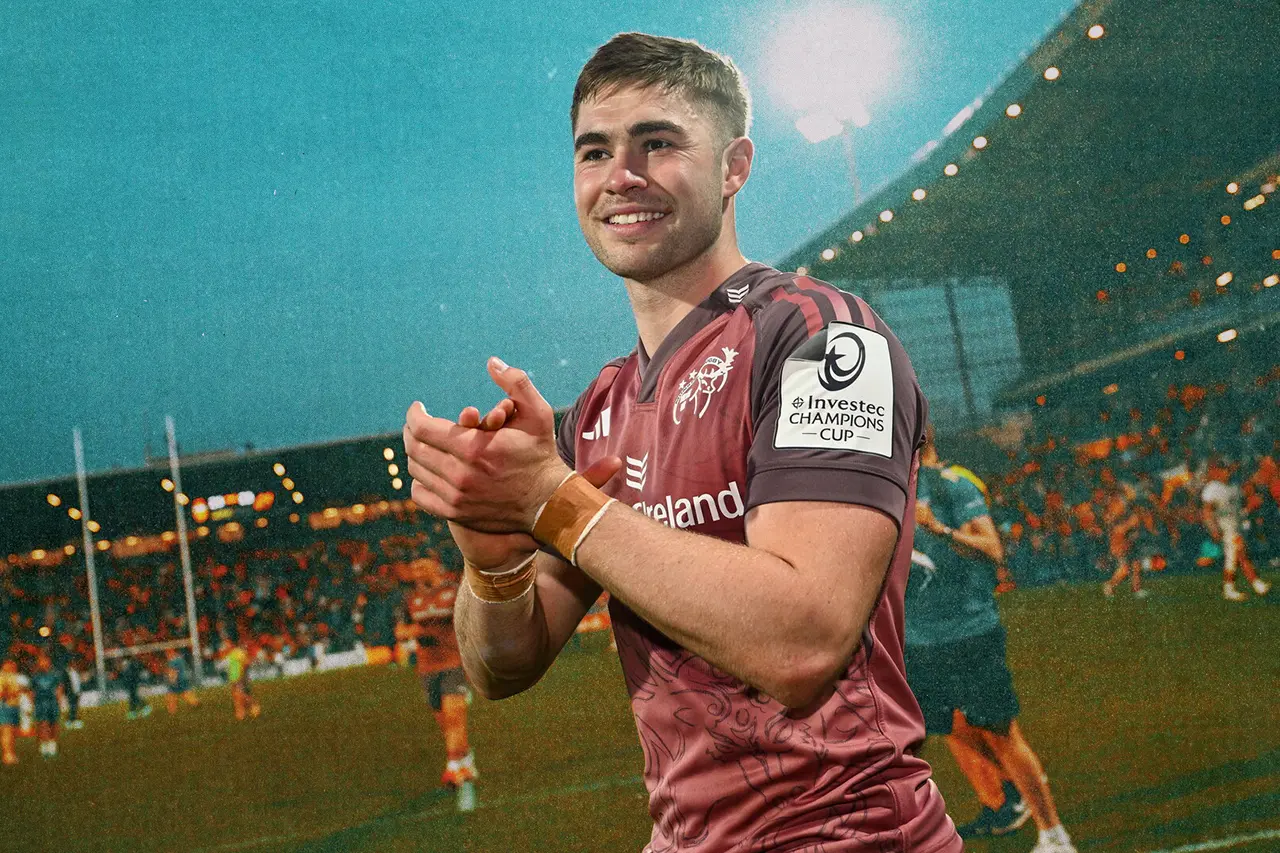
The most important component of any team is the halfbacks.
Other parts of the team are vital, of course, and nobody does anything on their own in this sport, but if you don’t have one or two elite halfbacks, any success you do manage to achieve will be (a) miraculous and (b) short-lived.
There are a few exceptions to this theory, which I’ll list here.
- Exeter Chiefs winning the 2019/20 European Cup with Joe Simmonds and Jack Maunder at halfback, albeit with the asterisk that it was played in front of zero fans during the pandemic. I’d add their 2019/20 Gallagher Premiership title to this, too.
- Castres winning the 2017/18 TOP14 with Rory Kockott and Benjamin Urdapilleta, albeit with the proviso that both were very effective running Castres’ kick pressure style.
- The Stormers winning the 2021/22 URC with Herschel Jantjies and Manie Libbock.
And that’s it. Even then, Kockott, Urdapilleta, Jantjies and Libbock were or are multi-capped internationals, so you could argue that they class as “elite” or, at the very least, very good in the right system. Exeter Chiefs’ run during 2019/20 is the biggest outlier I can remember in the last decade or more.
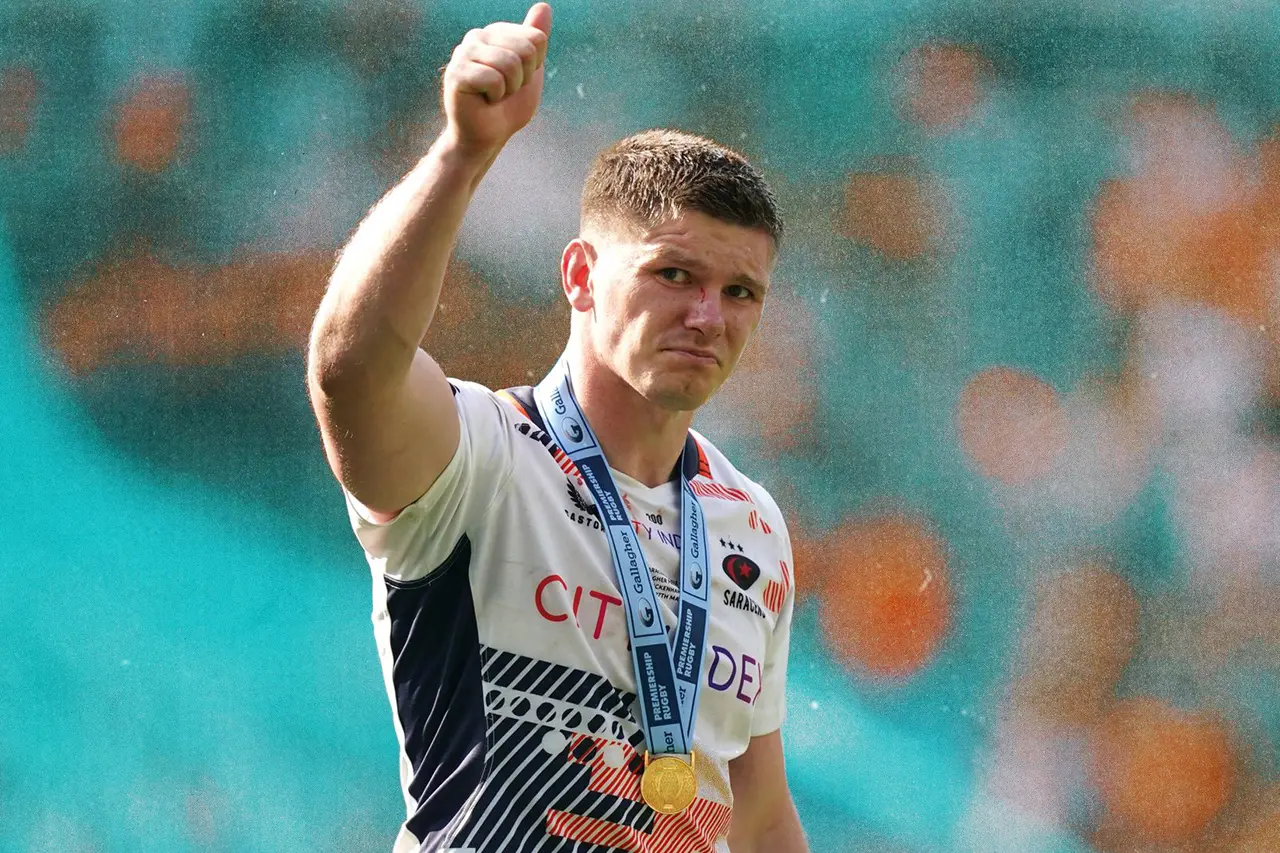
If you want long-term success, you need elite halfbacks at #9 and #10. It’s possible to make it work with elite talent in one slot or the other, as long as you have a serviceable role player to pair them with. I’d classify Leinster’s 2018 European Cup final win in this bracket with Sexton at #10 and Luke McGrath at #9. I’d also make an argument that most of Saracens’ elite run in the middle and tail end of the 2010s had the same, with Owen Farrell at #10 and either Ben Spencer or Richard Wigglesworth at scrumhalf.
A team can be successful with a world-class scrumhalf and a serviceable #10 to play off them — La Rochelle managed to win a European Cup with Ihia West outside of Tawera Kerr Barlow, for example — but in that scenario, I think it’s much harder to be successful without a massive, super-heavyweight pack. Without that, I think you end up a little like Munster during the 2010s with Conor Murray and a variety of #10s outside him who were good, but rarely elite. I think it’s notable that the closest Munster came to success at European Cup level in that time was when we had Tyler Bleyendaal at #10 as part of Rassie Erasmus’ nascent kick pressure game. Bleyendaal was like a “system #10” who gave us a Handre Pollard-like game.
I think that at club level, the choice between one or the other is almost always a budgetary issue. Unless you develop two world-class players at the same time or, at the very least, broadly intersecting with each other anywhere close to their primes, most top clubs will end up pumping their resources into the #10, with the idea being that you can get a decent system scrumhalf to complement them relatively cheaply.
If you manage to get two generational talents together at halfback, it’s simply a case of building size and power around them to help them help you to win it all. Everything becomes quite simple once you have that combination in place.
Toulouse is the example here.
Romain Ntamack came through the Toulouse system, but Dupont was signed by Toulouse as a 20-year-old, early enough in his career that you could almost describe him as a product of that same Toulouse system.
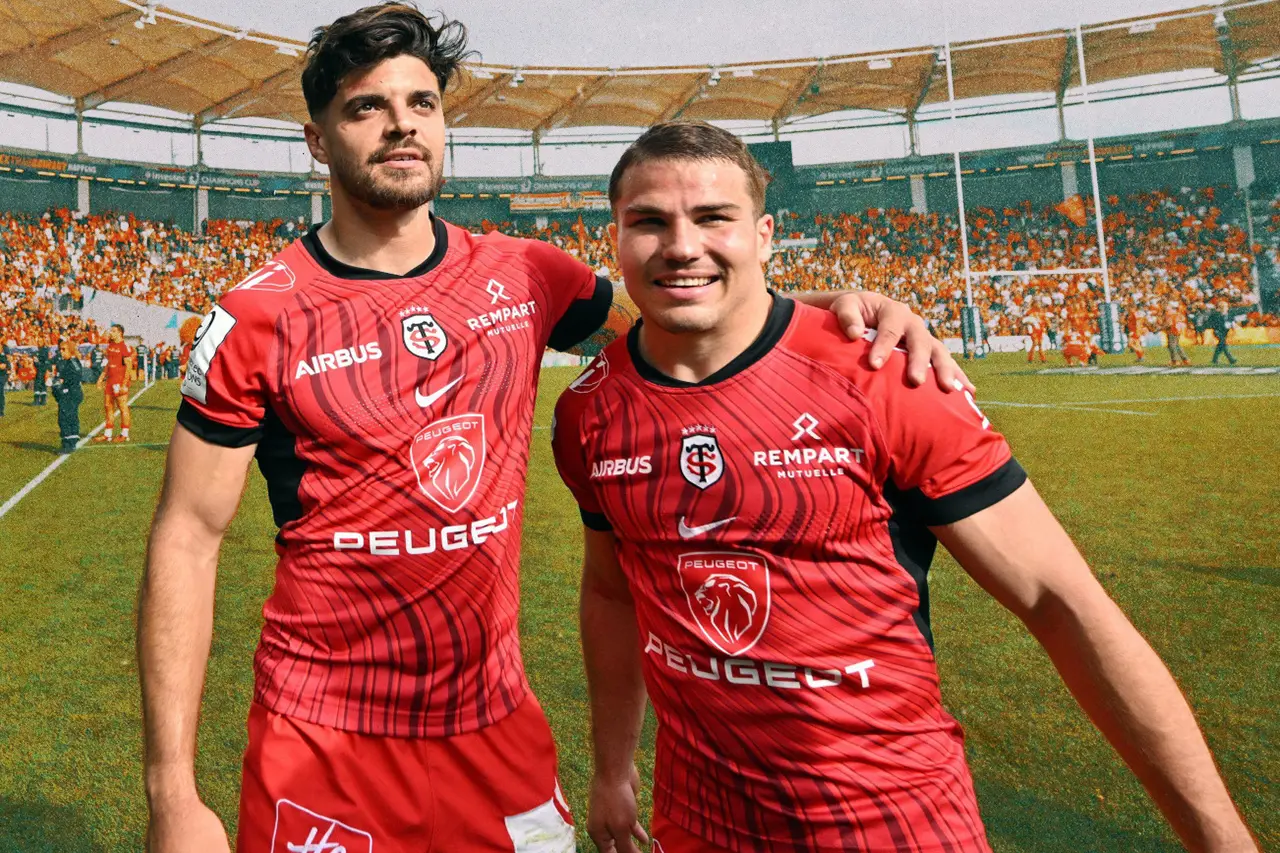
Yes, he played for Castres for three seasons, but he was very much an espoir in those years, even allowing for his test debut in 2016/17 after Toulouse announced his signing in November 2016.
Everyone could see how talented Dupont was, but it was still a punt, of sorts. Nobody really knew he’d become Antoine Dupont. That early signing of Dupont, to partner with Ramos initially, but with the long-term plan for him to form a combination with Romain Ntamack (19 at the time), was a game-changer for Toulouse. Sure, they could have signed Dupont two or three seasons later when he was more proven, but that would have been infinitely more difficult, never mind more expensive, even for Les Rouge et Noir.
My point is this.
Munster have a pairing capable of reaching that same generational level in Jack Crowley and Craig Casey.
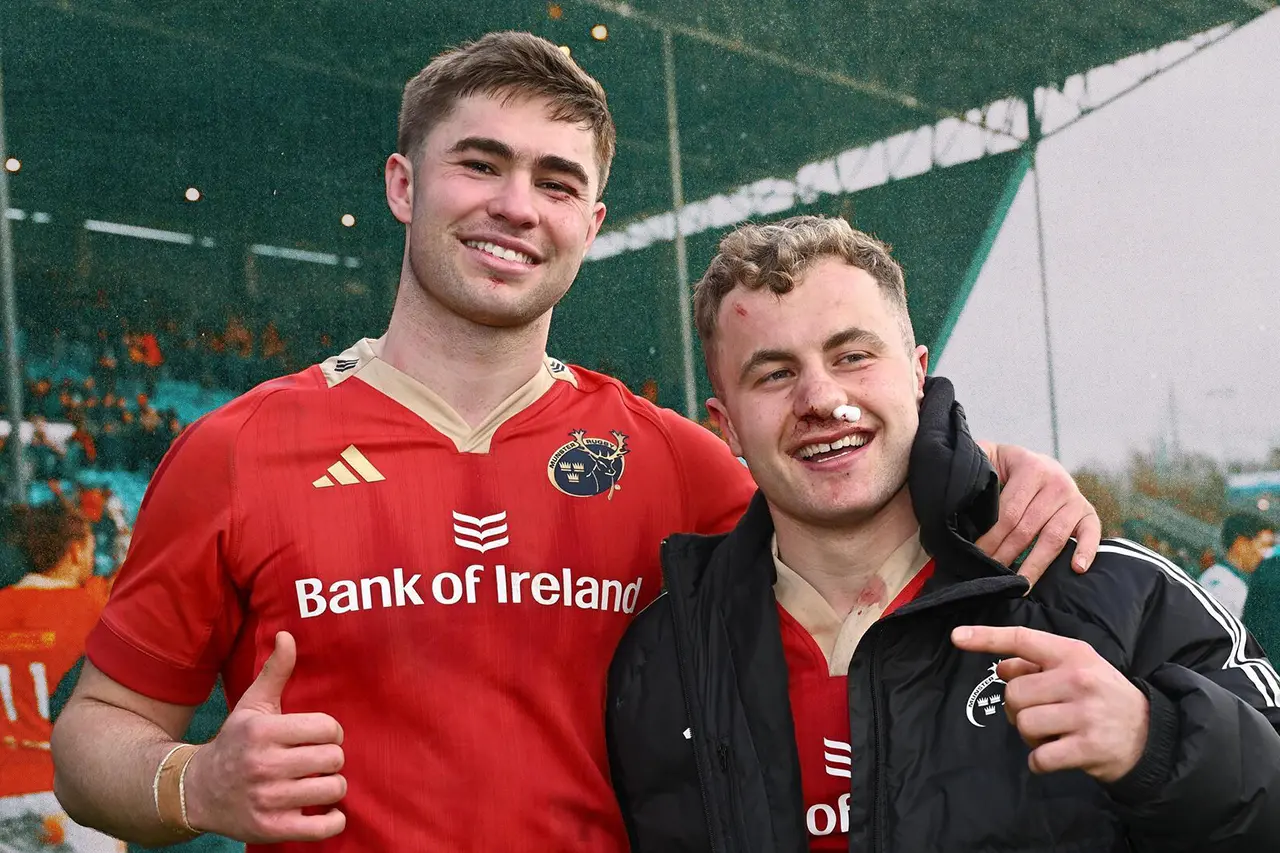
A lot of what I’ve been covering in the Big Reset has been underpinned by the fact that, whatever else happens in the other units, Munster have an elite half-back pairing ready to go.
I truly believe that Casey and Crowley are comfortably at that level or, if they aren’t, they soon will be.
First, let’s focus on Jack Crowley, who is coming off probably the most difficult season of his career so far, to see what the data says.
Where Jack Crowley Sits
I decided to compare Crowley’s 2024/25 datapoints to those of peer flyhalves in Ireland, England, France, and New Zealand.
Here’s what I found as a baseline: Jack Crowley is a high-work-rate, phase-security 10 with elite ruck contribution and defensive volume, but his attacking output skews connective rather than anything that makes headlines, bar a few outlier performances.
- Creation: Try involvements/80 → 22nd pct (0.63/80). Below Russell, Jalibert, McKenzie, Prendergast; ahead of Fin Smith.
- Ball-in-hand volume: Carries/80 → 44th pct (6.79/80). Middle of the pack.
- Contact profile: Into-contact% → 67th pct (63%). He goes into contact more than most 10s.
- Carry efficiency: Gainline% → 11th pct (51%). Lowest in the group; not a line-breaker type. Prendergast’s numbers are skewed by carrying the ball so much less frequently than everyone else on this lift.
- Dominance: Dominant-carry% → 56th pct (29%). Solid, nothing remarkable.
- Threat on the ball: Tackle-evasion% → 28th pct (36%).
- Clean-up/Work: Attacking rucks/80 → 89th pct (5.10/80) with top-tier efficiency (89th pct).
- Defence: Tackle attempts/80 → 89th pct (9.74/80) with 66th-pct success (83.5%); Low-hit% → 78th pct (43.6).
- Turnovers: Turnover tackles/80 → 56th pct (mid-pack).
- Defensive rucks/80: 1st in group
Crowley tops this cohort for defensive and ruck workload (and does it efficiently), commits defenders at an above-average rate, but his headline attacking yield (try involvements, evasion, gainline %) sits in the lower third based on last season’s numbers.
How the others stack against Crowley
- Romain Ntamack — collision-positive controller.
Lower carry volume than Crowley, but elite quality when he does carry (dominant-carry 53.5%, gainline 67.9, commit-2+ 37.7). Ntamack has far fewer ruck involvements on both sides of the ball, but a similar creation rate. If you want a “hits hard, wins collisions” 10, Ntamack is the benchmark. Crowley has the athleticism to be that guy, but isn’t. More on that later. - Damian McKenzie — volume runner/playmaker.
McKenzie is an outlier for carries/80 and try involvements, but that’s correlated with a far lighter defensive load. He’s got great ruck efficiency but lower ruck involvement than Crowley. McKenzie is pure attacking gravity vs Crowley’s phase play security. - Matthieu Jalibert — pure creator.
The Bordeaux #10 has the best try involvements/80 in this group, with high carries, top-class evasion, but very low ruck efficiency and has the second-worst defensive numbers in the set. Crowley’s 2024/25 was an inverse to Jalibert; less sizzle, far more glue ruck to ruck. - Finn Russell — orchestrator.
Strong creation & evasion; minimal ruck involvement; below-average tackle success. Crowley massively outworks Russell around the breakdown/defence, as you probably already guessed, but can’t match Russell’s attacking output. - Fin Smith — system 10 with edge in gainline.
Even higher defensive volume than Crowley (tackles/80), similar ruck work, better gainline%, but less creation and evasion. Very close archetype; Crowley has the ruck-efficiency edge. Smith is an interesting comparison with Crowley because so much of their data looks the same; their goal-kicking percentage is the only real tie-breaker on last season’s evidence, followed by Crowley’s power and athleticism. - Marcus Smith — evader/finisher.
Higher evasion (54%) and commit-2+ (38%), more turnovers won, and a way lighter ruck load. Marcus Smith brings an end-product threat Crowley currently doesn’t, at least on the evidence of last season, but that’s at the cost of some of Crowley’s defensive grunt. - Beauden Barrett — runner-first.
High carries/80 and solid creation; low low-hit% (tackles tend to be higher on the body) and modest ruck volume. Crowley is sturdier defensively; Barrett is the more dynamic carrier. - Sam Prendergast — high-ceiling volatility.
On limited minutes and very low carrying numbers, Prendergast posts top-end evasion (65%) and dominant-carry (47%) with strong try involvements/80. There is context to this; most of his carries are inverted. Prendergast excels at evading direct pressure in the pocket and rarely attacks the gainline directly. As you might expect, Prendergast has the lowest tackle success rate. In an Irish context, Crowley is the reliability/control contrast.
What does this mean?
Crowley’s edge last season was invisible labour. Yeah, that’s a nice way of saying “unseen ruck work”. Yeah, that’s actually something of a problem for your primary creator.
Crowley was top of the group for defensive rucks and near the top for attacking rucks, attacking ruck efficiency, tackle volume, and with a tidy low-hit tackle technique. Crowley’s ruck work underpins Ireland/Munster’s phase security and allows the backline to reset faster after spills or messy collision work.

He takes proper responsibility for the ruck in a way that many of his peers don’t, and I sometimes feel this selflessness holds him back a little. I don’t want my primary playmaker hitting as many rucks as Crowley does, but, at the same time, it’s been needed at Munster last season. I said this in my midfield article on Alex Nankivell, and I think it’s true of Jack Crowley too — a lot of the success that Tom Farrell saw last season was facilitated by Crowley and Nankivell playing slightly off-role for their best strengths, even allowing for both Crowley and Nankivell carrying knocks and injuries throughout the season.
We played very wide and unstructured last season in a lot of games, and that sometimes led to very wide attacking sequences where we needed Crowley to step at the ruck far more than I’d like, but it was necessary. I felt our attacking work last season almost had to scramble away from central areas to try and find some separation, such was the volume of screen passes and tip-ons that we played with through the forwards in that wider-bore 3-3-X system.
On his own offence, Crowley carries into contact a lot but doesn’t convert to gainline or evasion like the elite attacking 10s (Jalibert, McKenzie, Marcus Smith), which doesn’t sound right, but the data says what it says. I think that’s the clearest statistical gap, but it should be easily fixed given that Crowley is, arguably, the most physically powerful of the group I assessed.
But the real focus here is how Crowley interacts with our midfield and Dan Kelly in particular.
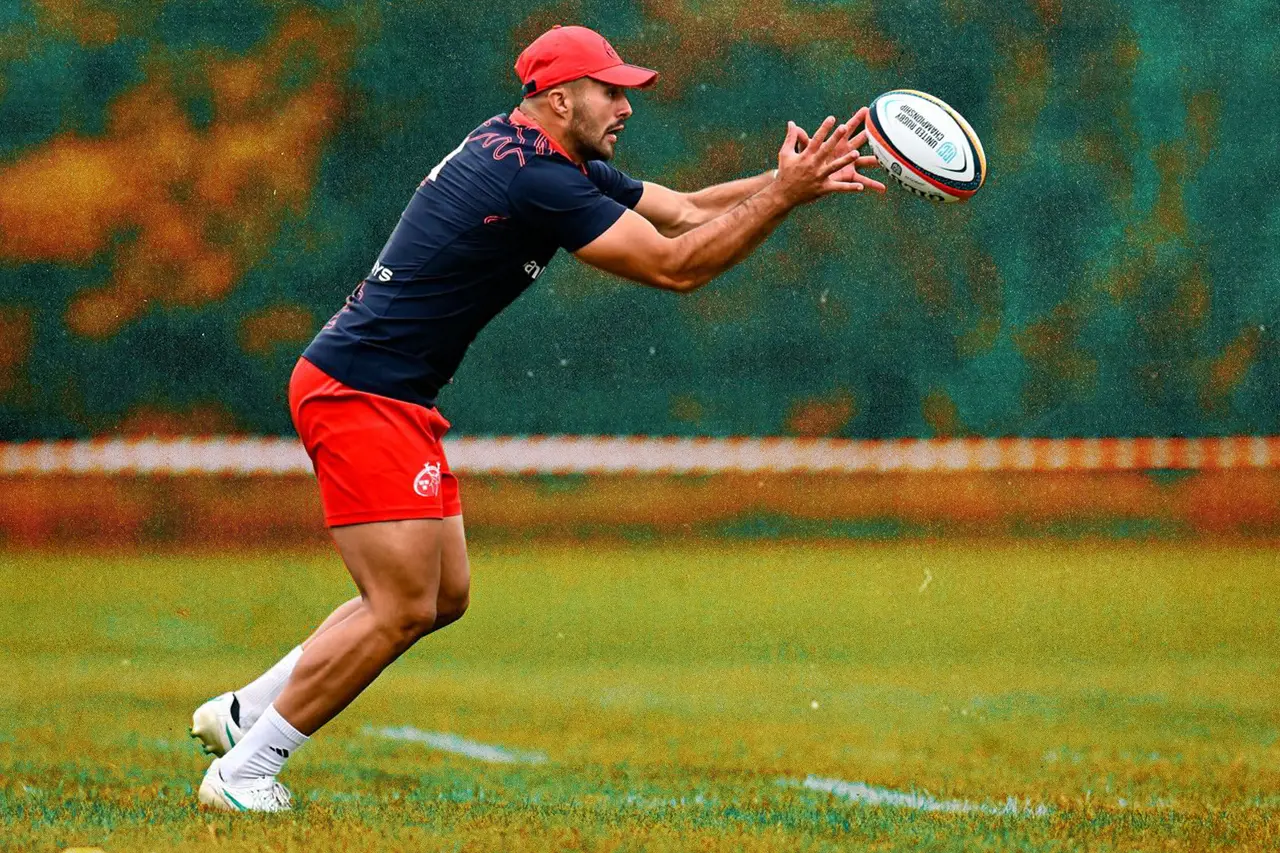
Crowley and Kelly were great friends during their U20 campaign together, and it’s somewhat fitting that they finally get to play on the same side as senior professionals, especially as Kelly’s move to Munster seems to have been heavily rumoured every other contract cycle since 2020.
Munster’s signing of Dan Kelly was a very deliberate move for specific, systemic reasons. I think it was to free up Alex Nankivell as our primary #13 and, almost more importantly, unlock Jack Crowley as a running and connective threat.
We’ve seen Crowley be that guy during his career so far, even specifically last season away to Northampton, for example, against Connacht in McHale Park and against Stade Francais and Saracens in Thomond Park. But how do we produce a system that moves him closer to Jalibert/Ntamack/McKenzie numbers? By taking 3+ rucks out of Jack Crowley’s game, and freeing him up to play wider.
What Dan Kelly Brings
Just based on last season, where Kelly primarily played at #13, you have this as a baseline.
Ruck engine: 72 attacking rucks in 514’ → ~11.2 per-80 at 94.4% eff. (elite first-clean rate).
Collision winner: 37 carries / 33 into contact (~89% contact rate) with 42.4% dominant and 56.8% gainline.
Gravitas: 54.1% commit-2+ tacklers (very high).
Defence: 10.7 tackles/80 @ 85.5%, 10.1% dominant — reliable midfield stopper.
If we move Kelly to #12 — closer to the primary playmaker, one slot closer to the
What should shift if Kelly plays #12
Baseline from our data (514’ at #13): 5.8 carries/80, ~89% into contact, 42.4% dominant, 56.8% gainline, 54.1% commit-2+, 11.2 attacking rucks/80 @ 94.4%, 10.7 tackles/80 @ 85.5%, low defensive-ruck impact.
Projected at #12:
- Attacking rucks/80: +10–25% → 12–14/80 (#12 is more often first cleaner off 10/forward touches). Keep efficiency ~92–95%.
- Carries/80: +20–35% → ~7.0–7.8/80, more first-receiver and unders lines.
- Into-contact%: stays high (85–90%); more traffic in C/D field channels.
- Dominant-carry%: small change, −2 to 0 percentage points (he’s already high at 42%; bigger bodies inside may trim it slightly, but that’s OK).
- Gainline%: +2–4 percentage points (closer spacing, pod support, quicker ball after clean).
- Commit-2+%: remains a weapon ~50–55% (#12 fixes guards more reliably).
- Tackles/80: +10–20% → 12–13/80, first-tackler% rises (closer to 62–66%).
Aim to lift low-hit% from 29.5% → 33–38% for quicker defensive recycle. - Defensive rucks: volume up a touch (+10–20%), but I wouldn’t re-task Kelly as a jackal; his steal profile is modest. Keep him tackler + first clean, not poacher.
Dan Kelly was in the England frame as a hard-running #12 just like the profile I’ve outlined here, but I think Leicester’s desire under McKeller and later Chieka to get the more explosive Solomone Kata in place at #12 to get the most out of the notoriously static Handre Pollard shifted Kelly away from the role where he’s at his best.
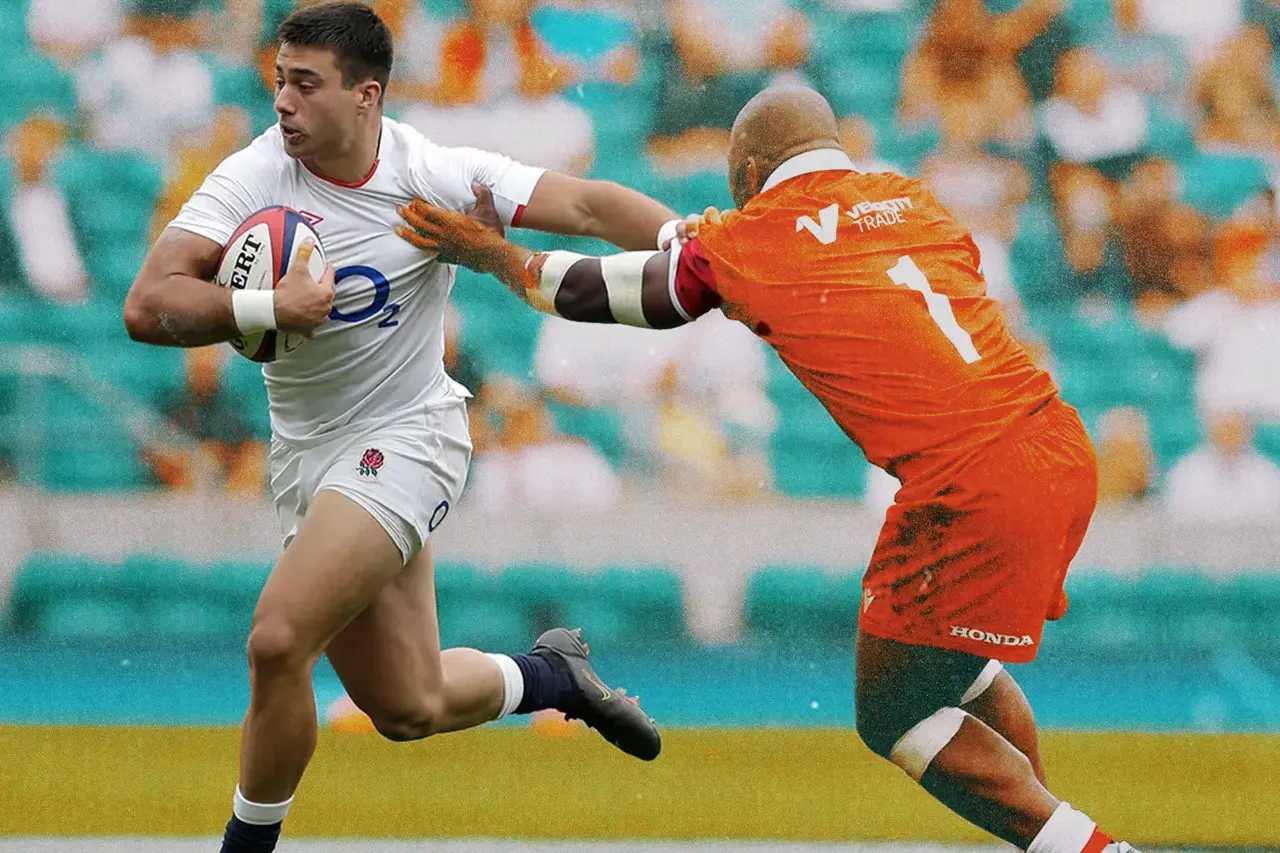
How does that unlock Crowley’s running?
Dan Kelly at #12, in theory, absorbs way more of the “glue” phases that pulled in Crowley last season and frees him up for more of the running and connective work that will push him to the next level.
Crowley attacking rucks/80: drive down to ~2.5–3.5 (from ~5.1).
Crowley carries/80: +2.5 to +3.5 (more second-touches).
Moving Kelly to #12 amplifies what he already does best — win collisions and clean early — and that’s precisely the scaffolding that I think will turn Crowley from glue + rescue guy into a top-class connector and runner. How is that any different from Nankivell at #12? Well, I thought the same, so I ran the data on Nankivell’s 2024/25 and compared Kelly’s baseline numbers at #13, and extrapolated them for #12.
Essentially, Kelly can replicate the collision/first-clean spine of Nankivell but with more ruck volume/efficiency and better gainline%, but a little less evasion/commit-2+ and probably slightly lower dominance. This frees up Nankivell to play at #13 with more space, where his evasion and dominant carrying will be more effective in tandem with the extra freedom Crowley should have.
Kelly soaks up first contact and/or first clean, so Jack’s attacking rucks/80 drop ~1.5/2.5, carries/80 rise +2/3, and you should see +3–6 percentage point gainline, +5–10 percentage point evasion, −5–10 percentage point into-contact for Crowley as a result.
***
Our flyhalf depth chart is better this season than it was last year. I wasn’t automatically against the signing of Billy Burns, but I think it’s fair to say that he didn’t work out as I’d hoped, even as a backup. Injuries didn’t help — actually, they undercut him from almost the first game — but issues with his line kicking and some iffy performances where it felt like he needed Stuart McCloskey to orbit around, but we didn’t have anyone like him, meant it was incredibly unlikely that he’d stay any longer than the one-season deal he was signed on.
That opened up a spot to be filled, as I think it was pretty clear that while Tony Butler has something about him, I don’t think he was ready to be the 1B to Jack Crowley this season. Enter JJ Hanrahan for his third spell at the club.
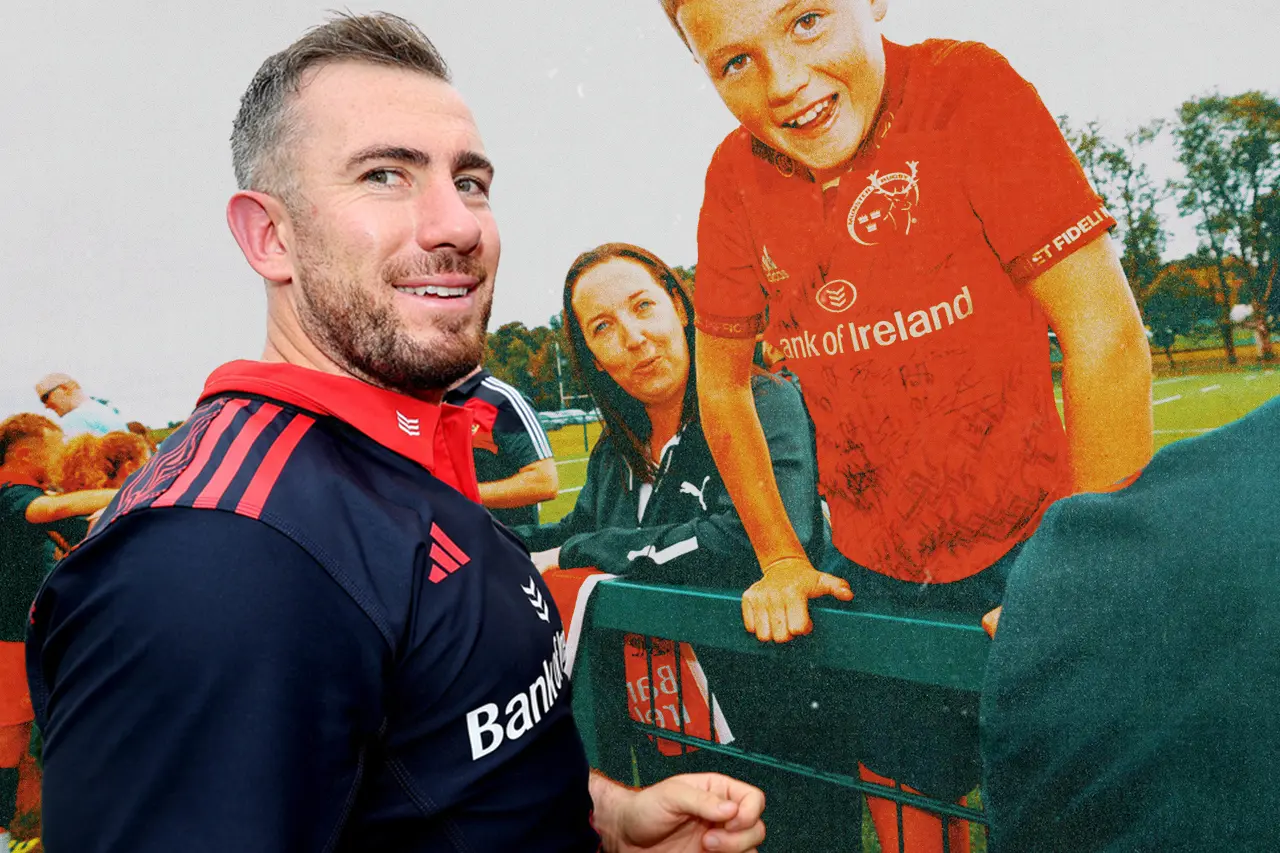
It’s a good signing. Hanrahan is about as experienced as it gets when it comes to Irish-qualified #10s, and he’s been very solid for Connacht when fit.
Comparing him to Crowley shows some similarities and some areas where he brings something different.
These are normalised to per-80 and flagged small-sample caveats.
Snapshot: JJ vs Crowley
- Try involvements/80: 0.22 (JJ) vs 0.63 (Crowley) — lower headline output.
- Carries/80: 3.5 vs 6.8 — JJ much lighter runner.
- Into contact %: 81% vs 63% — JJ goes to contact far more often than Crowley as part of Connacht’s system last year, will likely play a little lighter this year, but he didn’t carry all that often (16 carries), so this number is a little bloated.
- Gainline %: 43.8% vs 51.3% — JJ struggled to win the gainline on those contacts, but again, the numbers are bloated due to low volume.
- Dominant-carry %: 38.5% vs 29.2% — good on a small sample (16 carries).
- Commit 2+ tacklers %: 43.8% vs 32.9% — strong ability to draw help, again on a small sample.
- Tackle evasion %: 25% vs 35.6% — lower evasion.
- Attacking rucks/80: 2.65 vs 5.09 — JJ cleans less; ruck eff. 75% vs 89.5%.
- Tackles/80: 6.0 vs 9.7 — lighter defensive volume; success 70.4% vs 83.5%.
- Defensive rucks/80: 0.22 vs 1.97 — far less clean-up on D.
Read on JJ’s role
JJ’s profile for Connacht suggests a 10 who can produce dominant collisions and draw two tacklers when he does carry, but he offers less evasion, gainline and defensive work than Crowley and less ruck support. Hanrahan’s a natural runner of the ball and plays really well on the front foot as a creative passer and kicker, but he’s also very good in structure.
As a backup/controller, JJ fits games where Munster wants structure, exit reliability and a 10 who will take contact to hold shape. With collision-winning centres around him, his commit-2+ trait can still stress the seam, but you shouldn’t expect Crowley-level ruck coverage or defensive volume. Hopefully, we won’t be getting that ruck coverage from Jack, either. Hanrahan gives us a lot of what we’ll be relying on at the top level from Crowley, and hopefully, JJ will be available for most of the season to allow us to maximise Crowley’s minutes.
Jack averaged 1,398 minutes for Munster in the last two seasons, starting 35 out of 36 games in that time and played almost every minute of those games. He averaged 81 minutes a game last season (extra time against the Sharks took him above 80 minutes for the season) and 75 minutes a game the year before. I think we’ll get a much better return from Jack as our primary playmaker if he plays around 18/19 games for us next season, including his load for Ireland, and maximising at around 1100 minutes for the season.
Hanrahan makes that a real possibility.
I mentioned budgets earlier in this article, and #10 is very much where we’re carrying a little extra load this year as opposed to scrumhalf. This is sensible, given the way we play. Casey is a level-raiser — and I’ll go into that in full in the last instalment of this series — but I think you’d be more than comfortable using Hanrahan to guide some of the younger/depth options at #9 through the games where we don’t use either Casey or Crowley. That will also allow us to look at younger options like Butler — although
This core area of the squad looks to be in excellent shape because it’s about stripping things away rather than adding them.
