

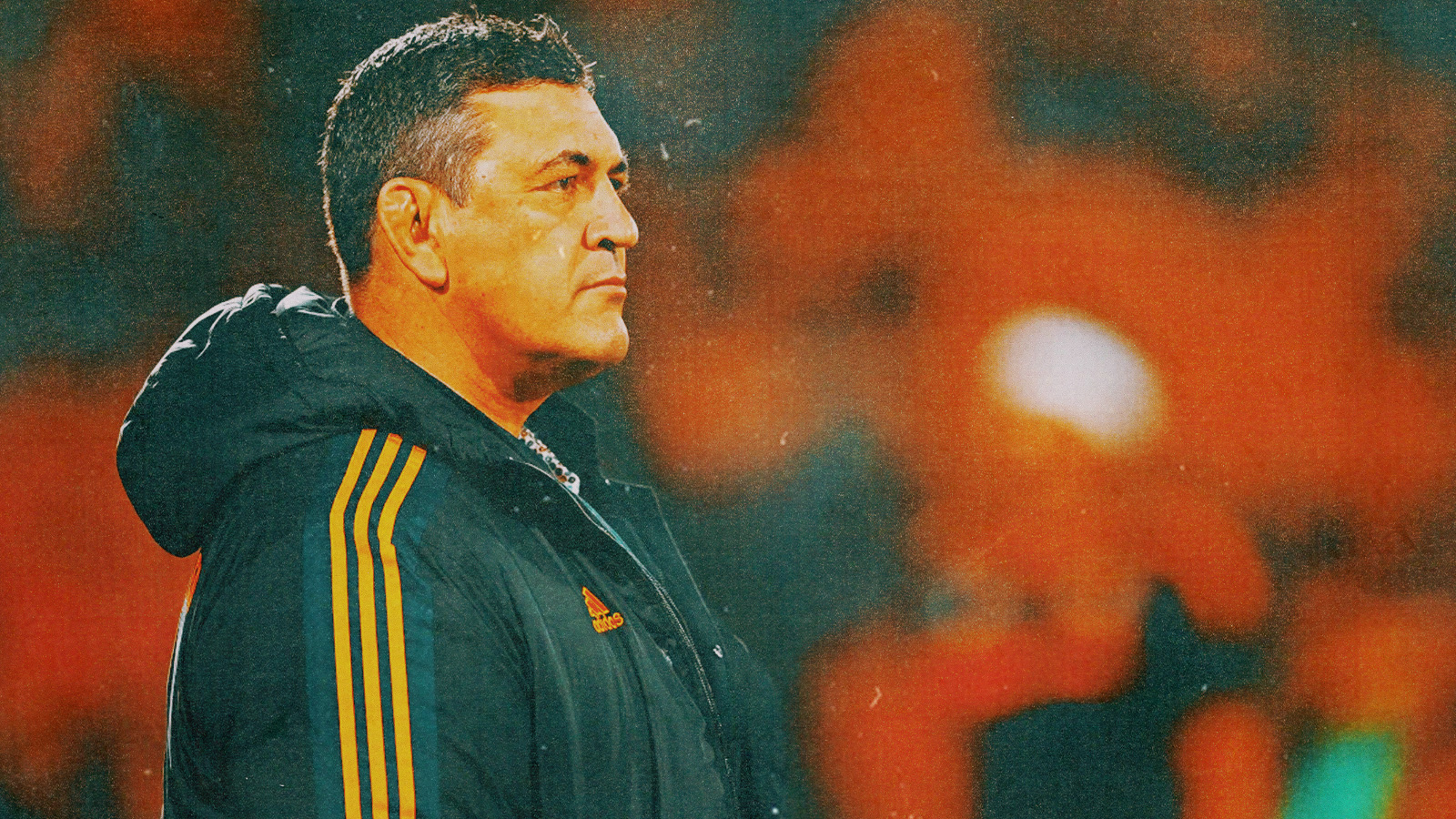
Hiring Clayton McMillan as Munster’s new head coach for at least three seasons would always come with as many complications as it did possibilities.
On the face of it, it’s a simple decision to make. McMillan’s quality and experience is clear, especially with the echoes between the Chiefs and Munster from a squad build perspective.
McMillan had a contract with the Chiefs until 2026, but they could activate a break clause for specific overseas positions. Once McMillan saw no chance of advancement in New Zealand—Scott Robertson is the All Blacks coach until the 2027 World Cup, and that would require exceptionally poor results to change—he pursued an overseas role.
He has an ambition to coach the All Blacks, but he is also quite pragmatic. Many in New Zealand feel that the man to replace Scott Robertson in 2027 – if he is to be replaced at all – is the former Japan coach and widely hailed Jamie Joseph, who currently coaches the Highlanders. Is it that outlandish to see him and Tony Brown – currently working with the Springboks – teaming up once again with the All Blacks in 2027 if the job becomes available? Not to me.
Vern Cotter – a man with plenty of test experience, is currently stewarding the Blues to a better win record than Graham Henry after winning Super Rugby Pacific in his first season.
Clayton McMillan is every bit as credible as these coaches but what he doesn’t have, relative to his prospective competition for the All Blacks job should that role become available, is top-level international experience.
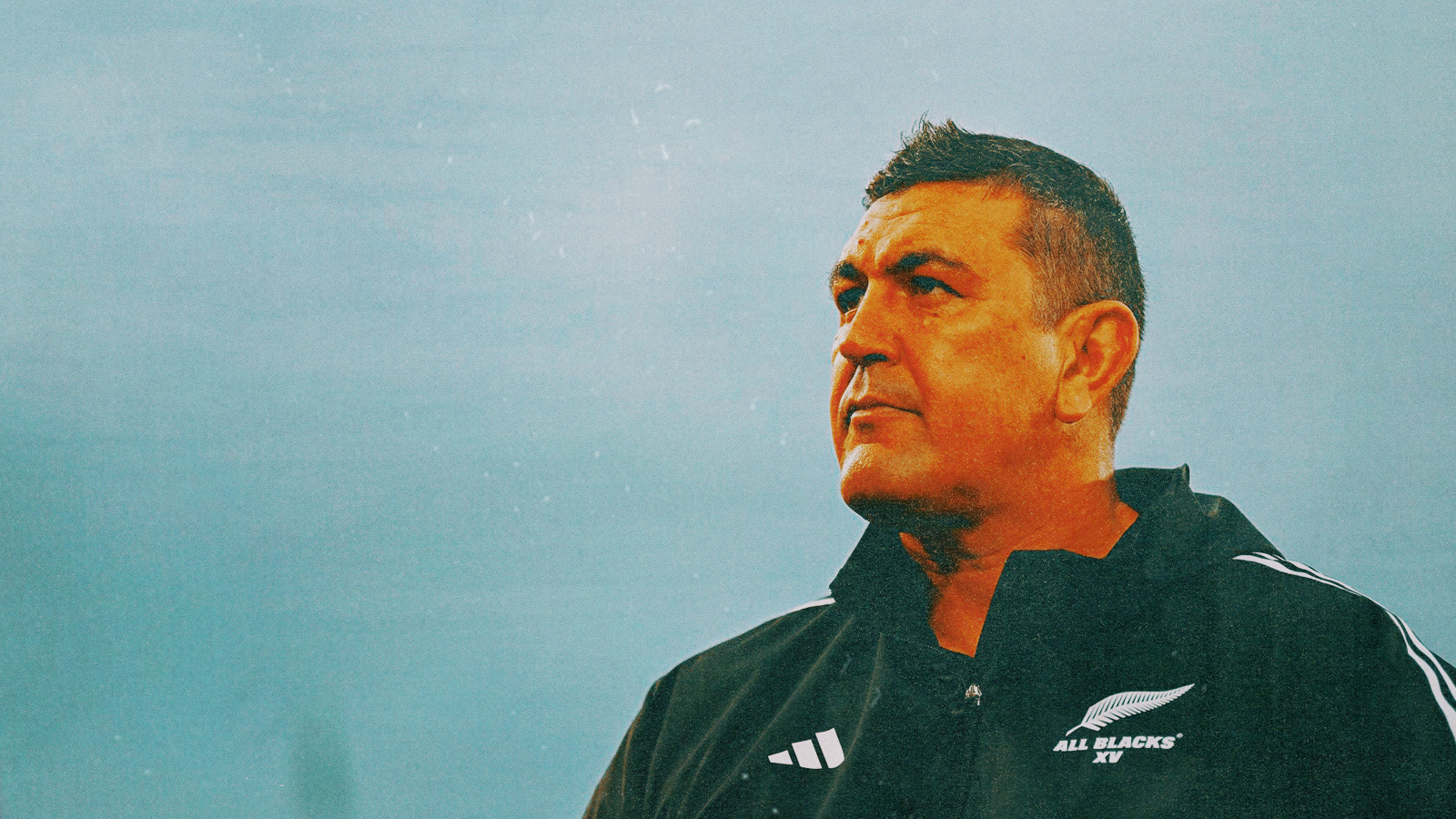
McMillan being a coach with the potential to coach the All Blacks, is a massive positive, not a negative. Of course, a bit like with Rassie Erasmus, when you sign a guy who could be a test coach, you risk someone coming in with an offer to make them a test coach sooner rather than later, but what’s the alternative? Setting your sights on someone nobody else would want? What would be the point of that? Is it possible that, if Scott Robertson leaves after the 2027 World Cup, Munster might lose Clayton McMillan to that job? Absolutely.
But if you want the best coaching hires, you must accept that they are going to be desired by others.
The complicating matter in all of this was the fact that Mike Prendergast was going for the same role and, even though he’s promoted to Senior Coach in this setup – the same title as 2x World Cup winner Jacques Neinaber – there’s no doubt that he’s disappointed to have missed out on the lead role, especially when he spoke openly about applying for it.
As recently as late December, I was certain Prendergast would be in a very senior role. I felt that, given the noise around Rowntree’s departure, Prendergast signing a new deal along with Denis Leamy two weeks later and his openness about “throwing his hat in the ring”, inevitably, he’d win the role. After all, why open yourself up to that scrutiny unless you were mostly sure you had the job? I think Prendergast was the natural successor for the role and that the IRFU broadly thought the same, albeit with a need to get some experienced coaches around him.
Something changed with the IRFU’s thinking on this role as the season progressed. In mid-December, the IRFU contacted McMillan about the role; further conversations led them to choose him as the head coach in late January or early February.
Why?
There could be several reasons. Munster not blowing the barn doors off the season post-Rowntree might have played a role. We certainly have improved since November, but not radically so. Maybe that factored into the thinking. We also can’t ignore the recommendations of Chris Boyd, who provided a tonne of insight into the coaching set-up as an outside voice himself.
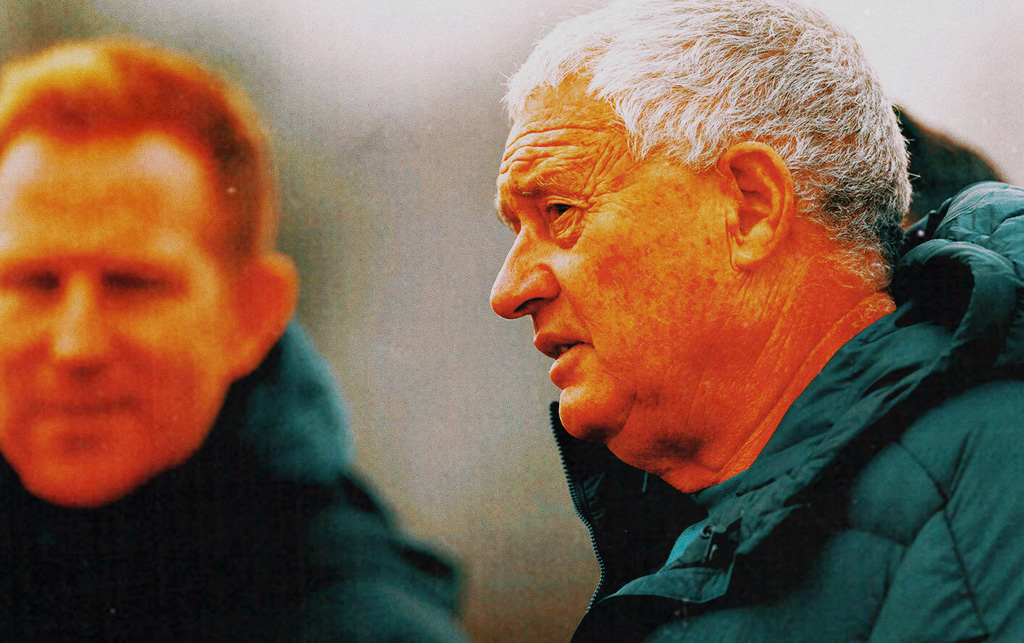
His recommendations are unknown – they were not and will never be public – but from speaking to a good few people around the team since Rowntree’s departure, I found things were still somewhat shaped by structures in place since Johann Van Graan’s time. Either directly, or almost as a mirror image of them.
Rowntree replaced Van Graan in the summer of 2022 and aggressively changed what he felt was lacking in the last days of Van Graan’s Munster project.
It was not without casualties, but he was fighting fires every week on the way to winning a URC title that looked like science fiction inside his first ten games as Munster coach. Even then, cracks were apparent, and early in Rowntree’s first season, the IRFU and Munster decided to delegate some of his workload so he could concentrate more on the weekly issues. The IRFU appointed Ian Costello to the newly created position of Head of Rugby Operations at Munster in January 2023.
Head of Rugby Operations always seemed like a slightly re-badged “Director of Rugby” title to me in that it essentially gave Costello the powers of a DOR, without visually demoting Rowntree as head coach. It was certainly a little more beefy than Guy Easterby’s role with an identical title at Leinster, for example. Both Costello and Rowntree would be invitees to the Munster Professional Game Board, which said a lot about the importance of the new role. Costello’s job – then and now – was to take a longer-term view of the game in Munster while Rowntree looked after the week to week coaching. Soon, the longer-term view of Munster Rugby was that Rowntree didn’t have a place in it.
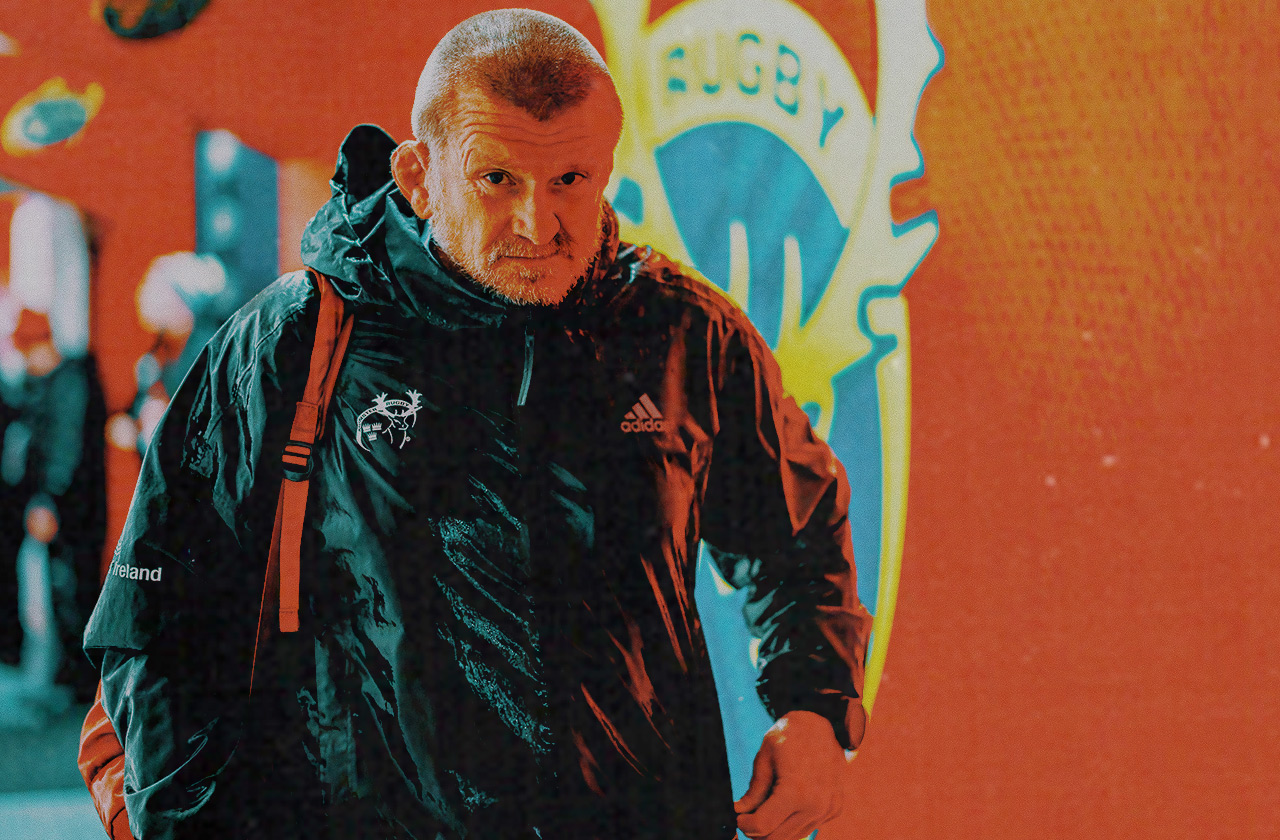
The general feeling I got from talking to a few different people was that a lot of Munster’s training structures and concepts had become a little warped in the week-to-week battle of trying to field a team as injuries pulled the entire organisation out of shape and out of kilter. No team can survive 15-20 senior players on the long-term injured list for most of the season. It’s not normal. It doesn’t happen to other sides and, if it does, it certainly doesn’t go two seasons in a row. Even now, we still have eight Category A matchday squad players rehabbing medium-term injuries or returning from over a year out of the game. It looks like a holiday in Tenerife compared to earlier in the season, but would be a disaster for any other elite club looking to win things.
Take eight of Leinster’s matchday squad – the positional equivalents would be James Lowe, Hugo Keenan, Cian Healy, Jamie Osborne, Jamison Gibson Park, RG Snyman, Joe McCarthy and Rabah Slimani – and their top-end quality drops too. Not as much as Munster’s, but still significant enough to cause genuine issues in achieving their aims.
Many in the IRFU saw Rowntree’s lack of experience as a head coach, despite being one of the most experienced unit coaches in the game as a massive issue, even relatively early in his tenure. This translated to smaller details being missed, things getting jumbled from block to block, and a lack of clarity and quality.
I’m not re-litigating Rowntree’s departure here, but Prendergast and Leamy were a part of that set-up just the same as Rowntree and Kyriacou. The months that followed were going to be a live audition for Mike Prendergast to change elements as he saw fit, with results and performances being the proof of those concepts. Costello is the interim head coach, sure, but most of the game direction is being driven by Prendergast. It was a tough spot for Prendergast to be in while actively pitching for the role.
Poor performances – like the losses to Leinster and Northampton – would be more damaging to him than an outside candidate.
Did a poor enough December and January push the IRFU to an outside hire? Did Boyd’s recommendations on what he saw during that time play a part? We have to assume they did.
But when the IRFU and Munster went with McMillan as the head coach, it immediately set up a potential problem with Prendergast.
***
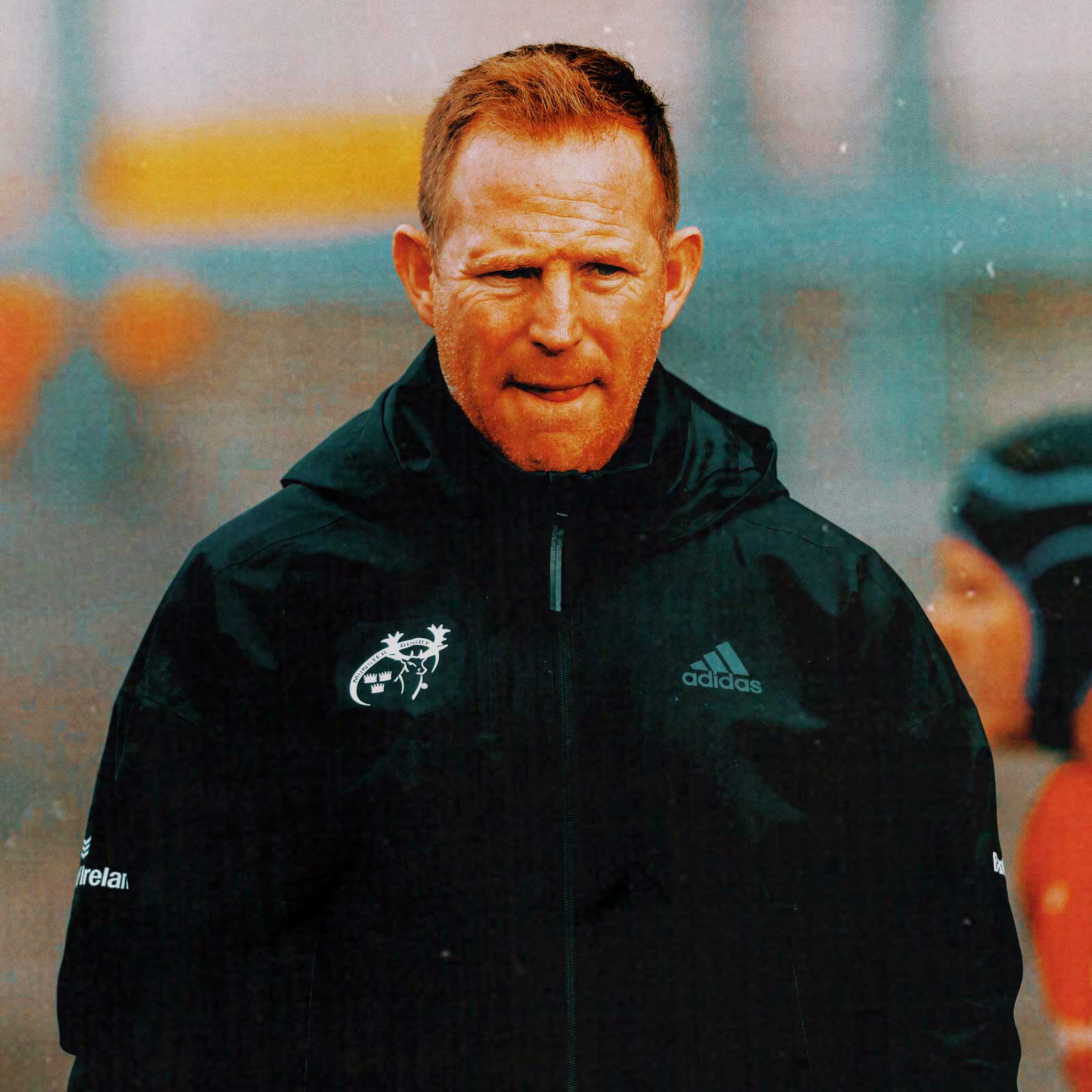
Mike Prendergast is a popular figure in the club, very well liked by pretty much everyone. The IRFU and Munster’s decision to put McMillan at the head of the program obviously disappointed him and those close to him. Sure, he was getting a promotion to the title of Senior Coach with an enhanced remit from his previous role as attack coach – “[Prendergast] will now have a more central role in team preparation, strategy, selection and recruitment” – but that is not the final authority in this setup.
The head coach is the final decider on everything and, as senior coach, Prendergast will have a large input into what happens at the club – certainly more than before – but not the final say. When you’ve applied to be the man with that final say, it comes back to whether or not you are comfortable taking that finality from the man who the organisation chose ahead of you.
I think Prendergast will see this as the opportunity that it is – if not to coach Munster Rugby in three years, then to take his coaching career to the next level. He has a two-year contract that expires the year before McMillan’s does, so he will know a lot more about what and where his future is by that point. Either way, I feel he is in a no-lose situation, but it’s very important that his first meeting with McMillan in July of this year establishes the lay of the land in a very definitive matter. If that is not done correctly, there is the potential for a Penney/Foley like situation that has the potential to fester in the media if results are not good.
These issues rarely show up in person day to day, but when ex-Munster talking heads in the media turn against an “outsider” in favour of the guy they played with, the suspicion is often that the call is coming from inside the house, so to speak.
McMillan and Prendergast are too professional and pragmatic to allow that to happen.
Costello’s promotion to General Manager in all of this is notable because it has imbued him with even more authority than he has now. As the official announcement says;
As General Manager, Costello will oversee high-performance rugby at Munster. He will be responsible for developing and leading the strategy for the professional game and player pathway to ensure excellence, alignment and integration across the club. The role includes responsibility for the progression of the professional team, players, coaches and performance staff.
That is a very important role and positions him as being the ultimate authority on the rugby side of the game in the province. It strikes me as a mix between a Director of Rugby and something close to what Garret Fitzgerald’s old role in the organisation used to be. It is Costello, rather than any individual performance side coach or coaches, that will provide the ultimate continuity for this group from now on.
***
The reason this coaching hire was so important is because the IRFU believe that the next core of the Irish national side is developing in Munster. When you look at the last few Irish u20 teams, it’s arguable that the most important performers in each class of the last three years were Munster players. Munster were not bulk providers but when it came to difference makers, guys like Evan O’Connell, Michael Foy, Brian Gleeson, Ben O’Connor, Eoghan Smyth, Ruadhan Quinn, Danny Sheahan and Sean Edogbo they stood out every season.
The Irish national team is ageing out en masse. By Six Nations 2027, the side we all know off by heart will be completely unrecognisable as players like Beirne, Furlong, Gibson Park, Lowe and Aki follow O’Mahony, Conan, Healy and Murray into retirement. Hell, by this time next season, the Lions tour might have drastically shortened the shelf life of the bulk supplier nations, as it did to both England and Wales in both 2017 and 2021. Lions tours shorten careers of the players who take a lead role in the test side. This year, that will be mostly Irish players. Someone is always a surprise victim of career altering injury or fatigue in years like this.
The IRFU have to be ready.
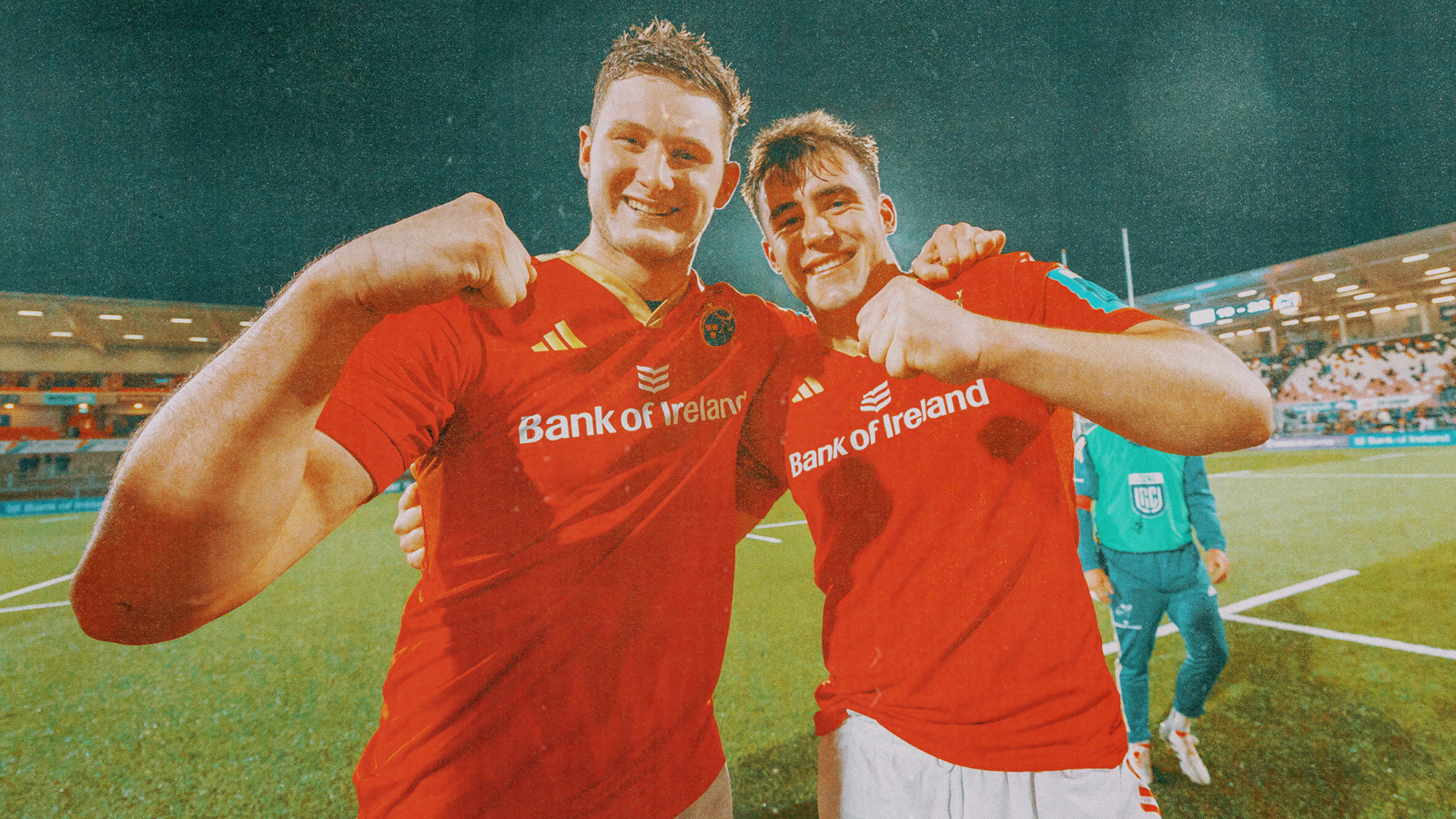
McMillan’s record as a guy who develops young talent quickly will be hugely valuable in making sure the next wave of players is ready in Munster. It’s too big a risk and too important a job to, once again, entrust it to a first time head coach; that’s why this was the right decision in almost every single regard.
McMillan’s authoritive manner, his experience in taking raw materials and building something new quickly and his ability to reset the environment for the first time since Erasmus will be the key difference makers. If it works, success will follow.
