


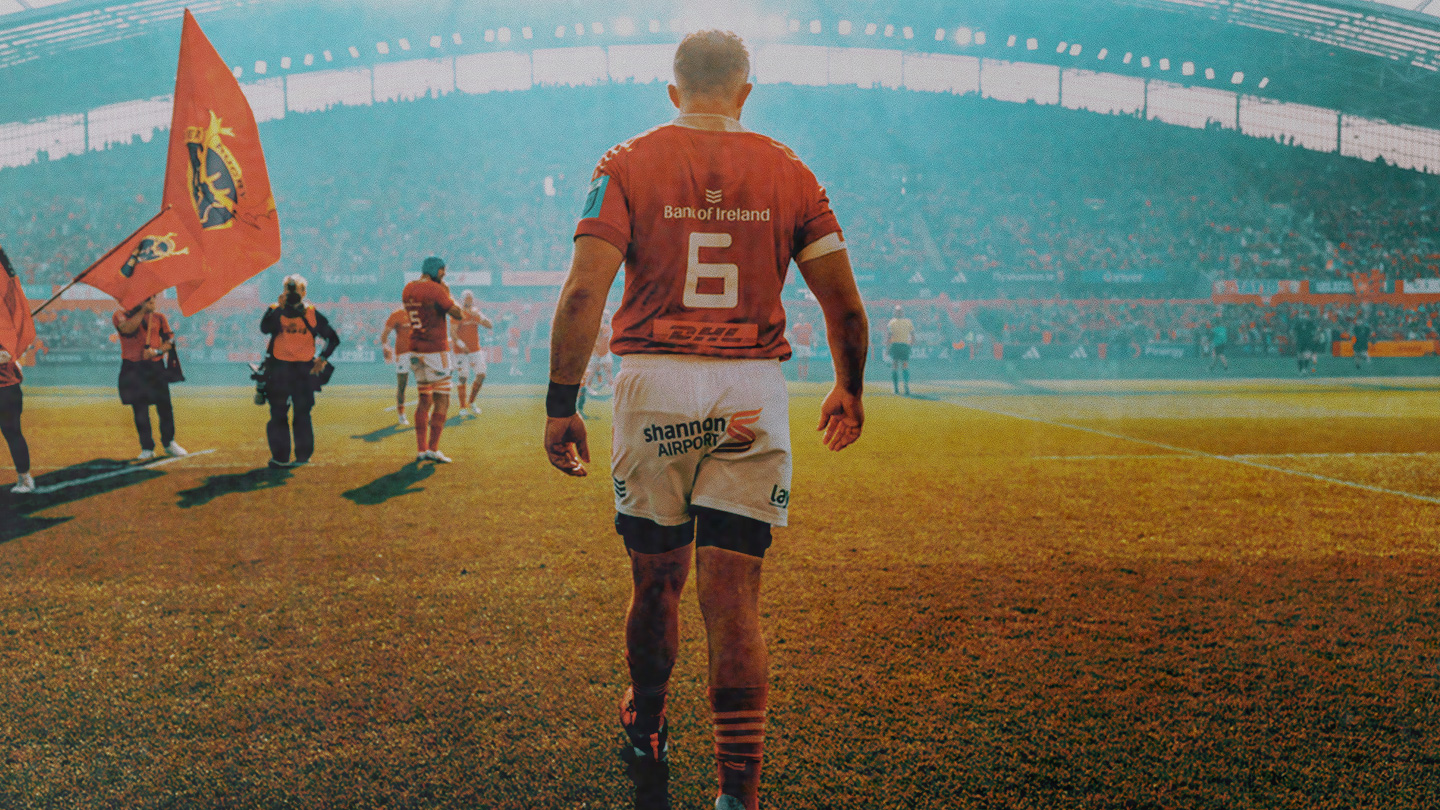
“If all the wild horsemen of the apocalypse came around the corner, O’Mahony would charge straight back at them”
Will Greenwood, The Telegraph, 2015
Of all the quotes about Peter O’Mahony that are out there, and there are many, this one by Will Greenwood stands out as probably the coldest thing anyone could possibly say about a rugby player in this sport. Part of my job is coming up with semi-mawkish hagiographies – like this article is going to be – and bar, maybe, getting rid of “wild” from that quote, I’m just sitting here thinking “why didn’t I think of that?”
Maddening.
It’s fair to say that I’ve spent a lot of my time on Three Red Kings writing about Peter O’Mahony, because he’s someone who draws words onto himself. He could never be ignored. He was always relevant, always the real story and always the man capable of producing the one moment you remember from any given big game.
More so than anyone else of his generation, Peter O’Mahony was inevitable.
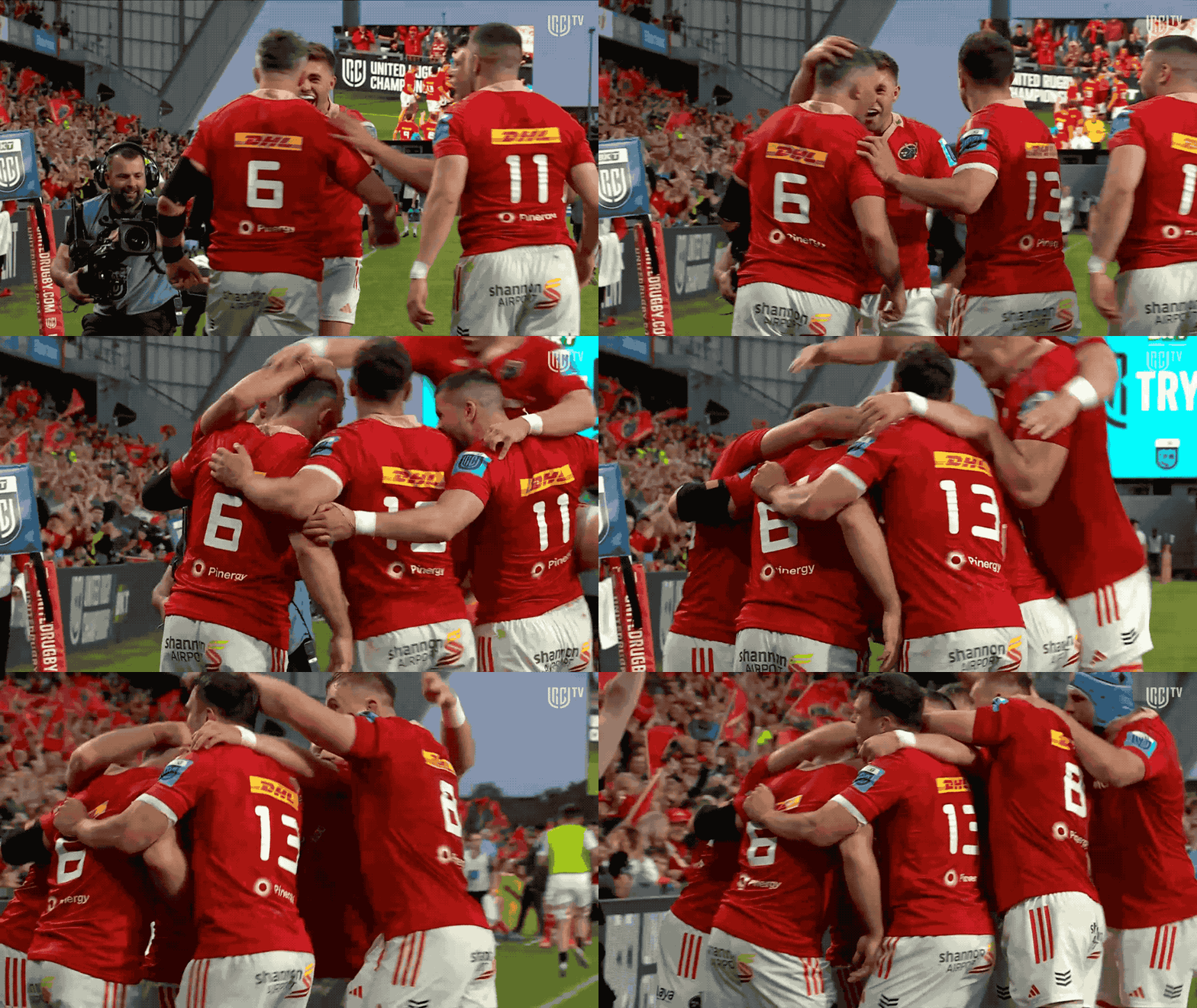
Between 2009 and 2013, two things were happening in Munster Rugby:
- Peter O’Mahony was beginning to emerge as a generational talent through the Munster underage ranks, Cork Con in the AIL, Irish underage squads and then in the Munster senior team way back in 2010, when he made his debut off the bench in a 15-10 loss away to Ulster in Belfast.
- Munster’s “golden generation” retired en masse throughout successive seasons as the 2011 Rugby World Cup marked a natural endpoint for much of that legendary squad.
O’Mahony – in continuing a trend that would follow him throughout his career – captained the Irish U20 side in 2009 in what was his first year in the Munster Academy. O’Mahony’s 20s class missed out on a Six Nations title on points difference after beating France and England in Dubarry Park that year, and it’s a bit of a trip to look back at the squads of that time.
O’Mahony captained a lot of guys who would go on to earn a ton of provincial and Ireland caps like Ian Madigan, Dave Kearney, Rhys Ruddock, Jack McGrath and his long-time teammate Conor Murray, while playing against guys like Rabah Slimani, Jamie George, Justin Tipuric and Richie Gray.
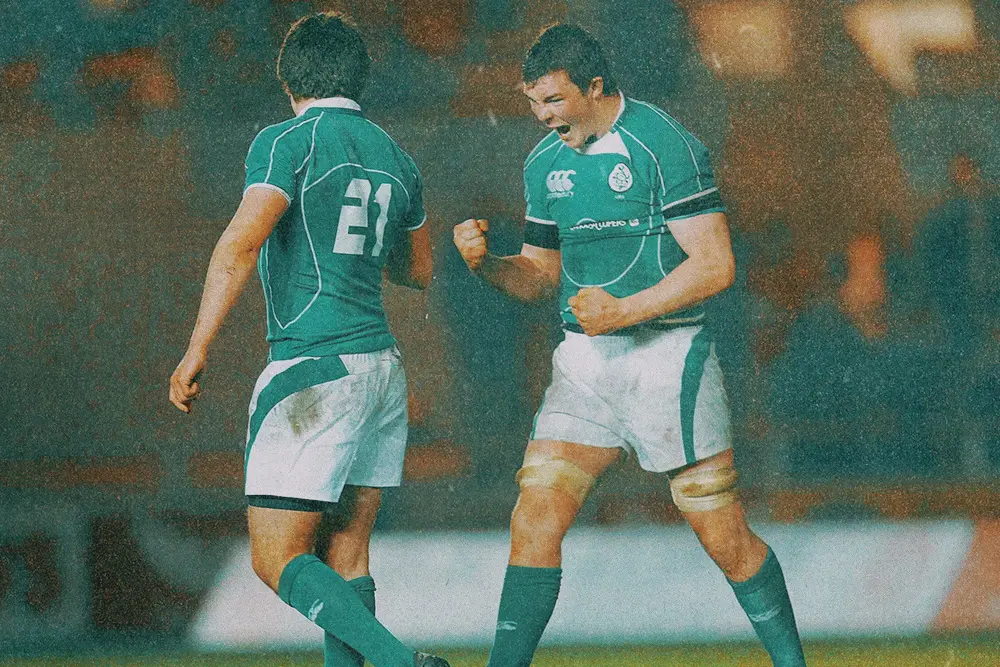
O’Mahony played at #8 for that Irish squad, and that was my initial context for looking at him. At the time, #8s were almost all lineout options with a broader skillset, as opposed to the “hammers” the role would become in the mid-2010s through the likes of CJ Stander, Billy Vunipola and Duane Vermuelen. O’Mahony reminded me of a young Imanol Harinordoquy or Keiran Read in that he wasn’t a particularly imposing ball-carrier, but he was an outstanding system player with a big focus on the lineout, ruck support play and far more sophisticated handling than he would ever be given credit for.
Munster knew what they had from a very early stage. O’Mahony earned a development contract right out of the academy in 2010. He made his first start for Munster against Australia in 2010 in a game I can clearly remember him getting into it with some Australians during a massive scrap right before halftime. I remember noticing it, if that makes sense. Always good to see a young fella getting dug into mouthy opponents when punches start flying.
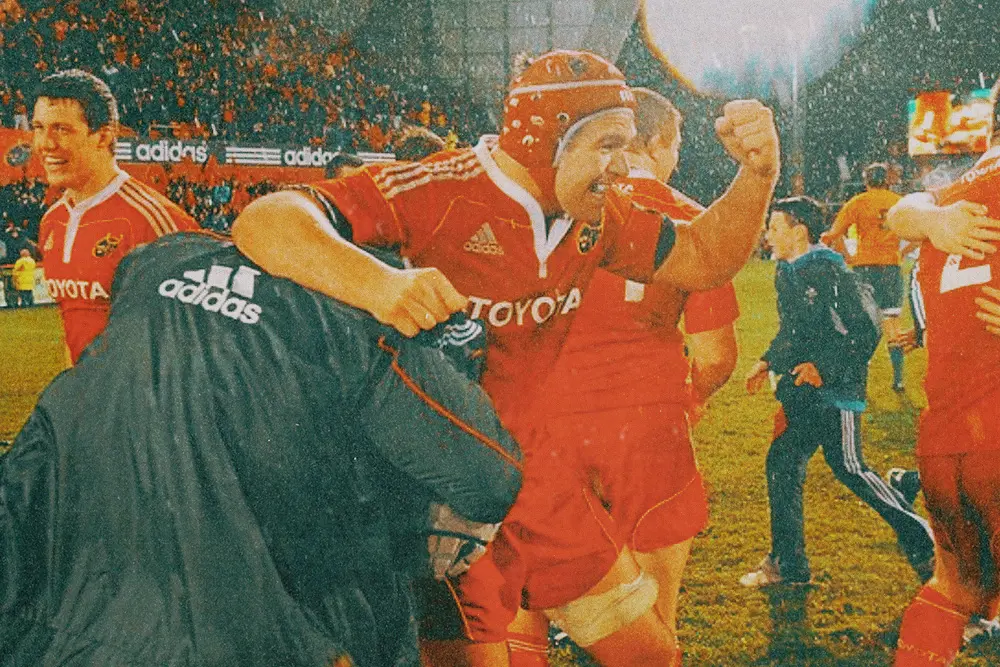
Ian Nagle was the big story coming out of that game from a Munster perspective, but the real story turned out to be O’Mahony, who captained Munster A to a British & Irish Cup final and won the AIL title with Cork Constitution before being awarded a full senior deal in the summer of 2011. O’Mahony would play a vital part in that season at just 21 years of age and captained Munster for the first five games of that 2011/12 season. That was notable in and of itself, because this wasn’t young, callow Munster squads he was captaining; it was squads with veterans like Doug Howlett, BJ Botha, Billy Holland, Mick O’Driscoll, James Coughlan, Peter Stringer, Niall Ronan, John Hayes and Damian Varley.
That meant something.
After the 2011 World Cup, the captaincy reverted to Paul O’Connell, but when the rest of the internationals returned with him, Peter O’Mahony kept his place as the Heineken Cup rolled around. For many, this would have been their first proper look at him as the Heineken Cup was, and to many, still is, the Real Deal. As first impressions go, this was as good as it gets.
That match is remembered for Ronan O’Gara’s drop goal after 100,000 phases to see off a dogged Northampton side in the 83rd minute of a game that makes you miss what the Heineken Cup was and resent what it has become, but what you might not remember is that Peter O’Mahony was named the man of the match.
Was there an element of narrative in that for the guy on his debut? Sure. There always is. But watch the game back. O’Mahony is stuck into absolutely everything for the full 80 minutes and doesn’t look like a guy playing in his 20th professional rugby game for a split second.
At just 22, O’Mahony already looked like an old dog for the hard road.
He played the rest of the season, switching between 6, 7 and 8, because it became quite clear that the number on his back was pretty meaningless; you got the same top-class output regardless.
In February 2012, he made his debut for Ireland in the Six Nations and became a steady fixture in the squad from then on, touring New Zealand in the summer and playing in the November tests later that year.
O’Mahony had arrived as a top player for Munster and a regular international in his first proper season.
Becoming a Villain
Peter O’Mahony started 2012/13 for Munster as a core starter under new head coach Rob Penney, and he was the perfect guy to suit what Penney wanted from his back five. O’Mahony was a prototypical Kiwi #8 as far as Penney was concerned, and while he was in the back row, several vital areas were immediately looked after regardless of the number on his back.
- Offensive and defensive lineout
- Offensive and defensive maul build
- Edge defence and defensive breakdown
- Edge attack and offensive ruck output
In a game that was becoming more complex with every passing month, Peter O’Mahony was the first player that I saw – there may well have been others, but my focus was on Munster and Ireland – that began to defy what those numbers on the back of the jersey should mean.
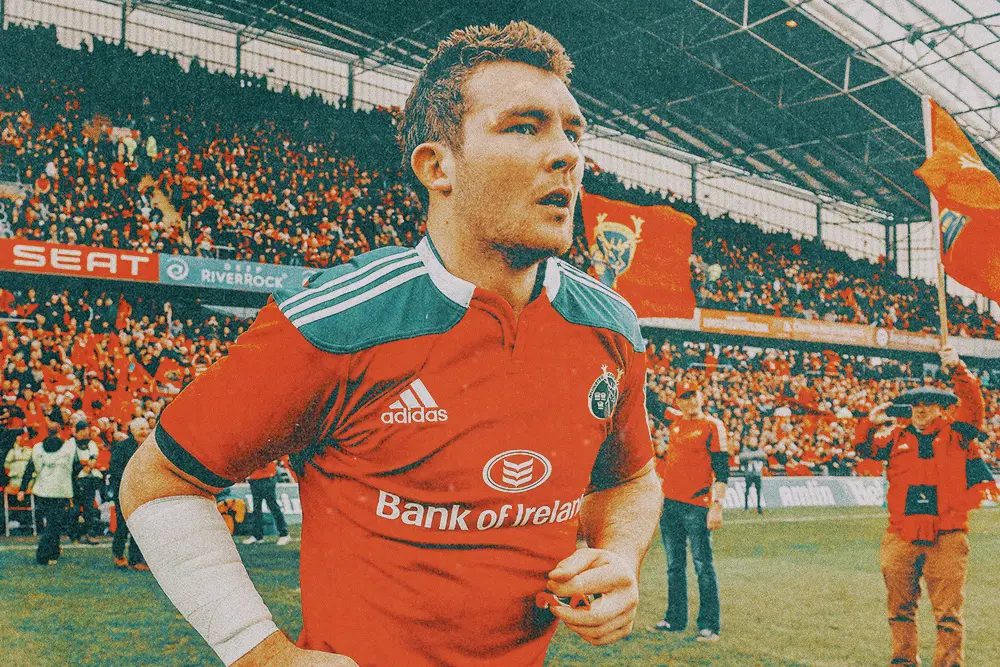
He started his elite rugby as an #8, made his initial breakthrough with Munster wearing #6 and often wore #7 throughout his career, but it fundamentally didn’t matter. A lot of the media narrative that would follow O’Mahony around for much of the 2010s was based on this misunderstanding of what he was as a player. Anyone who went looking for an “old school blindside” when he wore #6, or a “big ball carrying #8” when he was #8 or a “groundhog” when he wore #7 could only ever be disappointed because his role, his job, was almost always doing what he did better than anyone else; the Peter O’Mahony role.
That’s the thing with O’Mahony; he was so in control of his role and core job that he could expend the mental and spiritual energy on being an emotional focal point for both Munster and the opposition. This often had him painted as being in the Ireland team purely for his aggression by various idiots, clods and spoofers who never understood the value of having a player willing to make himself the bad guy for opposition teams, fans and media.
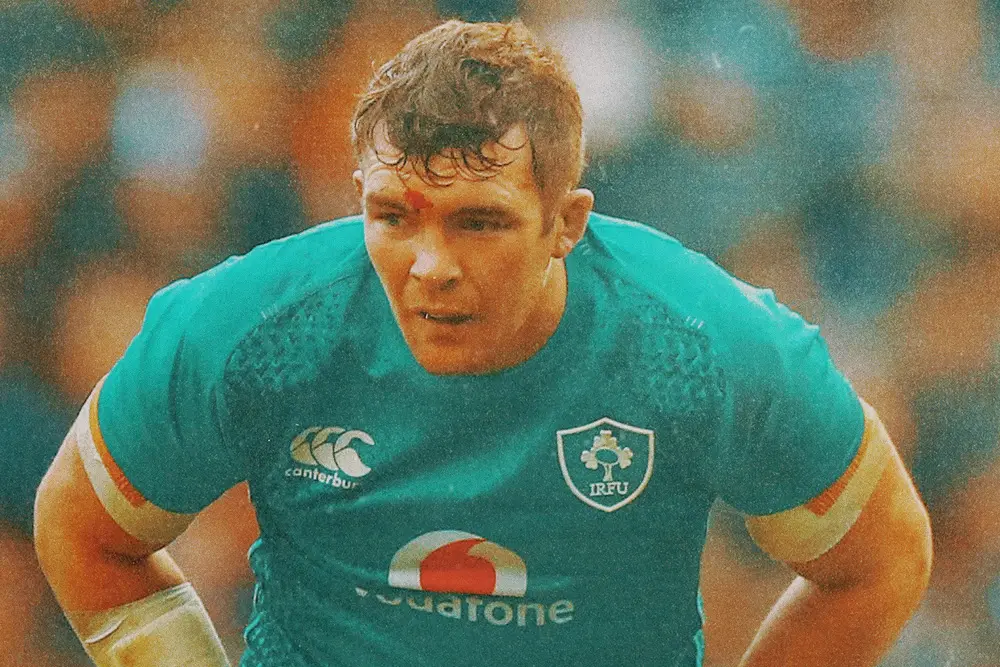
When you play the game like Peter O’Mahony does, you create a lot of enemies, and I think he’s always been fine with that.
Show me a universally loved backrow and I’ll show you either a dud or a coward, or both. O’Mahony played the game with the freedom of a guy who didn’t care who hated him. After all, if he was doing his job at it’s best, everyone that wasn’t us would fucking despise him and he did this in a place where anyone who wanted a pop could easily do so. They all knew where he’d be.
You saw this throughout his career. People think it’s easy. It’s anything but. Try being the guy everyone on the other team is talking about shutting down every single week and then having Peter O’Mahony’s career. He made himself a target for the biggest, baddest, hardest fuckers in the sport, bit down on the gumshield and told them to bring it on. From the first moment until the last.
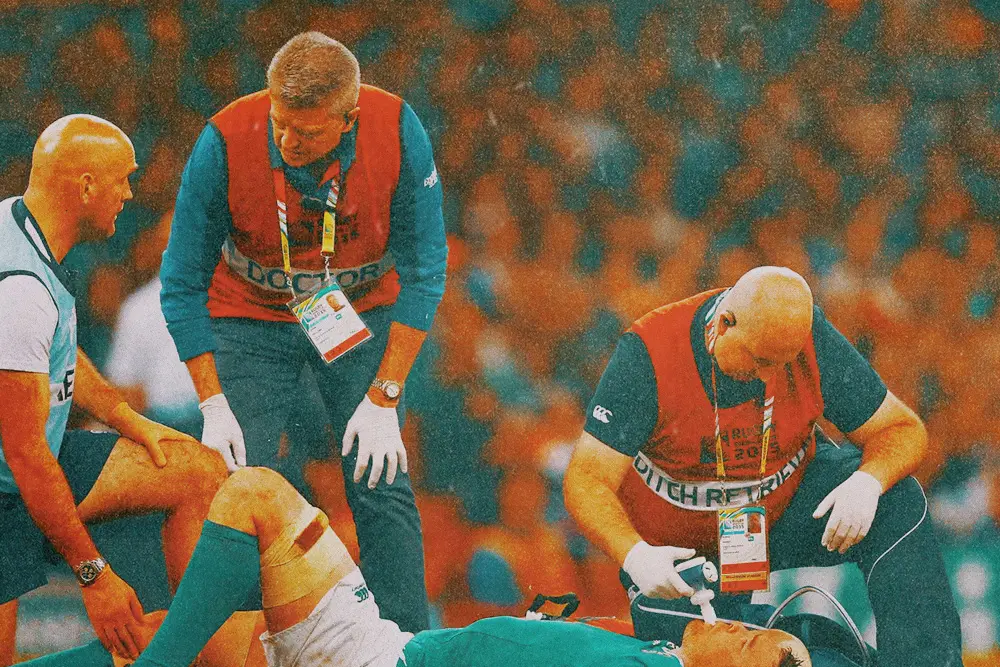
“Tell him he had the game of his life”
Joe Schmidt, World Cup 2015, as Peter O’Mahony is stretchered off
O’Mahony had graduated to a full IRFU central contract almost immediately after his breakthrough season and would spend ten years at that contract level as he became a core part of Joe Schmidt’s Ireland squad. He captained Ireland during the 2013 Summer Tour when Rory Best was called up to the Lions, and won his first Six Nations title in 2014. Later that year, O’Mahony would have two shoulder reconstructions, before playing all but 15 minutes of Ireland’s second-ever successful title defence a year later.
He signed a bumper three-year central contract renewal in February 2015, and he was selected for his first-ever World Cup a few months after. O’Mahony went into that tournament as a player with a growing reputation on the world stage in a team that was a little less than favourites and a little more than dark horses. His tournament was cut short in the first half of a classic Big Game Pete performance in a do-or-die pool game against France when he tore his ACL. His World Cup was, obviously, over, but it would cause him to miss almost an entire year from the game as his recovery was slower than hoped for.
That coincided with one of the worst seasons in Munster’s professional history, which shouldn’t be too much of a shock given what you’ve read up to this point. O’Mahony was the captain, sure, but he was the heart and soul of the club as well as being a genuine level raiser in a team that was also shorn of Paul O’Connell and experienced heads like Donncha O’Callaghan in the previous off-season.
That ACL injury is something of a halfway point in O’Mahony’s career and a definitive sliding door moment.
There is no guarantee that you will come back anything close to the same player after a bad ACL injury. Sure, modern medicine has turned that injury from Instant Retirement to Nine Months Off, but for a guy like O’Mahony’s whose stock-in-trade was explosive lineout jumping on both sides of the throw, locked out mauling and “surviving the cleanout” at the ruck for huge jackal turnovers, his knee getting back to 100% was of vital importance. If it didn’t, that top 2% of explosivity that O’Mahony relied on might disappear forever and, sure, he probably had the game IQ to make up for that, but I’m pretty sure he didn’t want to find out if it could be avoided.
The recovery was slow. O’Mahony was 27 when he injured his ACL and 28 when he played his first game back off the bench against Zebre in Rassie Erasmus’s first season as Director of Rugby. And then three weeks later, the ground shifted underneath the province.
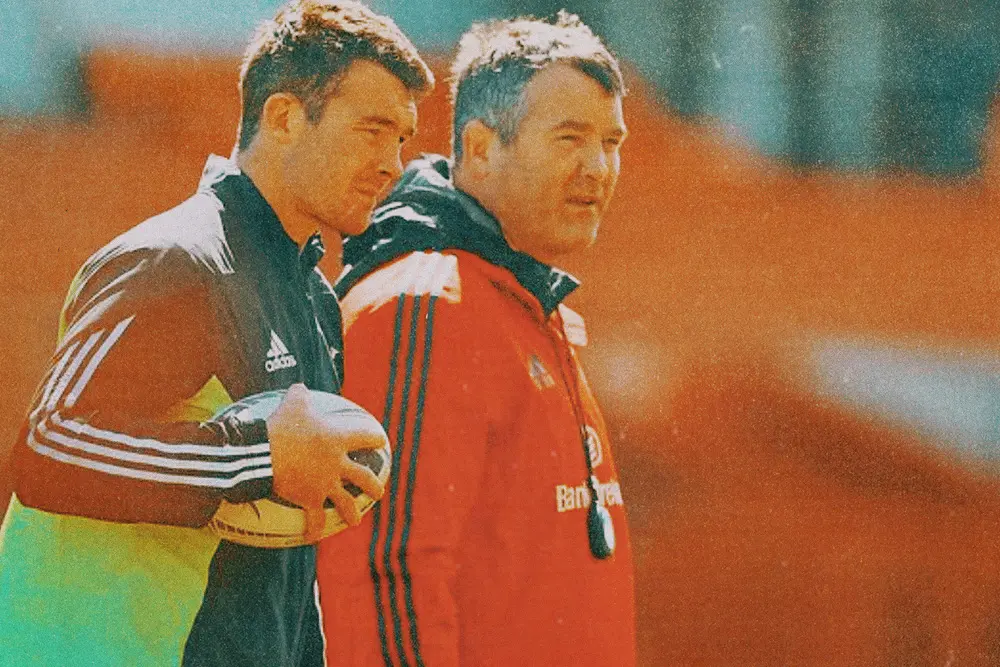
Anthony Foley’s death was shocking and sudden. I still remember where I was when I heard, and I still remember that feeling of numbness go through my body, like I’d had a bad fall. I didn’t even know Anthony Foley, and the shock was profound. To those close to him, it must have felt like being at the centre of a hurricane of grief.
A few days after, before Anthony Foley was even buried, Peter O’Mahony was out front and centre with Rassie Erasmus, facing the media when he probably wanted to be anywhere else. He knew it was his responsibility and one he would never and could never shirk.
Foley had coached O’Mahony all the way through his Munster career to that point, and O’Mahony wasn’t going to let him down now.
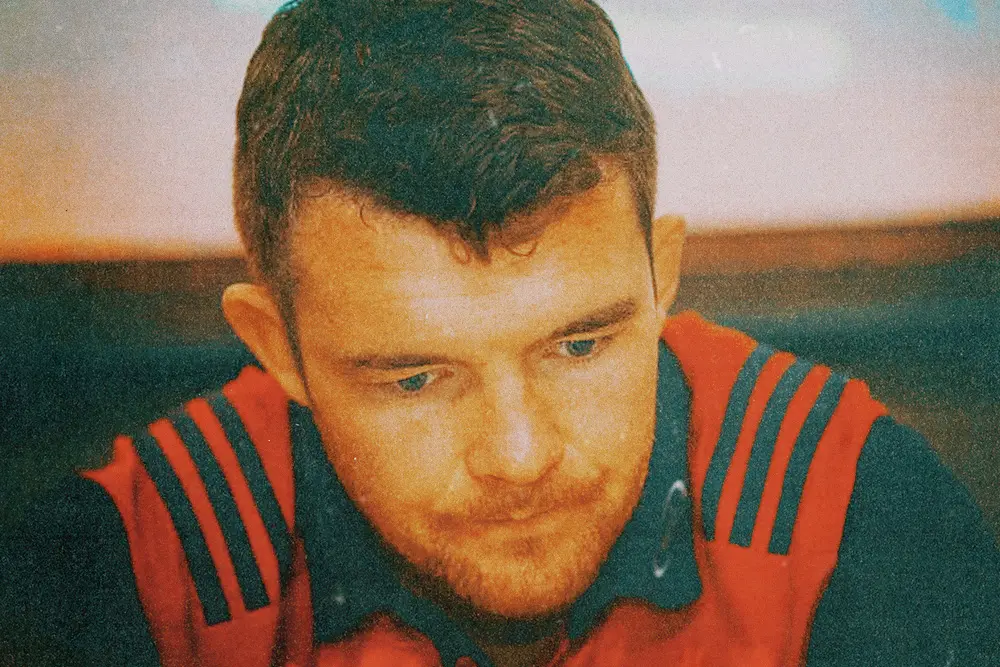
In an emotional press conference before the weekend’s game against Glasgow, Peter O’Mahony said the following;
“My first game that he coached me with Munster was an U20s game in Thomond Park,” said O’Mahony when he had steeled himself. ”We won it 3-0, ironically enough, and that suited Axe as good as if we’d beaten them by 60 or 70 points. He was a man who wanted any Munster jersey to win at any cost…
I’m not going to do him justice here, all the words I could say, to be honest. Personally, he’s meant a huge amount. He’s been there, I haven’t supported a Munster team that he wasn’t involved in, and he’s been there from the start. Every Munster team I supported that wore a red jersey, he’s been in or coached. The amount he’s meant to the club, you can’t put that into words. The amount we’ve lost now that he’s gone is incredible. The rugby knowledge, the brain.
The man, the friend, the coach, the brother that we’ve lost. It’s mad…”
That Friday, they buried him in Killaloe.
That Saturday, they went to war for him.
The Axel Game is iconic now because, in part, we know the result, but ahead of that game, nobody knew what to expect. We just knew that the team had decided they were going to play. They hadn’t really trained at all since his death; they were all in bits, but led by Peter O’Mahony, they were going to honour Anthony Foley come hell or high water.
Hell came, high water washed over them, but they remained.
O’Mahony was only two games back from his return against Zebre, but he managed 61 minutes of the kind of emotionally charged rugby that would have made his old friend and mentor proud.
Munster and O’Mahony went on a massive run that season in the aftermath. Charged by emotion, you could say, and maybe it would be true, but it wasn’t the whole story either. Munster’s system under Erasmus – a precursor to what would win the Springboks two World Cups – was transformative for O’Mahony. He missed that year’s November internationals, including Ireland’s first-ever win over New Zealand, but his momentum was undeniable with a Lions tour on the horizon.
The inertia of Schmidt’s backrow selection at that point saw opportunities for O’Mahony quite limited in that year’s Six Nations. He had to settle for a bench appearance against France and Wales in that year’s Championship and was set to do the same against England until the injury gods opened up a window where they had shut a door two years prior. Jamie Heaslip pulled up in the warmup, and that gave O’Mahony what he needed: a chance.
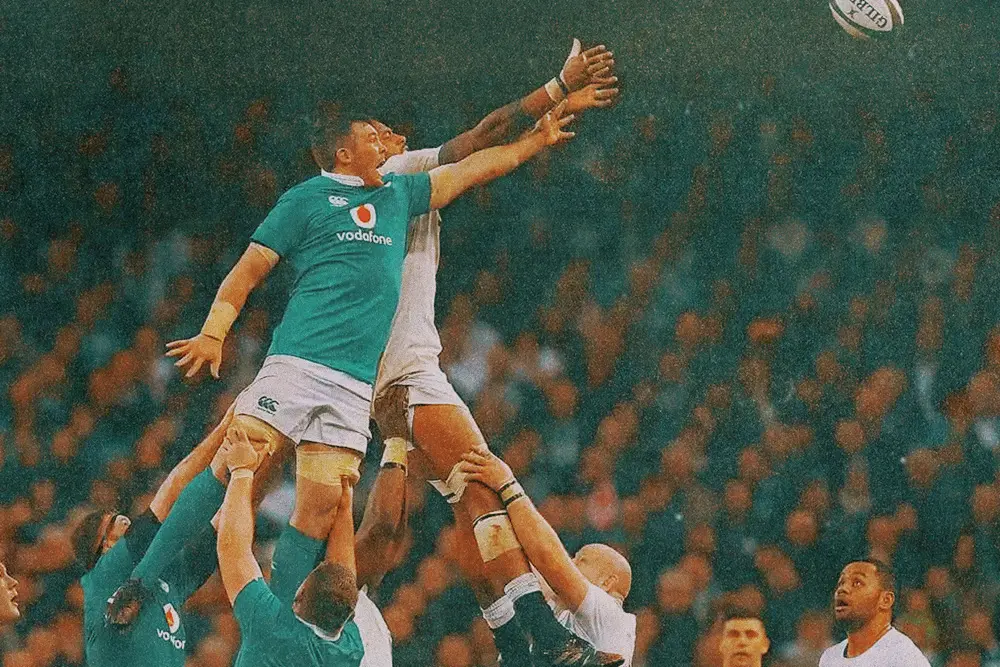
Peter O’Mahony destroyed England in that game, and their Slam hopes along with it. He was unplayable. Big Game Pete had returned, and his performance was so impactful, it practically booked his spot on that year’s Lions tour. I don’t think it was just that game because O’Mahony had been playing incredibly well all season to that point, but it was a key point along the way. Munster’s season would end in disappointment, but O’Mahony would go on tour with the Lions and captain the test side in the first game against the All Blacks to round out a restorative and emotionally draining 2017.
From that point, O’Mahony was very much locked in as a core starter for Ireland once again and would stay there for all but the last season of his career.
The All Black Hunter
When Peter O’Mahony was breaking through into the Ireland squad, he played in the disastrous 2012 tour of New Zealand, where Ireland got walloped 60-0 in the final test of that series. That was no real shock at the time, even if it was a bit of a “back in your box” moment after years of Irish gains since the early 2000s.
Who would have thought at that point that Peter O’Mahony would go on to have the kind of record against the All Blacks that we used to reserve for all-time Springboks? Between 2018 and 2023, Peter O’Mahony had an enviable sequence of performances in a running battle against the All Blacks all over the globe. Ireland, Japan, New Zealand and France were the battlegrounds. In Dublin 2018, Peter O’Mahony produced one of the best performances you’ll ever see in a green shirt when he won player of the match against the All Blacks in a game for the ages.
Winning a series in New Zealand was another huge highlight, and the fact that it was almost ten years to the day that Ireland suffered that 60-0 defeat added a little bit of poetry to another First Ever for this Ireland side.
Of course, New Zealand also ended both of Ireland’s World Cup runs in 2019 and 2023 – the latter being particularly painful – as it marked a bookend and something of a last laugh for the All Blacks, who taunted O’Mahony with “Oi Peter, four more years you f***wit” at full-time.
Peter, like the rest of us, was likely quite disappointed at the terrible standard of this patter, but he remembered, as we all must, that this probably sounded quite cutting to New Zealanders.
Like I said, O’Mahony has no problem making enemies and taking the shots that come with it.
***
Earlier that year, Peter O’Mahony finally ended the trophy drought that had pockmarked his time as Munster captain with the URC title win in Cape Town. There had been a few near misses – a few Champions Cup semi-finals and lost league finals – but he finally lifted a trophy right as his career was drawing to an end.
O’Mahony was firmly in the crafty veteran stage of his career at this point, but he was using all the game IQ he’d acquired over the years to stay near enough to the top of his game. Turns out he got to use it after all.
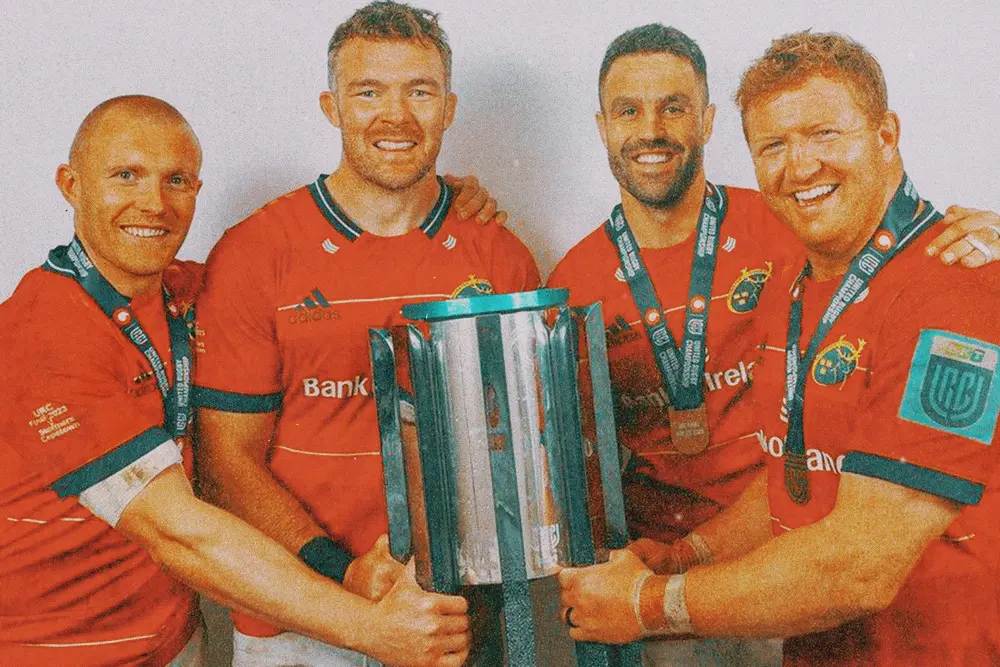
His jumping wasn’t as explosive as it was in his heyday, and his Big Game Pete moments were getting more spaced apart, but he was still the emotional centre of the team, who still had a valuable on-field role to play.
In the aftermath of the 2023 World Cup, things were slightly soured by his contract terms getting bounced between the Irish central contract he’d been on since the summer of 2013 and Munster. At 34, O’Mahony’s best physical days were behind him, and Munster were getting squeezed by the IRFU on both ends – our provincial budget had to come down, and the province was being asked to kick in 50/60% of O’Mahony’s deal in the same year that Andy Farrell named him Ireland captain.
For a time, it was pretty ugly. O’Mahony stepped down as Munster captain when the Ireland captaincy became a reality, and that only added to the growing noise around his future. There were rumours of a late career move to France, but that seemed to be more a reaction to the absence of an announcement, rather than anything concrete.
With the Irish test team, O’Mahony’s captaincy was a huge success for that year’s Six Nations, and he seemed to revel in the veteran role of giving a big 55/60 minutes and then making way. He lifted a Grand Slam title that spring, and soon after, his contract was sorted for 2024/25.
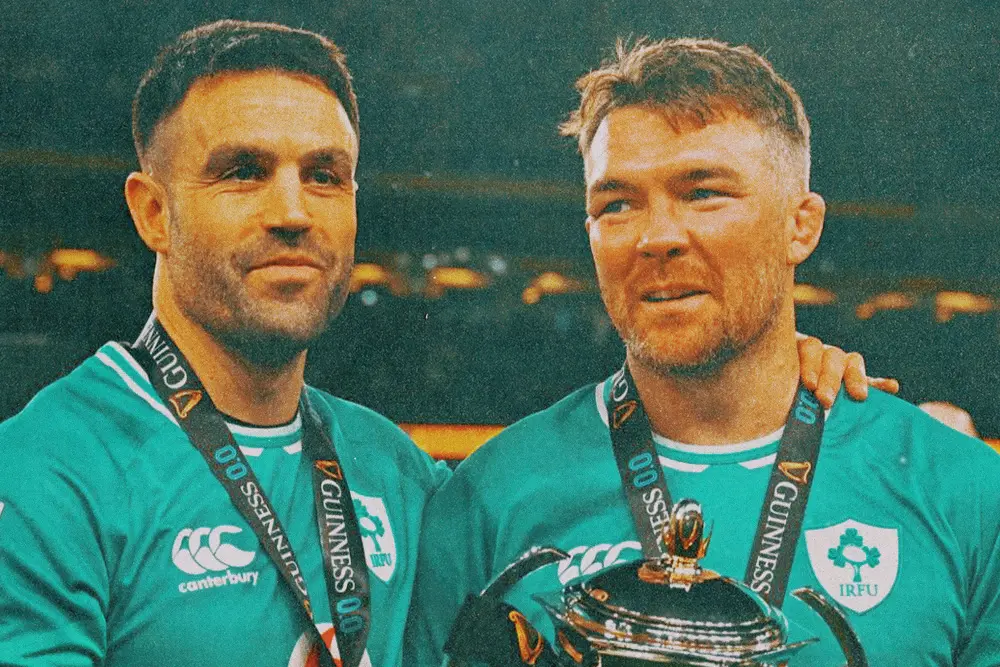
O’Mahony wanted to prove himself one more time. Could he still play test rugby? Yes. Could he still be a valuable contributor for Munster? Absolutely. After a disappointing end to Munster’s season in Thomond Park against Glasgow, he was all set for the final season of his career.
So the old dog hit the hard road one more time.
After a tough tour of South Africa, O’Mahony suited back up for what many suspected was his last year as a professional. At this point of his career, O’Mahony was very much a 50/55 minute guy and suffered about as many niggles as he’s ever had throughout the season. The body started to give in a little, but the spirit never did. He was still a very valuable component to the team, especially in the lineout, where he was still, arguably, Ireland and Munster’s best outlet.
I felt at the time that Ireland should 100% move on from O’Mahony at this stage of his career, but you can see why Farrell was reluctant to do so. Leaders like O’Mahony, team men like O’Mahony, warriors like Peter O’Mahony only come around once in a blue moon, and once they are gone, they’re gone. Who better to help new captain Caelan Doris into the role? Even then, it wasn’t just about off-field leadership; O’Mahony was still producing, albeit not at the level he once did.
I mentioned earlier how misunderstood O’Mahony’s role was by elements of the media and elements of the Irish fanbase, who often over-focused on what he wasn’t doing, rather than what he was. “Unseen work” is often thrown around this game, but very little of what O’Mahony did was unseen – it was all right there if you were looking for it. He was Ireland’s best and most reliable lineout operator in a team whose primary source of tries was and remains the lineout.
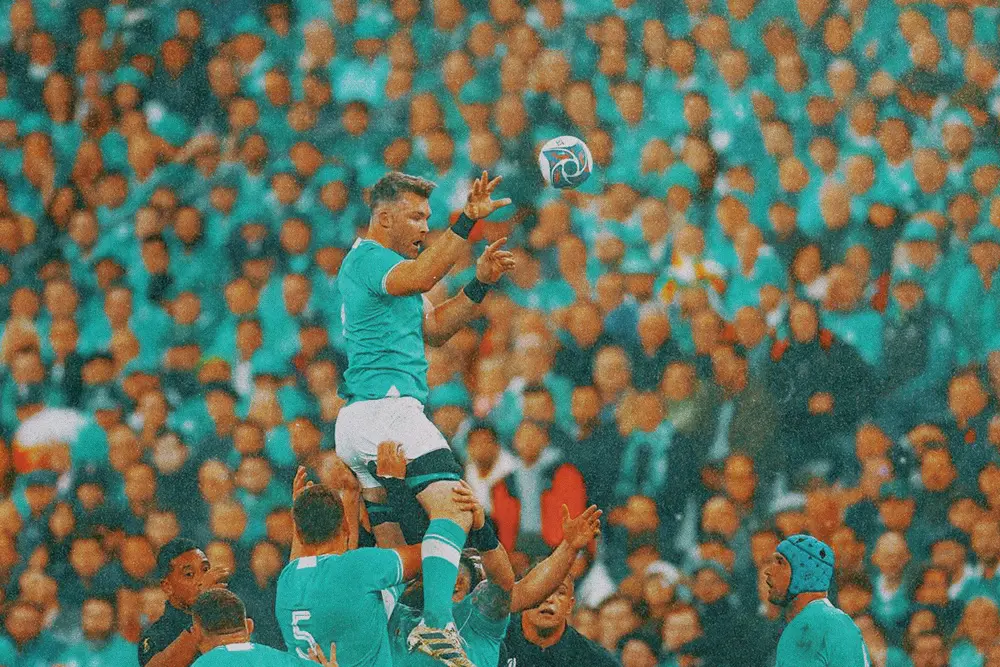
He was an excellent and diligent scrummager behind whatever prop he was packed down on, he was a skillful handler (and sometimes kicker) of the ball, while being so efficient at the attacking breakdown that he made it look easy; so easy that anyone could do what he does, which they couldn’t, because they’d already be doing it and they weren’t.
None of this dulled with age. People who were looking for him to rack up 15 tackles a game misunderstood that his job was to patrol the edges of the play outside the 22 and make the kind of reads that stopped linebreaks from happening in the first place, and then harass and kill the ensuing ruck. He absolutely could take up a primary defensive role – and he sometimes did, depending on the plan – but his primary job came after the carry or the tackle.
Was he the most dominant ball carrier? No! He was deceptively quick and skilful in the wide channels, though, and could finish absolutely anything that came his way.
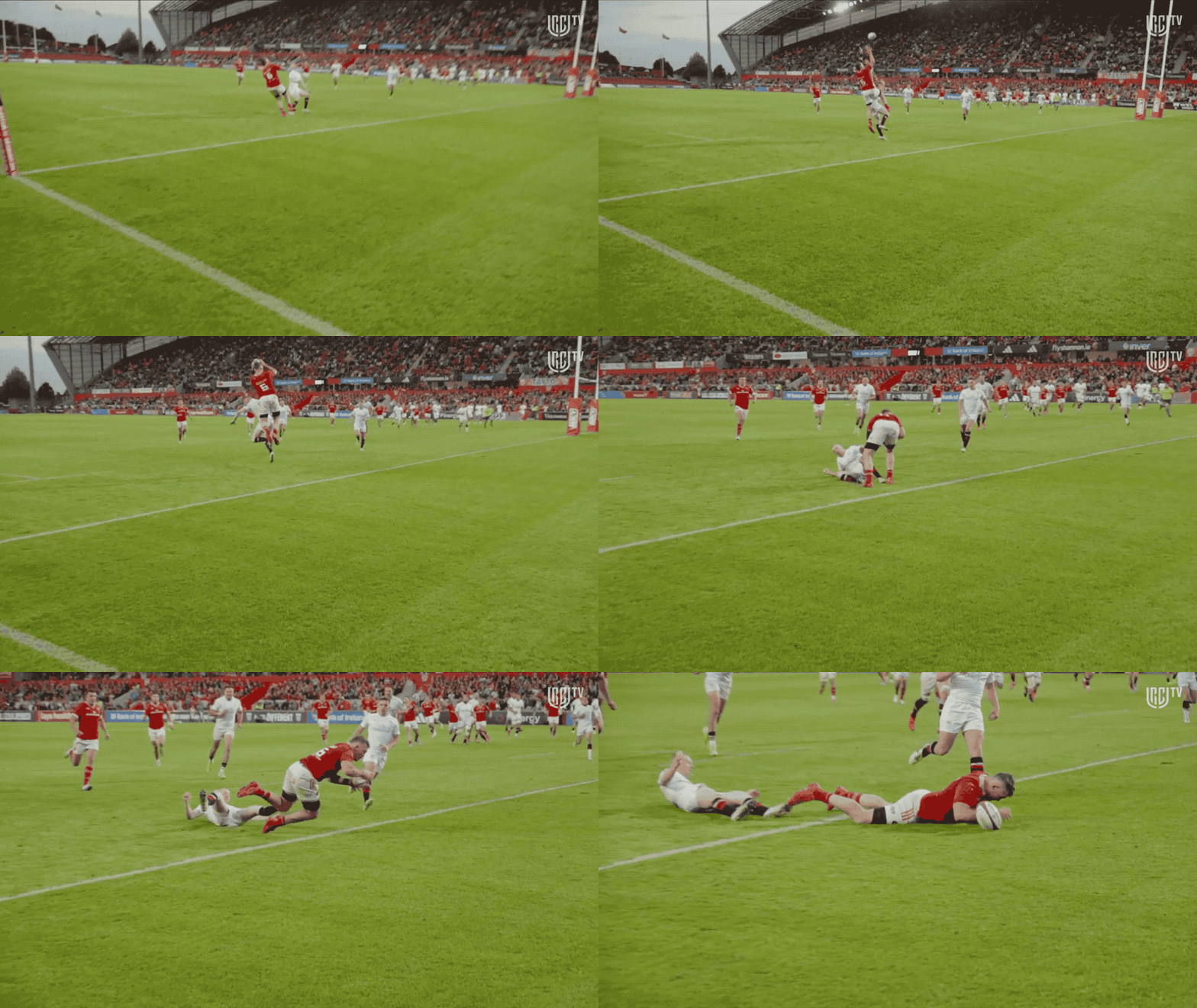
Was he ever the best blindside in the world in the same way you might say that O’Connell was the best lock in the game at one point? Well, I would say that depends on what you mean by “blindside”, but even if we take the base description, I would say no, I don’t think he was. I think Pieter Steph Du Toit is better, and so was Jerome Kaino.
However, at O’Mahony’s peak between 25 and 32, I think Peter O’Mahony walks into any team in the world as the kind of system player that allows everyone else to be better, be that wearing #6, #7 or #8.
At his best, Peter O’Mahony was the ultimate team player, who was capable of raising the level of those around because of the excellence – and it was excellence – of his basics. Want to be a better lineout player? Study Peter O’Mahony. Want to maul better on both sides of the ball? Study Peter O’Mahony. Want to be a better scrummaging flanker to the point you could even make that description make sense? Study Peter O’Mahony. Want to be a vicious, flow-building ruck player?
You know his name.
When I got on a presser with Peter O’Mahony a few weeks ago before the Ulster game, his last one in Thomond Park, I put it to him that he’s one of the iconic players in this game right now and, like, what does that feel like? Like, what does it feel like to be a household name in Ireland, and known/hated/respected/feared everywhere else? He looked off-screen to the press officer as if to say, What’s this guy’s problem, because I think he straight away felt uncomfortable about the spotlight being on him. He’s a team man first and foremost. That’s his thing.
He gave a pretty decent answer in the end that was, ultimately, that he hadn’t really thought about it yet, as the career wasn’t over. Rugby players are minute to minute, game week to game week.
I hope he’s thinking about it now.
I hope he thinks back on his career and sees what everyone else sees.
An icon. A bona fide Munster legend in the truest sense of the world. A generational talent and one of the best players to ever wear red or green.
A gardener.
A captain.
A War God.
