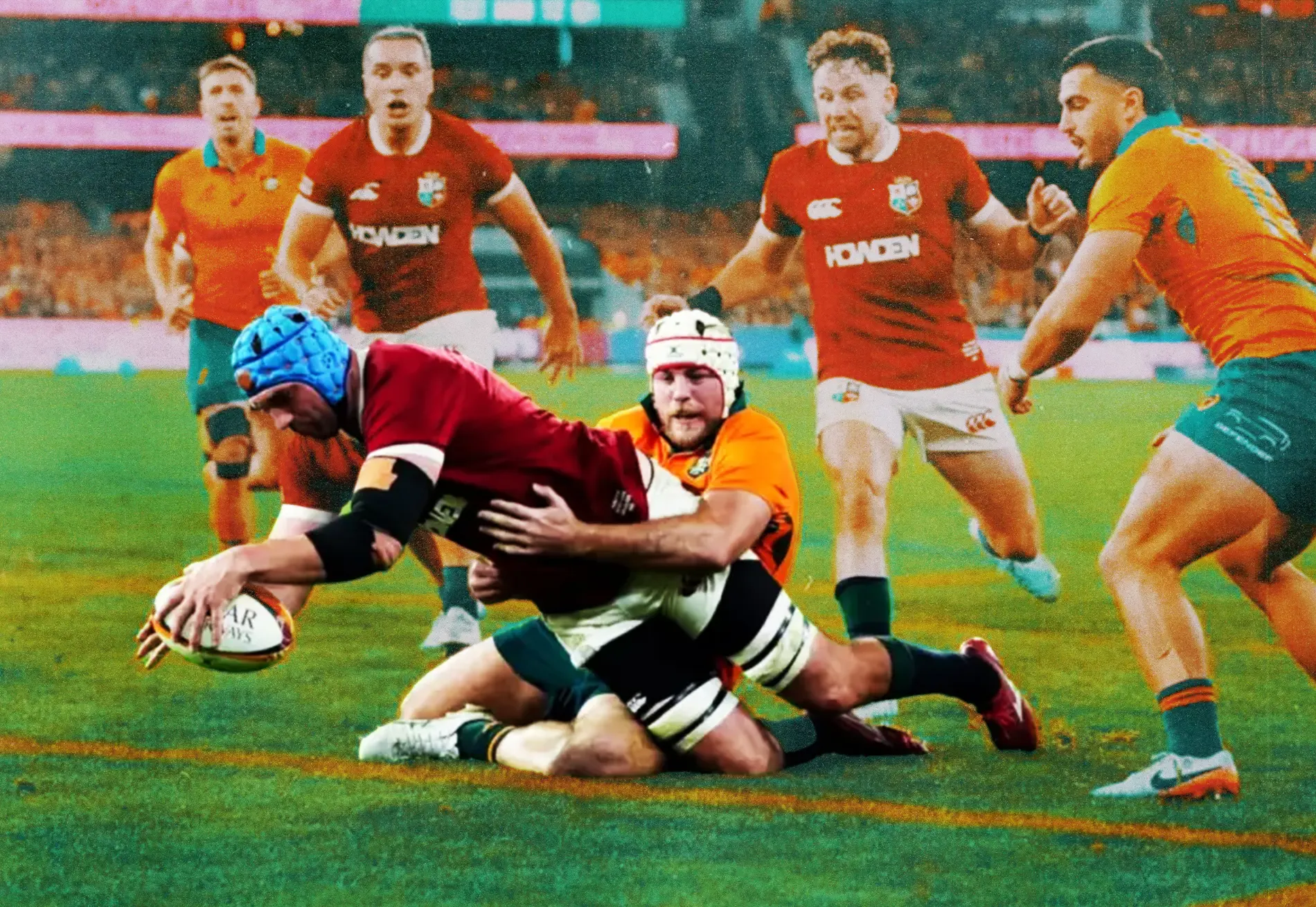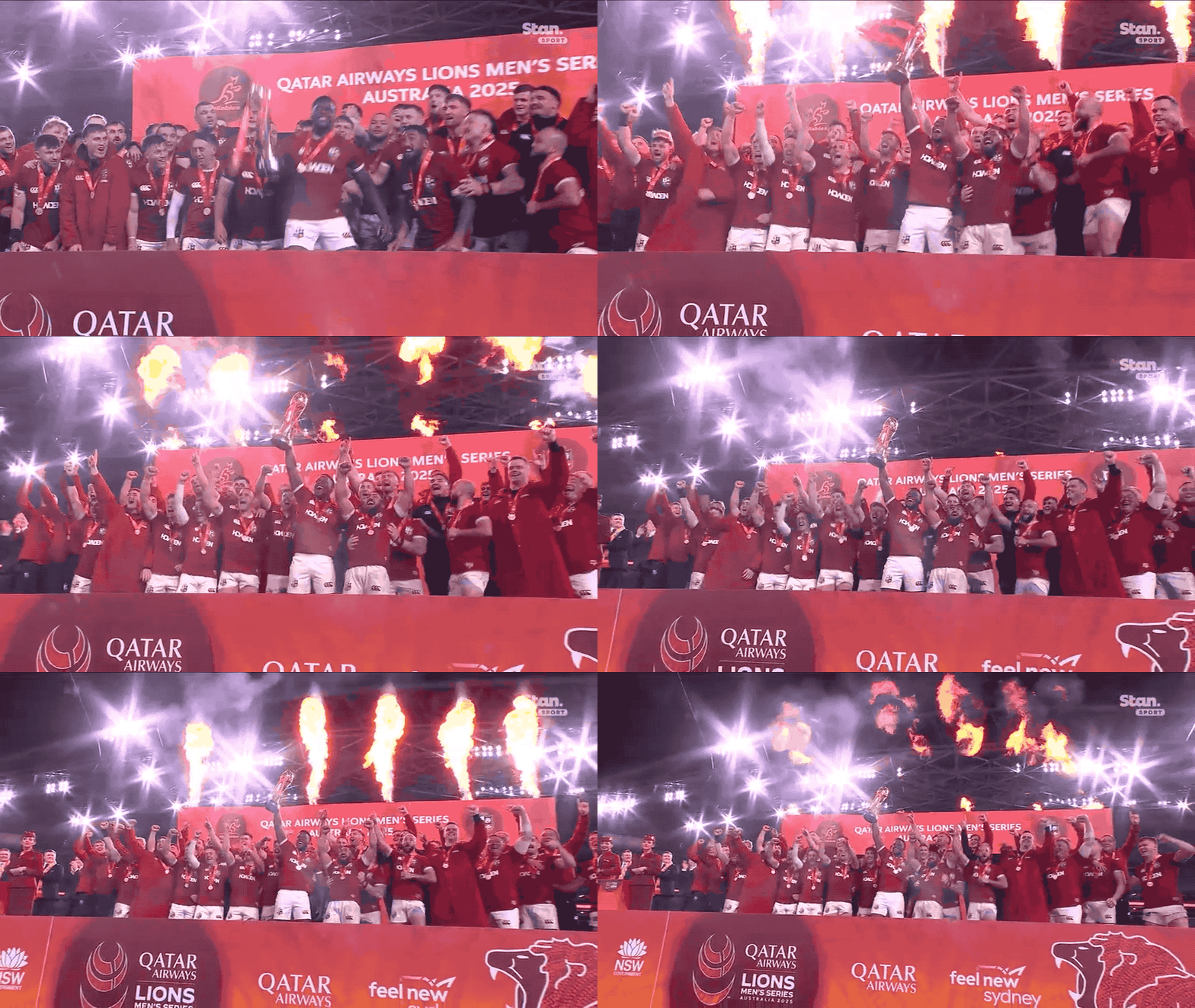
Of all the Lions series that have ever been, this, undoubtedly, was one of them.
These tours are remembered for their moments and atmosphere, I think. Those moments and the perception of the atmosphere are mostly personal to the individual. In their own right, the tours have about as much meaning as you want to give them.
I mostly remember the 1997 tour for Keith Wood. I remember being broadly confused why a guy I saw playing for Ireland was now playing with the British Lions. I asked my uncle. He clued me in. You couldn’t just Google stuff back then. Well, you could. You just had to work at Stanford University, so if you didn’t know something, you either had to ask someone who did, or happen to know where you could look it up, or, like most people, just be happy with not knowing.
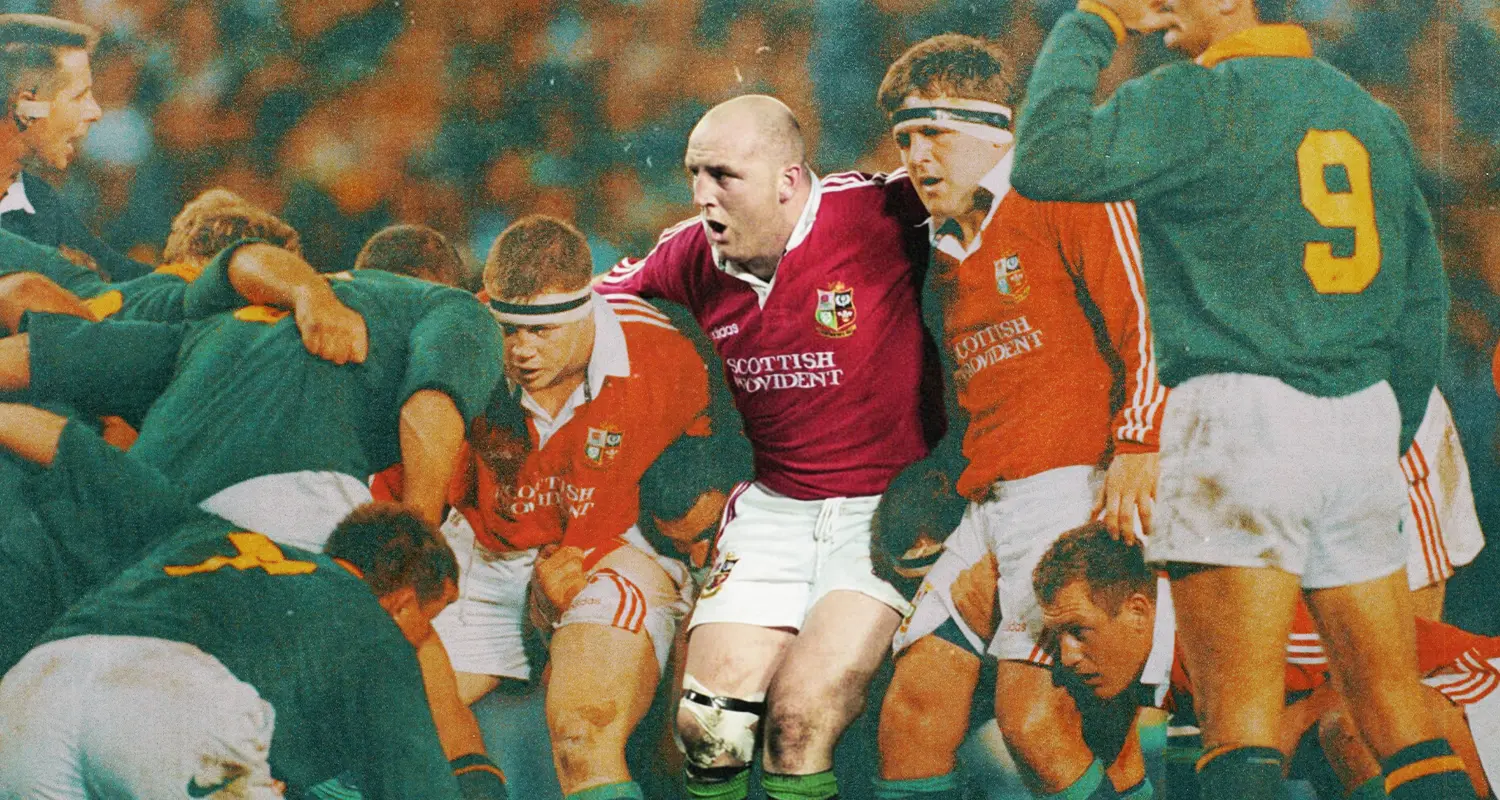
Keith Wood made that tour meaningful for me, and the documentary that came out after the fact — the definitive Lions documentary — only added to that. This is your Everest, boys.
I don’t remember much of the 2001 Lions tour because I was too busy getting hammered in various pubs and nightclubs after my Leaving Cert. I remember the 2005 Lions tour because I had to get up early for it with friends of mine, drive out to Kilumney, and then watch on as Brian O’Driscoll got turned into a lawn dart, before the All Blacks, powered by what would become four or five all-time greats of the sport, tore Sir Clive Woodward’s Lions limb from limb.
I remember 2009 because (a) I had to pay for the Sky Sports myself for once, and (b) the pervading air of gladiatorial combat about that series from the first moment of the tests to the last, in a way that probably spelt the end of that era of the game. It was a dividing line between the sport I thought I could give a good rattle to, you know, if x-y-z had gone differently, to being, nope, you’d get killed stone dead.
You are not built for this.
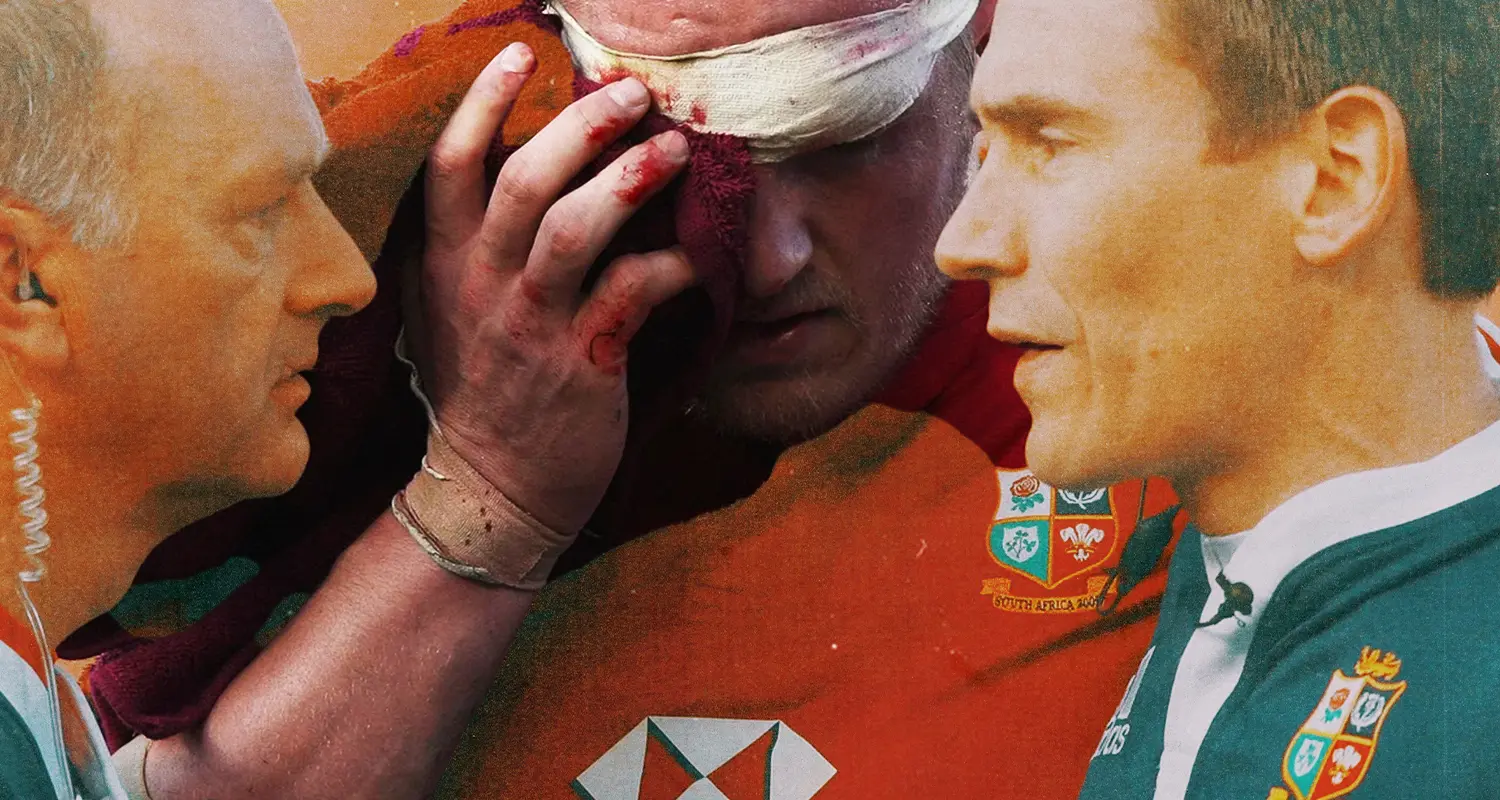
Of course, that was always true, but the violence of the 2009 tour — that game in Pretoria in particular — was so profound as to snap even the most delusional of watchers back to reality. From there, my enjoyment of the Lions ebbed and flowed. The tour to Australia in 2013 seemed more like an inconvenience than appointment viewing, but the 2017 tour had that “big fight feel” about it that I found hard to miss.
Back-to-back World Champions vs the Lions? That’s box office. Even the cursed COVID Lions of 2021 had that same World Champions vs Lions billing to it.
Team Ranked 8th in the World for Most of 2025 vs the Lions doesn’t really have the same ring to it. And that is, essentially, the big issue with this tour and this particular stop on the Lions’ 12-year cycle. Australia are, all too often, on the downslope of a peak or on the way to a hypothetical one when the Lions come to town. That was true in 2013, it was even kind of true in 2001, and it’s certainly true in 2025. The Springboks and the All Blacks are pretty much always near the top of the test game, so those tours are different and, in essence, sell themselves. Would you bet against the 2029 tour to New Zealand being another tussle against the World Champions? I wouldn’t.
That doesn’t mean that the Lions shouldn’t tour Australia — that’s a ridiculous suggestion — but it does mean that when the Lions do tour, they need to “lead” the series. I don’t necessarily mean “lead” here in the scoreboard sense, although that does tend to follow on from that. I suppose what I mean is that if the Wallabies are on something of a down-swing, it’s on the Lions touring group to lead the energy in the cities they visit. To be an enthusiastically positive presence. It can’t just be about the rugby and the winning; it has to be bigger than that, even though it’s often only defined by the winning and the losing. It’s a tough balance to strike, but I think a good rule of thumb is less invading Rugby Borg, more gregarious rugby heels that the host nation loves to hate.
They got the balance wrong off the field this year, and that went some way to reflecting the malaise that followed the tour around online.
I consistently saw the travelling Irish journalists wonder aloud in podcasts and tour diaries about that “malaise” that they felt, either through the absence of visible excitement in their feed or through open boredom with the tour. If I were being paid to follow the Lions around on a tour, or had paid thousands of euros to do so, I’d probably wonder why everyone else isn’t enjoying it as much as I was, too.
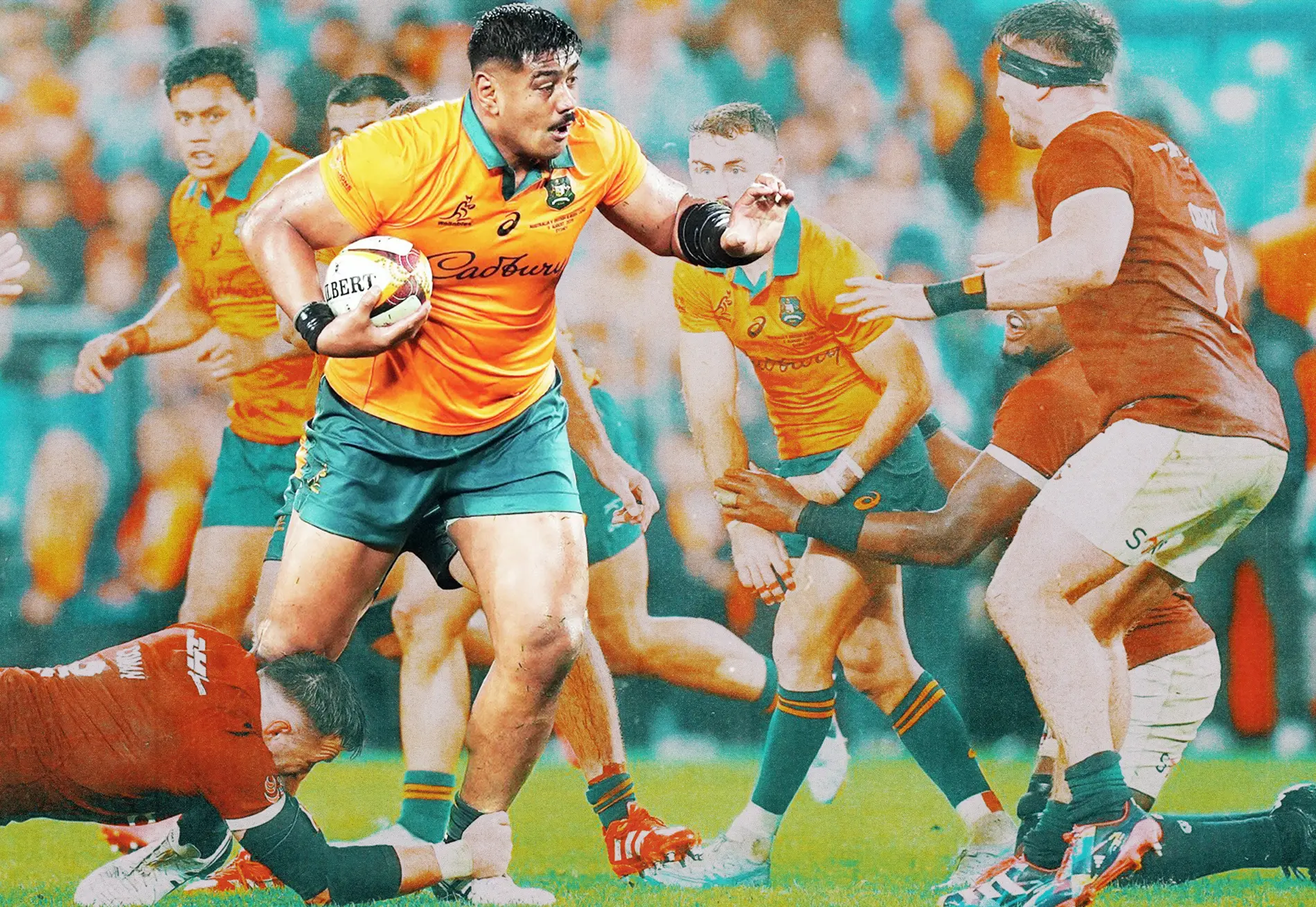
There is no objective truth to it. You either enjoy the Lions as a concept — and I’m not sure I do — or you have enough of your guys on the tour to force that enjoyment upon you. I can’t speak for English, Welsh or Scottish fans, but I do know that a lot of the regular Irish fans I met watching these games in Kerry and Portugal were fairly non-plussed with the whole thing. Most saw it as an extension of the current Irish squad, where most people’s enthusiasm is directly tied to their current proximity to Leinster Rugby, unless the stakes are sufficiently high that that can be ignored.
This is often framed as an “online” opinion, but when you actually watch games with regular people instead of exclusively in press boxes, you’ll see the exhaustion with Ireland being, essentially, Leinster rebadged is far more mainstream than many in the Irish rugby media would like to admit. That’s a story for another day, though, but it goes some way to explaining why there wasn’t mass adulation for the number of Irish Lions on this tour. The current Irish head coach was picking them, so of course, there would be a ton of Irish players. Andy Farrell is as human as the rest of us when it comes to backing guys he trusts in 9/10 cases, despite some grown men debasing themselves on social media trying to pretend that the only unbiased man in the history of the planet just so happens to work as the current Irish and Lions head coach.
I know why they have to pretend that this is, and they do too. It’s the same reason why Andy Farrell gets all the credit for his selections that work out, but none of the blame when they don’t.
But, again, like me with Keith Wood and the Munster contingent on the 2009 Lions tour, if you’re a Leinster fan, there was a lot on the line for you on this tour. That’s something to enjoy, or dread, when you see one of your guys getting banged up in July after an entire year of professional rugby under their belt.
As I said, it’s not an objective measure.
Anything you feel about the Lions is completely legitimate, be it positive or negative.
***
On-field, the series was defined by a few key twenty-minute blocks of efficiency in the first two tests. This is how the teams rated their 22 work for the third test, which is notable in itself for the difference from the first two.
3rd Test – Net-Efficiency
| Team | Entries | Pts P.A | D. Entries | Pts Con P.A | Net | Net pts |
|---|---|---|---|---|---|---|
| Aus | 8 | 2.7 | 8 | 1.5 | +1.2 | +9.6 pts |
| Lions | 8 | 1.5 | 8 | 2.7 | -1.2 | -9.6 pts |
What the Numbers Mean;
Mirror-Image Efficiency
Australia flipped the first two-test pattern:
- They matched the Lions for entry count (8 each) but scored 80 % more per visit (2.7 v 1.5).
- Defensively, they allowed only 1.5 pts/entry, the Wallabies’ best-in-series figure so far — turning the earlier defensive leakage on its head.
- Australia’s entry volume and their tight collision work when they got there allowed them to own large blocks of time in the first half, so their higher ruck count worked for them, rather than against them.
Why the Match Swung
- +1.2 points per entry across 8 visits gives Australia a theoretical +9.6-point edge, matching the eye test that they played very well. In a game that they won by 10 points, this stacks up quite neatly.
- With entry volume equal, efficiency became the sole differentiator — exactly the scenario Australia needed but hadn’t achieved in Tests 1-2.
Series Context (per-entry averages)
| Test 1 | Test 2 | Test 3 | Series Avg | |
|---|---|---|---|---|
| Australia (net) | -0.29 | -0.10 | +1.20 | +0.27 |
| Lions (net) | +0.29 | +0.10 | -1.20 | -0.27 |
Australia finished the series positive on per-entry efficiency, but the Lions’ earlier entry-volume advantage (+4 across Tests 1-2) still delivered them the 2-1 series win. It isn’t as clear-cut as saying that the Lions won this series off the back of the opening 20 minutes of the first test, but it’s not far off it, either.
On a per-entry-efficiency basis, the first two tests were incredibly close overall, but the Lions won them with key moments of efficiency or, if you want to look at it the other way, disastrous sequence management from the Wallabies.
Key Tactical Notes
| Lever | Test 3 shift | Result |
|---|---|---|
| Entry Parity | Australia finally held Lions to 8 entries | Stopped bleed of territorial pressure |
| Finishing Quality | 2.7 pts/entry (best of series) | Converted dominance into scoreboard pressure |
| Defensive Sting | 1.5 pts conceded/entry | Lions missed chances chasing a lead. |
By levelling the entry count and winning both attack and defence per visit, Australia produced a textbook efficiency win — even if the Lions’ earlier volume control secured the series overall.