


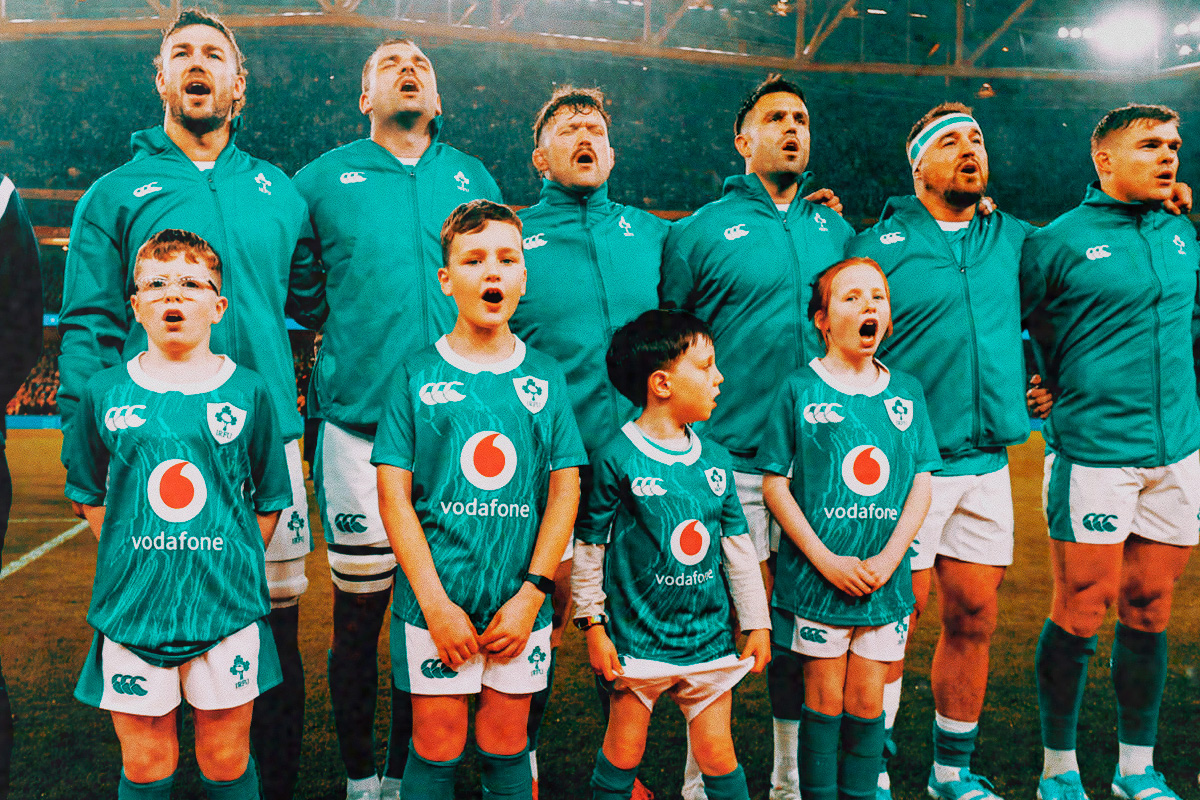
The subplot to this week’s angst has been the growing feeling that this is an ageing Irish team.
This isn’t anything new but like old age itself, it seems to have crept up on us all of a sudden. And while it’s not a case that more than half the team is a bad away from crossing that invisible line that divides crafty veterans from washed ‘ould lads, it’s not inconceivable that it’s coming in the next 12 months. Our average squad age has come down from last week’s high, in part because Henderson has been replaced by Baird on the bench, the 31-year-old Robbie Henshaw has replaced the 34 Bundee Aki at #12 and the fresh-faced rugby newborns of Thomas Clarkson and Sam Prendergast have found their way onto the bench.
It sometimes feels that the only way to get an opportunity in this team is for others to either retire, get injured (Tadhg Furlong and Tom O’Toole in Thomas Clarkson’s case) or for someone to have such a nightmare performance on the field that you’d half expect the camera to pan up to the opposition’s coaching box and find a sleep paralysis demon there running the laptops (Ciaran Frawley in Sam Prendergast’s case).
I think if Tom O’Toole wasn’t injured, or Ciaran Frawley didn’t have the kind of twenty-minute cameo that you would wish on your worst enemy, I’m not sure we’d see either young player this weekend because that seems to be how Farrell has run this Irish team for the last few years – since 2021, essentially. This is a high-performance environment where it’s difficult to even get a call-up to the wider squad, never mind getting capped.
Which made it weird that this week, Andy Farrell spoke about not having a tonne of depth;
“So there’s a bit of that, you know, a bit of hurt and a reaction and that will come as well but at the same time we haven’t got thousands of players anyway. It is what it is and we know where our bread’s buttered and we’ve got to act according to that and make the group stronger the whole time by giving them an opportunity either to right some wrongs or take an opportunity that’s in front of them.”
It’s hard to take this seriously, with all due respect to Andy Farrell.
Since the start of the 2021/22 season, Farrell has capped 13 new players. Tonight, that could rise to 15.
In the same period, New Zealand have capped 24 players.
South Africa have capped 23 players.
England have capped 26 players.
France have capped 31 players.
Scotland have capped 40 players.
Wales have capped 37 players.
Our opponents this weekend, Argentina, have capped 21 players.
Is everyone else wrong? Are we leading the way when it comes to building depth at test level by not capping new players?
Not all of those players capped by our peers at the top of the World Rankings and in the Six Nations will go on to be world-beaters for their countries. But a lot of them will become players that both their current (and future) coaches can call on when they want to freshen the team up.
So, as a result, it was functionally impossible for Andy Farrell to look for a bit of depth this week because it doesn’t exist. He hasn’t done the work to unearth it, or taken the risks that come with it.
What are those risks? Janky performances, system failures, poor training weeks and losses.
We have gestured vaguely in the direction of developing depth with two Emerging Ireland tours where we’ve played against teams like the Cheetahs, the Griquas and the Pumas thanks to a fat cheque from Toyota. It’s like a checklist of things to see on a safari. The guys who ended up getting capped out of those tours are the lads they wanted to look at anyway (McCarthy, Prendergast, Kendellen and Frawley) or who made themselves undeniable (Crowley).
But are these tours building actual depth? I don’t believe they are. Not when a guy like Nick Timoney gets capped for the first time in 2021 and only earns two more caps in the next three years despite being in multiple training camps. He last played for Ireland in 2022, by the way, scored two tries against Fiji and has held tackle bags ever since.
It’s all very well going unbeaten at home for three years and shooting up the world rankings by playing more or less the same high-performing, high-cohesion elite outfit every game and only changing one or two components when you are forced to by injury – Nash for Hansen in the first half of 2024, for example before Nash was jettisoned immediately once Hansen was fully fit – but there’s a cost that comes with that.
The cost is depth. If you use the same players over and over again and then become dependent on the unduplicatable cohesion those players have with each other, it is impossible to vary selection without throwing everything off.
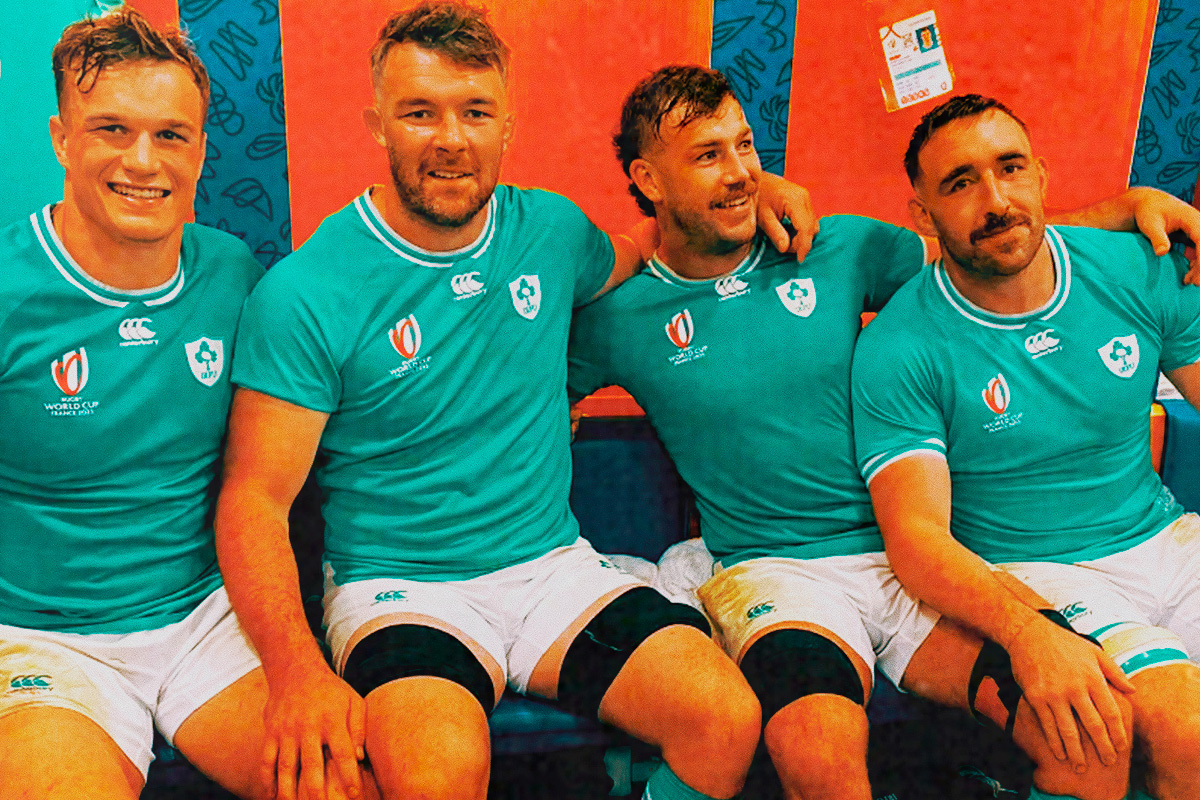
So it’s why you keep going back to more or less the same players, to see if they can get back to what brought them to the dance – high cohesion rugby. When it works, we usually win. When it doesn’t, we usually lose. But as the team that produces that high cohesion gets older and puts more miles on the clock, at what point does this team’s best fall below what beats most teams?
Andy Farrell sees his job as winning rugby games for Ireland, while the provinces provide test-ready players for him to do so. It is strange that, once he’s scooped out every player that has become a regular starter for Leinster over the last three years, he runs into depth problems, but that’s for another time. The Emerging Ireland tours haven’t worked – Andy Farrell admitted as much this week – so now I think it falls on the head coach to start widening the net himself, starting with training camp numbers.
It won’t start this week or next week, or even next Spring, but it must start soon. Andy Farrell is correct in that we don’t have “thousands” of players. But we certainly have more than 13 players who could have done with meaningful exposure at test level in the last two years. Who knows, those players might even have provided some depth this week.
