


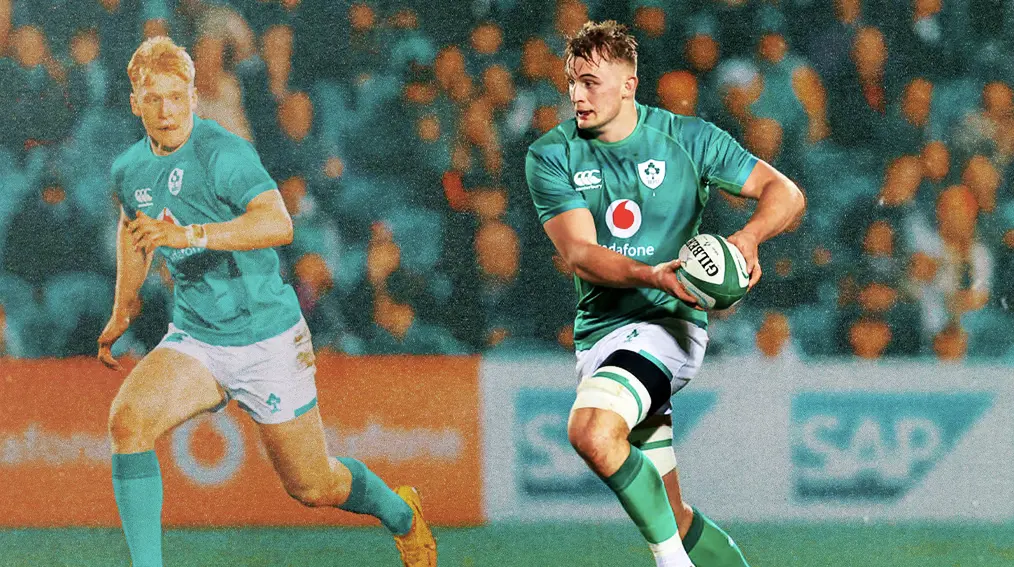
If you’ve read Three Red Kings for any extended period, you’ll have come across something like Combo Flanker or Tighthead Lock Power Forward, or Half Lock or Small Forward or Strike Playmaker, and maybe you thought… “what the hell does that mean?”
Well, at a fundamental level, I think the normal labels thrown onto players in the modern era are unsatisfactory. How many times have you heard that so-and-so player “isn’t a 6, he’s more of a 7”? What kind of “#7” is he like? Is he a #7 like Josh Van Der Flier is? Or is he a #7 like Ardie Savea? But then you might say, “Oh, I mean an openside flanker“, and then I’d ask, do you mean an openside like Siya Kolisi (who wears #6 for South Africa) or like Jack Willis? To me, you’re talking about different players that do very different things.
I think it comes from my desire for very specific instructions. If herself sends me up to the shop for a few things, I will get those things and only those things. If she tells me that she’d like a surprise, I will literally ask, “What type of surprise? A Tayto-style surprise? Or a chocolate surprise?”
If she tells me Tayto, I’ll then ask, “What type of Tayto are we talking about here?”
Cheese and onion? Or something more like onion rings? Or do you want something like a Wotsit? Or something like a Monster Munch? All four of these are different styles of crisps, and they aren’t even all of the crisps that it’s possible to get. By the time I walk into the shop, I know exactly what I’m after.
It’s the same with player roles. The more I watched the game, the more I saw different teams from different rugby cultures build their teams in different ways, using different players, but they were all crammed into the same 15-9, 1-8 template we’ve seen our whole lives. French rugby, for example, as well as not using the terms “blindside” or “openside”, doesn’t traditionally use a typical “groundhog” openside flanker that we might see in Irish, Welsh, NZ and Australian rugby. In the 2010s, English rugby basically led the way on the “6.5” flanker who was 45% blindside, 45% openside and 10% #8. Think James Haskell, Chris Robshaw and, to an extent, Tom Croft.
As the game got more advanced, it became harder to use traditional labels to describe the jigsaw that was most teams’ pack and backline builds. It got to the point that the idea of describing someone as just a winger or a lock felt like an incomplete way of writing about the game.
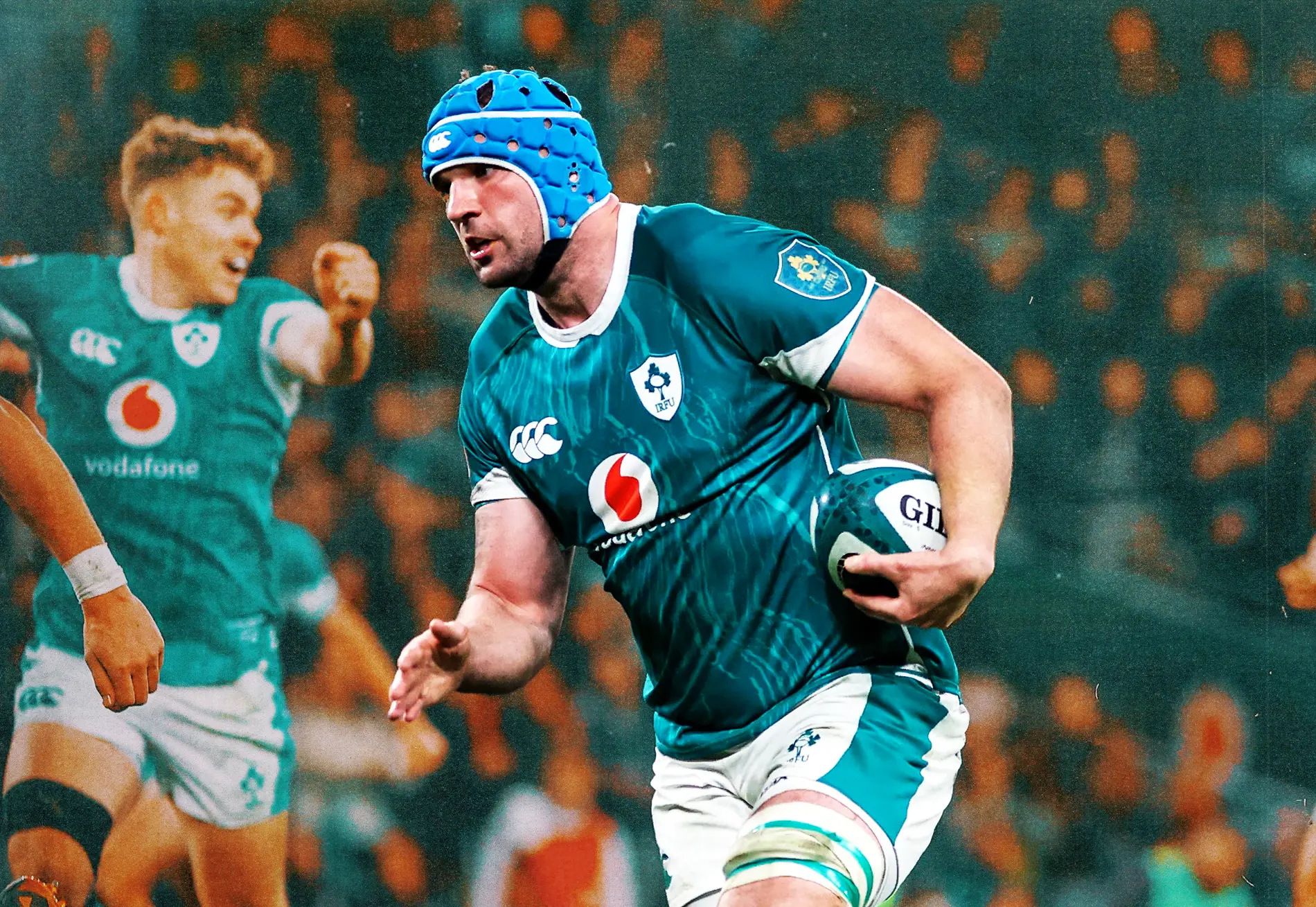
After all, Tadhg Beirne and Will Skelton are both, nominally, locks and both wear the same number more often than not, but they do very different things on a rugby field as well as having wildly different physical proportions.
To give you a very recent example, the 2025 British & Irish Lions played a backrow of Ben Earl, Jac Morgan and Tom Curry on multiple occasions. On paper, all of these players are “7s” or “opensides”, but what are they when they aren’t in their traditional positions, which, by the way, often relate to where they pack down in the scrum. I’ve heard people say that Tom Curry isn’t a good #8 because he doesn’t control the ball at the back of a scrum, something he might only have to do four or five times in a game. It’s too vague for me, too nebulous, and the only time it makes sense is when you’re describing front row players. Anyway.
This is my long-winded way of saying that I’ve created a number of different player roles and archetypes to describe the modern player.
This article will focus on forward roles for clarity and ease of reference.
Role Glossary
All the role descriptions here describe an ideal version of this archetype, and the examples used are of players perceived to be at their best.
Front Row
Support Forward Prop: A loosehead or tighthead prop whose primary function and best strength are the basics of the position in a very balanced way. They are good scrummagers, lineout lifters, decent carriers/tacklers and busy ruck support players without necessarily being dominant in any of these facets. This describes most props in the professional game, and they are the rock on which most squads are built because they do a lot of everything. High-level versions of this role player are incredibly valuable.
Physical Traits: These props will be 6’2″ or shorter and usually weigh between 111kg and 120kg, regardless of whether they’re looseheads or tightheads.
High-Level Example: Andrew Porter, Vincent Koch
Power Scrummager: If the Support Forward Prop is a balance of all four primary prop roles, the Power Scrummager is a scrummaging specialist whose main stock in trade is dominating at the scrum, specifically specialising in winning scrum penalties or forcing turnovers. They can be looseheads or tightheads. They will typically use most of their energy as scrummagers, which means they usually don’t carry, tackle or hit rucks at an elevated rate, but some guys will focus on one of these facets as well as being great lineout lifters and maulers, although this is usually a tighthead trait. They are often used as bench impact, but can also be effective starters if they are heavyweight tightheads.
Physical Traits: Looseheads typically range in height from 5’7″ to 6’2″, weighing up to 115 kg. Tightheads normally 5’10” and anything from 115kg to north of 140kg.
High-Level Example: Ox Nche, Rabah Slimani, Nicky Smith, Will Stuart, Wilco Louw
Power Forward Prop: This type of prop is probably the rarest build of all. Power Forward Props are impact ball carriers and defenders, while also usually providing real grunt in the scrum against the right opposition, although they are sometimes prone to getting hurt by Power Scrummagers. As you might expect, these props (loosehead and tighthead) are prone to injury, but when they’re fit and firing, they are legitimate game changers.
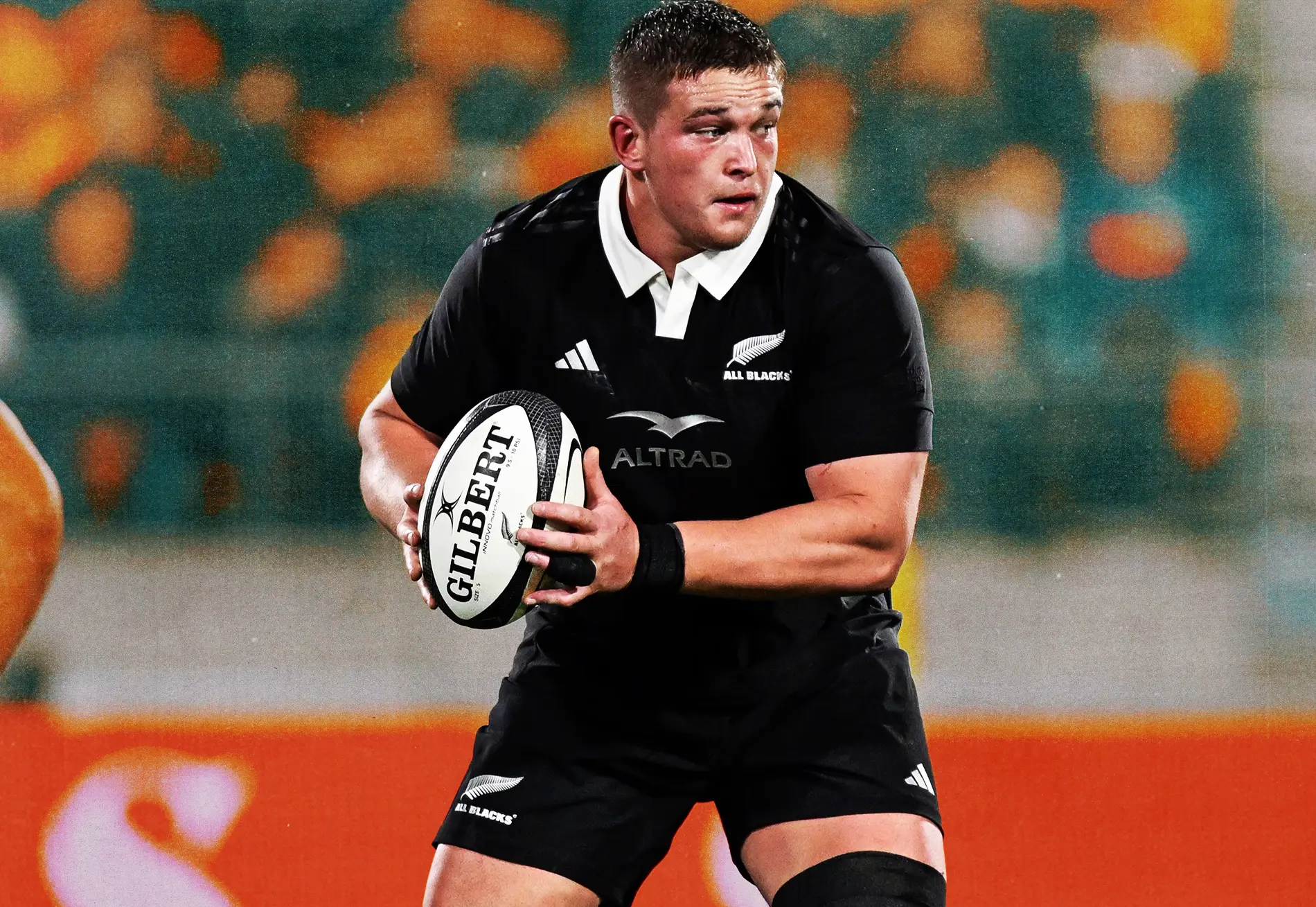
Physical Traits: Height can vary with the looseheads, but tightheads in this class are almost all north of 6’3″ and 125kg. Loosehead variants are 115kg+
High-Level Examples: Ellis Genge, Taniela Tupou, Angus Bell, Tadhg Furlong, Uini Atonio, Tamatai Williams, Gerhard Steenekamp, Jan Hendrik Wessels, Ethan De Groot
Power Hooker: This variant on the hooker is a modern phenomenon in a lot of ways, and it’s a good exercise to imagine this role set as a slightly heavier classical #8 playing in the front row. These players have started to emerge since the “hit” was taken out of the scrum, which means a traditionally short position has started to see players as tall as 6’3″ find real success. These players are primary ball carriers and usually find a home carrying in the edge spaces of the field.
Physical Traits: Anywhere from 6’0″ to 6’3″ and weighing up to 112kg.
High-Level Examples: Dan Sheehan, Malcolm Marx, Samisoni Taukei’aho
Heavy Support Hooker (Workhorse Hooker): This brand of hooker has their primary stock in trade at the set piece; their lineout and scrum will be the best thing they do without question, and they throw their hand at pretty much everything else during phase play, albeit with a focus on platform carries off #9, tight defence and offensive ruck support.
These players are usually not as explosive as Power Hookers. Still, they will often carry more than them from a raw volume perspective and be more active at the offensive breakdown on average. Top-level Heavy Support Hookers will give you 8+ carries over a 50-60 minute spell, load up on tight defensive and produce high Offensive Ruck Work scoring all while being lockdown throwers and scrummagers.
Physical Traits: Typically stand between 5’8 and 6’2″ tall and weigh between 105-115kg
High-Level Examples: Bongi Mbonambi, Pierre Bourgarit, Ronan Kelleher, Julien Marchand
Heavy Strike Hooker (Link Hooker): This type of hooker is the closest to the old-school hooker in the modern game. They are best described as a mix between a classic openside flanker (something that’s slowly leaving the game in the back row), mixed with a slightly undersized prop. Later in this glossary, I’ll be describing Small Forwards in the back row, and a Heavy Strike Hooker is part of this general role classification.
As a result, you’ll sometimes see teams forgo a small forward build player in any pack build that also uses a Heavy Strike Hooker, as this hooker build is typically smaller and lighter than the other two archetypes. They are very comfortable carrying the ball off #10 and most often profile as middle-line ball carriers, but can “do a job” in edge spaces if need be. They are defined by excellent, varied lineout throwing, agility and pace around the field with the ball in hand, combined with huge output at the offensive breakdown while also being legit jackal threats.
Physical Traits: They usually range between 5’8″ to 6’2 and weigh between 95kg at the lower end to 110kg at the upper end.
High-Level Examples: Jamie George, Theo Dan, Johan Grobbelaar, Cody Taylor, Peato Mauvaka
The Back Five
This is the area of the overall team build where there is the most role variety and nearly infinite combinations that can work, once you have the right blend in the front row.
Tighthead Lock Power Forward: This lock build is the most sought after in the game, and the players at the top end of this archetype are up there with the most well-paid players in the sport. At their core, these super-heavyweight big men are the physical core of your team and win collisions on both sides of the ball, as well as being core maul players and scrummagers on the tighthead side of the scrum.
Physical Traits: 6’5″ to 6’10” and 120kg+
High-Level Examples: Will Skelton, RG Snyman, Emmanuel Meafou
Swing Lock: These locks are close in style to half-locks – more on those later – but they lack some of the offensive output and the eye-catching athleticism. They are the workhorses of any pack build because they are usually primary lineout jumpers, primary ball carriers, primary defenders, and end up with huge ruck output. I call them swing locks due to the similarity I see in their role with swing guards in basketball, who are called that because of their ability to swing between two different, albeit related, roles. Like a swing guard, a swing lock will swing between different roles during the game, usually for 80 minutes, depending on what’s needed. Some swing locks are so versatile that they can play in wider roles in the back row, while still bringing their core “everything” game. Heavier Swing Locks fit the description from an output perspective, but generally wouldn’t be suited to playing wider backrow roles.
Physical Traits: 6’4″ to 6’7″ and usually between 112 and 118kg to maximise their ability to play 80 minutes.
High-Level Examples: Tadhg Beirne, Maro Itoje, Ruan Nortje, Guido Petti, Scott Barrett
Tighthead Lock: These heavyweight locks don’t have the same ball-carrying focus as Tighthead Lock Power Forwards or the all-encompassing versatility of a Swing Lock, but they are still incredibly valuable components of a ton of successful builds. Their primary focus is on the set piece, adding huge value as tighthead scrummagers in particular, as well as doing a lot of heavy work at the lineout and maul.
Physical Traits: 6’5″ to 6’9″ and always 120kg+
High-Level Examples: Jean Kleyn, Eben Etzebeth, Adam Coleman, Richie Arnold
Stretch Four: This is another role type I’ve taken straight from basketball, because it fits a very specific type of player that has found a lot of success in the last few years. A Stretch Four is a very tall lock (6’7″+) who is a primary lineout jumper on both sides of the throw, while also being athletic enough to be able to carry the ball in wider areas, where their freakish athleticism allows them to play a role more like a super-sized winger or flanker.
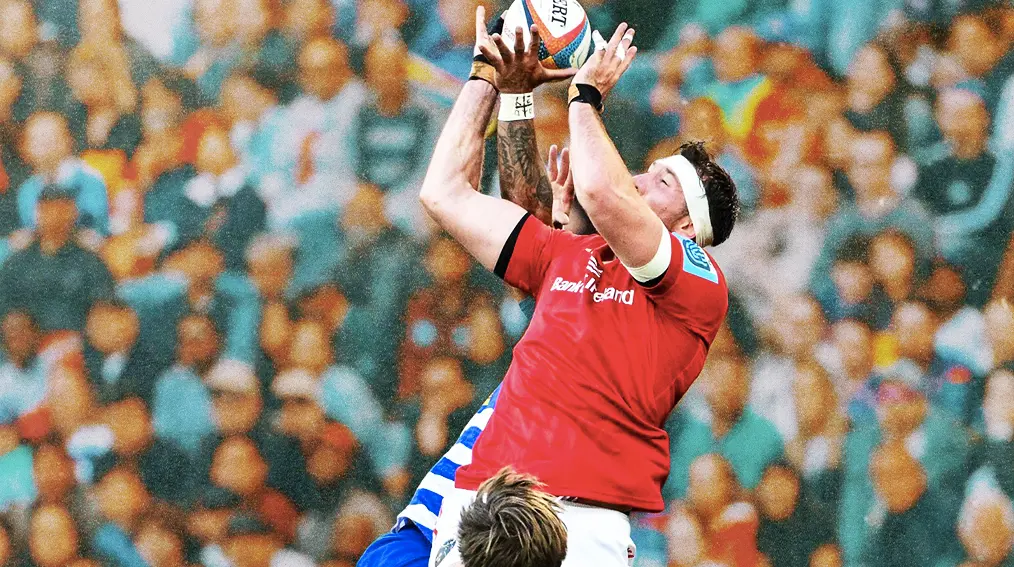
As they age, these players tend to transition into heavier Swing Lock or Tighthead Lock roles, but before that, you’ll often see them selected in the back row.
Physical Traits: 6’7″ to 6’10” and in a weird spot between 115kg and 120kg
High-Level Examples: Tom Ahern, Thibaut Flament, Brodie Retallick (2015-2019)
Half-Lock: When I started thinking about how modern roles often outstrip the ability of traditional position names and/or numbers to describe them, it was the use of locks in the #6 jersey that sparked it. At its core, a half-lock is a player whose playing and athletic traits are half a lock, half a backrow. But what does this mean in reality? Is a half-lock defined by where they carry the ball or where they pack down? Because the other parts of their game are very much tailored towards the “lock” side of this hybrid player. They almost all have a huge lineout and maul focus to their game, and after that, it’s about what their athleticism allows them to do.
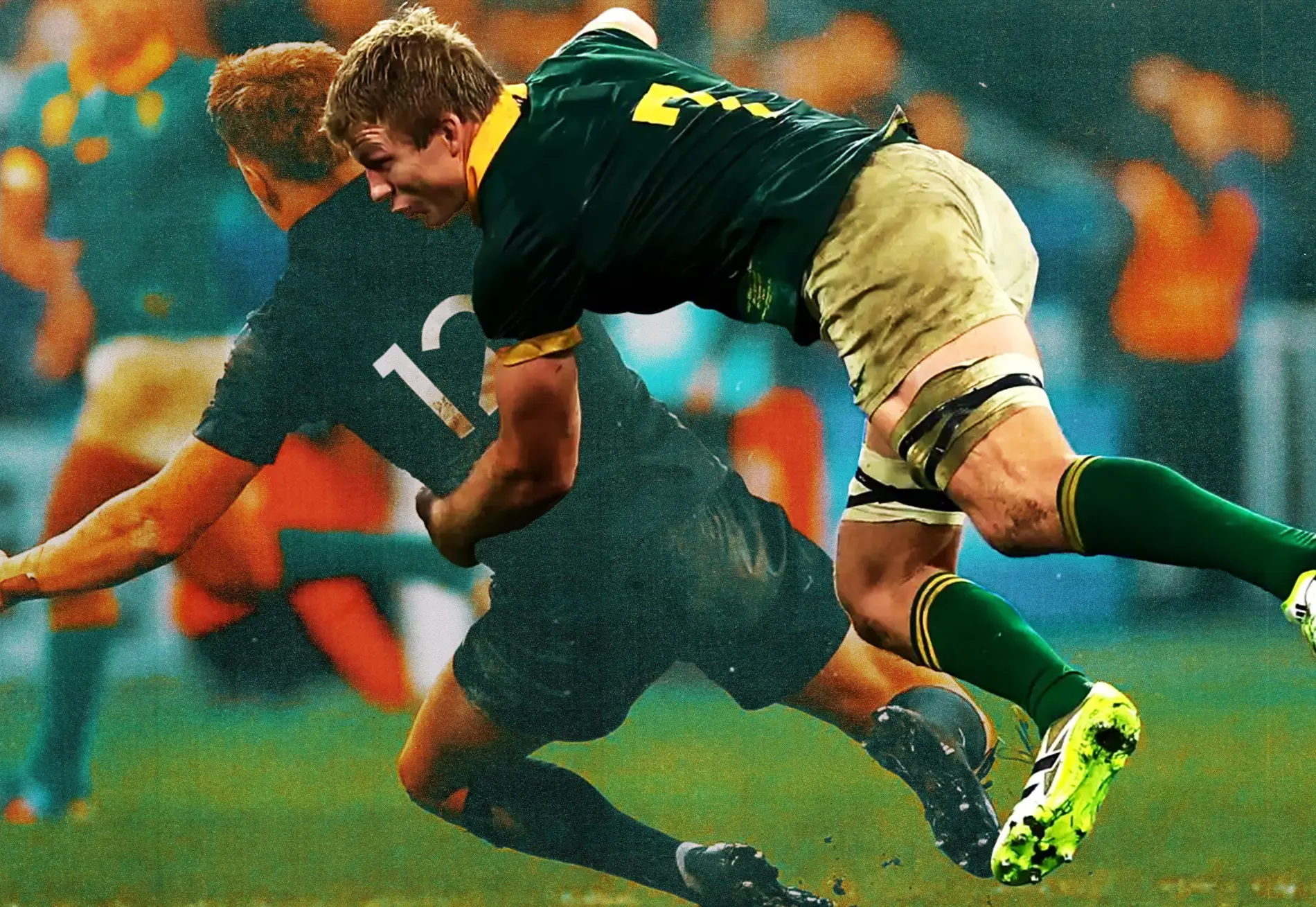
They fit a lot of the same traits as a Swing Lock, but typically find their best usage as a force multiplier in the back row, where the scrummaging load isn’t the same. This usually translates to an increase in defensive output or offensive ball carrying, but rarely both, depending on the overall system. A half-lock gives you a lot of the same tight power as a swing lock and can help fill out a big pack build with lots of lineout work, maul work and enough mobility and athleticism to cover wider defensive positions that might be beyond a regular Swing Lock. An easy way to spot a true half-lock is by looking at their starts and seeing a split heavily favoured between the back-row and second row, whereas a Swing Lock will favour a breakdown in the opposite direction.
Physical Traits: They normally range in height between 6’3″ and 6’7 and play between 110/115kg
High-Level Examples: Pieter Steph Du Toit, Samipeni Finau, Charles Ollivon, Cameron Woki
Half-Lock Power Forward: This role is something of a sub-role of the half-lock, but has a few key identifying traits that mark it out as being different. A Half-Lock Power Forward is a smaller, more mobile and versatile version of the Tighthead Lock Power Forward. They are similar in that they are expected to be a physical cornerstone of the pack, a secondary lineout jumper on close-range lineouts, and primary ball carriers and defenders. They are different in that they will be seen in wider positions and take up ball-carrying lines off the lineout when they aren’t involved in the lineout itself, as well as having a more expansive range of passing. Half-Lock Power Forwards are often seen wearing #8, as their power and handling skills translate well to being the first forward to take the ball off the scrum, but there’s no reason why you couldn’t have multiple players of this role in the same starting pack.
They are most known for their destructive, high-volume ball-carrying mixed with secondary lineout work.
Physical Traits: 6’4 to 6’6″ and weighing 110/118kg
High-Level Examples: Gavin Coombes, Gregory Aldritt, Evan Roos, Rob Valetini, Ted Hill
Power Forward: This is a player whose primary job is to carry the ball in central areas and defend in more or less the same area of the field. They have limited usage as jumpers in the lineout and are more likely to be seen punching holes in tight channels.
Physical Traits: 6’1 to 6’4″ and weighing 115/120kg
High-Level Examples: Jasper Wiese, Prime Billy Vunipola, Alfie Barbeary, Juarno Agustus
Combo Flanker: This is the most common type of back-row specific player in the game. I call them Combo Flankers because they usually have a combination of two or three of these classic flanker traits, but never all of them
Those traits are: offensive and defensive lineout jumping, primary central ball carrying, offensive and defensive ruck work, primary wide ball carrying, primary defending, and edge defending.
Some combo flankers specialise in the lineout, carry in the wide channels and high volume ruck work. Some are excellent defenders, passable ball carriers in the right channel and only occasional lineout jumpers. These players are usually core leaders in their teams and often end up as captains as a result. They are players that bring balance to pack builds by offering size and specific skillsets that keep everything running.
Physical Traits: 6’2 to 6’6″ and weighing 105/112kg
High-Level Examples: Peter O’Mahony, Caelan Doris, Siya Kolisi, Jamie Richie, Jack Conan, Alexander Roumat, Pierre Boudehent
Small Forwards
This sub-division of players who operate in the back row is very specific in that they are very rarely used as jumpers in the lineout, but fulfil several other identifiable roles that can fit anywhere in the traditional back row. These are modern-day variants of the traditional openside.
Strike Wing Forward: A small forward whose primary strengths are in high volume defensive actions – tackle count, tackle accuracy and ruck work – but who also specialises in being, essentially, a ball carrying midfielder on attacking phase play and off the lineout, when not used as the +1. They typically do not jump in the lineout.
Physical Traits: 5’10 to 6’1″ and weighing 100/108kg
High-Level Examples: John Hodnett, Josh Van Der Flier, Kwagga Smith, Phepsi Buthelezi
Heavy Small Forward: These players play a similar role to the Strike Wing Forward, but operate in more central areas on both sides of the ball. They are noticeably different in build, often weighing closer to 110kg than 105kg, but can sometimes double as primary ball carriers for their team and even add in secondary or tertiary lineout jumping. They are almost always strong jackal threats, and that is sometimes seen as the other main strength of their build.
These are often the most explosive athletes on the field and have a wide range of skills with the ball in hand. This is often because, to make it to the pro level as a forward who is under 6’3″ in the modern-day back five, you have to be outstanding in almost every facet of the game.
Physical Traits: 6’0 to 6’2″ and weighing 108/112kg
High-Level Examples: Ben Earl, Jac Morgan, Sam Underhill, Alex Kendellen, Wallace Sititi, Henry Pollock, Tom Curry
I will add to this glossary of Forward roles in the coming season as I identify more of them, and my backline role glossary will follow in a day or so.
