



Last Saturday’s controversial – to put it mildly – loss to the Bulls will only truly become catastrophic if we follow it up with another loss to Cardiff on Friday night.
All the wiggle room has wiggled itself out. We need to win this game if we merely want a stressful end to the regular season. Lose, and the unthinkable scenario of missing out on European Cup rugby next season is a very real possibility.
This season, the unthinkable has become quite thinkable, in both a good and bad sense.
Losing away to Zebre? Unthinkable. Having two games in a season affected by the officials wrongly reducing us to 14 men because they didn’t know the laws? Unthinkable. Winning away at La Rochelle? Unthinkable.
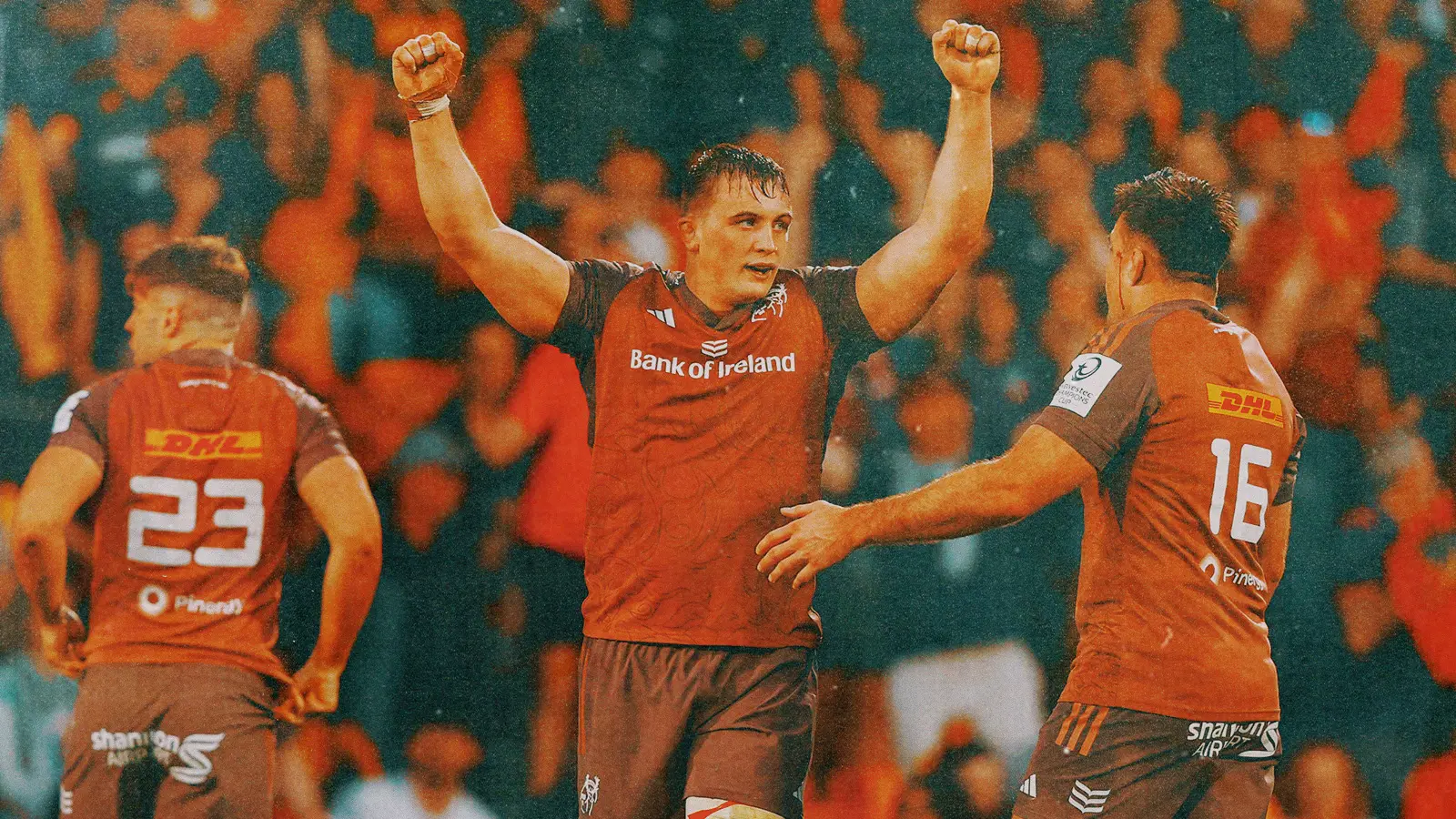
So the idea that certain things can’t happen is, for me, a losing strategy this season. The simple fact is that we haven’t been consistent enough. The reasons for that are pretty clear: a horrible start to the campaign, going back to the beginning of preseason, combined with another unprecedented injury crisis rolled in with changing a head coach and forward coach after the first block of games and then having to play catch-up for the rest of the season against opponents who are a little stronger than last season right when we’re a little weaker.
We look like a team that could plausibly beat and lose to any side in Europe on our day.
It’s been that kind of season.
Win this match, and we’ll more than likely finish the weekend in fifth place with Cardiff, currently in fifth, essentially knocked out of contention for that spot. Lose, and things get unpredictable and witheringly complex. In a way, we’re lucky that our final three games are all against teams competing around the same points total as ourselves because victory in those games directly affects the league table. In another way, if we lose those games, that deadly damage is dealt to us instead.

It is knockout rugby without the cold release of actually being knocked out. You have to struggle on, even when you’ve been dealt a killer blow. Munster aren’t at that stage yet, but we’re running out of games to do our business, before it gets done for us.
Vibes in the camp this week have been pretty good in the circumstances, but that will all count for very little unless we can win this game and start focusing on what’s going on up the table instead of looking behind us for who might steal our lunch.
Munster Rugby: 15. Mike Haley; 14. Calvin Nash, 13. Tom Farrell, 12. Alex Nankivell, 11. Thaakir Abrahams; 10. Jack Crowley, 9. Craig Casey; 1. Michael Milne, 2. Niall Scannell, 3. John Ryan; 4. Fineen Wycherley, 5. Tadhg Beirne (c); 6. Jack O’Donoghue, 7. Alex Kendellen, 8. Gavin Coombes.
Replacements: 16. Diarmuid Barron, 17. Mark Donnelly, 18. Ronan Foxe, 19. Jean Kleyn, 20. Ruadhán Quinn, 21. Paddy Patterson, 22. Tony Butler, 23. Seán O’Brien.
Cardiff Rugby: 15. Cam Winnett; 14. Josh Adams, 13. Harri Millard, 12. Ben Thomas; 11. Gabe Hamer-Webb; 10. Callum Sheedy, 9. Johan Mulder; 1. Danny Southworth, 2. Liam Belcher (c), 3. Keiron Assiratti, 4. Josh McNally, 5. Teddy Williams, 6. James Botham, 7. Thomas Young, 8. Taulupe Faletau.
Replacements: 16. Evan Lloyd, 17. Corey Domachowski, 18. Rhys Litterick, 19. Rory Thornton, 20. Alun Lawrence, 21. Ben Donnell, 22. Aled Davies, 23. Tinus de Beer.
In the last two games, we’ve been undone by teams with massive off-ball physicality, high volume kicking games and weapons at both the scrum and defensive lineout to hurt us.
Cardiff do not have the overwhelming physicality of fully loaded iterations of teams like UBB or the Vodacom Bulls, and they don’t have the kind of defensive set piece that we’ve struggled against either. What they do have is a very high volume kicking game, and as a result, a high work-rate transition defence that they use to force turnovers, which they then kick downfield to create more territorial pressure.
They don’t score many tries on turnover ball or off kick returns, and yet they kick the third most by volume in the URC. What does this tell us? They have an off-ball profile. So, how do they score tries? How are they fifth? It’s get pretty interesting here.
Cardiff have the third lowest number of attacking 22 Entries per game in the URC on average, but the highest try scoring efficiency of any team once they get there. How do they do this?
Mauling. They have the highest average maul metres per game in the URC – more than the Bulls, more than Glasgow – and have the fifth highest metres per maul in European Rugby so far this season. They are seventh in the world for maul tries and probably higher when you count tries scored in the aftermath of a maul. They are fourth in the URC for tries scored off the set piece – similar numbers to Leinster and Glasgow – and, like all teams with their mauling numbers, they are high volume throwers to the middle of the lineout.
From a phase play perspective, a lot of Cardiff’s offence is focused on generating penalties. They play the second-most blindside phases in the URC this season and score highly in passes to the mid-range and edges, with very little movement in the tight and close spaces.
Staying on our feet, filling the field and making sure we cover Gabe Hamer-Webb on their wide sling passes to the blindside channel will go a long way to stuffing them and removing penalty access from their armoury.
Our key ways into this game are transition and post-transition sequences that lean into on-ball territory.

A team that kicks as often as Cardiff will be vulnerable on transition, and I think they are. They give up the most defensive 22 entries in the league, and we can 100% exploit that if we’re accurate with our set piece, which we haven’t been in a few weeks. The biggest area we can get at them is through their hyper-aggressive defensive press. No team in the URC has a higher percentage of dominant tackles than Cardiff do,es and that relates directly to their kicking strategy and defensive focus.
If we can hurt them in the first or second phase of transition, we have a backline that can get around their press and execute in the wider channels. We’ll need a lot of control and two-way threat from Casey and Crowley – both will need to establish a running threat to unbalance them – but if we’re accurate with the ball in hand, we’ll score tries and should have the wherewithal on transition to handle their kicking starter plays and chop focus transition defenders.
