



There’s always a sense that if a TOP14 club isn’t doing well domestically, that it can throw Europe onto the back burner, mentally if not fully, through selecting the espoirs and the bus driver. That doesn’t apply anymore. For me, it’s more received wisdom that doesn’t take into account just how strong most TOP14 squads are. Either way, it definitely doesn’t apply to La Rochelle this week.
They have been on a pretty bad run in the TOP14 and Europe, home and away, since the turn of the year. Some of the run defies belief, to be honest. They lost their last two pool games in the Champions Cup, but, even worse, they are in relegation-level form in just the last 10 games in the TOP14, with just two wins in ten games for 12 points total. At home, they’ve won just two of the last five games, drawing one and losing the other two.
This isn’t La Rochelle. Not the team we expect. They know it too.
It’s certainly not the La Rochelle side that Ronan O’Gara turned into the best big game side in the Heineken Cup over the last few seasons as long as they weren’t playing Toulouse. Reading too much into whatever aberration this slump has been – and I truly believe that’s what it is, as opposed to a systemic decline – is a recipe for somehow underrating a side who’ve won back-to-back European Cups as recently as two seasons ago.
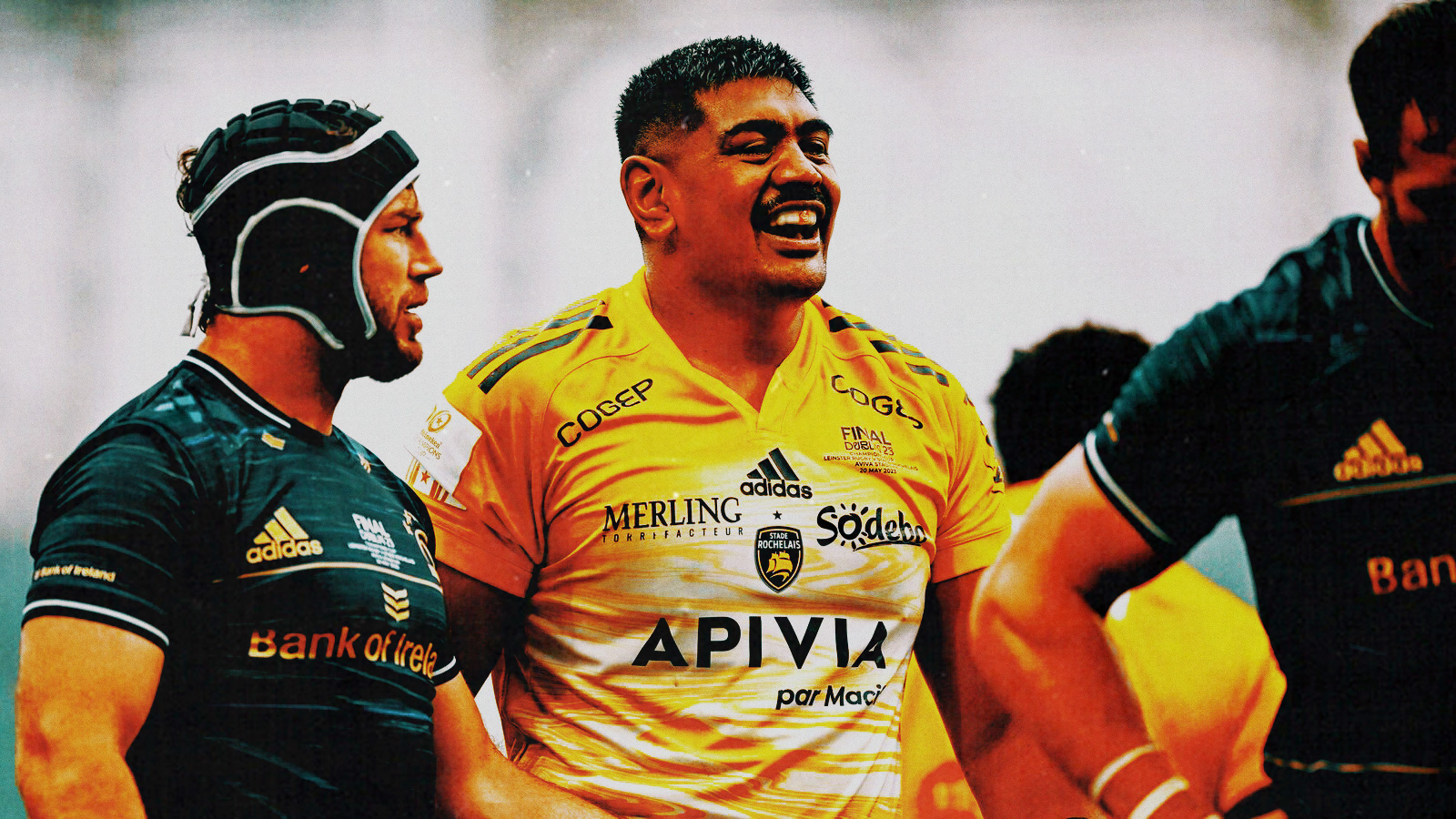
If anything, this game provides O’Gara with the perfect “season starts now” reset that his side so badly needs. La Rochelle have been on a rotten run of results, but it’s only a matter of time, you’d imagine, before they click.
O’Gara will, no doubt, be going to the well emotionally with them this week to get them to do just that. I think it has to be emotion that does it this week – to play for their coach. That’s where their season is at; it’s about digging deep and finding the levels you used to and, likely, still have in you when they’ve been missing for a while.
La Rochelle are the rightful favourites in this game. They’re at home, in Europe, and at a more advanced stage in their development than this Munster team. If anything, La Rochelle are maybe slightly beyond their peak but even then, they should win this game nine times out of ten.
That’s the thing, though. It’s that one out of ten chance that’s particularly dangerous when you’re playing Munster. One thing following this team gives you is a keen sense of when the opposition is thinking more about the one in ten chance than they are the nine in ten chance.
Maybe that’s the “one of our own” O’Gara needs to keep an eye out for this weekend.
Munster Rugby: 15. Thaakir Abrahams; 14. Calvin Nash, 13. Tom Farrell, 12. Seán O’Brien, 11. Andrew Smith; 10. Jack Crowley, 9. Craig Casey; 1. Jeremy Loughman, 2. Diarmuid Barron, 3. Oli Jager; 4. Jean Kleyn, 5. Tadhg Beirne (c); 6. Peter O’Mahony, 7. John Hodnett, 8. Gavin Coombes.
Replacements: 16. Niall Scannell, 17. Josh Wycherley, 18. Stephen Archer, 19. Fineen Wycherley, 20. Tom Ahern, 21. Conor Murray, 22. Rory Scannell, 23. Alex Kendellen.
Stade Rochelais: 15. Dillyn Leyds; 14. Jack Nowell, 13. Teddy Thomas, 12. Ulupano Seuteni, 11. Hoani Bosmorin; 10. Ihia West, 9. Tawera Kerr-Barlow; 1. Reda Wardi, 2. Pierre Bourgarit, 3. Uini Atonio; 4. Thomas Lavault, 5. Will Skelton, 6. Levani Botia, 7. Oscar Jegou, 8. Greg Alldritt (c)
Replacements: 16. Quentin Lespiaucq, 17. Alexandre Kaddouri, 18. Aleksandre Kuntelia, 19. Ultan Dillane, 20. Judicaël Cancoriet, 21. Matthias Haddad, 22. Antoine Hastoy, 23. Jules Favre
The biggest threat in this game is La Rochelle’s scrum and maul.
Both can dominate this game and put them in a position to repeatedly batter our 22. In the last four months, La Rochelle have really struggled to get access to the opposition 22 without the help of penalties or opposition kicking errors. Their biggest weapon for advancing up the field has been scrum penalties, which is a good strategic bulwark against a weakness that has developed in their game in the last two years – when they get out-balled by kick pressure dominant teams.
La Rochelle’s super heavyweight tighthead side – Atonio and Skelton – combined with the aggressive Reda Wardi and Bourgarit on the loosehead side is incredibly dangerous on both sides of the put in and they’ll feel that if Munster kick a lot of contestables, the off-run of excess scrums will be a big advantage to them.
Most teams have found a lot of success kicking quite long to La Rochelle instead, however, and that’s a question they haven’t really been able to answer satisfactorily since early January.
It’s not a surprise to me that the Mexican standoff between Leinster, La Rochelle, and Toulouse – where Leinster could beat Toulouse, La Rochelle could beat Leinster, and Toulouse could beat La Rochelle – was finally broken when Leinster moved to a solidly off-ball game.
That meant they could be pieced up by Toulouse but it meant the hoodoo that La Rochelle had over them was broken once, twice and then three times in a row.
Leinster found a lot of success kicking deep to La Rochelle, hemming them into their own 10m line and then taking advantage of the general lack of top-end pace and transition ability that La Rochelle have in the last two seasons. When you look at the games that La Rochelle have lost this season, it is usually against teams who kick them at a higher frequency. Their last four losses have seen their opponent smother them with high volume kicking, most notably when they were beaten by Racing 92 at home with a 1:2.5 kick to pass ratio.
Why are teams so comfortable kicking long to La Rochelle all of a sudden?
Part of it is showing in the data, with only 7.4% of their tries coming from kick return transition phases, following on from 6.8% last season – for reference, that’s the third lowest in the TOP14. That scans with their defensive approach also – they are top two in the TOP14 for low profile “chop” tackles, which are synonymous with jackal turnover attempts, and top 10 in Europe. La Rochelle hasn’t become a kick pressure, set-piece team, but a lot of their data suggests that they have. I think this is because opposing teams have realised that La Rochelle are incrementally less dangerous with the ball in hand from deep.
This is showing in the data too – La Rochelle are in the top two and three in the TOP14 this season for two man and three man tacklers drawn to a collision but are in the bottom four for the percentage of carries that make the gainline. They also have the second lowest offload success rate in the TOP14, convert the second lowest number of linebreaks into tries while also having the fourth highest number of passes per game on average in the TOP14.
What does this tell us?
That teams are finding success kicking the ball long to La Rochelle, that La Rochelle struggle to break teams down from that distance in the way they used to – the ol’ KBA hasn’t really worked this season, because they haven’t been trying it – and as a result, they are incrementally reliant on penalty access to score tries. They use their scrum and maul for this, as well as using their big heavy carriers to trap in lazy rollers.
La Rochelle have 100% been trying to play around being off-balled, too.
They have the second highest percentage of kicked exits in Europe so far this season but no French side passes more beyond first and second receiver than La Rochelle. This is La Rochelle trying to escape that defensive pressure.
When they do attack from deep, it’s most often in the middle and wide distances from the ruck, where they get huge value from their physically imposing ball carriers like Aldritt, Atonio, Botia and Skelton. It’s almost always in the three or four phases they give themselves post-lineout, too, and that’s also the origin point where they are most comfortable playing from deep.
Munster will have to make two man stops on their momentum players like Atonio, Aldritt and Skelton, while making sure to really get after the rucks in the wider channels that La Rochelle will try to play to. La Rochelle do play wider than most French teams off ruck points but you can’t get baited into going after too many rucks. Look for Beirne to get right after that third or fourth ruck off the lineout because that’s where La Rochelle tend to run out of forward numbers.

On the edges, La Rochelle’s two weakest offensive ruck support players in their backline are Jack Nowell and Dillyn Leyds so look for Munster to really go after the breakdown on the right side of La Rochelle’s attack through O’Mahony, Hodnett, Farrell and Kendellen in the second half.
La Rochelle get a lot of energy from big turnovers so we’ve got to make sure that when we do play, it’s inside their 10m line. We will get turnover opportunities and intercepts of Ihia West in the second layer of their attack, but our primary approach has to be through the boot.
They are carrying a lot of guys who are north of 30 or have a tonne of rugby under their belts already this season – we need to keep this ball zipping around the place vertically as often as we can and get after Lleyds, Nowell and Bosmorin through kicking. How comfortable are they trading in space? We need to see.
The biggest issue with La Rochelle’s season so far is their really poor lineout completion rate, which limits the use of their physically imposing maul. It should not be a shock that a side with Will Skelton and Uini Atonio should very strong on the drive – if they get any kind of forward momentum, it’ll be a long day at the office with back to back penalties a real possibility.
As a result, we’ve got to expend a lot of energy on getting counter-jumpers into the air to sweat Bourgarit’s throwing and make Skelton a very expensive player for them. Cancoriet is their best lineout forward in the backrow with Boudenhent – the starting back five can be got at in the air. With O’Mahony and Beirne to start and Ahern to come off the bench, I think we can really attack their lineout which has been worse than ours this season and getting worse. They ran at 63% away to Clermont last week and while it’s fanciful to think they’ll be like that again here, it’s a possible weakness that we can get after early, especially without Boudenhent.
If we are to win this, it’ll be entirely through counter-punching smartly, knowing when to really get after Teddy Thomas and Nowell in that 3/4 space through Farrell and Abrahams, and ensuring we get parity in the scrum. If we can do that, and kick well, this La Rochelle team have the capacity to implode.
If they get on top of us in the scrum and maul early, this will be a long, long day.
But we have a shot and that’s all that Munster ever need.
