


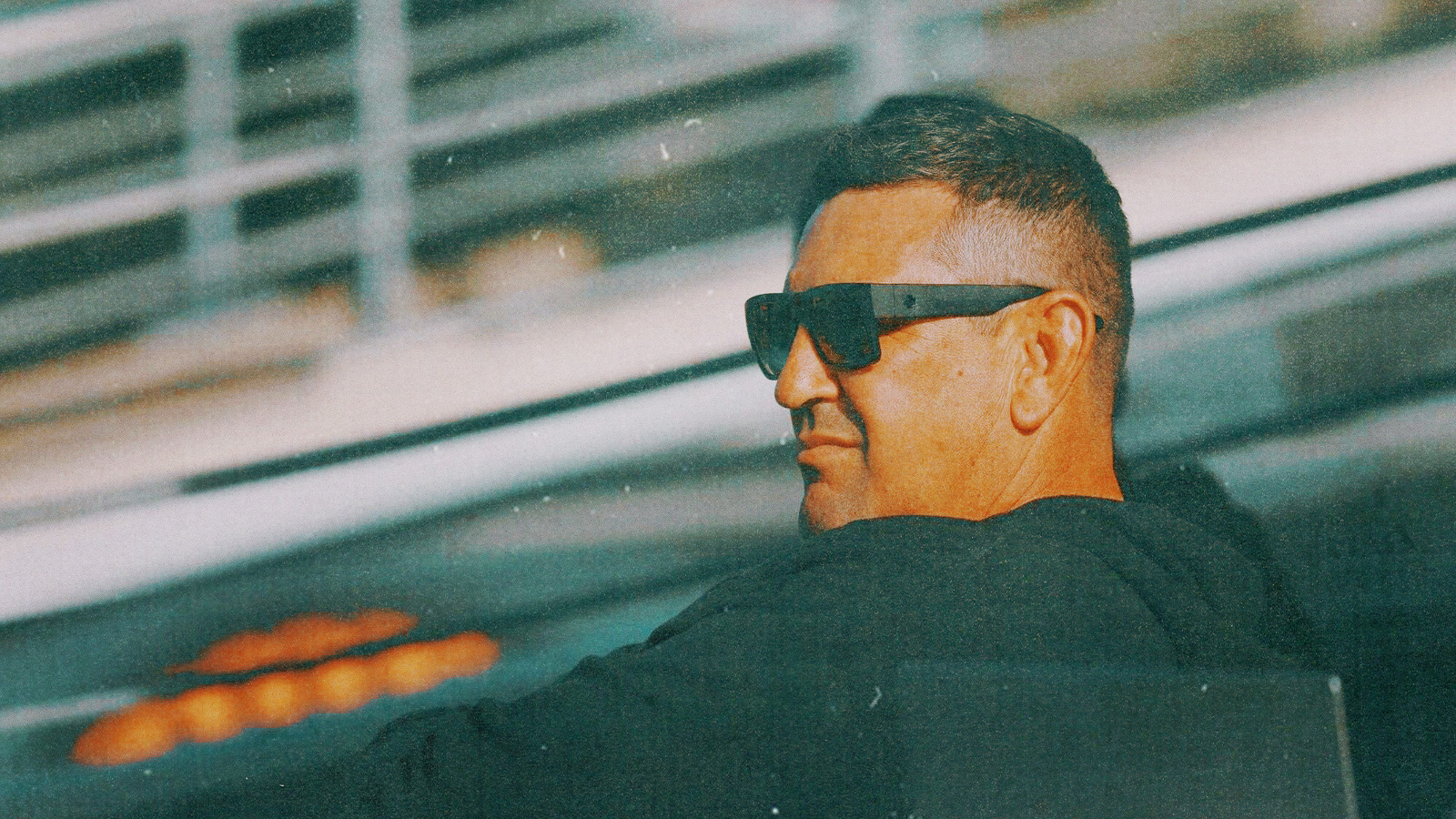
As head coach signings go, Clayton McMillan is about as good and impactful a signing as can be made in 2025, at club level anyway.
He’s been the head coach of the Chiefs since 2021 when he stepped in during Warren Gatland’s sabbatical during the Lions and turned a team that went zero from eight in Super Rugby Aoteroa into a side that made three finals and one semi-final in the following four years. As turnarounds go for a typically unglamorous NZ franchise, that’s about as good as it gets without actually winning a trophy – something he’ll look to rectify this year before leaving for Limerick in June on a three-year deal. His Chiefs are more than good enough to do just that.
When I was looking through the guys who I thought might be the new Munster head coach, I did the usual Serious Professional Job of making sure I looked at guys whose contracts were expiring around the summer or currently out of work. I had dismissed McMillan as a candidate because his contract expired next year – July 2026 – so the timing didn’t look like it fit. If it weren’t for that, McMillan would have been my first choice.
Why? Any guy I spoke to in NZ about available coaches was a little cool on the available guys – Leon McDonald, mainly, possibly Jason Holland – and all raved about McMillan as the guy who would take over the All Blacks in the morning if Scott Robertson decided to take up the breakdancing full time. Some felt that he should already be the All Blacks head coach right now, today. It’s to Munster’s immense gain that he isn’t.
And it increasingly feels like there needs to be a rethink as hiding in plain sight is Clayton McMillan, a man who is building his case as a future All Blacks coach.
In what were horrendous conditions on Saturday night, the Chiefs scrapped their way to a sixth straight win – relying on the passion of their defence and the more effective kicking of Damian McKenzie […]
From a style perspective, what McMillan brings is broadly similar to what we already have here in Munster. His philosophies on the game will sync up well with Senior Coach Mike Prendergast. What McMillan brings in spades, however, is experience as the main man. Munster has banked a lot on continuity in the last few years as a bulwark against what has been a deeply unpredictable last 18 years.
Here’s a stat for you; since 2008, Munster have only been coached by an experienced, tenured head coach for a grand total of three and a half seasons out of the seventeen that have passed since Declan Kidney left to coach Ireland in the summer of 2008.
Two seasons of Rob Penney.
18 months of Rassie Erasmus.
And that’s it. Everyone else – Tony McGahan, Anthony Foley, Johann Van Graan and Graham Rowntree – were all learning on the job to a certain extent. You could insert Larkham there as an exception, but he was very much under Van Graan at the time, who at that stage was fairly seasoned himself. My point is, all were hugely experienced unit coaches until they took over the main role, but all found that being the head coach, main man, and final destination for the buck at Munster Rugby is a tough place to be. The spotlight is as bright and unforgiving as any test job – ask any of the coaches who have done it, and they’ll tell you the same thing.
In the last two months, it became clear that the IRFU – who led the recruitment on this process and who will pay McMillan’s contract – were reluctant to have another talented but inexperienced man leading this project. As good as Mike Prendergast was and is, and as close as he was to landing this gig, the IRFU and Munster felt that when a guy with McMillan’s pedigree is interested, you have to go for him and bring talent like Mike Prendergast with you if you can.
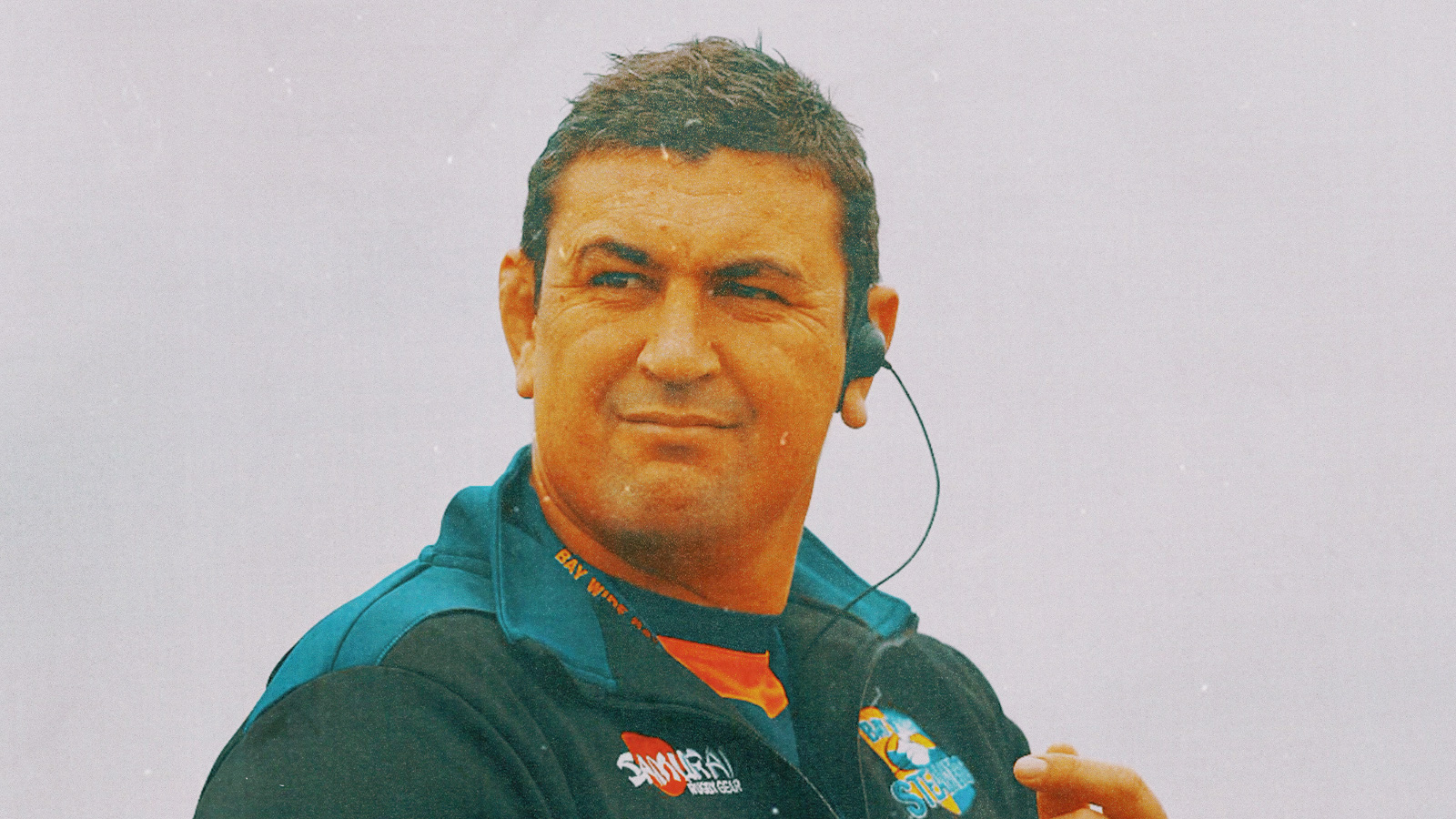
When you’re making a hire of this stature – a bit like when we landed Rassie Erasmus before he was the Rassie Erasmus – you’re either getting someone whose time, voluntarily or otherwise, has come to an end at test level, or someone who has been passed over for an opportunity at test level.
In recent Irish history, Stephen Larkham, Stuart Lancaster, and Jacques Neinaber have represented the former category, and McMillan, like Erasmus before him, is certainly the latter. Will the impact be the same? We hope so. Will he see out his entire contract? That would be nice, for a change. Ultimately, when coaches are really good and impactful – a rarity in itself – the test game comes calling sooner or later. I feel like only the All Blacks job would be enough to tempt McMillan in the future – after all, both the Wales and Australian jobs were available at the moment – so fingers crossed.
That is the tier of coach Munster and the IRFU have hired here.
***
McMillan’s main strength as a unit coach would be in the forwards – lineout, maul, contact work. I imagine he’ll take up an aspect of this when he arrives for pre-season, although he’ll work with Munster to find out if another unit coach is needed in the current group this summer.
When I asked around about McMillan this week, one of the things that kept coming back to me was how tough his Chiefs side was; abrasive, hard, a nightmare to play against and deadly on transition.
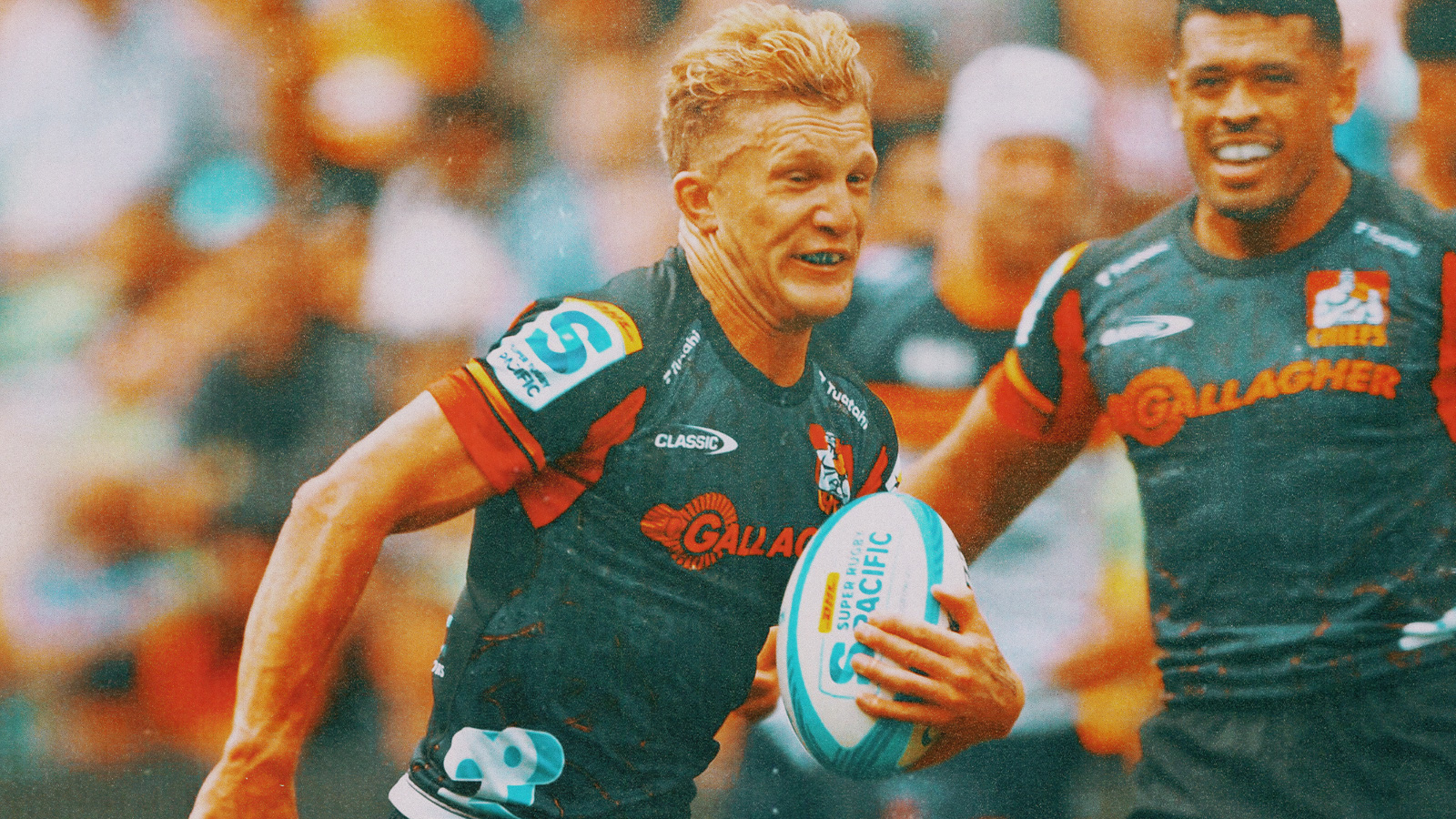
McMillan likes his forward ball carrying to be quite direct. The Chiefs forwards wouldn’t have as high as Pass Per Carry ratio as Munster’s do at the moment, so that’s something that will probably change. McMillan’s Chief’s side uses split playmakers and hit a range of athletic runners off the back of solid forward platform carrying. When I say split playmakers, I mean that Damian McKenzie might wear 15, but he is the attacking fulcrum of that Chiefs side which can be a little difficult to fathom for some Irish rugby people. Josh Lacomb – the Chiefs’ usual #10 – is a facilitator with the ball in hand, on phase play and transition. When the Chiefs run through their forward structures in their twos – carry in twos, clean in twos – Lacombe stitches those phases together.
When the time comes to open the spacing up or be a focal point on transition, McKenzie hits the line and creates on the front foot, before usually taking over as the solo playmaker later in games when the Chiefs go very, very direct.
Will McMillan bring that style with him? One thing the Chiefs’ game is built on is the power and athleticism of their back five. Their props are very functional – all about the basics, rather than being an offensive or defensive focal. They do put a focus on the ball-carrying impact of the hooker. That should translate well up here, you’d think, given our recent production from the academy focusing more towards the back five than the front row.
I’d suggest that McMillan’s arrival will bring a narrowing effect to our forward patterns, more directness, and more focus on ball retention and multi-man latch & drive. I would expect even more of a doubling-down effect on transition.
***
McMillan’s signing and the scale of it is notable, simply because the last time Munster went looking the calibre of candidate wasn’t there at the same level. McMillan genuinely could have walked into the Wallaby job or the Welsh one, and nobody would have batted an eye. It’d have been seen as a coup at that level also.
It means that not only is McMillan happy with the set-up here – he experienced a great week and night in Limerick back in November – but he must also feel that a lot of the heavy lifting when it comes to the squad building has already been done. I’d heard rumours that, back in 2021, the feeling was that Munster had more questions than answers when it came to the job at hand. You had to find a new half-back pairing, develop unproven talent and take over an organisation with a falling budget.
All of that has changed.
There’s genuine young talent ready to roll into senior rugby, proven combinations in their mid-20s and money to spend if needs be. Roll that into the package that is Munster Rugby – the history, the prestige, the fans – and you have a job that draws all the big fish.
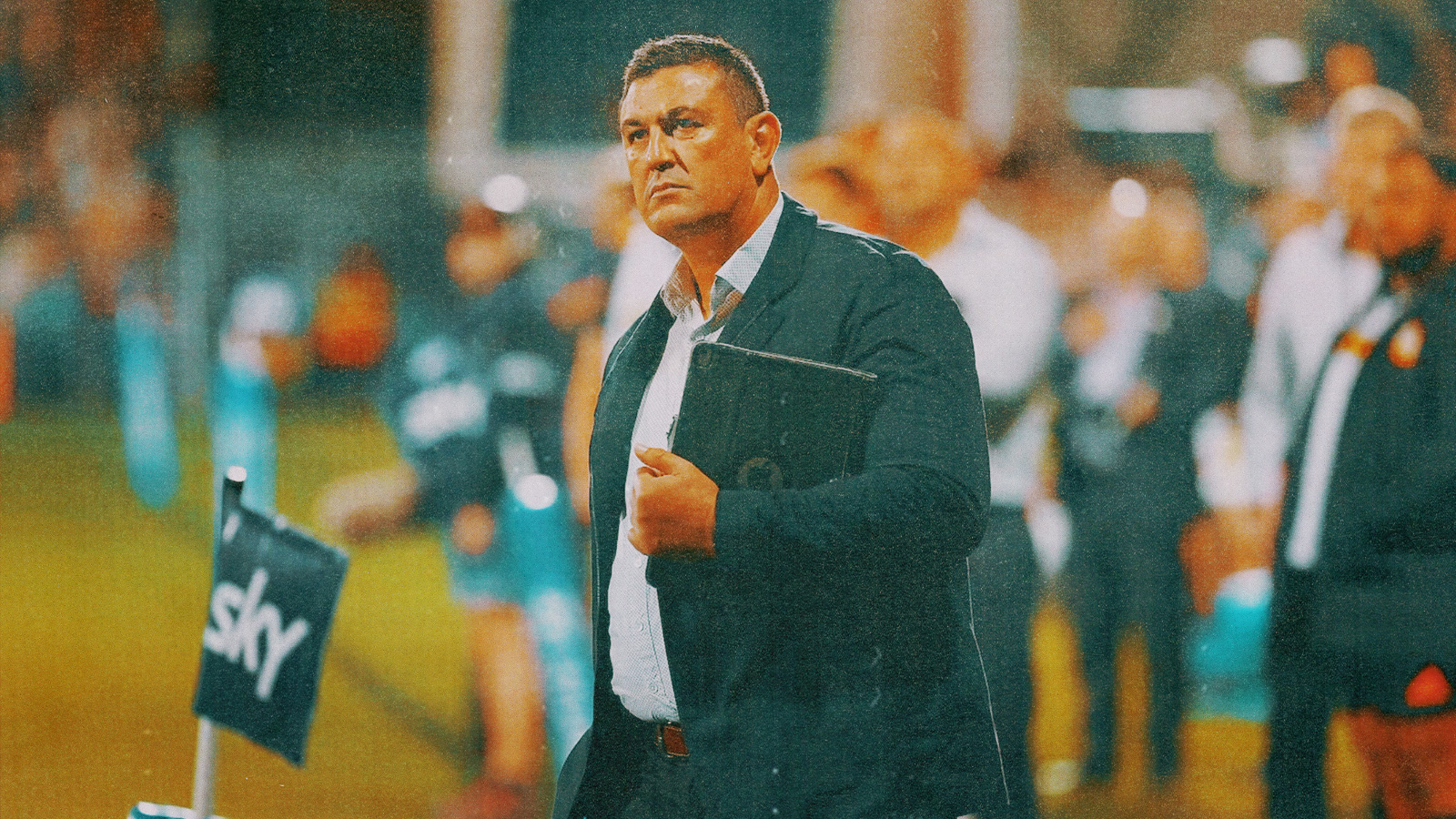
McMillan is a proven, highly experienced coach with a history of success and building from within on the foundations of a solid project while being a fantastic manager of a high-performance program.
