


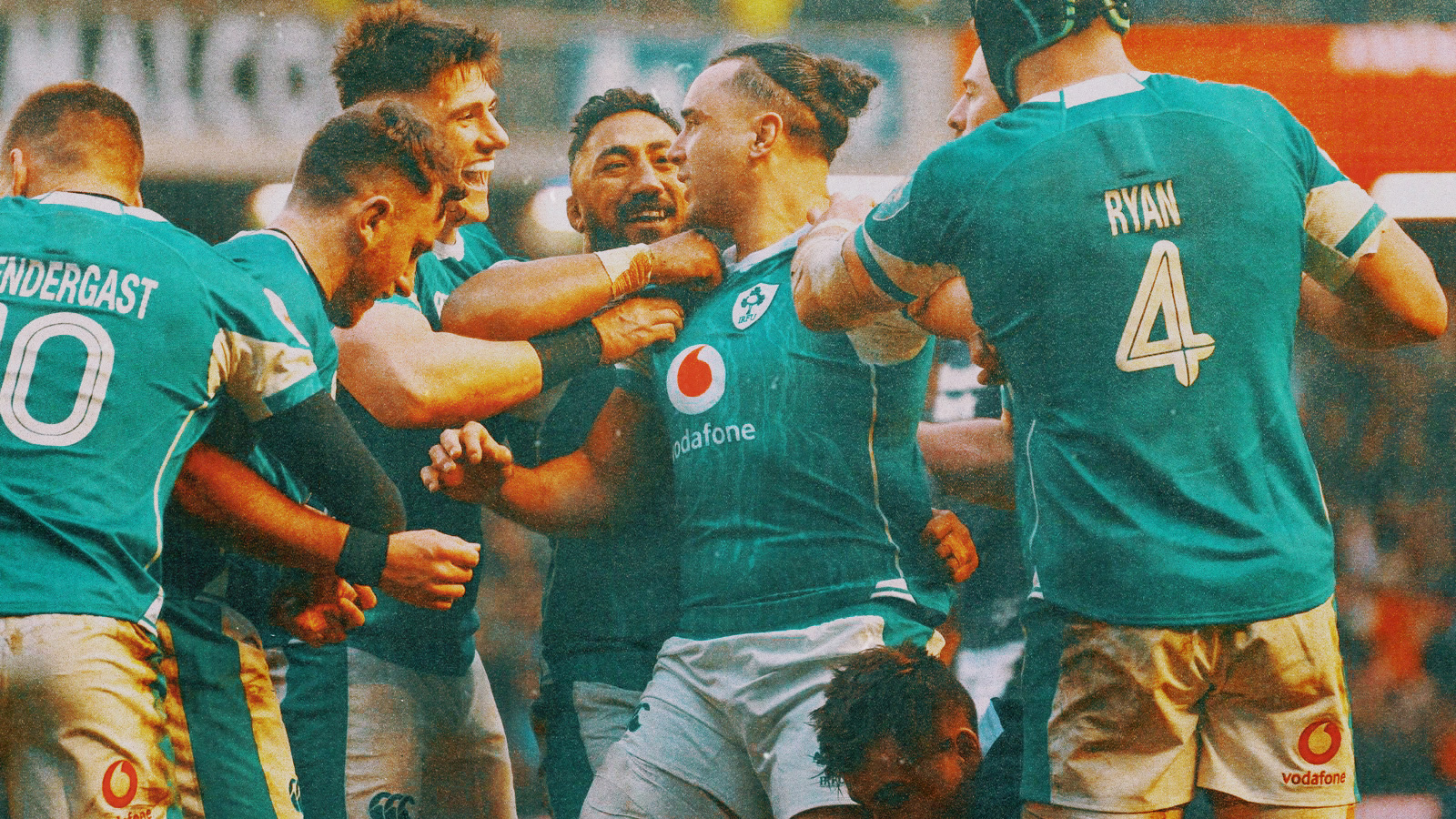
Ireland’s biggest strength in 2025 is having a high floor in a tournament full of flawed sides with low floors.
I’ve been sick as a dog the last week or so. The latest creche plague going around shoved me in a locker and took my lunch money before dunking me head-first into the toilet all day every day since last Saturday morning so, as I was thrown down anyway, I spent some time watching Ireland’s first two games back again to see if my read had changed in the interim.
And it did.
I’m a little cooler on Ireland’s performances than I was at the time of writing. England did a great job of stuffing Ireland with a fairly boilerplate kick-pressure game and can count themselves unlucky that a few 50/50 decisions went against them at the end of the third quarter to give Ireland breathing room, before both benches played their roles and decided the game definitively.
There was a real sense of ennui around after that game – you could see it on the post-game coverage. Anxiety. A bullet dodged. Sure, Ireland won in the end but it felt like a continuation of a ropey November.
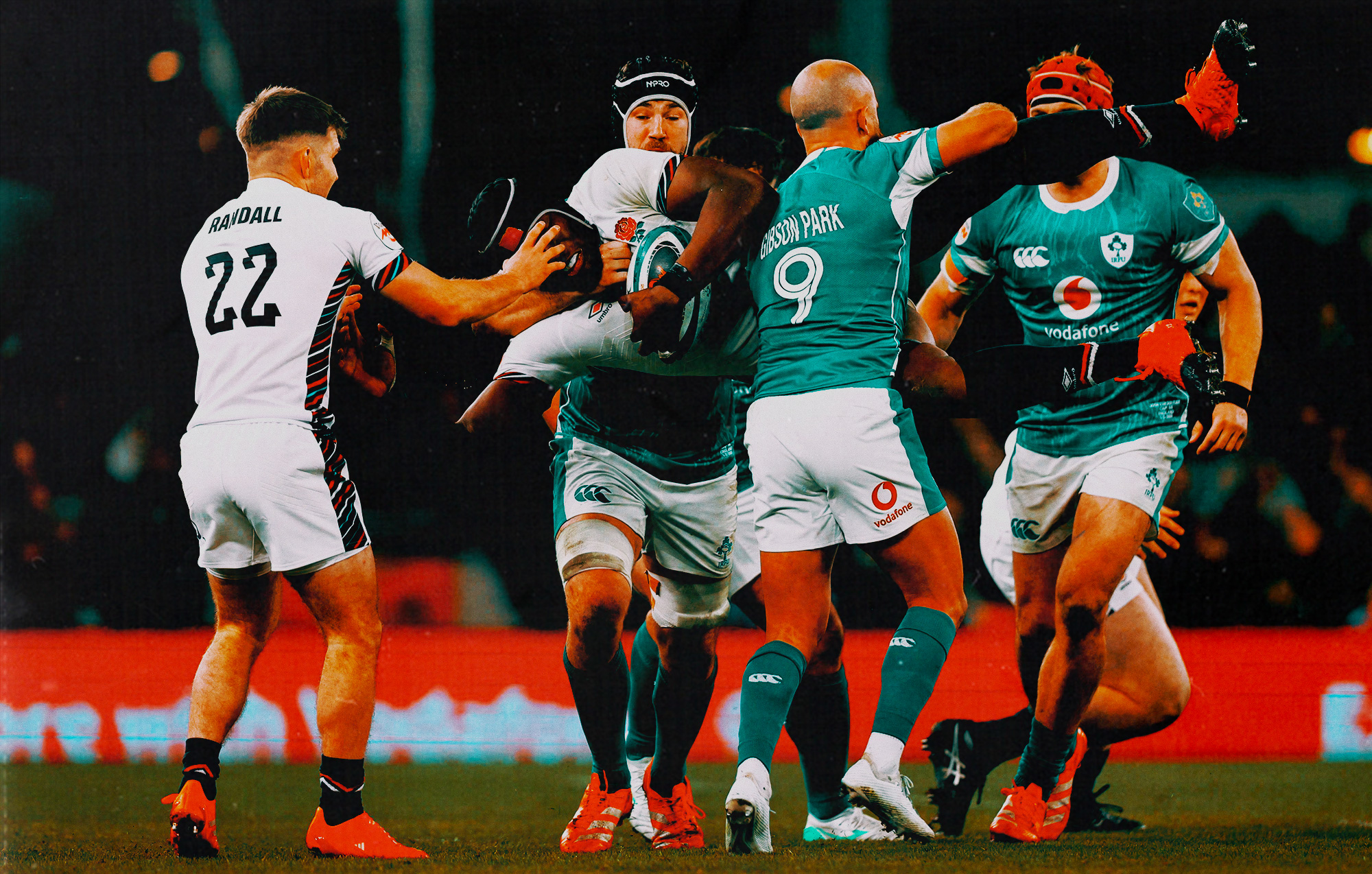
It even went so far as to soften the cough of the usual smoke blowers who always come out before Ireland plays Scotland to accuse the Scottish of “arrogance”, only so that Ireland’s usual yearly win can have the added flavour of putting a mouthy opponent back in their box. It rarely mattered if Scotland were arrogant or not.
Anything your opponents do can be framed as “arrogance” if you are arrogant enough yourself. The other team aren’t prostrating themselves in front of you at a presser? Arrogance.
No, there was fear that Scotland were “due one”, which was always the case every year – I mean, someone has to win – but had to be emotionally hedged against this time because, after that game against England, you could feel that Ireland weren’t at their best.
I think the relief from Scotland doing what they always seem to do against Ireland under Townsend – implode – has been felt a little too keenly. Ireland weren’t necessarily all that good against Scotland but they were consistent enough minute to minute that Scotland’s flailing, combined with comically bad injury luck, saw the game out of sight at halftime.
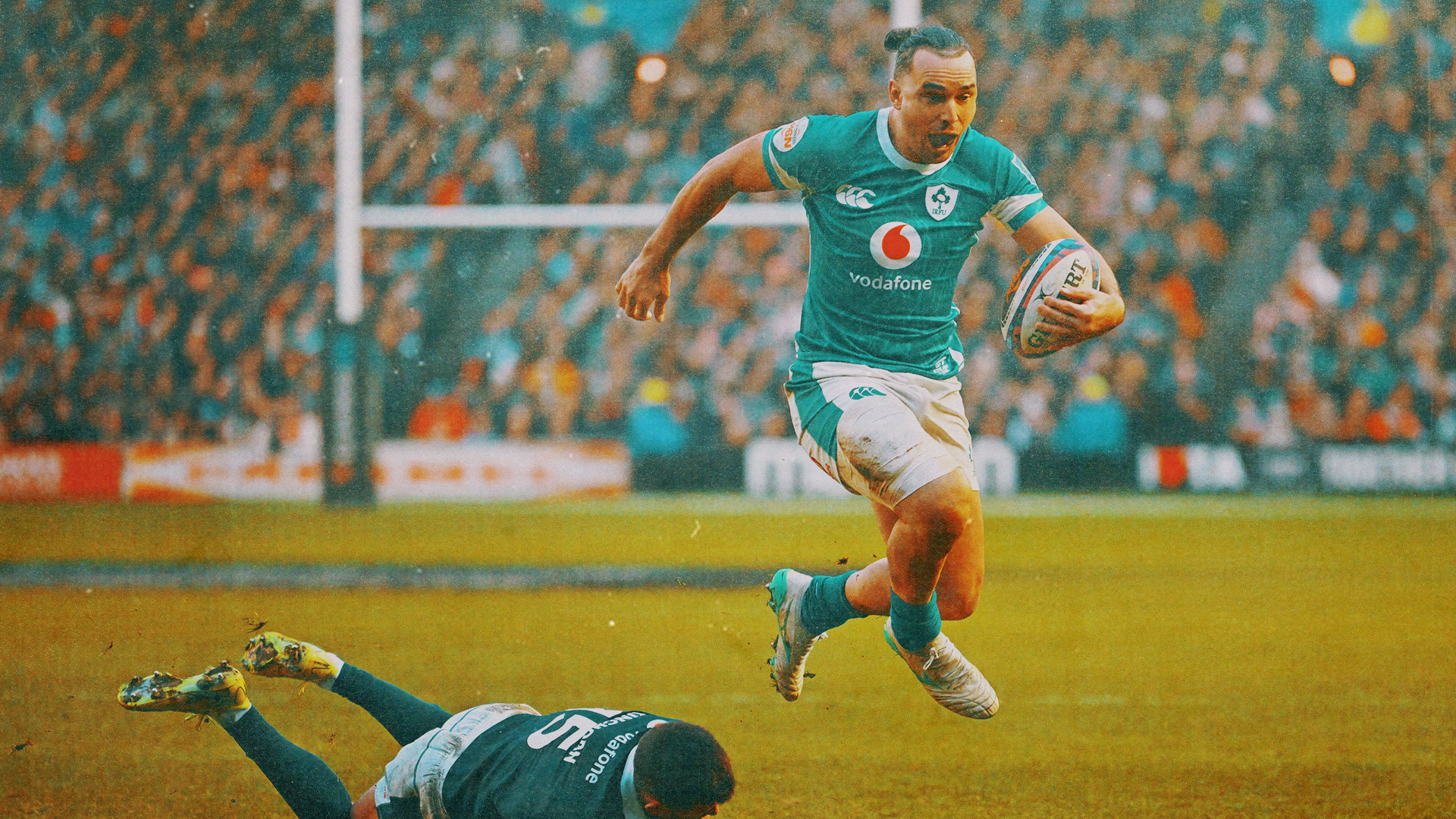
Ultimately, Ireland aren’t as good as that Scottish result suggests, nor as jittery as those first 50 minutes against England. We aren’t playing at this team’s peak at the moment – not anywhere close, and I think that’s fair enough to say – but this team ticks along at a very, very high level.
If we go level-for-level with France, I think their best probably beats us at ours. But how often do they get to that unplayable best? How often does France drop all-merciful dud performances and lose to teams nowhere near their level? They’ve done it every single Six Nations in the last 15 years bar once in 2022.
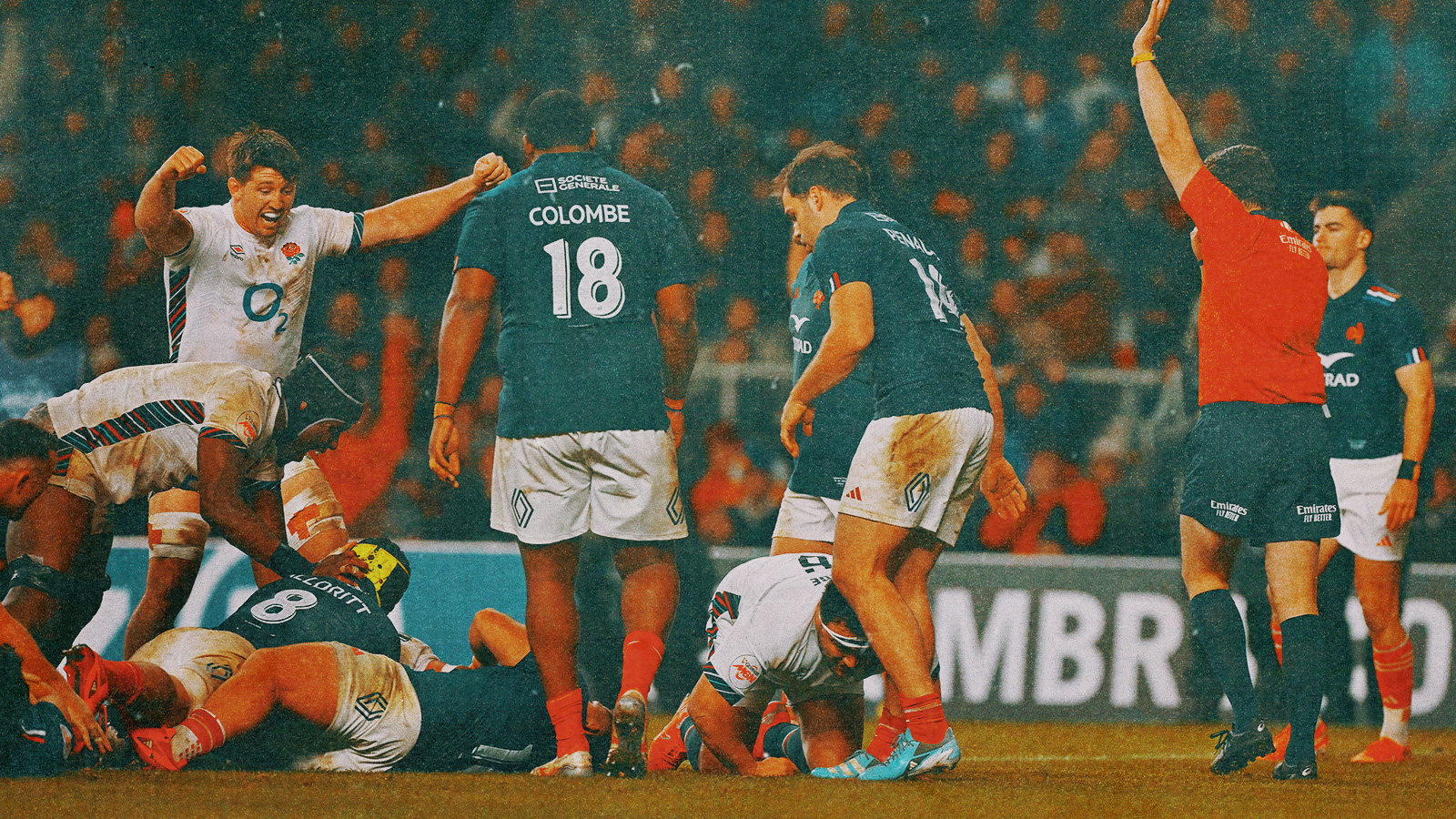
Ireland’s superpower is rarely playing below that colloquial 7/10 level. We might not fire off a killer complete performance all that often anymore against teams doing the same against us, but we’ll rarely beat ourselves.
That 7/10 is enough to beat most teams in the last few editions of the Six Nations, especially the ones who fluctuate up and down week to week.
Will that 7/10 be enough to beat a Welsh team on a historic losing streak?
You would have to say… yeah, probably. But I’m not as sure as I have been in the past. Maybe it’s that Ireland haven’t been pushed to be at what we assume is our best in some time. Maybe it’s the possibility of a New Coach bounce in a stadium where, until recently, Ireland found it difficult to win against a team who, this weekend, will be convinced the only thing they have to lose is their losing streak.
This feels like a banana skin that will need more than the 7/10 work we’ve seen so far from Ireland to navigate without losing balance.
Ireland: 15. Jamie Osborne; 14. Mack Hansen, 13. Garry Ringrose, 12. Robbie Henshaw, 11. James Lowe; 10. Sam Prendergast, 9. Jamison Gibson-Park; 1. Andrew Porter, 2. Dan Sheehan (c), 3. Thomas Clarkson, 4. Joe McCarthy, 5. Tadhg Beirne, 6. Peter O’Mahony, 7. Josh van der Flier, 8. Jack Conan.
Replacements: 16. Gus McCarthy, 17. Jack Boyle, 18. Finlay Bealham, 19. James Ryan, 20. Cian Prendergast, 21. Conor Murray, 22. Jack Crowley, 23. Bundee Aki.
Wales: 15. Blair Murray; 14. Tom Rogers, 13. Max Llewellyn, 12. Ben Thomas, 11. Ellis Mee; 10. Gareth Anscombe, 9. Tomos Williams; 1. Nicky Smith, 2. Elliot Dee, 3. WillGriff John, 4. Will Rowlands, 5. Dafydd Jenkins, 6. Jac Morgan, 7. Tommy Reffell, 8. Taulupe Faletau
Replacements: 16. Evan Lloyd, 17. Gareth Thomas, 18. Henry Thomas, 19. Teddy Williams, 20. Aaron Wainwright, 21. Rhodri Williams, 22. Jarrod Evans, 23. Joe Roberts.
If you can’t overpower Ireland upfront there is only one credible way to beat them – repeated kick pressure through high contestables aimed at the back pin of any given defensive alignment followed up with immediate breakdown pressure at the first transition ruck if you don’t secure the ball or advantage, followed by stand-off defence that floats on the pillar and shoots outside Prendergast to encourage a kick in return.
You then have to take that high ball in turn, be comfortable resetting and go again.
Ireland’s are playing fewer rucks than ever in our own 50-22 zone and almost always look to reset through a high contestable from Prendergast in this zone. You can see it almost go wrong here but the principle is the same every time.
Scotland’s work here was not as accurate as they might have liked to fully increase the pressure on this area of “weakness” for Ireland. First, the kick drifted too far infield which helped Ireland’s transition ruck game. If you’re Wales, you want that contestable – either from box kick or off #10 – staying in the 15m tramline to increase the isolation.
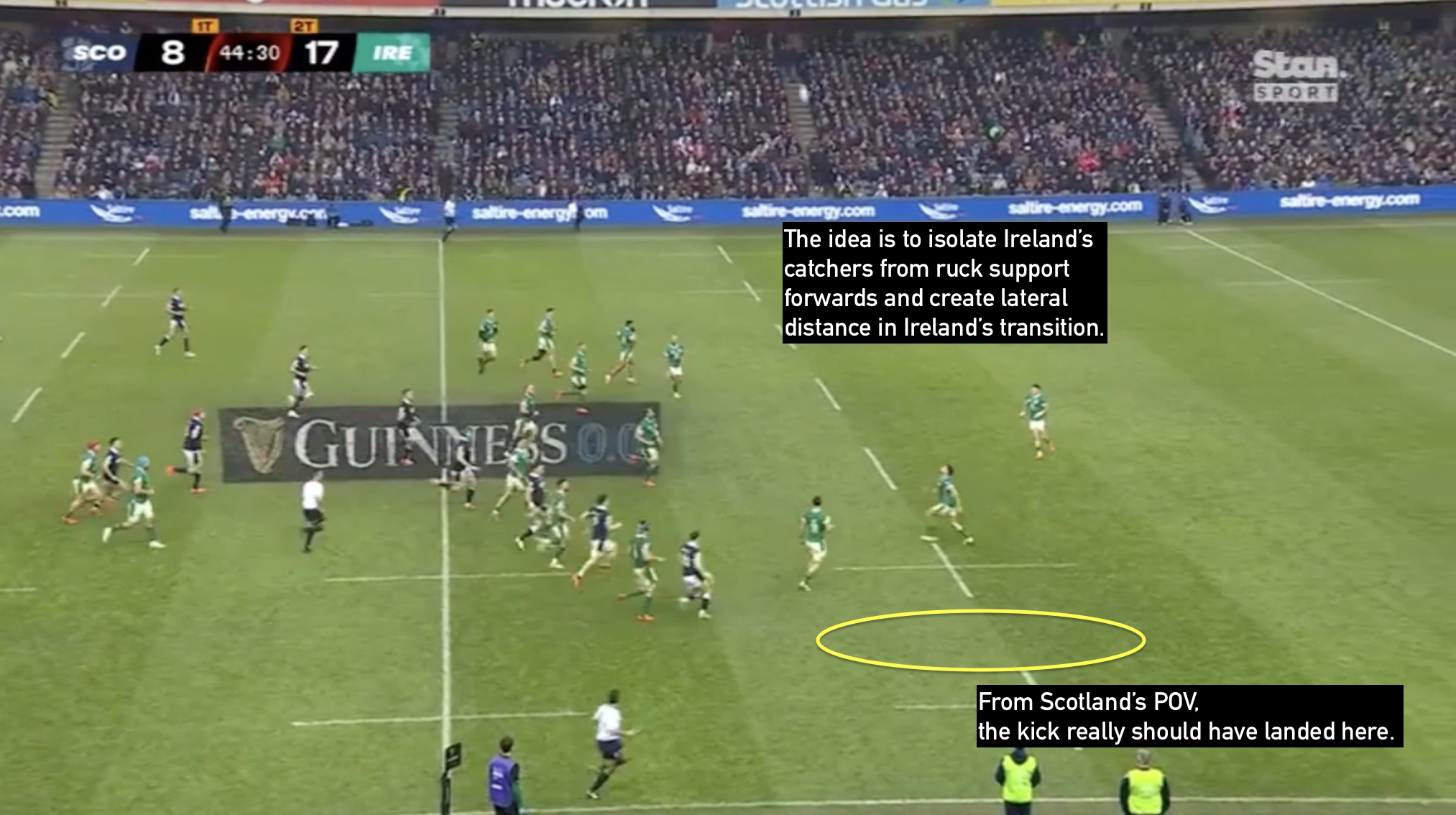
When you have that positioning to work with, you can use guys like Morgan, Reffell and Faletau to follow up the aerial pressure of Ellis Mee (6’4″), Max Llewellyn (6’5″) and Tom Rogers (6’1″) with a heavy jackal focus. Ireland will be without the high offensive ruck arrivals of Caelan Doris – Conan doesn’t provide the same volume of arrivals on transition – so there is scope to attack Ireland’s breakdown on those first two transition rucks before Ireland gets that pass back to Prendergast.
The closer to the tramline you get those kicks, the further Ireland have to cover. When you give Ireland an easier route to the centre of the pitch, you’ll find central ruck support players there in force.
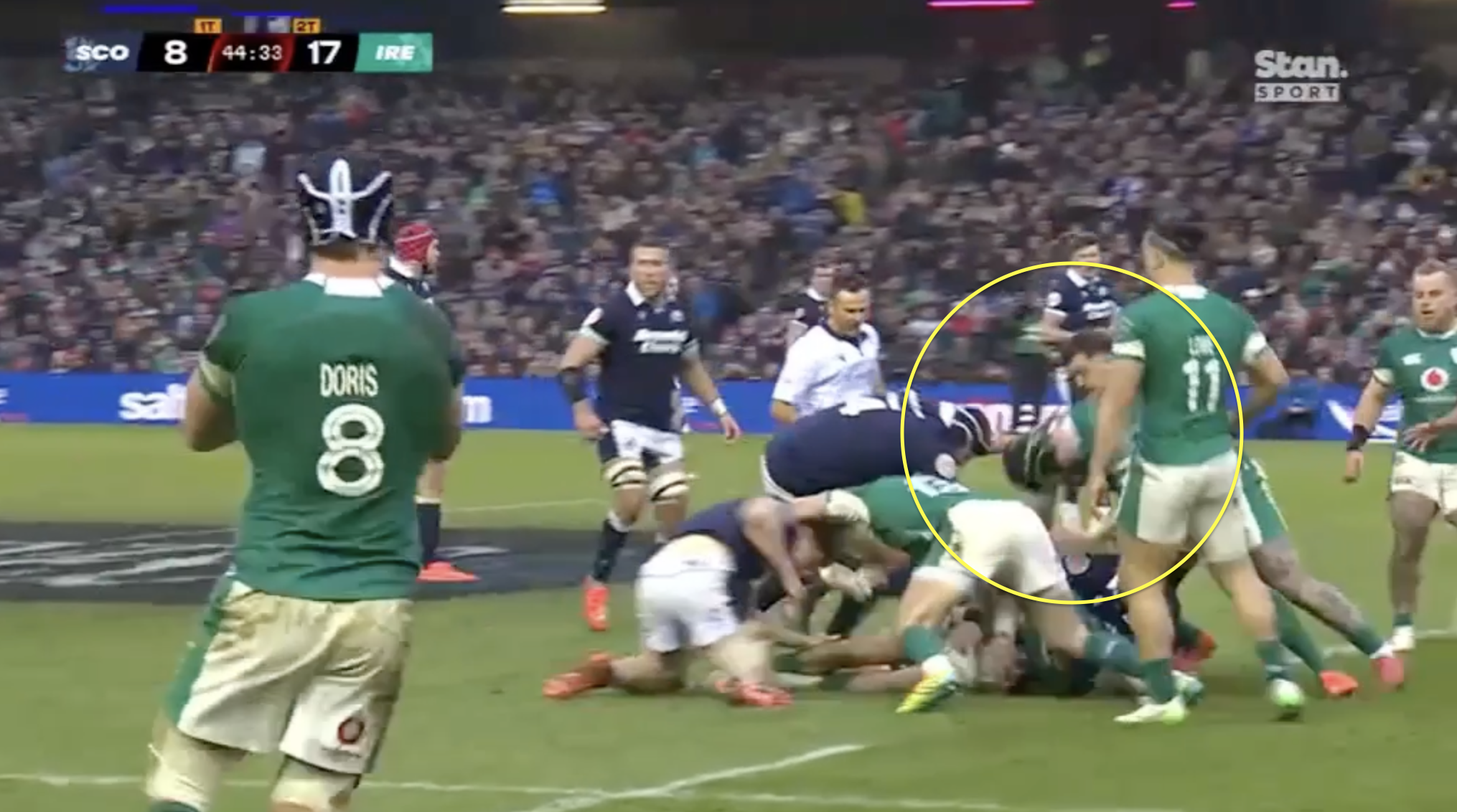
Wales will kick from hand freely here and Ireland have the second-lowest ruck security in the championship so far this season. When Ireland are without one of their most efficient ruck support forwards, Wales knows that they’ll have to roll the dice – doing it primarily through the medium of the kick, chase, pressure mechanic is about the only way to do it consistently.
That kicking strategy will mean two things; more lineouts and more scrums.
At the scrum, using the technical aggression of Nicky Smith up against relative newcomer Tom Clarkson seems like a good matchup on paper when it comes to stymying and frustrating Ireland for as long as Wales will probably have to. If you couple that with a lineout pressure focus that forces Ireland to avoid the front (where we have the highest completion record in the tournament) in favour of hitting the middle and back (where we have the worse completion record) Wales have a method of attacking Ireland’s core game. If that gets combined by taking three points whenever they’re on offer from a place where they aren’t chasing the game, Wales could make this game the kind of slugfest that they can hang around in for a lot longer than people think.
