


Every single contract season, every elite club in Europe scours the globe for that one thing that determines winning rugby teams more than anything else; tight power.
That can be a prop, hooker, a lock, or a half-lock, but whoever it is, you’re going to be paying a significant premium for that player, especially if they are proven at test level or another elite club. If someone with that power is readily available, it’s usually because there’s some problem under the hood that their current club can do without; maybe they are a bad fit with the rest of the squad from a cultural perspective – code for them being a proper asshole – or perhaps they’re lazy, or a bottle job. Maybe they’re injury prone or maybe they’ve had a nasty fallout with the wrong person at their current club and they need a change in scenery. Either way, the club doing the recruiting has to weigh up that risk and see if the juice is worth the squeeze.
One example that always springs to mind is that of Will Skelton. He’s probably the most influential forward in European rugby over the last six years but back in the mid-2010s, his career had stagnated in Australia at the Waratahs. He played in the 2015 World Cup for the Wallabies but picked up a pectoral injury against Uruguay. He struggled to get back to full fitness and then, when he did, his form and weight were so off that in 2016, the ARU agreed to him going on a seven-week loan to Saracens. By the end of that loan, Sarries had convinced him to join them on a two-year deal and it turned him from a giant lock with potential into the game-altering monster we know today.
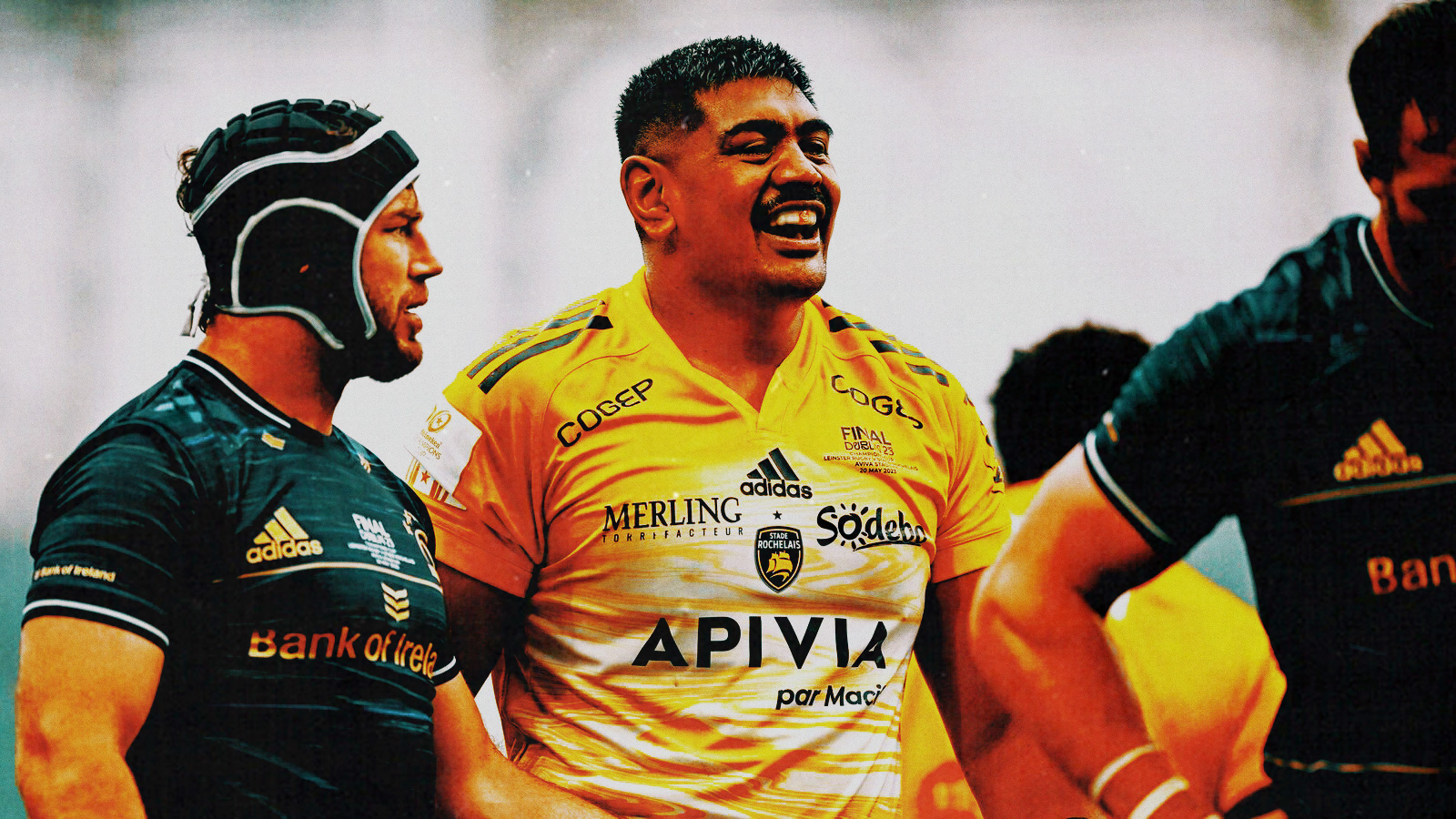
Saracens took something of a punt on a guy with obvious potential who had equally obvious issues managing his weight and unprofessionalism, and they made out like bandits. Skelton lost weight, became a top professional in the Saracens environment, and before long, started his run of playing in four European Cup finals in five years with two different clubs and winning three of those finals. When Saracens’ salary cap punishment bit in 2020 and forced them to lose a tonne of players, La Rochelle swooped in the second it became clear that Skelton was available and got him on a two-year deal worth approximately €500,000 per annum, according to reports at the time.
Saracens were paying Skelton less than that at the time on his second contract at the club—in part because they had taken the “risk” to get him in while his value was underappreciated—but Rugby Australia bid close to €400,000 a year for his services, which included a return to Australia, and was rejected.
If anything, the price of the brick has gone up since then. Five years later, signing a guy like Skelton in his prime would probably run you close enough to €400,000 per year at the very start. That’s your roll of the dice price. The minute that player becomes even slightly more proven, that’s when the price starts going up both from a counter-bid perspective from other clubs who are looking for the exact same qualities as you are and the amount you have to pay to break out of the inertia of playing for your current club where the player, their partner and/or their kids might be settled. You have to pay a premium to make that move happen.
And it’s not just money, either. You have to sort out a whole package —housing, transport, a package for the partner and kids—all of which make a difference when getting the signature. Of course, there are other factors like the club’s reputation, the local weather, the niceness of the area where the player will live, the coaching, and the players; all of these either help or hinder your ability to recruit players of that calibre.
***
Munster are in the market for a player just like this this season. Not Will Skelton, or even a player of that particular role set, but a player who can beef up our front five directly or indirectly.
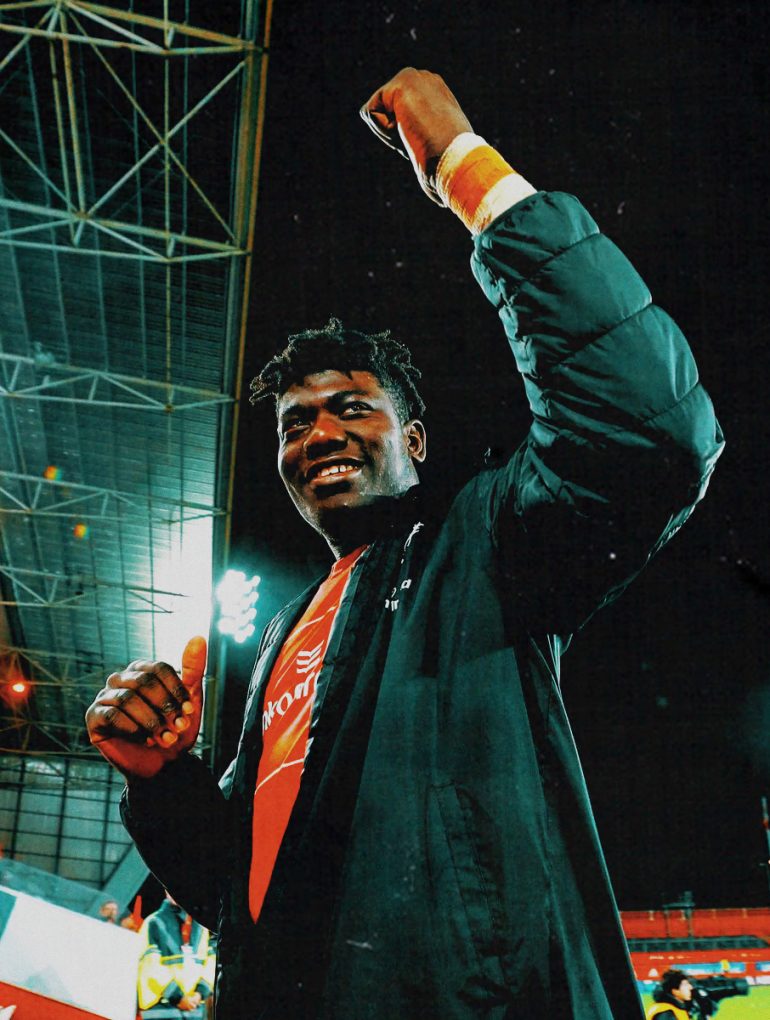
There’s no doubt that a fit Jean Kleyn, Edwin Edogbo and Roman Salanoa change the complexion of Munster’s front five from a profile perspective, but all of these players either have been or are currently out with long-term injuries. Kleyn’s snake-bitten run since the 2023 World Cup has been a real sickener. We decided that the only choice to make between Snyman and Kleyn – because, to be clear, a choice was being forced on us – was to go with Kleyn who, up to that point, had a stellar injury record. Snyman’s record was, as you know, absolutely brutal and he was, once again, injured when it was announced that he was signing for Leinster last season. Leinster, by the way, took something of a risk on Snyman in the manner I’ve described earlier given his injury profile and history of well, let’s call it, less-than-fully-committed club performances. It looks like their gamble has paid off – so far.

Snyman’s run of fitness for Leinster has coincided with a brutal run of luck for Kleyn. He missed almost the entirety of last season and came back at the start of this season looking like a fella who, well, hadn’t played in a year. He looked a beat behind every other phase and didn’t impact any game he played in, at least not in the ways we know he can. Kleyn then suffered two injuries: to his neck and quad in a November Springbok camp. The latter required surgery and a four-month recovery time.
Juxtaposed with Snyman’s effectiveness for Leinster, it feels all the worse. Kleyn is a different type of player to Snyman but what he excels in is being a power multiplier for those around him. Without him at his best, we’ve looked generally smaller, more lightweight and vulnerable in places like the scrum and maul than we have in years.
So the question then turns to how Munster look to improve on this quality. The most obvious place to do this is in the front row by signing a power forward profile prop but this is a particularly expensive area to increase your overall tight power. Most props you’re likely to sign will be either good for 50 minutes or 30 minutes, so the value per minute on that player is… expensive. So if you’re going to be taking approximately €400k-€600k out of your provincial budget on a prop with those power forward tendencies you’re looking for, you have to accept that (a) they will be playing just over or just under half the games you’re signing them for, (b) they usually come with a lot of knocks built in across the season and (c) the x-factor of the scrum means their impact can sometimes be negated entirely.
But that said, there is a player who’s off contract in 2025 who Munster might decide to make a play for if the dispensation and space can be cleared for him.
Taniela Tupou.
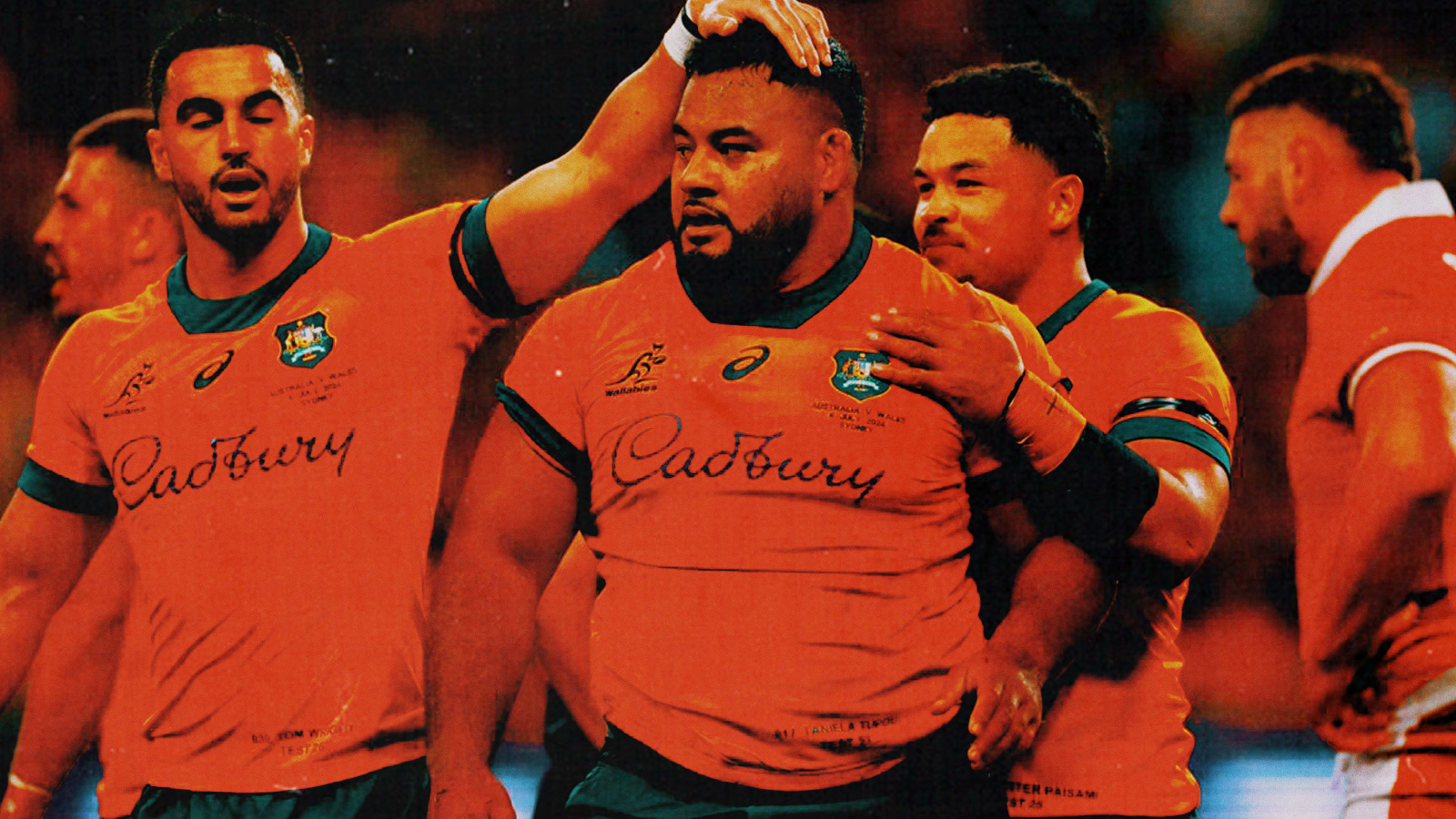
Tupou’s contract – worth around €600,000 for this year with the Waratahs – expires in 2025. Munster need tight power and Tupou is expected to go abroad… is there a play to be made? There’s no doubt that it would be a contract in line with what we paid RG Snyman on his first deal at the club and that it would be quite a risk from an impact-per-minute perspective but if that deal could be made, Tupou would take our tight five to the elite level almost immediately, just on his own.
Munster have two veteran tightheads who might decide that enough is enough this year. That clears a certain amount of contract space. Roman Salanoa’s future also remains uncertain post-injury. Munster would need private investment to make the deal happen, that is a fact, but if the money that was there for Snyman and De Allende could be activated again, Tupou might well be the answer.
