


Rugby budgets are a hot topic at the moment.
This is not just true in Ireland or about Leinster specifically. In France, several TOP14 clubs are asking some pretty pointed questions about Toulouse’s ability to field the squad it currently does within the salary cap.
You can see why. Toulouse’s depth is frightening, and it’s how they’ve powered to win the last two Boucliers in a row and why they will, in all likelihood, make that a hat-trick this season. When it comes down to it, squad depth is the biggest difference maker when it comes to how the biggest budget teams in Europe are spending their money.
Exclude injury from the equation and I think that most of the top sixteen sides in Europe have a squad capable of beating anyone else on their day. Munster’s first-choice matchday squad excluding injury is, for me, incredibly formidable. This would be my pick for our best matchday squad and, to illustrate my point, I’ve listed the players currently injured in italics.
Munster: 15. Thaakir Abrahams, 14. Calvin Nash, 13. Tom Farrell, 12. Alex Nankivell, 11. Diarmuid Kilgallen, 10. Jack Crowley, 9. Craig Casey; 1. Jeremy Loughman, 2. Diarmuid Barron, 3. Oli Jager, 4. Jean Kleyn, 5. Tadhg Beirne, 6. Tom Ahern, 7. Alex Kendellen, 8. Gavin Coombes
Replacements: 16. Niall Scannell, 17. Josh Wycherley, 18. Roman Salanoa, 19. Edwin Edogbo, 20. Peter O’Mahony, 21. Conor Murray, 22. Billy Burns. 23. John Hodnett/Brian Gleeson
It should be pointed out that Munster’s seemingly never-ending injury crisis is an aberration in this sport. As abrasive as the modern game is, no other team in Europe has been carrying 12+ injured first-team players for the last three seasons in the way Munster have been. One season would be bad luck and not particularly uncommon bad luck at that. Injuries do happen in this sport. Two seasons would be particularly punishing bad luck but not wildly out of the ordinary, albeit with a need to reassess core parts of the athletic program in the off-season. Three seasons of the same injury load is where you start to look at making radical changes as soon as they can be made.
The easiest way to avoid injury problems is with a deep squad capable of doing the job you need to do week to week without wildly fluctuating results. Almost every club in this sport has a squad of between 35 and 50 players. Not every club has a squad of players outside of their first XV and specific premium replacements that can win week to week to week.
This isn’t about how much you’re spending on an individual player – it’s about how much you are spending on a specific unit.
So where do the biggest teams spend their money?
The first place I always look is the locks. Who’s got three starting calibre second rows in their squad that they can use at #4, #5 and #19? Some sides will spend the money on a half-lock build player so they can start all three in the same pack with one moving “up” later in the game but that’s not really what I’m talking about here.
I’m talking about three heavy-weight locks with the kind of power profile that we know wins rugby games. In Europe right now, only three teams fully fit this description: Leinster, Toulouse, and Bordeaux. Toulon is also there or thereabouts with its trio of Alainu’uese, Ribbans, and Rebbadj.
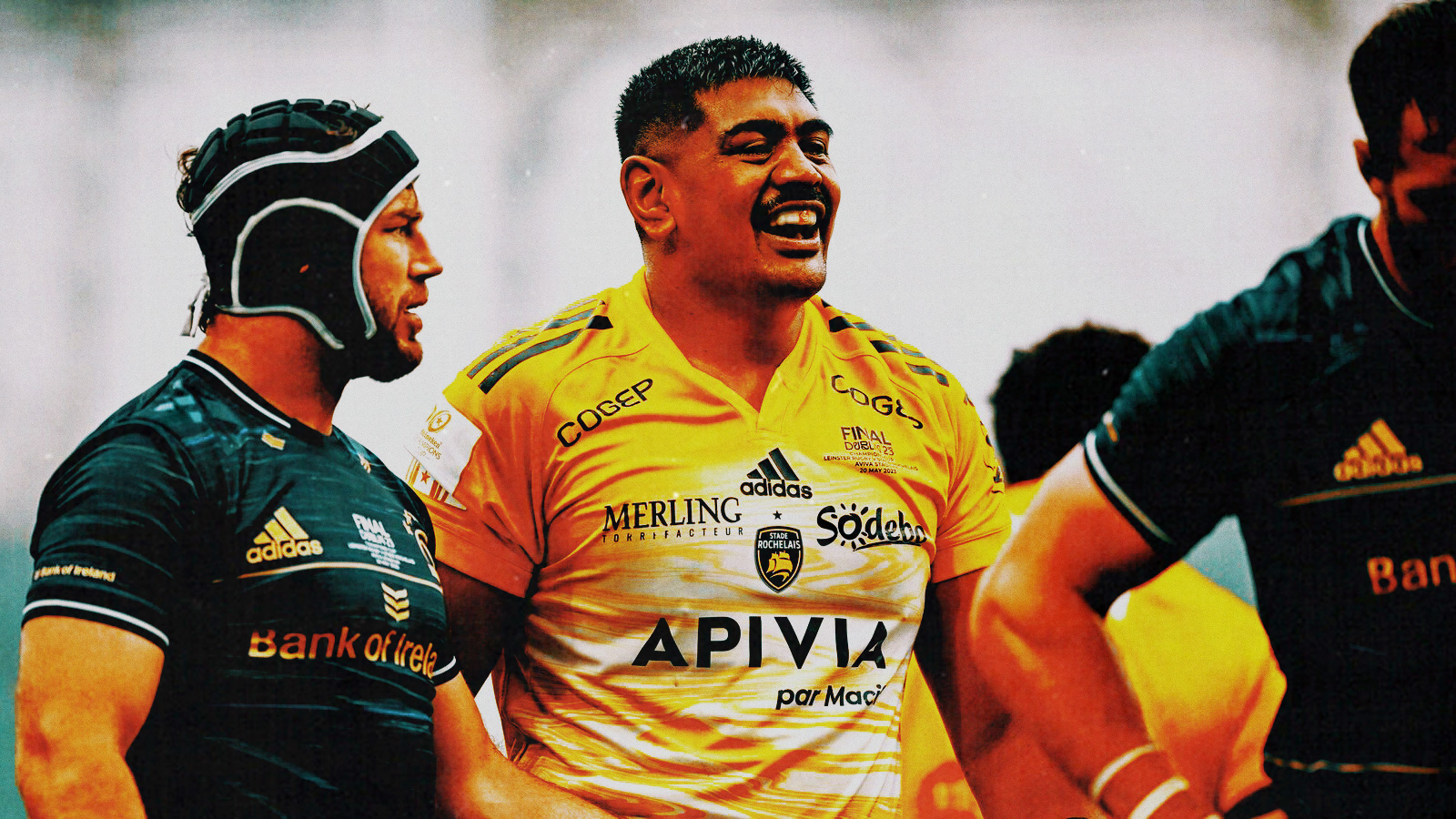
La Rochelle are almost at that level but two of their lock rotation are heading into their mid-30s, even if one of those players is Will Skelton. Racing 92 are drastically underperforming this season but they are also spending quite a bit on their second-row rotation, albeit with two of their primary three locks being in their mid-30s and arguably well past their best as is.
It’s no surprise to see all of these teams doing incredibly well in both Europe and their domestic leagues at the moment, excluding La Rochelle who have suffered quite a bit in January since Skelton got injured in late December and Racing 92 who have problems everywhere despite their budget spend.
When you look at the big teams across Europe, the best bang for your buck is almost always in the second row. Most coaches see this as the area where you get the most influence per euro/pound spent per minute of game time.
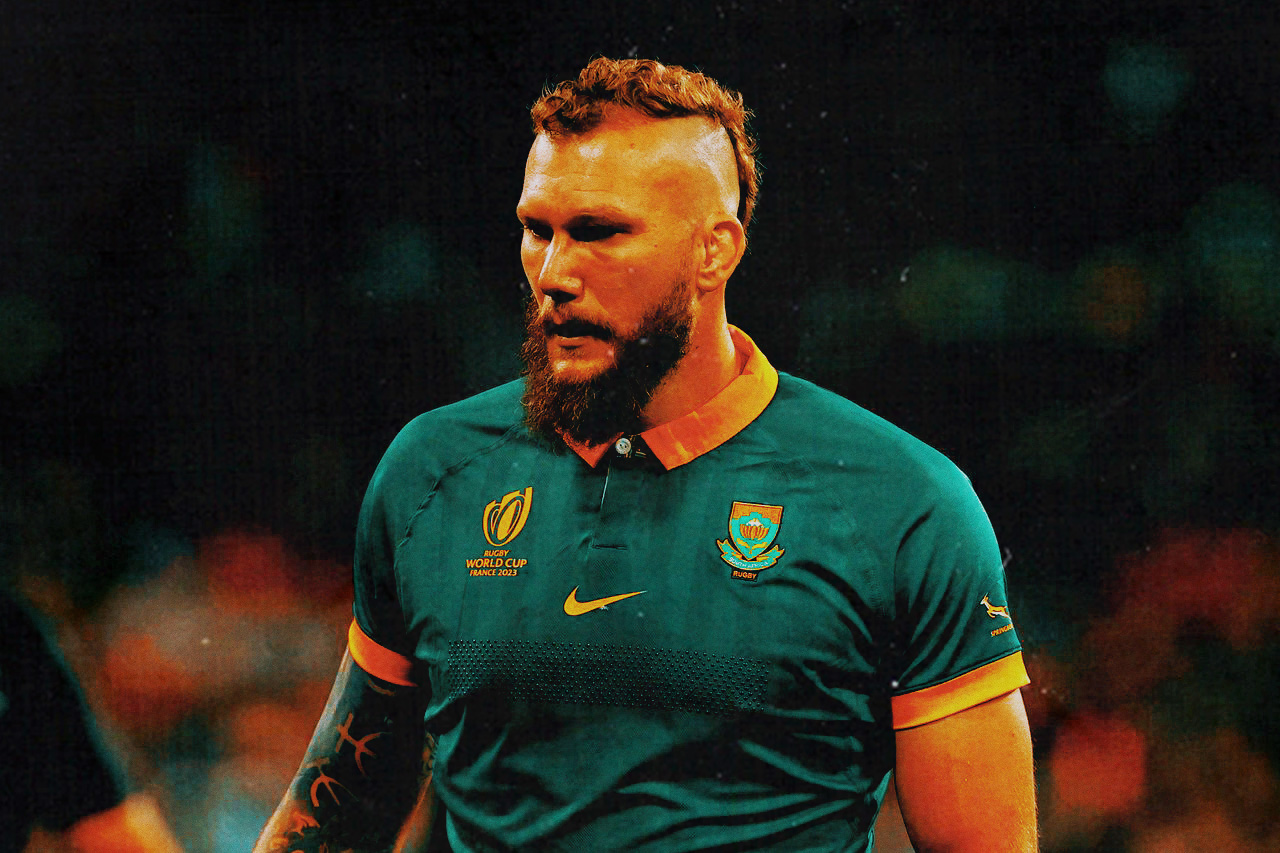
Essentially, signing a Tighthead Lock Power Forward to give you a big 25 minutes off the bench in a big game is worth whatever you spend because of the influence that player has on results. That’s why you spend the big money after all – to win rugby matches.
After the second row, you start to see most teams choose to pack depth in the front row or the midfield, based on their style.
La Rochelle, for example, don’t have a whole tonne of depth in midfield but they have a big roster of front rows where they are two deep in both prop positions and at hooker. Leinster and Toulouse have a fair bit of money tied up at hooker in both spots but not in the propping department. La Rochelle have Bourgarit and Latu at hooker, Colombe and Atonio at tighthead – Colombe is leaving for Toulouse next season to show where they might be moving their focus – and Sclavi and Wardi at loosehead.
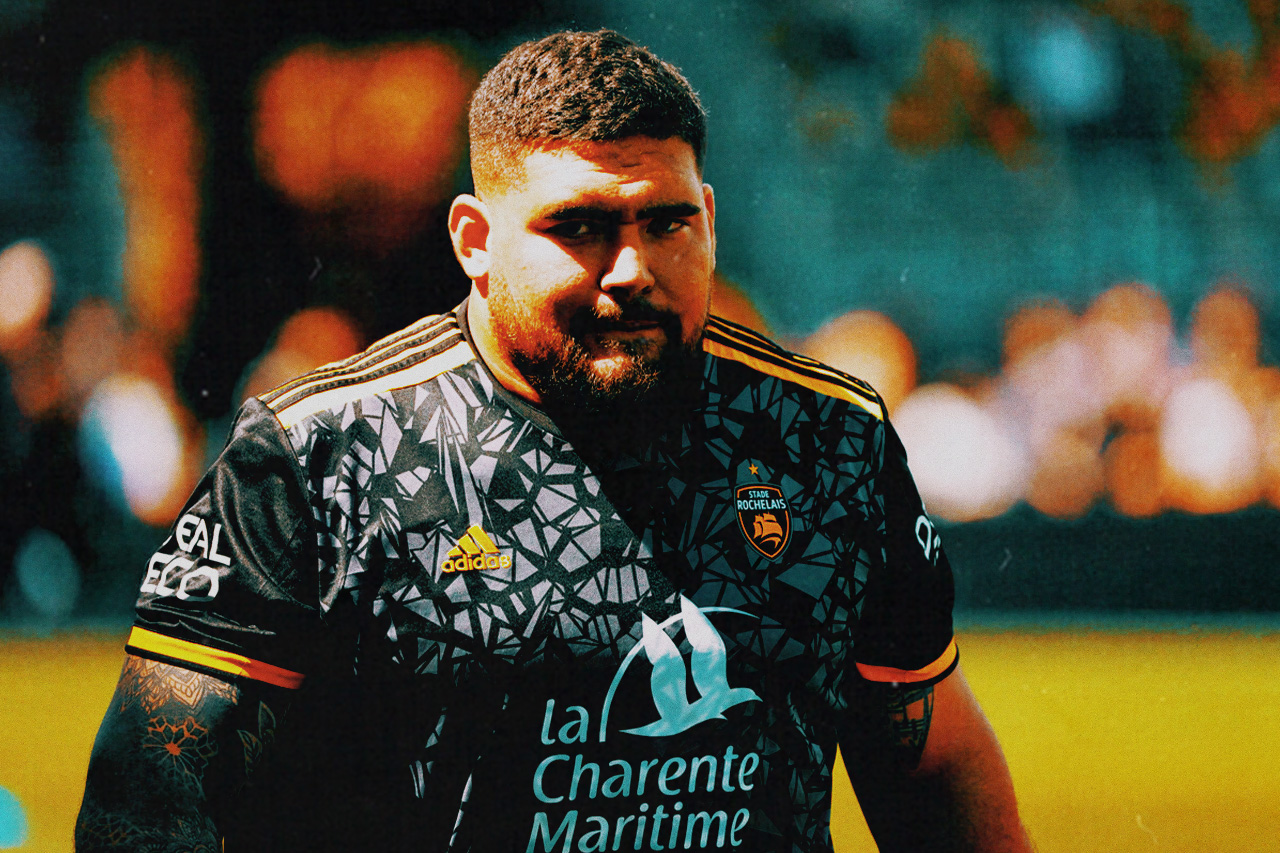
When you talk to different head coaches and Directors of Rugby around the game, however, opinion is split on the value of going that heavy with top-end propping depth. Spending money on two elite hookers is quite common and, once again, gives you a good return on investment per minute. Hookers usually have a disproportionate impact around the field and are arguably more important than props in a lot of ways due to how they impact the lineout.
When it comes to props, though, it’s quite hard to spend your money well. There are very few genuine level-raisers available to sign in the first place and plenty of fellas who will soak up €400k per annum only to spend most of that time rehabbing injuries. Even when fit, getting a prop who can give you that impact beyond that 50/30, 60/20 minute split is incredibly rare. When it works, your tight five is immediately a level-raiser but you arguably need to spend more money than you would on that elite three-man lock rotation.
As a result, many teams choose to spend their money on a deeper midfield rotation.
Almost all of the teams that will challenge for trophies in Europe and domestically will have three starting-calibre midfielders that they can rotate throughout the season. Not only that, the midfield allows you to buff out different areas of your framework by having more creative players there, big carriers, edge creators, or threats on transition. The possible variants are endless and it’s an area of the game where it’s pretty tough to make a bad signing, barring signing someone with a bad injury profile.
Once again, Leinster, Toulouse and Bordeaux lead the way. Leinster have Ringrose, Henshaw and Barrett with Osbourne more than capable of rotating in. Toulouse have Ahki, Barassi and Chocobares, with Costes vying for more and more minutes in the background.
Bordeaux are a level below that but still have real quality. Toulon are in the same boat and actively chased after that depth last season, as Munster found out.
Munster intended to have Frisch, Nankivell and Farrell this season but Frisch’s late-in-the-season departure in search of test rugby with France reduced our top-class options considerably. When you have two quality midfielders, you only really have one because you’re just one bad injury away from being forced to use lower-level depth options for long stretches of the season. That’s fine for lower-importance games but a killer for tentpole fixtures or knockout rugby.
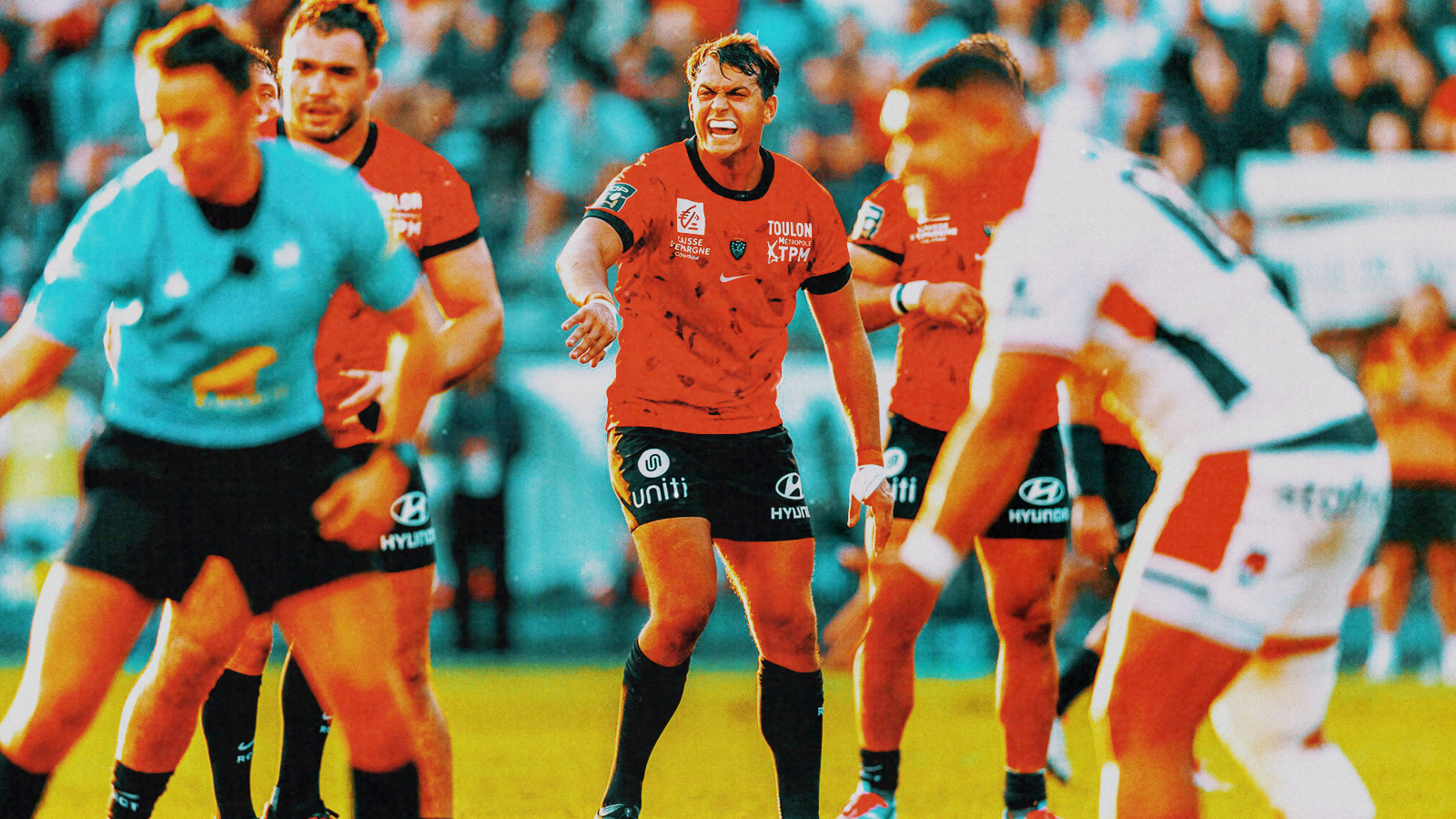
The final area where you will either see excess budget being spent or corners being cut is at halfback. For even the biggest teams, you’re going to see a highly paid 1A halfback combination and then a choice made between a higher quality scrumhalf backup or a higher quality cover flyhalf. Look at Toulouse’s halfbacks and you’ll see their primary pairing – Dupont and Ntamack – is backed up with very specific spending. Toulouse have chosen to spend that backup money at #10 with Kinghorn, who also covers fullback to a high level, especially when Ramos is their primary goal kicker. Dupont’s astronomical wages take up a lot of the oxygen in that room, so the natural place to go for lower-paid cover is at #9. Bordeaux operates on the same logic with a significant investment in Joey Carbery to back up Mathieu Jalibert.
Last season, Munster’s budget crunch from the IRFU meant that the only contract that could be feasibly offered to Joey Carbery was closer to 100k than the multiples of that he was on. Why? Because we had spent our money splitting Murray’s deal with the IRFU and that meant the potential spend on our backup #10 – that’s how the position was viewed internally – plummeted.
Ideally, your backup #10 would also have positional coverage elsewhere to increase their potential usage as the season goes on. This versatility correlates with higher wages than players who just cover #10 and #10 alone. Munster are in a unique position in that our primary playmaker – Jack Crowley – has that versatility in spades so the decision was made last year to sign Billy Burns on a lower-tier contract to give us that cover. Burns only covers #10 but Crowley’s versatility could make that work in bigger games – a little like Owen Farrell – where you want all of your budget on the field if possible.
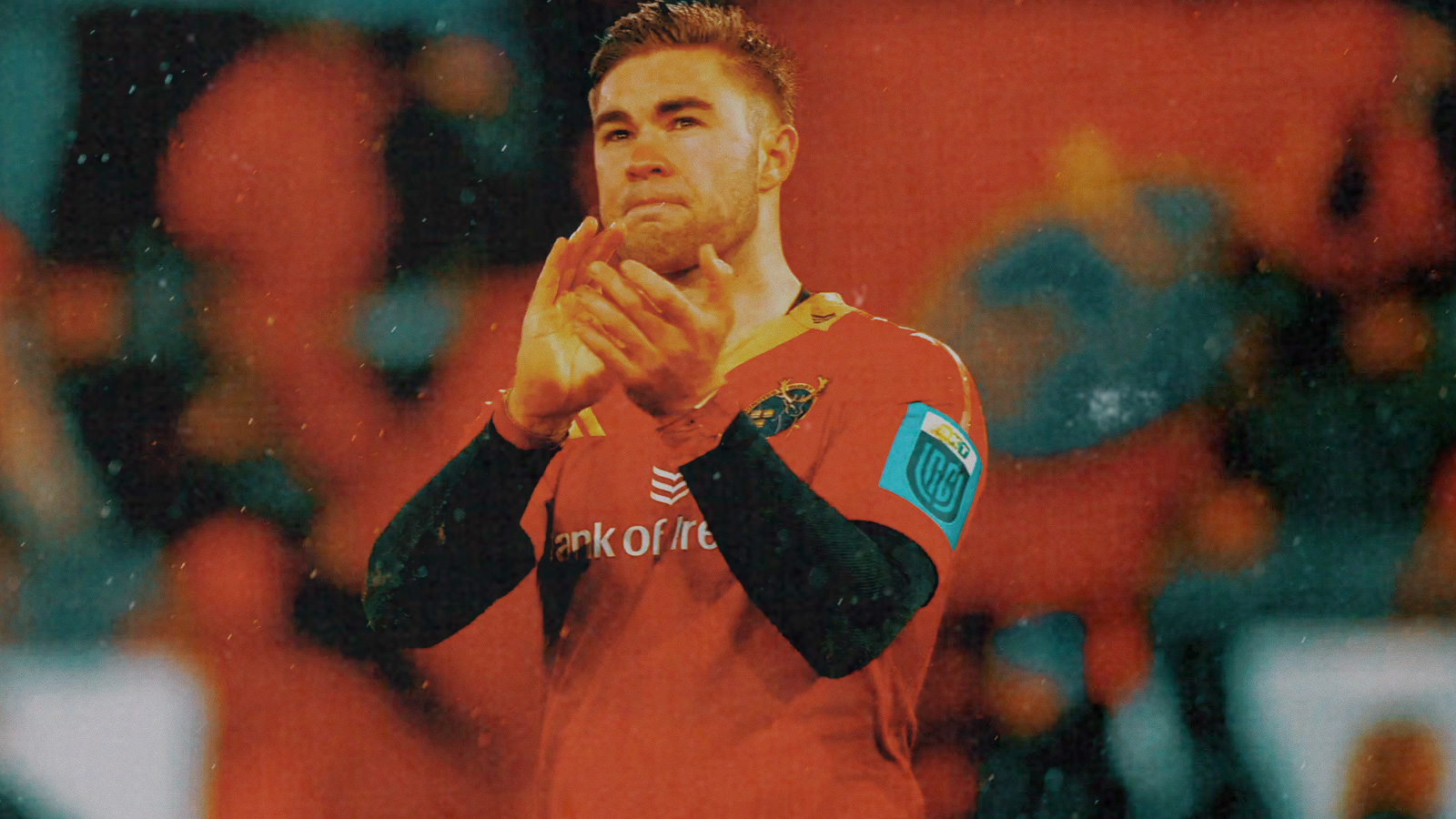
But that versatility comes with injury risk, also. Ultimately you want your best playmaker to stay in his usual position so I think Munster might look to tweak the logic on the backup #10 position going forward into next season.
I would argue that, for Munster to jump up into the conversation for the top five in Europe next season, we need to sign two props, a hooker, a backup #10 that covers fullback primarily, a third starting calibre midfielder and a power forward profile player in the back five that can give us that third starting calibre lock, or allow others to take that role.
And that’s where it gets really interesting.
