


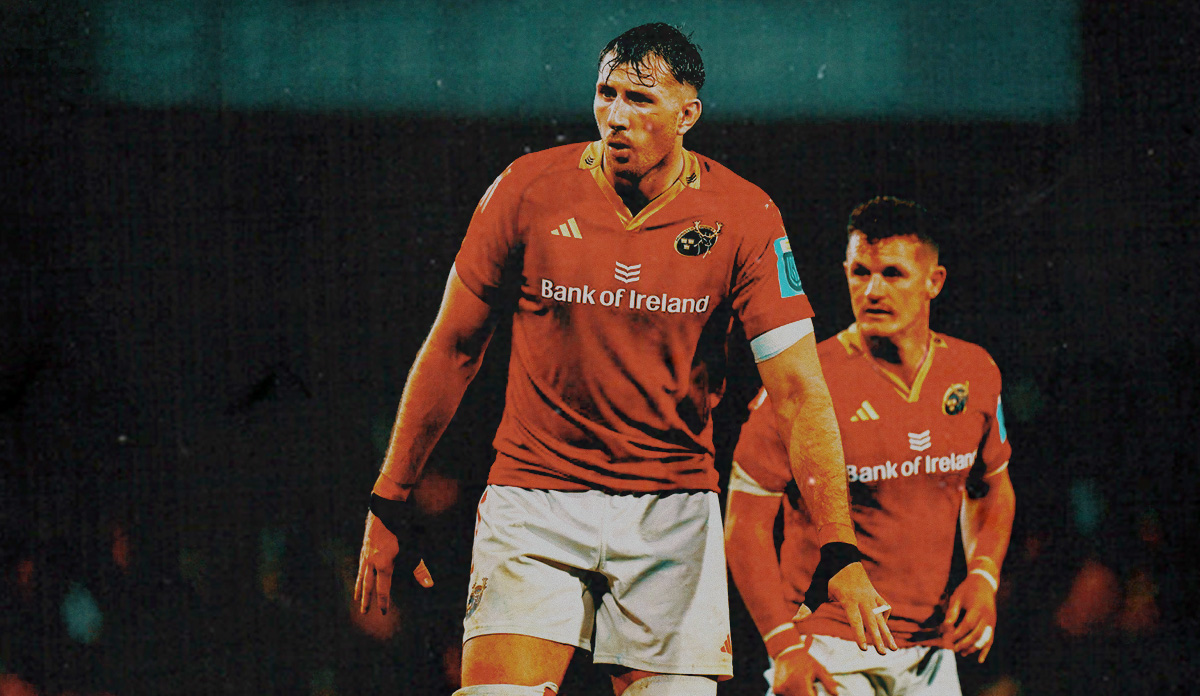
When you talk about playing identity in rugby, changing the narrative of what people have come to expect from a certain team can be very difficult.
Whether you’re talking about “rugby DNA” or “traditional values” or whatever, if people care enough to know what an on-field identity is, they will usually take a lot of convincing that what they have always known has changed. I have a couple of examples to help illustrate what I mean.
In 2012, Rob Penney took over as head coach of Munster Rugby from Tony McGahan. He immediately tried to implement a 2-4-2 forward shape that was based around the more physical playmaking threats of Ian Keatley at #10. This shape used lock forwards – O’Connell and O’Callaghan specifically – as “edge forwards” to try and generate, at a base level, mismatches in the 15m tramlines between ball-carrying locks and outside backs. It was… controversial. Munster fans, the Irish media and even some players didn’t get the concept, largely because the idea of forward “formations” was relatively new in the northern hemisphere at the time. Midway through Penney’s first season, there were already whispers of a “player’s revolt” and return to more “traditional” Munster Rugby which I think could be popularly defined by smart kicking, high-intensity mauling, pick-and-gos and “playing direct” mixed with intense, smothering defence.
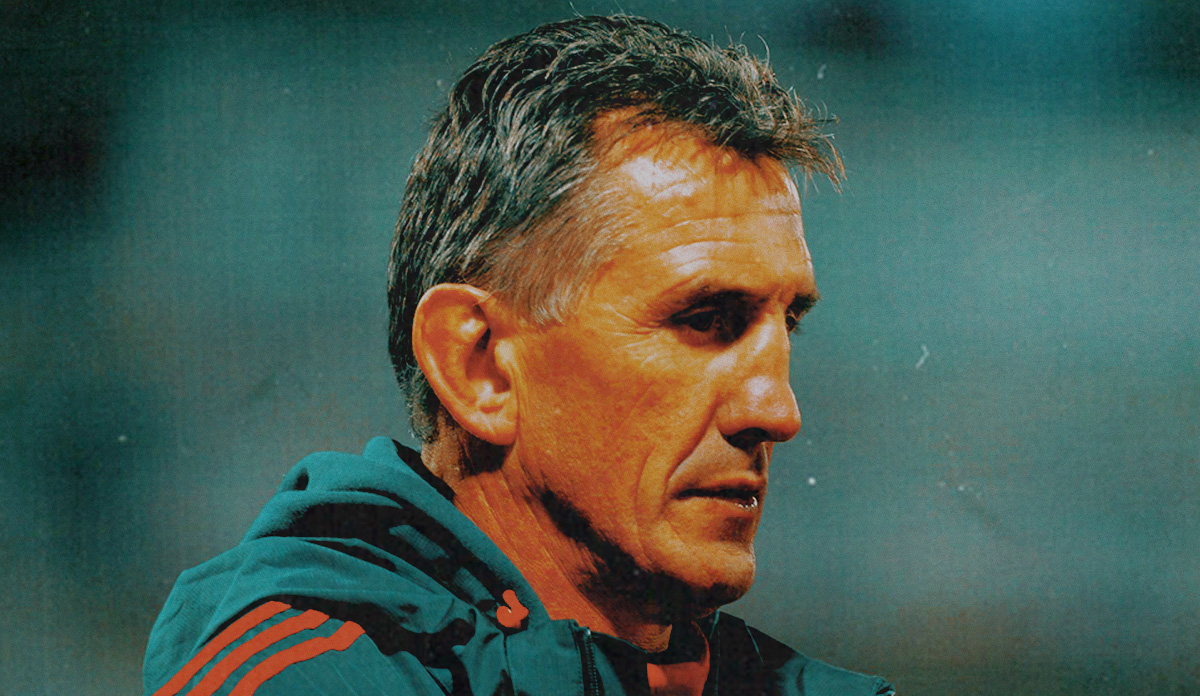
What Penney wanted to implement always felt like it had to be watered down considerably before the Munster public could accept it. To be fair, though, there was also a fair bit of disquiet about the losses that came with the change in style that Penney wanted to implement. We know now that when you’re trying to play a different way the results can often fluctuate as winning performances in this sport – and every team sport – are based on comfort in your chosen playing system. The more discomfort there is, the more likely results will suffer.
This also raises the very real point that to many people – including those in the media who often set what the general public’s opinions are – a team’s “identity” is based entirely on whether they are winning or losing games.
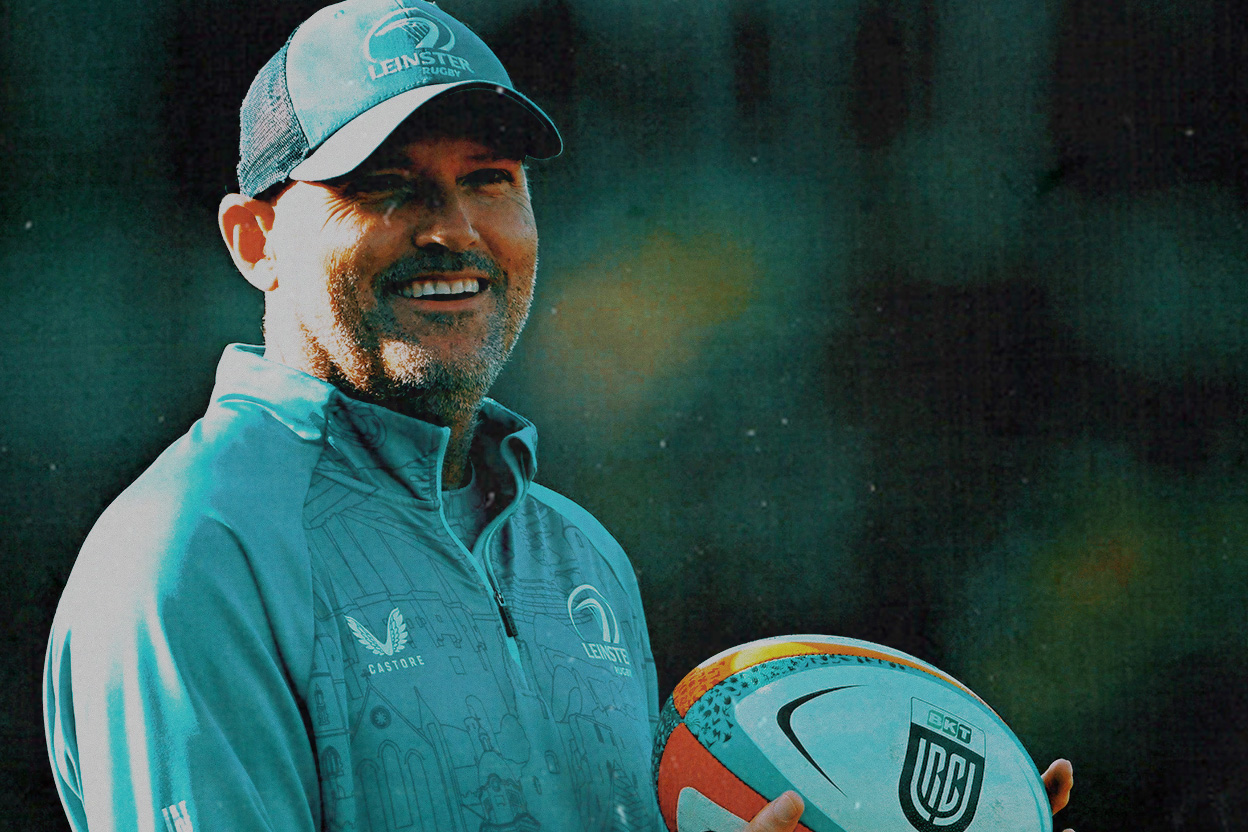
Leinster, for example, changed their style almost immediately under Neinaber last season to reflect his particular way of playing, but it’s only being spoken about now. Leinster’s traditional DNA is seen to be free-flowing, counter-attacking rugby but they haven’t played like that in serious games for some time now. Neinaber has doubled down on that style of play in his first full season and the results have been good. As a result, there is no real question about Leinster’s “identity” because they are winning. Whatever Neinaber is doing appears to be working so as far as most people are concerned and that’s where the questions of their identity begin and end.
Munster, on the other hand, are not winning games at the frequency that matches the expectation of “winning=identity” so questions are being asked about what exactly Munster are trying to do this season and, I suppose, in general.
First of all, I’d only be telling you half the story if I didn’t mention that a lot of what Munster are trying to do this season has been hampered by issues in the front five from a phase play perspective.
Our base playing framework on settled phase play is a 1-3-3-1 shape with our #6 and #7 holding the edge spaces in that set-up and every other forward rotating in the two middle pods of three. Our backline has a fair bit of looping and positional switching behind that shape and it is very much “behind” those forward pods because the entire point of that 1-3-3-1 forward shape is that it is played close to the gainline, without the depth of the 3-2-X shape, which we use on transition.
Our wingers and midfield often swap positions when it comes to playing behind those middle pods with our use of the fullback varying on whether it’s Mike Haley or Shane Daly. Haley often finds himself in more of a handling role outside of transition sets with Daly used in more of a direct, strike-running role. As an example, Daly makes a carry classified as “dominant” on 43.5% of all his carries.
Our midfielders—usually the #12 when it’s Nankivell, but Farrell does this too—rotate out to what would typically be wingers’ positions pretty regularly, with our #14 or fullback rotating into the position they leave behind. Munster are one of the top five teams in Europe for playing the ball beyond the first receiver. We do so on 31.5% of all our possessions while being in the top 10 Europe-wide for average passes made per game—we’ve made an average of 161.4 passes per game so far this season. By comparison, the Bulls have only made an average of 111 passes per game in the same period.
Munster don’t top any charts for any particular range of passing. We’re middle of the road in pretty much every passing range bar long-range passes, where we’re solidly in the bottom half of the table for that metric Europe-wide. That, again, is a good illustration of our balanced play style but one thing does stand out—90% of all our possessions are played on the openside, which tracks for a team that has our metrics for passing beyond the first receiver. That’s enough to rank in the top five in Europe on that metric. We are in the top five Europe-wide for offloading success and rank in the top 15 for the efficiency of these offloads. 16.4% of all our offloads lead directly to a linebreak or a try, which is more than the likes of Harlequins, Northampton and other clubs who have a reputation for expansivity in this regard.
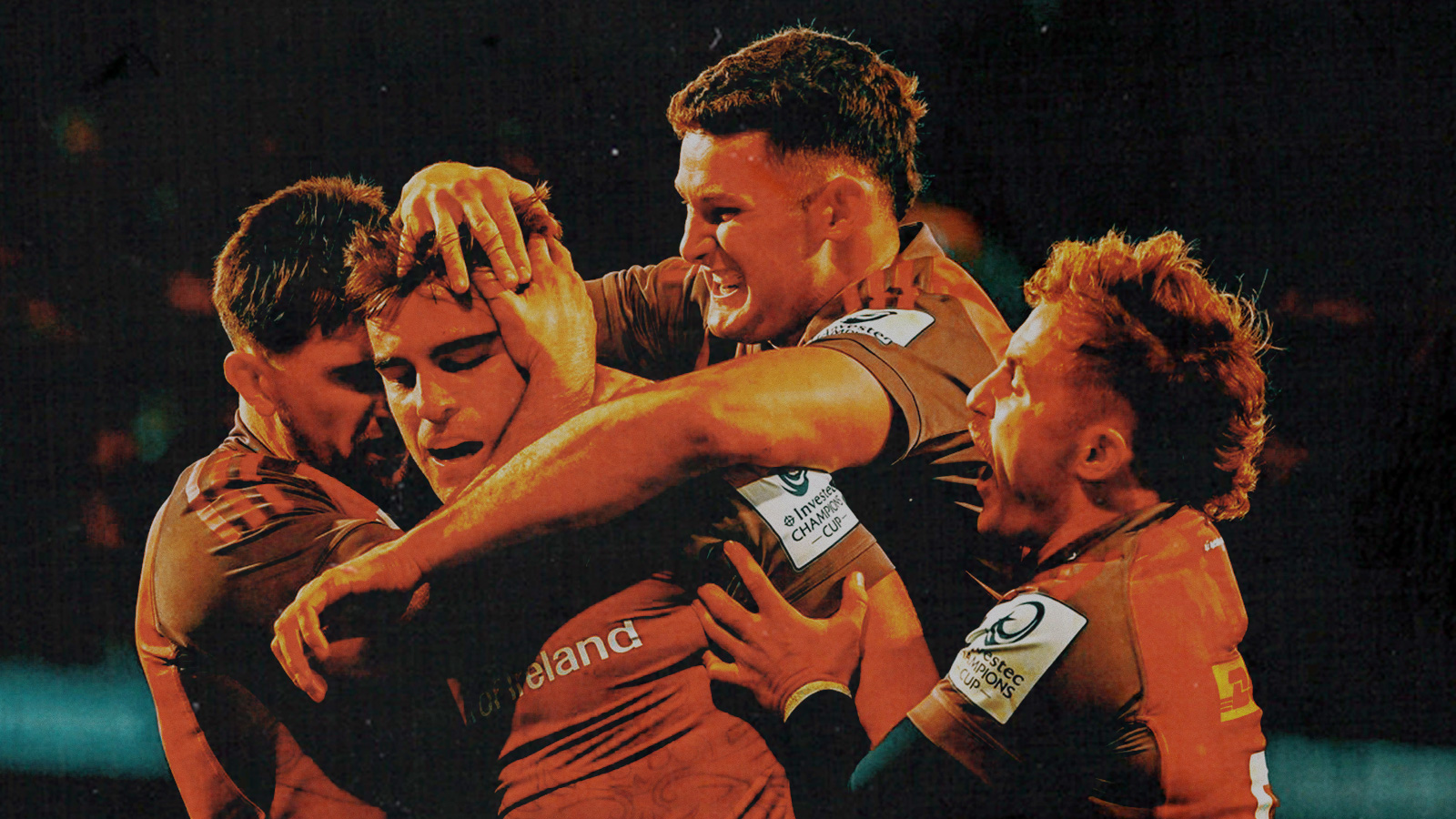
From a kicking perspective, Munster are solidly middle of the pack in the URC and we fall well behind the likes of Leinster when it comes to kick volume and distance.
What does this mean?
That Munster are a team that likes to play with the ball in hand from quite a long distance out, will usually burn through a tonne of ruck entries to do so and spread this across long openside phases in that 1-3-3-1 shape with a lot of scope for offloading out of pods or on the edges.
So much of what we do reminds me of a TOP14 club from an attacking perspective, albeit without a TOP14 club’s heft in the front five. This produces a lot of the identity issues you see in the media. We are bottom three in Europe when it comes to dominant carries, for example, with only 55% of our carries making the gain line.
If you bring those numbers up by even 5% in both cases, we start to look a lot like… Bordeaux.
I know it’s mad to say it but a lot of what we’re trying to do maps onto Bordeaux really closely. We score the same rate of tries from kick return and turnover while not relying on set-piece for tries in the same manner.
The difference is that they have the tight power to convert their opportunities more regularly and with more simplicity. With a bit of luck with injury, that’s the potential that this team has; not just showing how like Bordeaux we can be outside of statistical similarities, but on the field in big games as the season progresses.
