


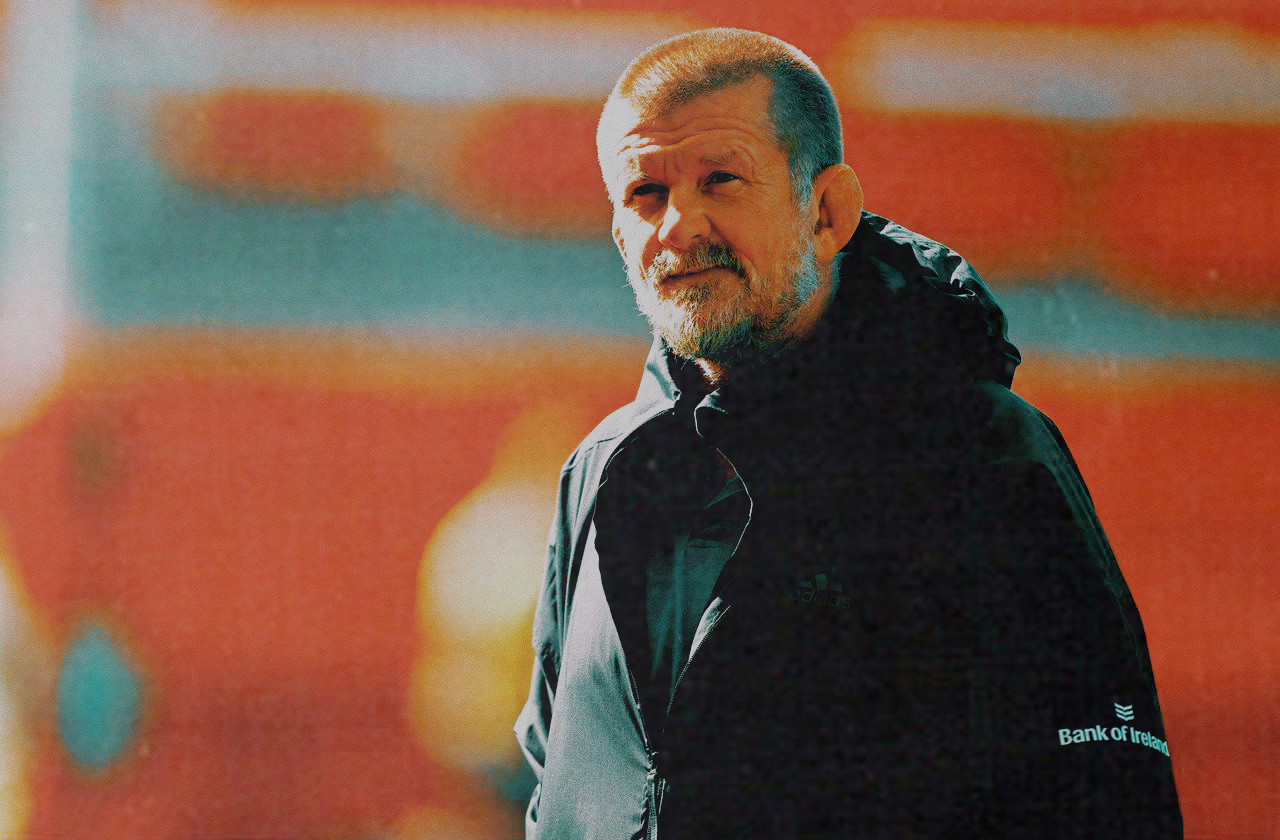
It just doesn’t happen like this.
If you work in this business long enough, you’ll see certain patterns in how things are done. One of the reliable facts about Irish Rugby is that coaches don’t get “sacked” in the way that you might understand with Premier League soccer as your reference point. We found out the hard way in 2017 that it’s standard for IRFU coaching contracts to have a six-month (at least) exit clause inserted as a standard that either the coach or the IRFU can execute after a certain amount of time.
Pat Lam had a six-month exit clause in his contract which he executed in 2017 to join Bristol.
Rassie Erasmus would exit his contract by triggering the nine-month clause in his contract, which the IRFU insisted on given their (later justified) worries that he was just hanging on for the Springbok job to come around.
Johann Van Graan would execute the same six-month exit clause in December 2021.
The only other coach that I can remember leaving mid-season without a reported execution of the six-month exit clause was Ulster’s Dan McFarland, who left Ulster in February 2024, coincidentally right before another three or four weeks without a competitive game.
Now the same fate has befallen Graham Rowntree at the end of a tough six-week block of games that featured two wins and four losses, all on the road, including a desperate, first-time-ever loss to Zebre.
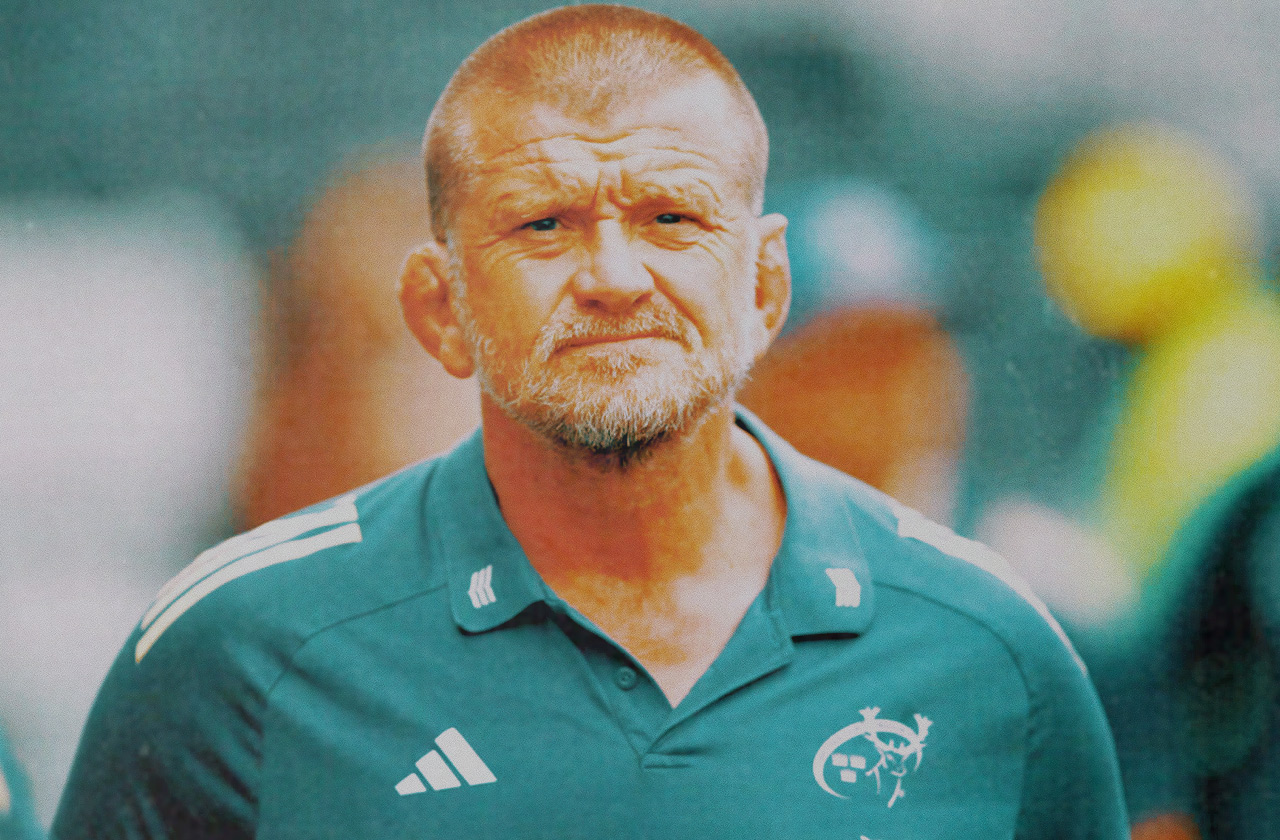
But to say that was the reason for Rowntree’s abrupt departure on Monday is well wide of the mark. I can’t say that the bad start to this season and the deflating end to last season had nothing to do with it but to describe it as the sole reason or even the main reason is just flat-out wrong.
The uncomfortable truth is that there were many reasons for Munster to make this decision, including compelling ones for it to end now, this week.
***
When I think of Graham Rowntree, the first thing that will come to mind is this. The relief. The emotion.
I can’t watch it back without thinking about my little girl. She was born just a few months before this magical run to the final and she was sleeping when Alex Kendellen and Tadhg Beirne wrapped up Neethling Fouché on the ground after a defensive maul set to win the URC title for Munster in Cape Town.
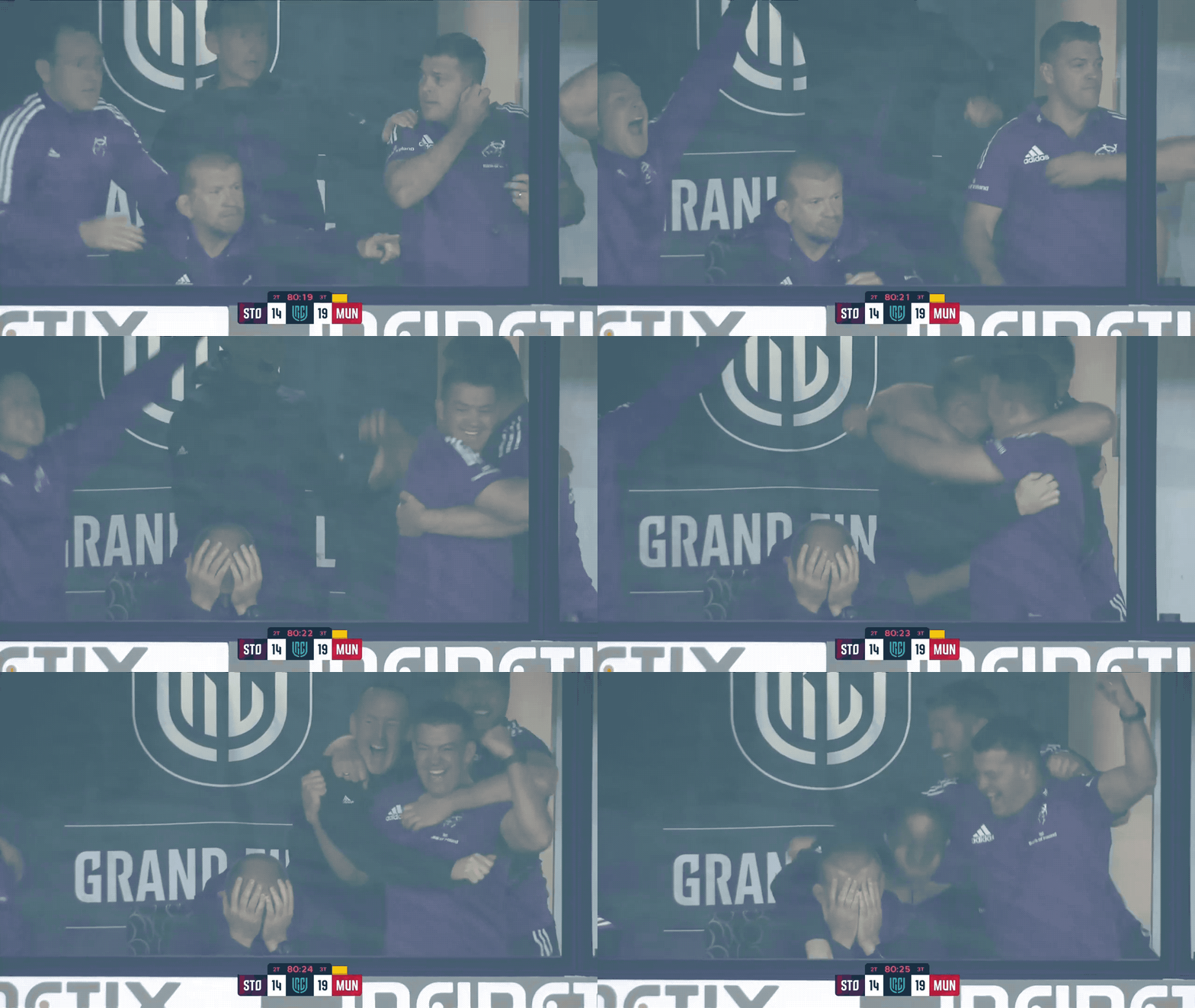
I had to jump around the mobile home in Castlegregory as quietly as I possibly could. Twelve years of waiting. Twelve years of disappointment and defeat. And just like that, it was all over. Leni was my little lucky charm. And she still is. The fun thing about sport is that it allows you to tag all kinds of emotion onto something that doesn’t really matter at all so that it ends up mattering a lot. Sport is a lens for life. When it really hits, it can focus emotion in a way that isn’t always possible in real life.
I know lads who didn’t cry at the funerals of their parents or the birth of their kids, but who were inconsolable when Munster won the Heineken Cup in 2006. We’re weird like that. Munster binds people together, who might never say that they love each other out loud, in a way that can’t be underestimated. Munster isn’t just a rugby club. It’s the father and son who always go to a few games a year. It’s the friends who meet up for drinks and an Interpro once a year. It’s the thought that “dad would have loved this” when you see Peter O’Mahony and Keith Earls lift that trophy.
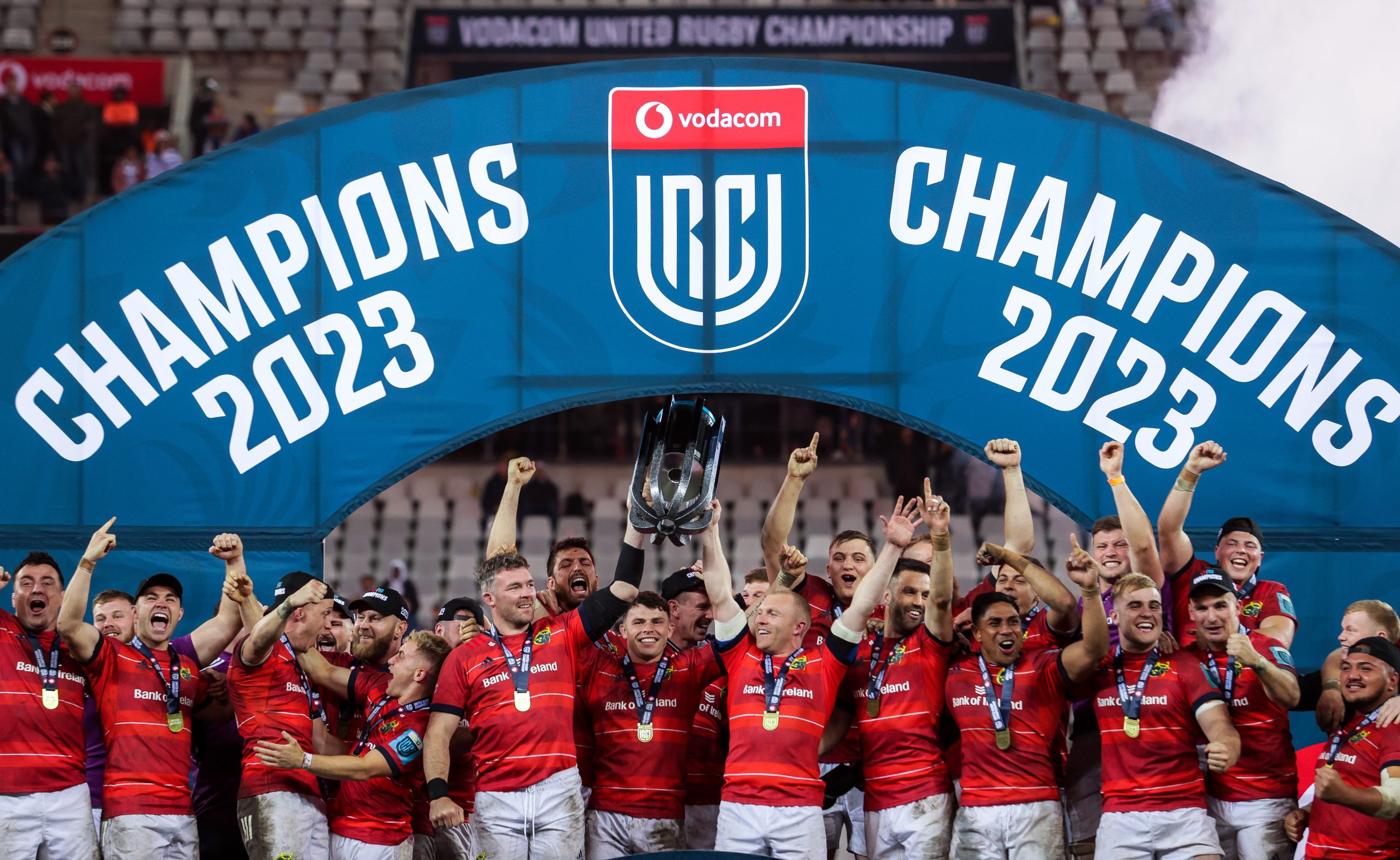
It’s why we all care so damn much and why, when we win, it feels like nothing else. It’s not about rugby, it’s about heart and soul.
So when that final whistle went in Cape Town, I cried. I hugged my little girl as much as I dared so as not to wake her and I sat back and just let the emotion of it all wash over me. My fiance, who was out picking up the takeaway for the evening, came back thirty seconds afterwards and waved her fist in the window – she’d been listening on the radio. It was a beautiful moment that I will genuinely remember until I forget. I hope I never do.
Graham Rowntree’s coaching gave me that moment.
The next time I see him I’ll tell him that.
***
A Munster board meeting convened on the October Bank Holiday Monday, decided that Rowntree’s time at the province would come to an end.
Did his contract extension signed last season with the IRFU have a six-month clause in it? You would assume that it did. Every head coach in the Irish system has their contract paid for directly by the IRFU so any notices served on those contracts would have to come, ultimately, from that side. Did Rowntree turn that notice period down and instead chose to leave immediately? I don’t know.
What I do know is that neither Munster nor the IRFU (who hold his contract) have any contractual basis to immediately cancel a coach’s contract without an explicit clause that allows them to do so or clear evidence of a breach of the terms of the contract.
Dan McFarland signed a new two-year deal with Ulster in 2023 and was gone less than a year later. Rowntree is more or less the same. Has something changed on the contract side from a clause perspective? I don’t know.
I was told today that, even if he doesn’t work out the notice period, he will be paid for whatever the notice period is unless there was cause for a breach of contract, in which case all bets are off.
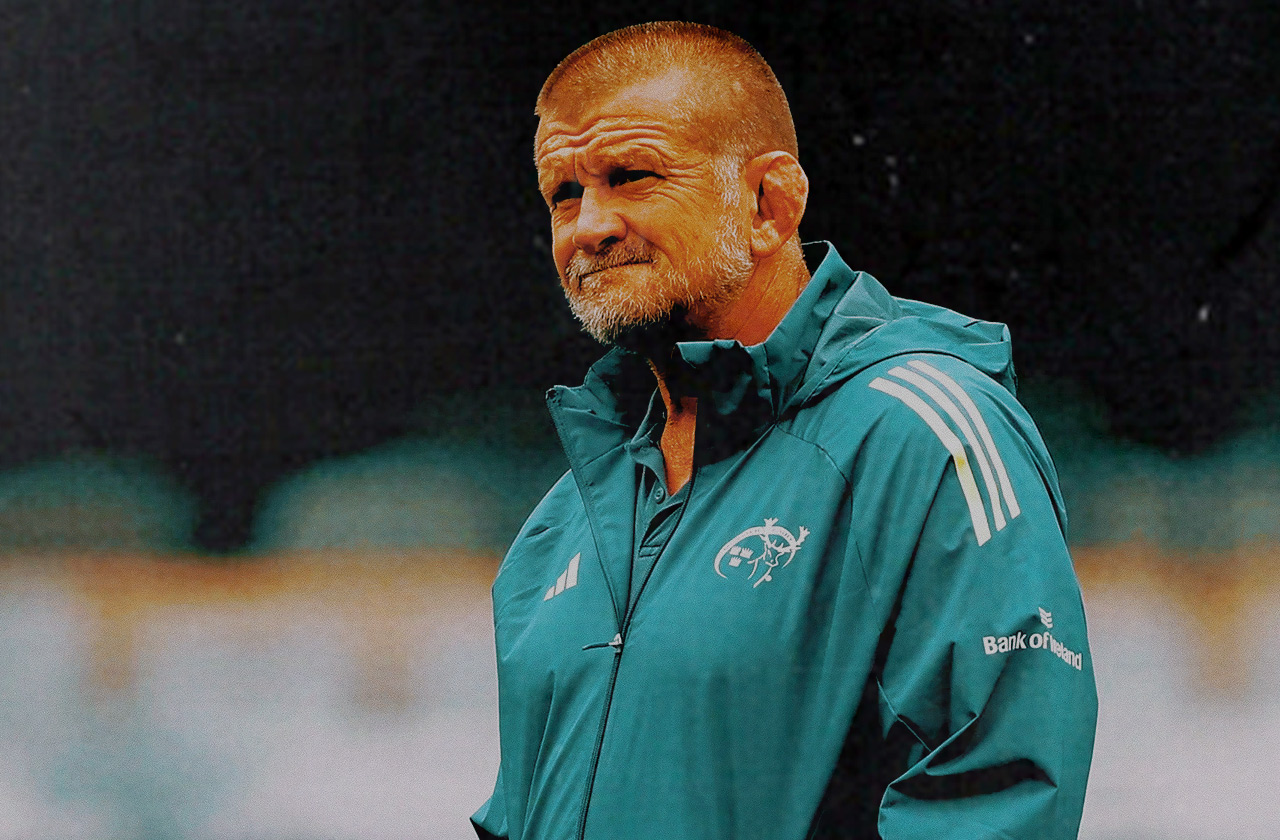
But Rowntree going in October right before the November test break is notable in and of itself because of how rare it is. The rumblings that were around during Dan McFarland’s last season were bad so seeing him step down mid-way through the season wasn’t a shock. There wasn’t really the same kind of noise around Rowntree but that isn’t to say that there was no noise at all.
As early as December 2023, there was noise about the place that relations were not great between Rowntree and Leamy and Rowntree and Prendergast, separately. This is not unusual in and of itself; no coaching group gets on like a house on fire every week of the year. The professional rugby environment is too intense for that. It often forces you into a place where you and your colleagues have to look for answers to tough questions.
That is true in hyper-successful environments as much as it is for ones where results are going sideways. No coaching group should ever be cosy because, if it is, it shows that standards are low. So when I heard that there were disagreements – that’s how I heard it – during a run where Munster drew at home to Bayonne before losing three games on the spin to Exeter, Leinster and Connacht, I wasn’t surprised.
I expected it.
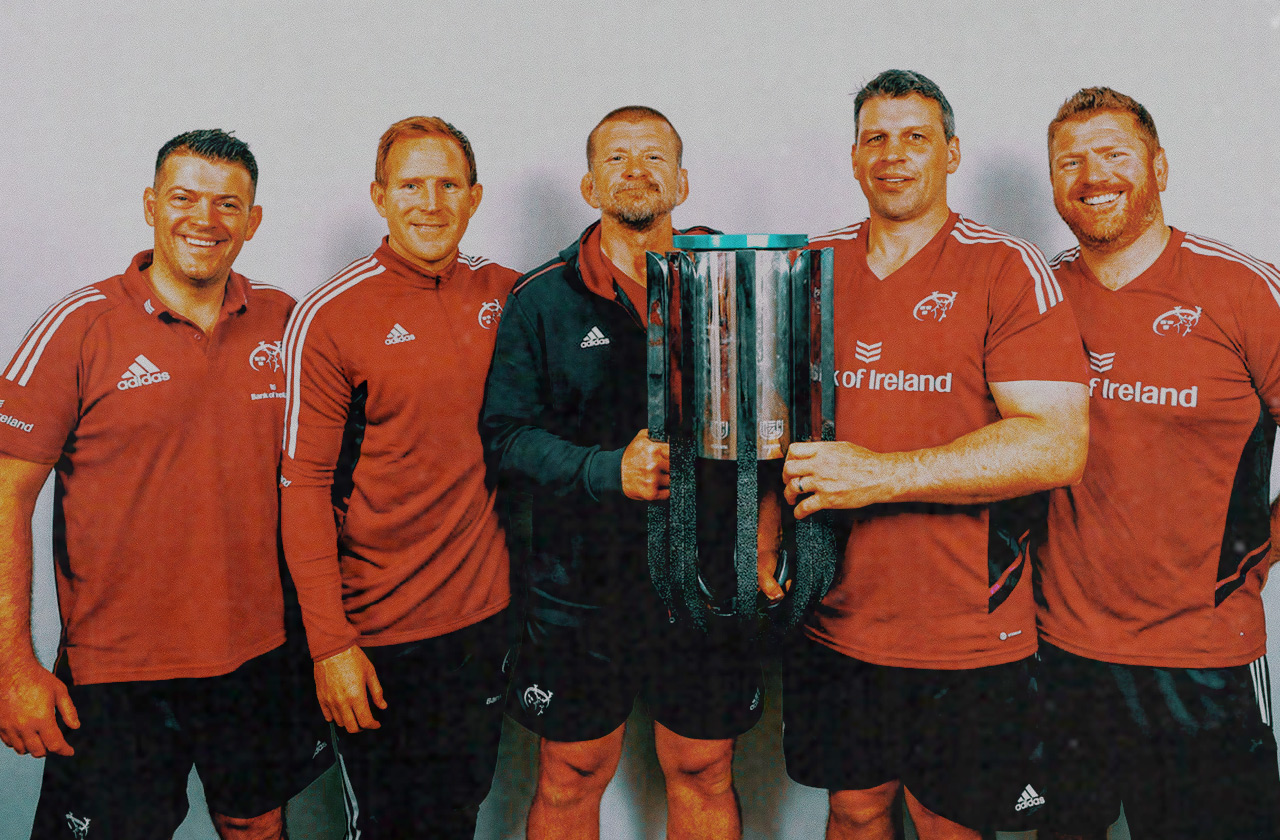
But even then, things were more than a little frayed. Some of Rowntree’s decision-making from week to week around that time was described to me as being “more than a little erratic” as if he was searching for solutions under every rock. That, again, isn’t unusual in and of itself. Plenty of Head Coaches or Director of Rugby have odd ways about them. Just ask Rassie Erasmus. But the noise of bust-ups continued and ebbed and flowed with every loss and subsequent search answers. Pressure, I was told, was beginning to show.
The players were not unaware of these arguments either, even if they rarely played out in front of the group. The disagreements that I heard of came to a head the week before the Cardiff game last season and the ill-fated loss to Northampton in the European Cup Round of 16.
The atmosphere at the time was said to be “not great” – that’s what I recall at the time – but again, why would it be? Out of Europe, labouring away at home, a long injury list and loads of lads sick including an RG Snyman who all of a sudden started dipping out of form right after a big move to Leinster was announced in December, while he was still out injured after spending two weeks partying in South Africa with a serious pec and shoulder injury, instead of coming back to Ireland to get surgery, like Handre Pollard did with his injury at Leicester.
But then it all turned around in South Africa. The news about rows went quiet and Munster went on a great run that culminated in a top-of-the-league finish in the URC before ending with a bit of a flop at home to eventual champions Glasgow Warriors in Thomond Park.
I heard no more about rows.
That was until a few weeks ago, right after the friendly loss at home to Gloucester. And it got worse from there.
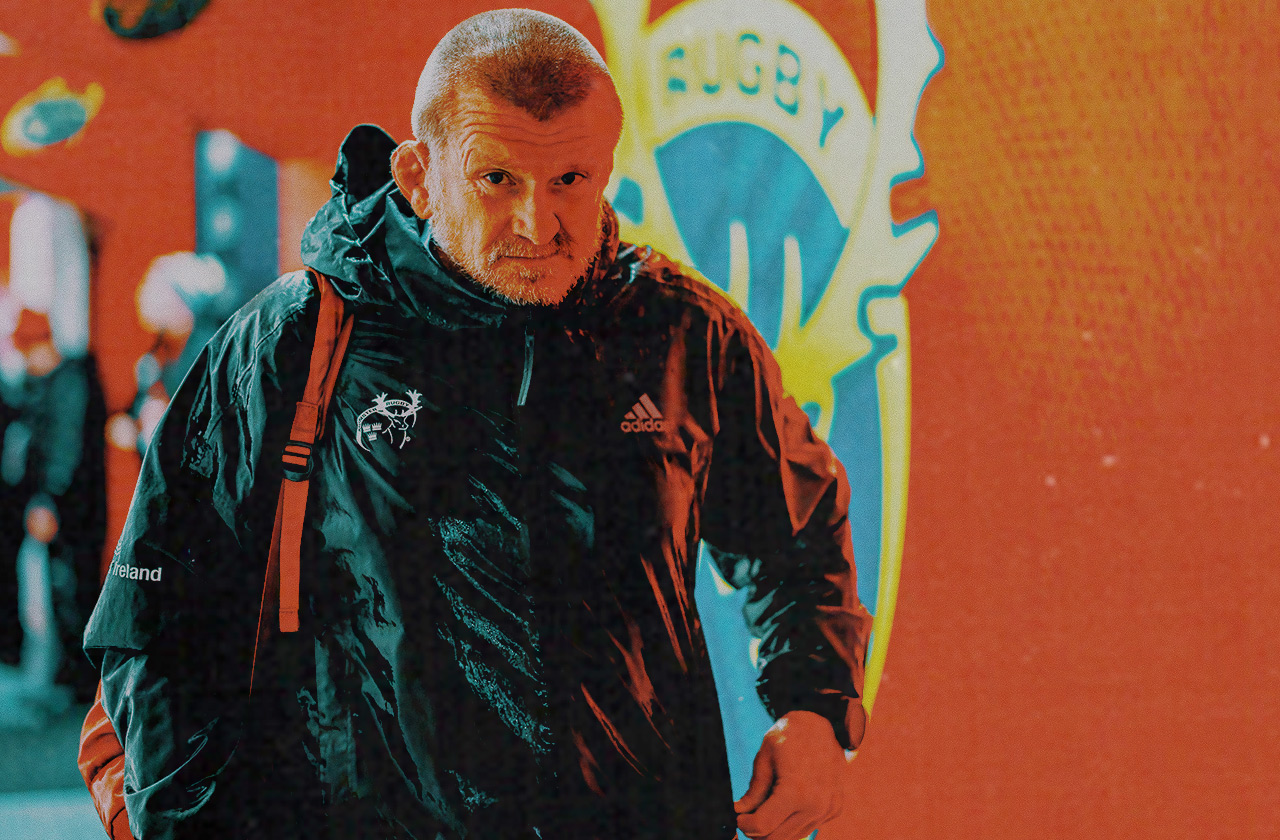
But to say that Rowntree’s departure is a response solely to these coaching disagreements is, again, wide of the mark. It’s not just one thing.
The Munster head coach’s role is wide-ranging and it comes with a lot of demands that go beyond running training day to day. From everything I’ve heard, Rowntree was really good at some of these things, less so in others. His scrum-coaching and scrummaging IQ was and is top-notch. Munster has the best scrum in Ireland and are top three in the URC entirely off the back of Rowntree’s work.
He’s considered a great man in the moment pre-game and at half-time, often with a knack for saying the right thing at the right moment. Rowntree understands Munster and the mentality you need to thrive at the top level of the game and he was considered a brave and ambitious selector of young players. If you trained well in the chaos of the week, he backed young lads to perform for him again and again.
There were weaknesses, though.
It was felt by some I spoke to that his previewing of games and reviews lacked clarity at times and complexity. It was also felt that some of his pitching to prospective signings wasn’t great and that he sometimes had a very brusque manner about internal contracting that was often influenced by the game-to-game ebb and flow of results. The rumours of a falling out with O’Mahony before O’Mahony gave up the captaincy last November were overdone in the media, but I think it’s fair to say that they didn’t see eye-to-eye at all times. Even then, Rowntree consistently selected O’Mahony to play in big games – even when his performance levels weren’t great – so whatever falling out there was couldn’t have been that bad.
O’Mahony’s contract is often brought up as a stick to beat Rowntree but everything I’ve heard suggests O’Mahony himself told Munster that, once it became clear that wasn’t getting a central contract, he would negotiate after the Six Nations. My instinct on the O’Mahony situation and the reported fallout was and is that it was a bit of a nothing burger. Maybe I’m wrong.
Now, I did hear that a pitch to an IQ prop for a move didn’t go to plan late in the season also – something that had been broadly agreed before the meeting but that went south afterwards – but it’s hard to know how true that is because it takes agency away from the counter-offer from the other club in question. This is in the context of Munster repeatedly trying to upscale our front-row options with signings from outside, both IQ and NIQ, so frustration was a problem there.
A head coach often has a big impact on signings from outside. Johann Van Graan, for example, was an excellent squad builder and recruiter with a contact list a mile long. RG Snyman and Damian De Allende signed for Munster because of the money, yes, but plenty of sides have money; Van Graan’s relationship with both was the difference maker. The same was true with Arno Botha, Jason Jenkins and even Joey Carbery. Van Graan got more big deals done than he didn’t. He narrowly missed out on the signature of Ciaran Frawley and Dan Sheehan the season before he ultimately left, but, in general, he was great at selling the project. Rowntree didn’t have the same reach when it came to signings once it came to the stage of selling the project in person from what I’ve heard.
But a lot of the praise – and criticism – comes down to perspective for me. Everyone had their version of events over the last year.
For example, for every person who says that training was intense but too often sloppy – a focus on effort and moving on to the next thing like a game – someone else might say that Munster play better and, indeed, won a URC trophy by being battle-hardened. That school of thought says that a game is brutal, intense and chaotic with no do-overs, so training should be broadly the same and that what we had under Johann was often too slow and ponderous, which often showed in big games.
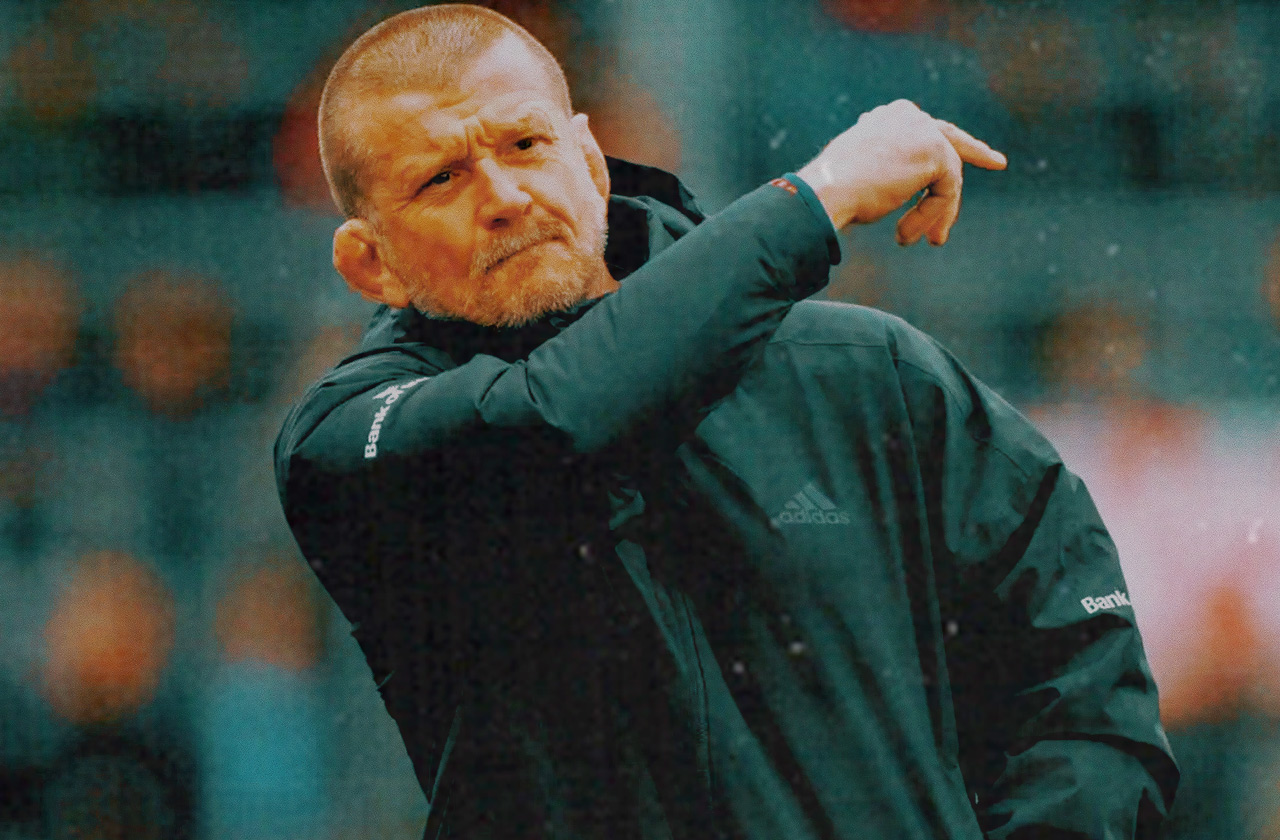
I had a conversation with Billy Holland two years ago before Munster’s Pairc Ui Chaoimh turning point against South Africa and something he said with me popped back into my head two weeks ago when I was looking at Munster’s lineout trouble.
He said, more or less, that he popped back up to have a look at training a few weeks before that game – this was in Year One of Rowntree’s tenure – he and couldn’t get over the pace of the training. Billy went on to say that after every lineout session or other skill block when he was playing, they’d often stop and go over what they just did, but that now they were going hell for leather into the next thing.
Maybe that’s too convenient to sum up some of Munster’s issues this season and last – lineout not working, skills looking sloppy and rushed – but I think there could be something there.
Doing It The Hard Way
Graham Rowntree’s three seasons at the club – two and a third, we’ll say – have been defined by unprecedented injury crises that seem to spread like wildfire. That came to something of a nadir last season when 21 players out of a squad of 42/43 were injured. The promise of what a fully healthy Munster could do was realised once under Rowntree – right at the end of the URC title run when we had minimal injuries week to week bar a rake of concussions after beating Glasgow in the Quarter-Final.
In Rowntree’s first season, the change in pace at training was often used as the most readily available “why”. There is merit to it. A group of athletes used to training one way for 5/6 years will often pick up a lot of knocks – and more serious injuries – when adjusting to a more intense style. It was felt that the change would be worth it in the long run, which was somewhat vindicated at the end of year one when everything came together all at once.
Denis Leamy told me on a presser that season that they would be looking to peak in December after a shortened preseason and while that didn’t happen on that exact timeline, it certainly did from April on when Munster looked fitter, more battle-hardened and, crucially, got guys on the pitch when it mattered.
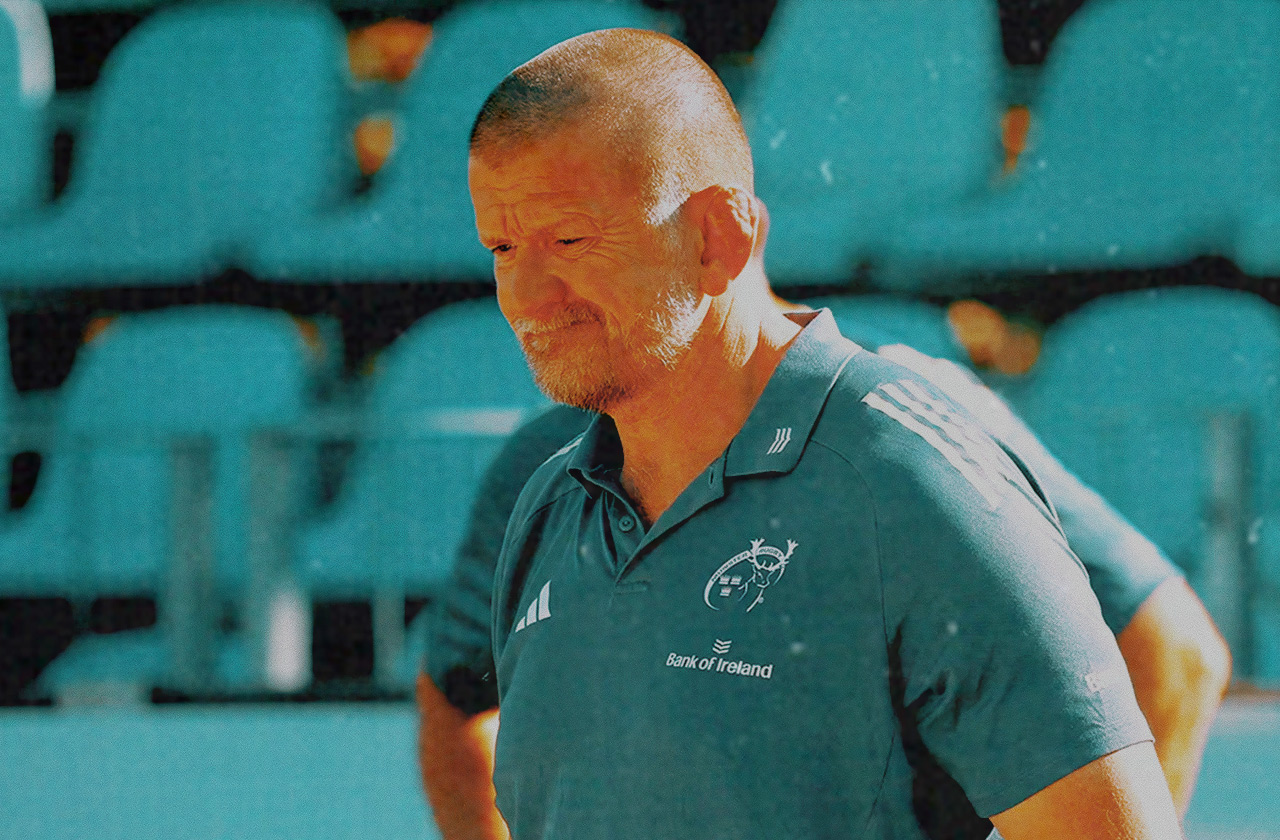
Munster had a shortened preseason that year so the thought was, bar some early teething problems, that actually worked better for the group. The reasoning behind that was a disastrous 2022/23 where we spent large parts of the first half of the season unable to train fully, such were the height of injuries in the front five and elsewhere. There’s the hard way, the Munster Hard Way and then playing rugby on Impossible Mode which Munster did between November and the end of January last season such was the height of injuries.
Those injuries broadly cleared up later in the campaign – and some of them happened outside of the Munster environment so they were functionally irrelevant to Munster’s introspection – but answers were sought. Rowntree’s second year in charge had a massive preseason due to the World Cup and the feeling was that it didn’t suit the group. Intense sessions were followed by regular breaks but, as it was put to me at the tail end of last season when Munster looked more weary than battle-tested; is it a case that the intensity of Munster’s training week making us more prone to picking up injuries, both in session AND during matches?
Munster shortened the preseason again this year to take on board what happened last season, and what worked about the first season under Rowntree. The intensity would stay, the speed of training – playing quick – would stay, but there would be less of it, with more breaks in between. You’d often see this on Instagram where it felt like the players were away for a break in Portugal every few weeks during the summer. Those regular breaks coupled with the squad being more comfortable with the intensity after two previous campaigns were hoped to make a difference.
But the season started the same way. A rake of players picked up hamstring injuries – Kilgallen, O’Mahony, Abrahams, Liam Coombes, Shane Daly – with Alex Nankivell, Pa Campbell Billy Burns picking up shoulder injuries, and then latterly a hip injury in Nankivell’s case with many others being quite banged up on the South African tour.
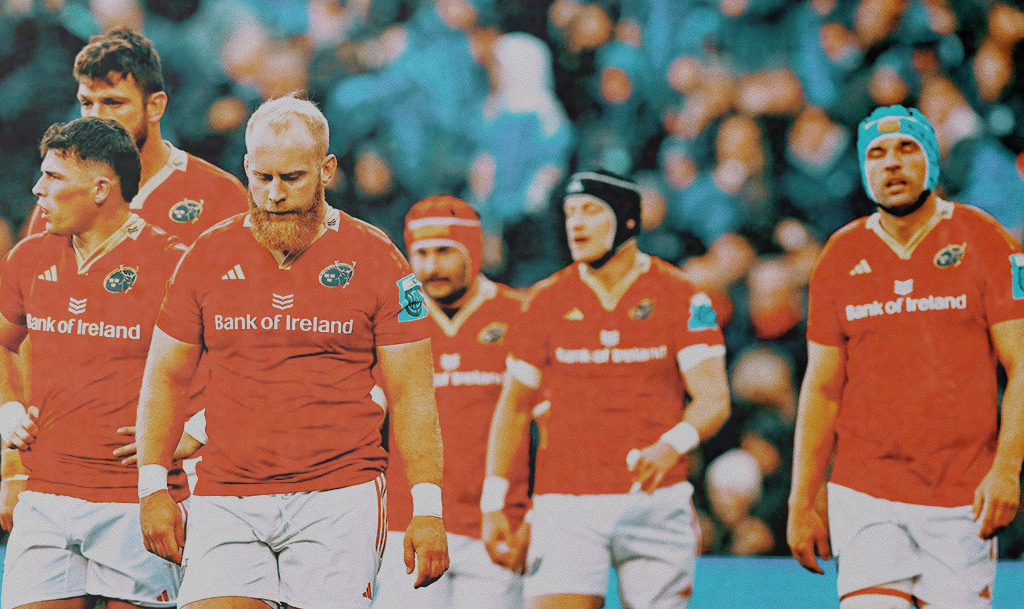
As well as that, it looked like Munster were a little undersized and lacking pop in the forward exchanges. Some of that is down to having to use older players due to injuries – in the front especially – but in general, we’ve looked less explosive and energetic than our competitors.
I was put onto this on Sunday afternoon when I was looking at our forward work and asked someone I trust about how our tight work could be so bad – “ask yourself why we look so soft and slow” – and it’s only when I went back and chewed through some games that I saw it. We still looked like the weary side that traipsed through the last few weeks of last season, but it was October.
The question all along has been does Munster’s S&C need to change but I think it’s fair to say now that we were looking in the wrong place. Was it the intensity of the training itself and subsequent resistance to compromise on it?
I think it’s fair to say now. I review every block of the season regardless of news like this and it was in my notes since the Leinster game – “slow, lacking in energy, power not where it needs to be”.
Munster’s injury troubles have been long documented and long used as context by me. I stand by it. But in the last few weeks, I heard more noise that concerned me about players feeling more rundown and lacking energy than they’d like.
***
“Aboy the kid.”
Graham Rowntree stuck his hand out to me in Virgin Media Park. I shook it.
“Tell you what, you’re a funny fucker on that podcast,” he said, with that weird Wig energy of sounding like you’d just dinged his car outside the HPC mixed with having the craic in the smoking area of a bar three pints in.
That’s the thing with Graham Rowntree. The guy you see on TV and at matches is Wig. It’s not an act. He isn’t playing a character. He’s all Wig, all the time. It’s what makes him so compelling and engaging to fans because he reflects the manic, feral energy of Munster fans at our best. We look at him and see ourselves.
I told this story on PSOM a few weeks ago but, long story short, Wig slapped the top of my head as he was walking by the press area ahead of the friendly against Gloucester in preseason. As a bald guy, you get used to this pretty quickly especially if you’re a bald guy playing rugby. It sounded like a gun going off. I am, as you can tell, very #bald. That would be unusual behaviour for any other head coach… except Graham Rowntree. He is a character in the purest sense of the word.
A few weeks after that friendly, I text Wig after the Ospreys game congratulating him on the team muscling up post-Zebre. I was a few pints in at a birthday party.
He texted me back a flexed arm and an ear emoji before adding “I still want to slap your head”.
“It’s good luck,” I replied. “Or will be eventually”.
“Agreed”.
***
All the noise I’d heard in pre-season was that the group was flying. Everyone was pretty happy where we were at and then the pre-season friendlies away to Bath and at home to Gloucester happened and the tone seemed to change. I interviewed Graham Rowntree after that friendly against Gloucester and it was notable for how pissed off he was.
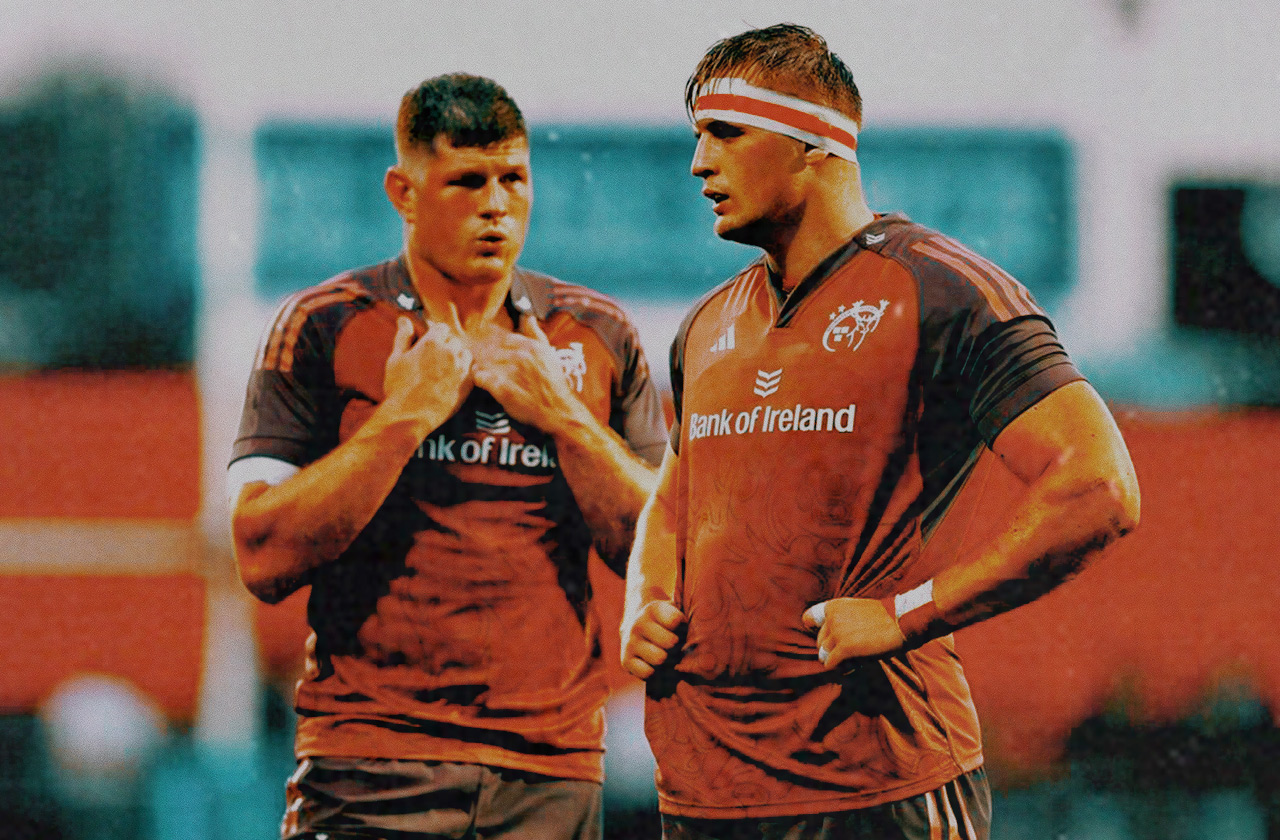
Losing friendly matches is completely meaningless but Rowntree was really frustrated – bordering on openly angry. “That out there isn’t what this is about,” he said, jabbing his finger at the Munster crest on his jacket. It stuck with me how annoyed he was. I’ve spoken to Rowntree after a good few games – bad losses, scruffy wins, great wins – and he’s generally been pretty level-headed. He was openly devastated after the loss to Glasgow last season but you’d expect that. Yet here he was, beyond frustrated over a loss that nobody would remember once the season started.
I got the feeling afterwards – and this is viewed through the prism of the last few games, I’ll admit – that the performances in both friendlies, but the Gloucester one in particular cut at him exactly because pre-season had gone so well to that point.
And that posed a question with no easy answer.
Essentially, if pre-season went as well as everyone thought it did, how come we’re looking like shit in these friendlies, especially against what is essentially a mid-table Gloucester side?
I think this led to the last six weeks where, according to most of the accounts I’ve heard in the last 48 hours, Rowntree was seen to be quite stubborn and resistant to feedback/input from pretty much everyone I’ve spoken to. It was his way or no way, I’ve heard again and again. Other outlets have spoken about Rowntree seeming like he was under pressure and, while I agree that he seemed that way, it was the undercurrent of frustration that stood out to me. If you’re the head coach at an Irish province, you’re under pressure every day.
This interview after the loss to the Stormers is as irritated, frustrated and openly furious as I’ve ever seen Graham Rowntree.
It’s honest, bordering on emotional and it was exactly what he would have been feeling at that exact moment. It’s also reflective of a coach who had been out in front of the media after losing to Leinster at Croke Park talking about similar issues a week before, and would do again on the press conference ahead of the Sharks game; his last as Munster coach, as it happened, but none of us knew that at the time.
Was this a man under pressure? Yeah, clearly it was. Moreso than what would be considered normal in what is already a pressure cooker job? Probably. Did that play a role in what ultimately happened here? I think so, yes and I think it’s all of these things plus, in all likelihood, a catalyzing incident of some description that I hope we never have to know about.
This kind of thing just doesn’t happen. So when it does happen, that’s meaningful. And it tells you all you need to know.
***
When it’s all said and done, Rowntree’s time at the province will be seen in a broadly positive light.
A few things are true all at once.
He has the worst win percentage of any Munster coach in the professional era. Munster’s performances in the European Cup are at historically low levels. We’ve won one home pool game in two years and didn’t win at home at all last season – drawing to a Bayonne side that finished 12th in the TOP14 and losing to Northampton.
He was also head coach during a very difficult time in Irish provincial rugby outside of Leinster with shrinking provincial budgets and constrictions on recruitment that apply to no other clubs anywhere in the game. It has often been asked why Munster have seemed to sign players in every position except the front row, where they have needed an injection of quality for close to eight years now.
It’s often asked if Munster haven’t been deeply aware of this for those eight years. Every single year, Munster have been prevented from signing the numerous props they have identified along with development plans for how that NIQ player might improve the other props there, young and old.
The exact path that Tom Clarkson has found himself on – third in line behind Ala’alatoa for three years and alternating as a 1B/1C with Slimani this season – has allowed him the time and space to develop his game without a tonne of front-line starts to stymie him before he’s ready for them. Clarkson has 49 Leinster caps – less than Josh Wycherley has at Munster, who he played with at U20 level – and two European Cup appearances to Wycherley’s sixteen. But who currently finds themselves entering into their mid-20s with momentum and a chance to shine at Ireland camp?
Clarkson.
He somehow managed to do so despite being “blocked” by two NIQ signings in a row over the last four years, something that David Humphreys suggests is impossible.
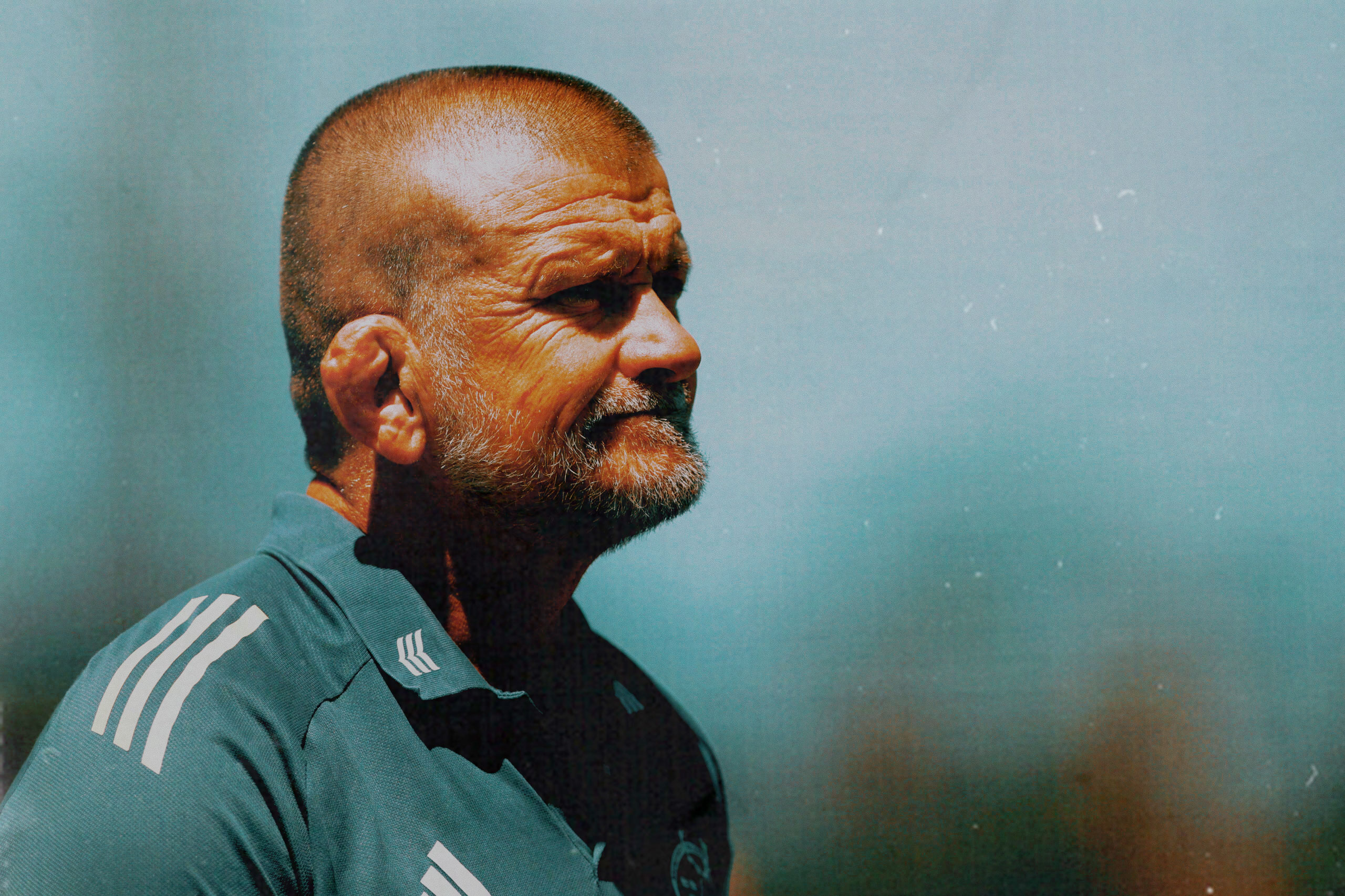
In that environment, with budgets being cut and several Catch-22s biting, you can see how the pressure could get to a first-time head coach;
• Wig’s first major signing was Antoine Frisch, who Andy Farrell didn’t cap, which led to France pursuing him aggressively. This led to him forcing a move to get test rugby. Munster lost out on a key player and had no time to replace him as Tom Farrell was going to be signed regardless. A key area of depth disappeared and with no time to address it because all contract business with anyone worth signing was already done.
• Jean Kleyn was a key part of the URC title charge and that brought him to the notice of the Boks who he had recently become eligible for again. Erasmus called him up and, thanks to some pretty stiff interpretations of NIQ “guidelines”, the IRFU essentially facilitated lifting RG Snyman to Leinster to please their newest hire, former Springbok coach Jacques Neinaber. Snyman of course scored a try against Munster at the first time of asking because that was always going to happen.
• Turned down for a loosehead prop three seasons in a row because of Jeremy Loughman and Josh Wycherley’s importance to Ireland, only to see Jeremy Loughman earn five caps in that time, with only one of those caps as a starter against Fiji. His other appearances were against Romania in the 2023 World Cup off the bench. 68 minutes in two warm-up games and 25 minutes off the bench against Italy this spring. Despite not being “blocked” by an NIQ, Josh Wycherley had yet to receive an Irish extended squad call-up.
Despite these issues, Rowntree has backed youth again and again and again. He has brought through talents like Jack Crowley and Edwin Edogbo, gave Tom Ahern and Calvin Nash their breakout seasons, inserted Craig Casey as the starter at #9 ahead of Murray, invested consistent minutes in Ruadhan Quinn almost immediately and used guys like Ben O’Connor and Brian Gleeson in European games at 19 years of age.
Even with all these issues and a bad win rate, he won the important one when it counted. But time stands still for none of us and after the last few days, I’ve come to the idea that if it was time to move on, better that it happen sooner rather than later.
I think in years to come he’ll be seen as the guy who took the developmental lumps so that the next great crop of Munster players could come through. He deserves nothing but respect, privacy and best wishes for his future. Sure, I think the pressure of the last year and the expectation that came after the first season played a part in taking him off course, in a number of ways, but that shouldn’t dull what he achieved.
He’s a character, a real rugby man, a great guy and a Proper Munster legend.
Thanks, Wig, for everything.
