


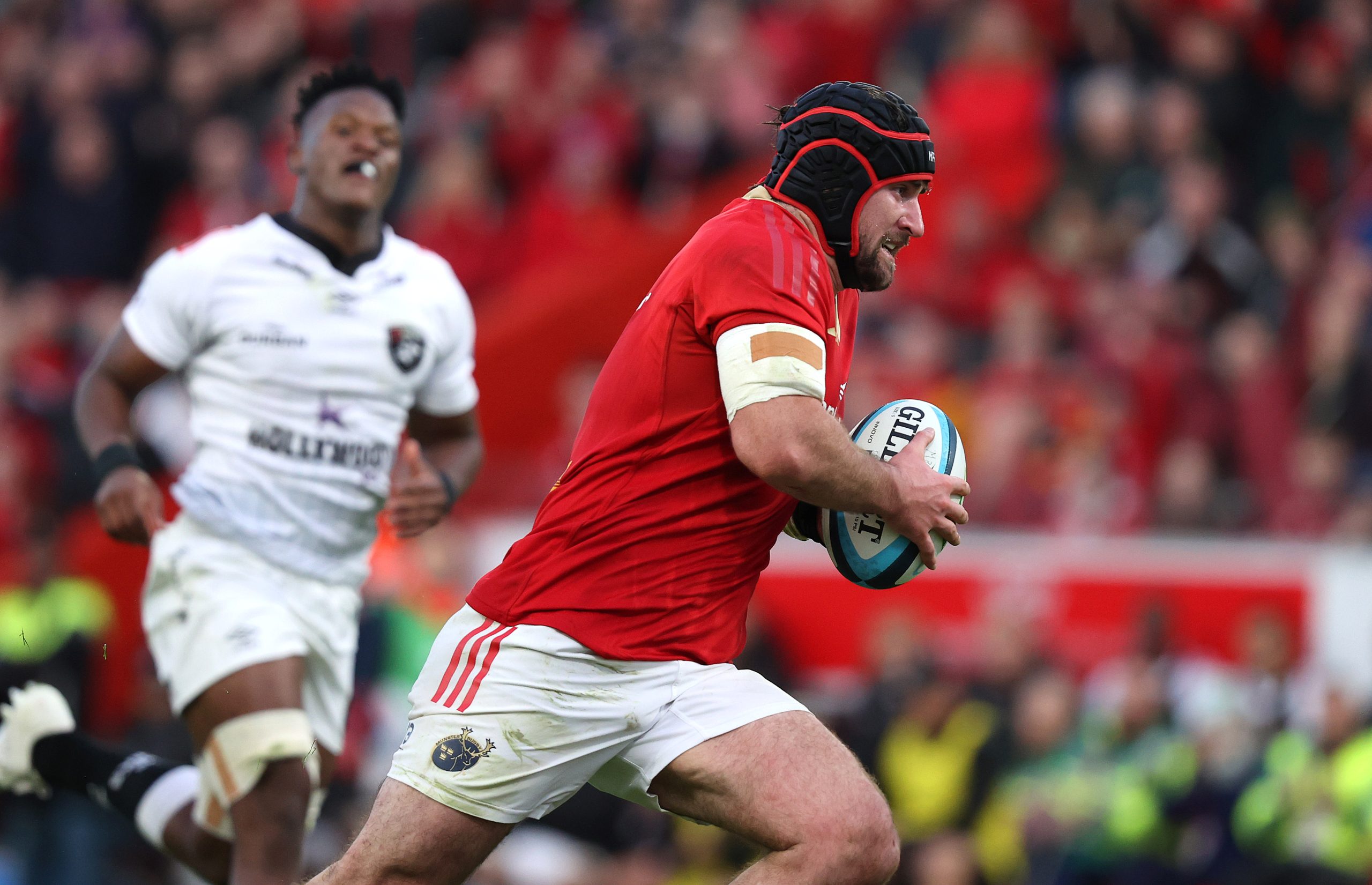
Irish rugby has no depth chart more open for a run than the Munster #2 and #16 jersey.
This reflects a few different things at once. The first is that what is required of a top-level, test-capable hooker has changed considerably in both the global and Irish contexts. Ten years ago, there were two primary hooker archetypes; the Strike Hooker and the Heavy Hooker.
Strike Hookers were all around 6’0″ and 100-110kg and were often found in the wider channels of more expansive attacking teams or operating as traditional openside flankers in open play.
In 2015, we were right at the tail end of “Crouch, Touch, Set” as the scrum call cadence. This led to explosive scrummaging that saw the ball flash past the front rows into the back of the scrum quite quickly after the “hit” and so there was no real need for the hooker to strike the ball, so none did.
These laws would change a year later to the “crouch, touch, bind, set”, which changed what was required from hookers. On the “bind” call, hookers would start to push their heads onto the shoulder of the opposition hooker. This was called axial loading and it worked by focusing the pressure of the entire pack into one point on the opposition hooker, which caused incredible wear and tear on the necks of almost every hooker at the time.
This led to the ban on axial loading ahead of the 2019 World Cup and the introduction of the brake foot law.
Anyway, before this law change, there was no need for the hooker to strike for the ball which allowed a specific breed of hookers to thrive.
Agustin Creevy, for example, wasn’t necessarily the best thrower in the game at the time and couldn’t hook in the scrum to save his life but he didn’t have to; he was essentially another openside flanker that threw into the lineout and that’s all he needed to be to be one of the best players in the world at the time. The real archetypes of the Strike Hooker were Agustin Creevy, Sean Cronin, Dimitri Szarzewski and the poster boy of the role at the time, New Zealand’s Dane Coles.

The Heavy Hooker was, essentially, another prop and their stock in trade was nailing the basics of the role with hyper-accurate throwing, technical power scrummaging and balancing that by being a heavy carrier/ruck dominant player off #9. These players were all around 6’1″ and usually played north of 110kg, although not by too much.
Think Adriaan Strauss, Julián Montoya, Rory Best, Keven Mealamu, Benjamin Keyser and Bismarck Du Plessis.
These two roles don’t fully fit every elite hooker at the time but they are a good example of the position. From this starting point, we can track the evolution of the main roles that currently dominate the position in 2024. To help classify them, I’ll include each senior Munster hooker in the notable example section.
Power Hooker: This player can be anywhere between 6’0″ and 6’4″ but is almost always playing north of 110kg. They can play as central ball carriers (Malcolm Marx, Peato Mauvaka) or primarily as narrower edge forwards (Dan Sheehan) and they are defined by their explosive carrying, especially off the loop of the lineout or as dangerous maul breakers. They are an offshoot of the Strike Hooker and Heavy Hooker that’s in keeping with the modern game’s bigger, faster, stronger trend in the last ten years. The taller end of these hookers – Marx and Sheehan – have come to prominence despite their height since the change in the scrum call cadence which removed the “hit”. Typically taller hookers were seen as being a liability in the scrum but that can be mitigated by pairing a loosehead of equal height.
They are the rarest type of modern hooker.
Notable Examples: Dan Sheehan, Malcolm Marx, Peato Mauvaka
Conceptual Shorthand: What if an old-school #8 was a hooker?
Heavy Support Hooker: This is the natural evolution of the Heavy Hooker. They are typically between 5’8 and 6’2″ and play between 105-115kg. This brand of hooker has their primary stock in trade at the set piece; their lineout and scrum will be the best thing they do without question and they throw their hand at pretty much everything else during phase play, albeit with a focus on platform carries off #9, tight defence and offensive ruck support.
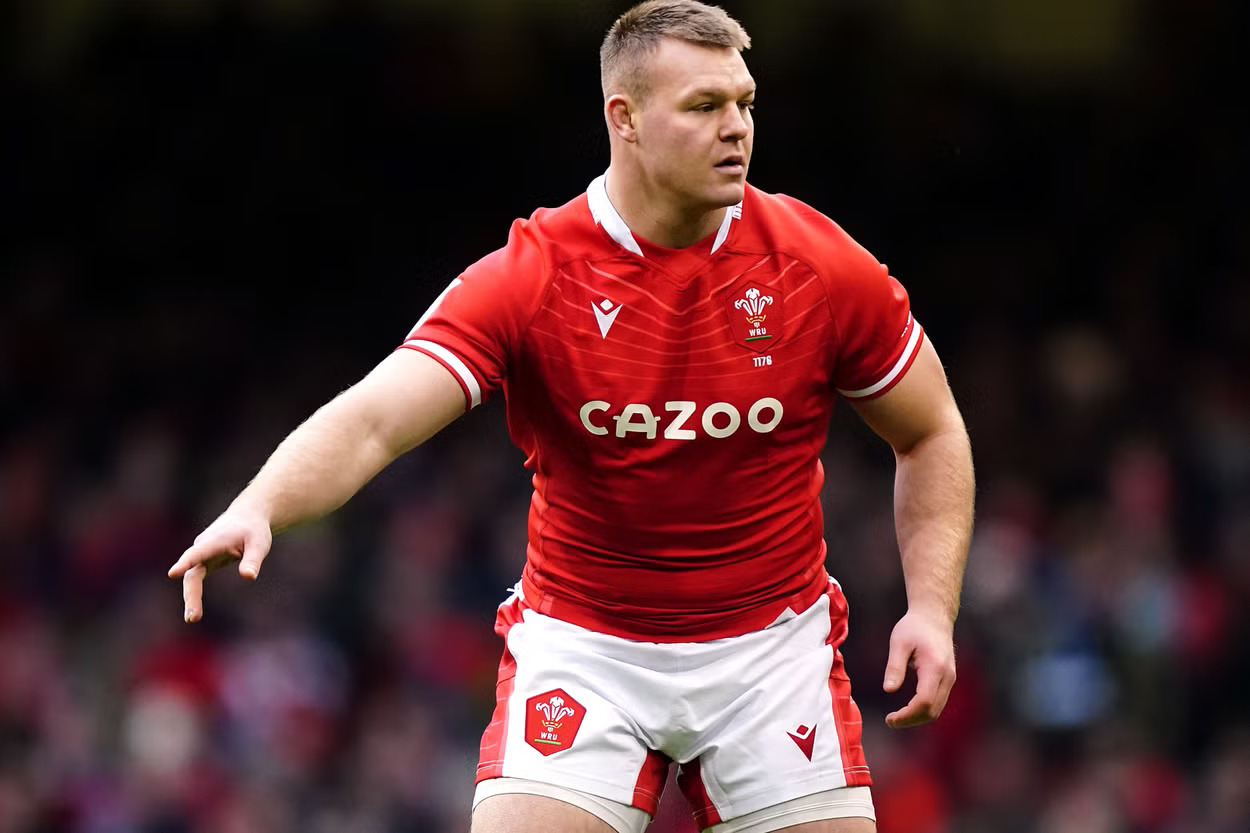
These players are usually not as explosive as Power Hookers. Still, they will often carry more than them from a raw volume perspective and be more active at the offensive breakdown on average. Top-level Heavy Support Hookers will give you 8+ carries over a 50-60 minute spell, load up on tight defensive and produce high Offensive Ruck Work scoring all while being lockdown throwers and scrummagers.
Notable Examples: Bongi Mbonambi, Niall Scannell, Dewi Lake, Samisoni Taukei’aho, Eoghan Clarke, Pierre Bourgarit, Ronan Kelleher, Akker Van Der Merwe, Julien Marchand
Conceptual Shorthand: What if you compressed a tighthead lock into a hooker?
Heavy Strike Hooker: This style of hooker is the direct evolution of the Strike Hooker. These players range in height from 5’8″ to 6’2″ and play anywhere from 95kg to 110kg. They are lighter than the other two main hooker builds and bring a mix of both rolesets to the table. They are very comfortable carrying the ball off #10 and most often profile as middle-line ball carriers but can “do a job” in edge spaces if needs be. They are defined by excellent, varied lineout throwing, agility and pace around the field with the ball in hand, and huge output at the offensive breakdown while also being legit jackal threats.
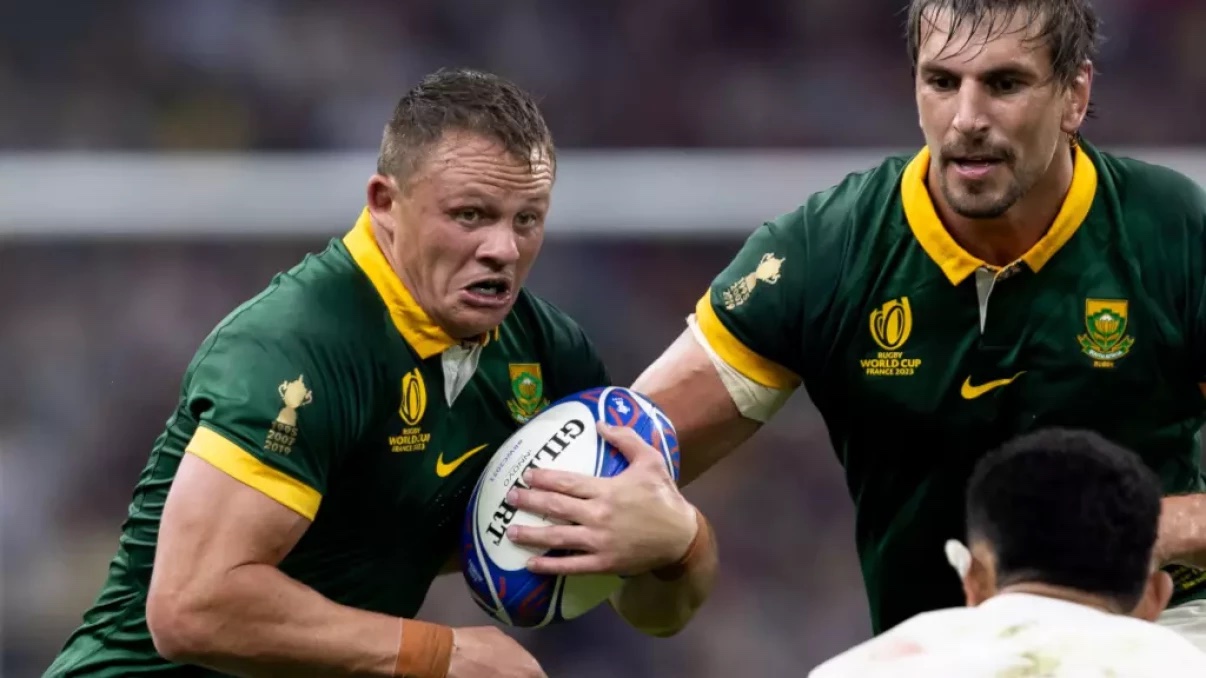
Notable Examples: Jamie George, Theo Dan, Diarmuid Barron, Scott Buckley, Deon Fourie, Johan Grobbelaar, George Turner
Conceptual Shorthand: What if an old school openside was a hooker?
These are the three main builds of modern hookers and you can fit every elite hooker in the game into a Venn Diagram of these three archetypes. With these laid out, we can start to slot Munster’s depth chart together.
- CORE 1: A vitally important player who will start most games or play an important role in them.
- CORE 2: An important senior player who will likely make squads as a starter or replacement in elite games.
- SQUAD 1: A player who can slot in for one of the CORE 1/2 players if they are injured and can be a match day 23 player for lower tier games as a starter or replacement.
- SQUAD 2: A player who is an intermittent option in the match day 23 regardless of opposition.
- FOUNDATION 1: A young player – under 25 – who can become a CORE 1 player.
- FOUNDATION 2: A player expected to top out around CORE 2 or SQUAD 1 level.
- PRIORITY 1/2/3: A player who needs to be cycled out inside one year (most pressing), two years (wiggle room) and three years (ageing but not a pressing matter)
| Player | Role | Age on Jan 31 2025 | Contract Expiry | Rating |
|---|---|---|---|---|
| Diarmuid Barron | Heavy Strike Hooker | 27 | 2026 | CORE 1 |
| Niall Scannell | Heavy Support Hooker | 32 | 2025 | REPLACE 2 |
| Eoghan Clarke | Heavy Support Hooker | 26 | 2025 | SQUAD 1 |
| Scott Buckley | Heavy Strike Hooker | 24 | 2025 | ASSESS 1 |
| Danny Sheahan | Heavy Support Hooker | 20 | ACAD | FOUNDATION 1 |
| Max Clein | Power Hooker | 21 | ACAD | FOUNDATION 2 |
These would be my current ratings as I see them although, as always, I’m less concrete on the younger players with no professional appearances.
The primary hooker – which doesn’t always denote the starter – is Diarmuid Barron, in my opinion. He gives you a solid Heavy Strike Hooker roleset which complements our bigger pack builds really well. I classify these hookers as a different brand of Small Forward so, for me, they don’t work in a back five that might have Hodnett and Kendellen starting in it.
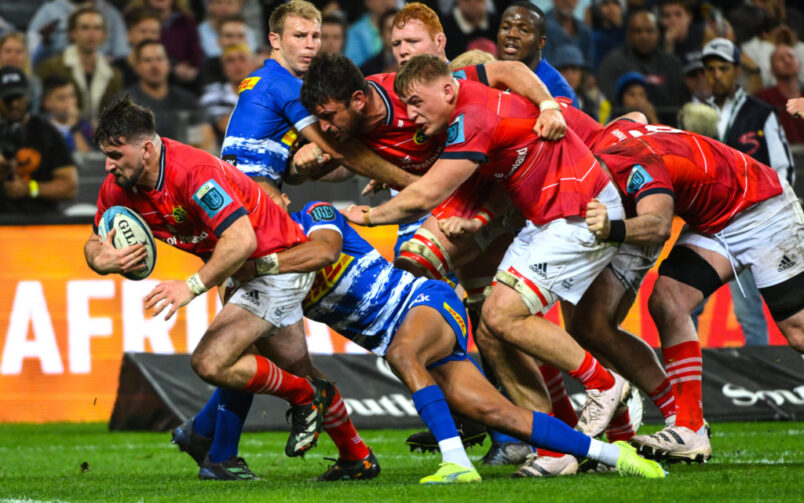
Barron gives you a lot of balance in the middle of the field with a really good offensive ruck presence, good passing and decent ball carrying off #9, #10 and then in wider spaces if needs be. His biggest strength is his lineout throwing which is very sharp and accurate when he’s in a proper flow of games and he’s a tight, technical scrummager which is a must-have in this Munster front-row.
He signed a new contract in late 2023 to take him up to July 2026 and that makes him our longest-contracted hooker as it currently stands. Barron is a guy with a leadership aura about him too which adds to his overall importance to our pack build and team as a whole. He’s a comfortable CORE 1 level talent and I think he’ll remain part of our Category A game rotation as long as he’s fit for the next few seasons at the very least.
I think he’ll need a little more size and oomph in his ball-carrying/stopping power to make the step up to Farrell’s Ireland but he has an opportunity this coming season with Sheehan’s ACL injury to get himself into the conversation with his throwing, as it’s the one area of the game where his competitors are less than elite. He does need a moment, though; something to push him up a level or two perception-wise but the seasoning and experience are there. Now he just needs a spark.
What happens behind Barron is the most intriguing part of our pack depth chart in the coming calendar year.
Niall Scannell is a very able player at this stage of his career and handily fills that veteran role, either as a starter or a finisher. He’s got the best, most consistent lineout throw in the country in my opinion while being a very good scrummager. If that was all the modern hooker needed to do, Niall Scannell would be an Ireland regular, even now. If Scannell broke through in 2009, for example, he’d have 60+ caps for Ireland. As it stands he has 20 caps, all under Joe Schmidt and he was last capped for Ireland at the 2019 World Cup, although he did play in two uncapped games against the Māori All Blacks in 2022 when he was called up as a late injury replacement for Rob Herring on Ireland’s tour of New Zealand.
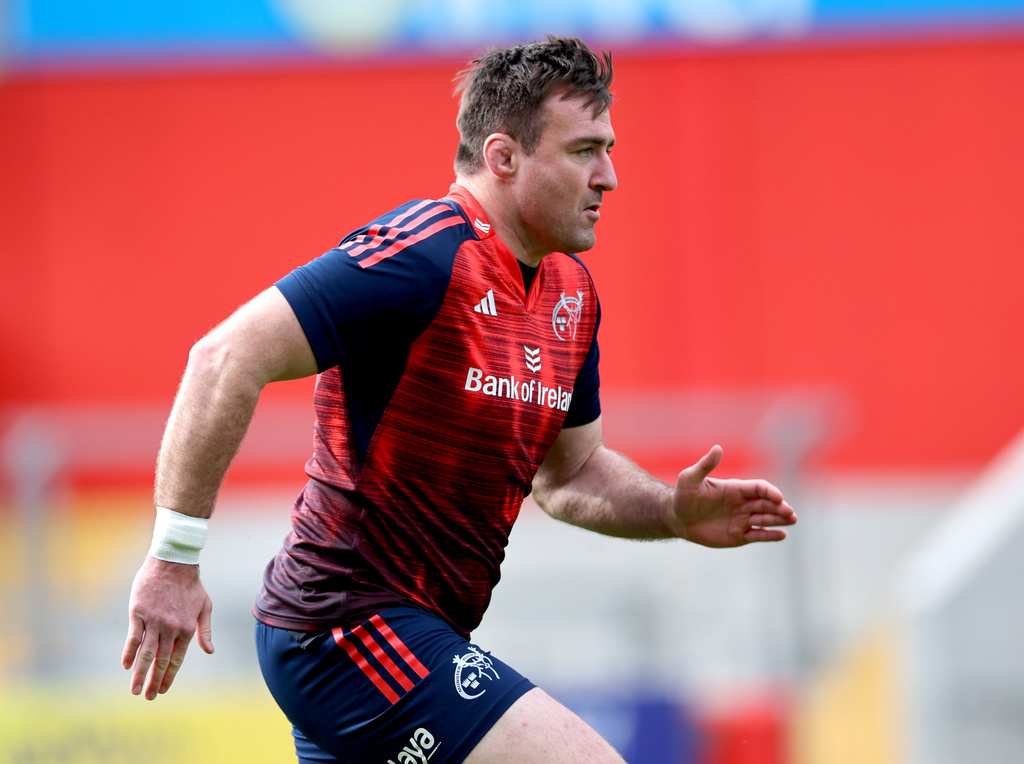
Niall Scannell’s value as a super consistent set-piece player was illustrated plainly in 2023/24 when he missed the first half of the season due to a groin injury; Munster’s lineout would often fall apart when Diarmuid Barron left the field in those early months of the season. The lineout doesn’t always fall on the hooker – Munster would often go into games throughout the season with one player taller than 6’5″ – but when you are struggling there, a good throwing hooker can paper over a lot of cracks. When Scannell returned in January, he did just that. He is what he is around the field at this point, a below-average ball carrier and less than impactful tackler but he rattles into offensive rucks well and is good to at least make the gainline 10+ times a game if needs be. Scannell is also a reliable starter carrier on 5m tap plays – the master of the Tap & No, after all – in that he almost always gets smashed but he almost always gets the ball back reliably too.
Niall Scannell’s off contract in 2025 and he’ll be 33 by the end of next season but I would say he’s an easy one-year extension if that business can be done near or below his current contract value which is far from a guarantee. A one-year deal normally runs slightly more expensive than a two-year deal on a per-game basis but it all depends on the projected usage of the player; I think Scannell would be a perfect veteran cover player until at least 2026 because you can reliably pair him with younger, more inexperienced players.
Much of what you can say for Scannell you can also say about Eoghan Clarke, who returned to Munster last season during our annual injury crisis after the club he was contracted to, Jersey Reds, went bankrupt. Clarke is a Munster academy graduate so it made perfect sense for him to come back in right as Scannell’s injury was beginning to bite on Diarmuid Barron’s availability and wildly stressing our depth chart behind him.
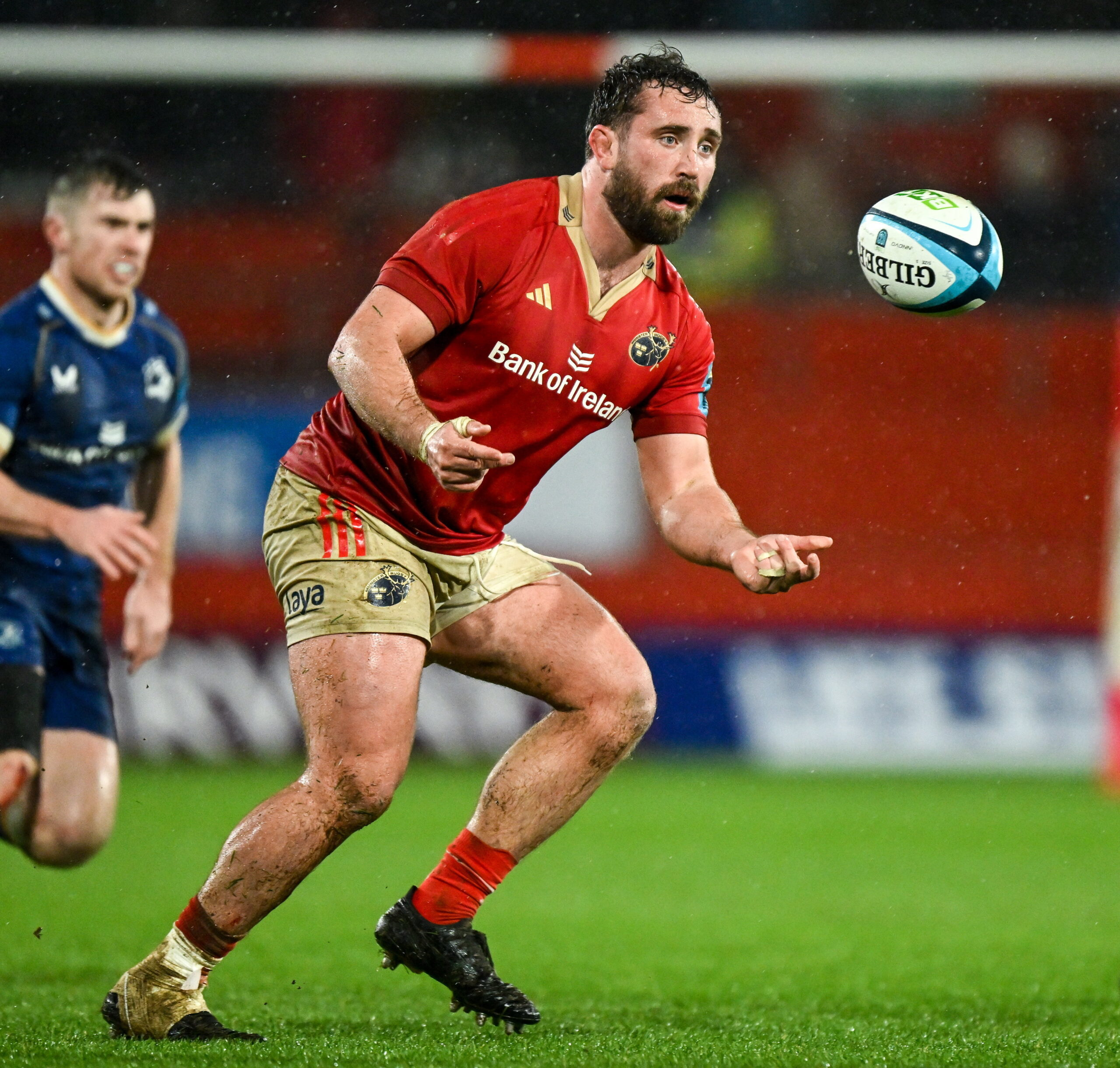
We went into the 2023/24 season with four senior hookers, but only in theory. Only two of those players were anywhere close to even URC level as it stood. Chris Moore was game and physical, but his lineout throwing wobbled at Bateman Cup level never mind AIL 1A. Moore was a decent player well worth a punt as he had Power Hooker potential but he was never able to bring it all together during his time at the club. He wasn’t trusted with so much as a minute off the bench in both games he wore #16 for last season, even when the lineout was completely imploding in both games. Moore moved to Ospreys on loan towards the tail-end of the season and left the club in the summer for Chinnor in the English Championship.
I’ll mention Scott Buckley in a minute but Eoghan Clarke was a badly needed signing at the time, initially on a three-month deal, then on a spin until the end of the season before being signed up again for next year. He’s as tough as it comes and once he started to get up to speed after the jump from the lower level of the Championship to what Munster requires, he added real value. He still has a jump to make to get contracted beyond the end of next season but I think that’s firmly within his grasp. Having a full preseason at Munster will do him the world of good. I’d profile him as a Heavy Support Hooker at 6’0″ and 108kg with scope to play a little heavier. He’s got a good throw and he’s a right digger in the scrum, something you’d expect for a guy who did a few seasons in the Championship.
Clarke seems to be the perfect hooker to have in that SQUAD 1 spot; I’d be comfortable starting him in all but the most intense, high-pressure games and, even then, he’s a more than solid bench option if you need 10/15 minutes covered. The biggest question, for me, is how he reacts to a full pre-season at the club. At the moment I’d have him solidly behind Barron and Scannell – while being excellent cover for both – but if he can push on a little physically I think there could be more there for him.
I could easily see him earning a two-year contract this season to cover the post-Niall Scannell churn in the depth chart but perhaps only in that SQUAD 2 role; essentially we’ll have to be careful not to get jumped by teams who might look to offer him a more important role with the money to match. He’s a player I’d be getting business done with once I got a good look at him during preseason because I think he’s one of the sleeper players in the squad IF he can push on a small bit physically.
That brings us to our last senior hooker, Scott Buckley, who is currently on loan to Randwick in Australia playing some Shute Shield rugby. How’s he doing? Well, the last I saw a few weeks ago he scored a try off the back of a maul against West Harbour and played most of the game.
Why is he at Randwick and not doing the usual preseason at Munster despite signing a year contract extension last season to July 2025? Because he needs the minutes and more than anything, he needs confidence. During a very difficult 2023/24 when a series of injuries to Scannell, growing wear and tear to Barron, who would later get a long-term injury and then Clarke, Buckley looked like he’d rather be doing anything else than throwing a rugby ball into a lineout.
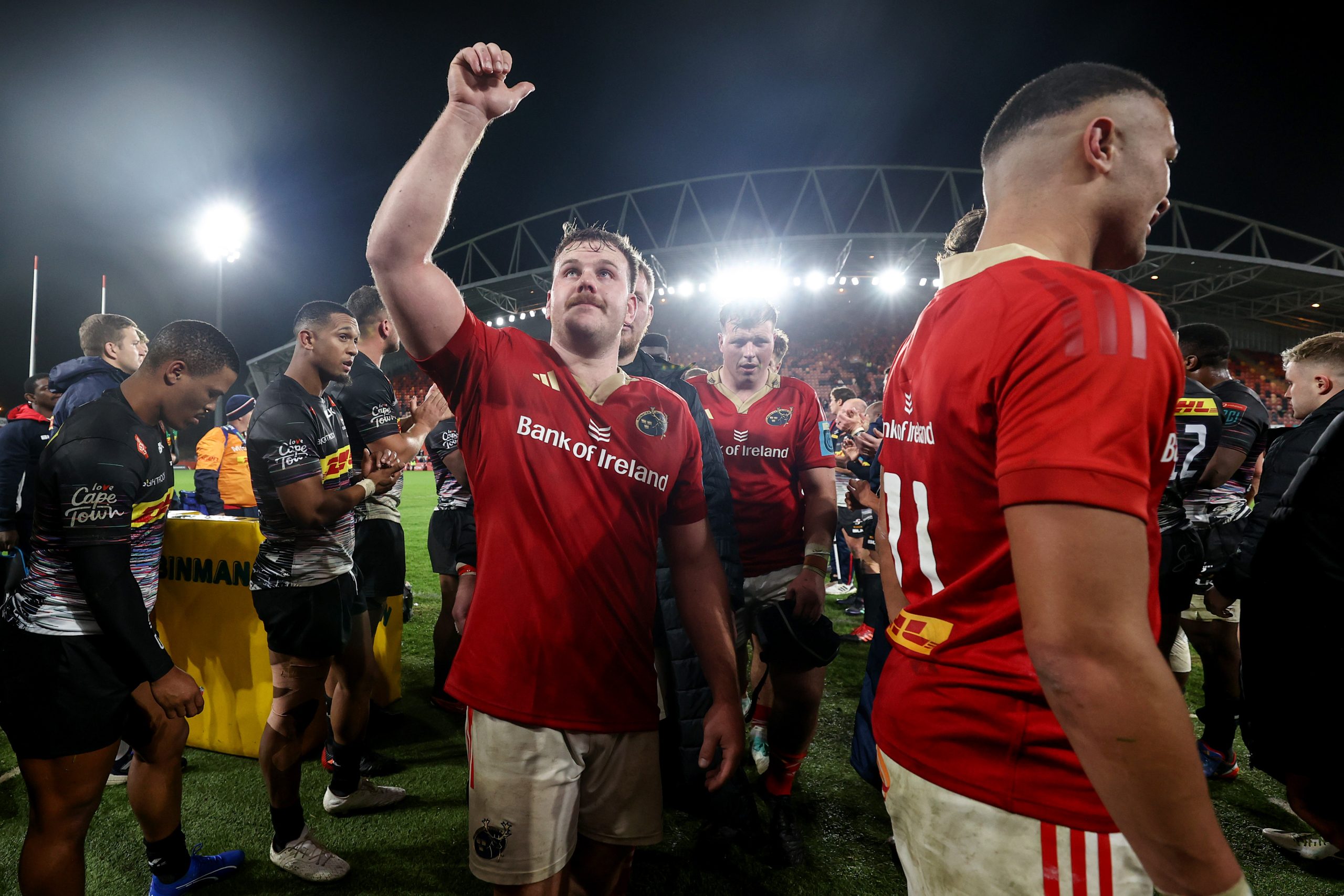
That came to a head on a difficult night in Galway where Buckley lost or scragged eight lineouts during a nightmare 80 minutes where we couldn’t bring him off. That doesn’t tell the whole story either. Eoghan Clarke was meant to start the game and would’ve taken the majority of the lineout reps during the week. Losing Fineen Wycherley right before kick-off, a guy who would have been a key part of that lineout (along with Snyman, Kleyn and Edogbo who were also injured) in training during the week would have been unbalancing too, and that’s before we mention the howling wind and rain against a really good defensive lineout team. Even then, it was a bad, bad night for Scott Buckley.
Scott didn’t play for Munster again last season after that game, even though he was fit for most of it, but that was probably for the best. I saw him playing AIL for UCC during that time and he just didn’t look like a full-time professional running amok in 1B. From the outside looking in, he looked like a player whose confidence in his game was in the toilet. Anything good he gets at Randwick will be a net benefit for a guy who is firmly in the ASSESS 1 department this season.
To put it as kindly as possible, when he’s freely let go on loan instead of doing the preseason here, I would suggest he needs a monumental season for UCC, in training and in the URC to get another contract offer here beyond the end of the season.
At his best, Buckley is a Heavy Strike Hooker with real pop and power in his carrying game. He’s got long arms, a big wide core and decent speed and acceleration. His ORW output was always really high last season too, even when his lineout was imploding but the problem is that the lineout was imploding and that dominated everything.
I do feel that Buckley was unlucky with the timing of his first-team run last season. He got most of his minutes in the worst weather of the year and when we could barely run lineout training during the week because of all the injuries to our second rows. His work rate can’t be questioned but unless his confidence on the white line returns, he’s facing an uphill battle even though he’s still 24. He needs something on his return from Randwick to be a difference maker for him or it’s likely he’s played his last game for the province even now.
In the Academy, Munster have two foundational talents; Danny Sheahan and Max Clein. I’ve already covered Max Clein in a Young Bucks article and I’ll be doing the same with Sheahan in the coming weeks but it’s safe to say I’m really high on what both players can bring.
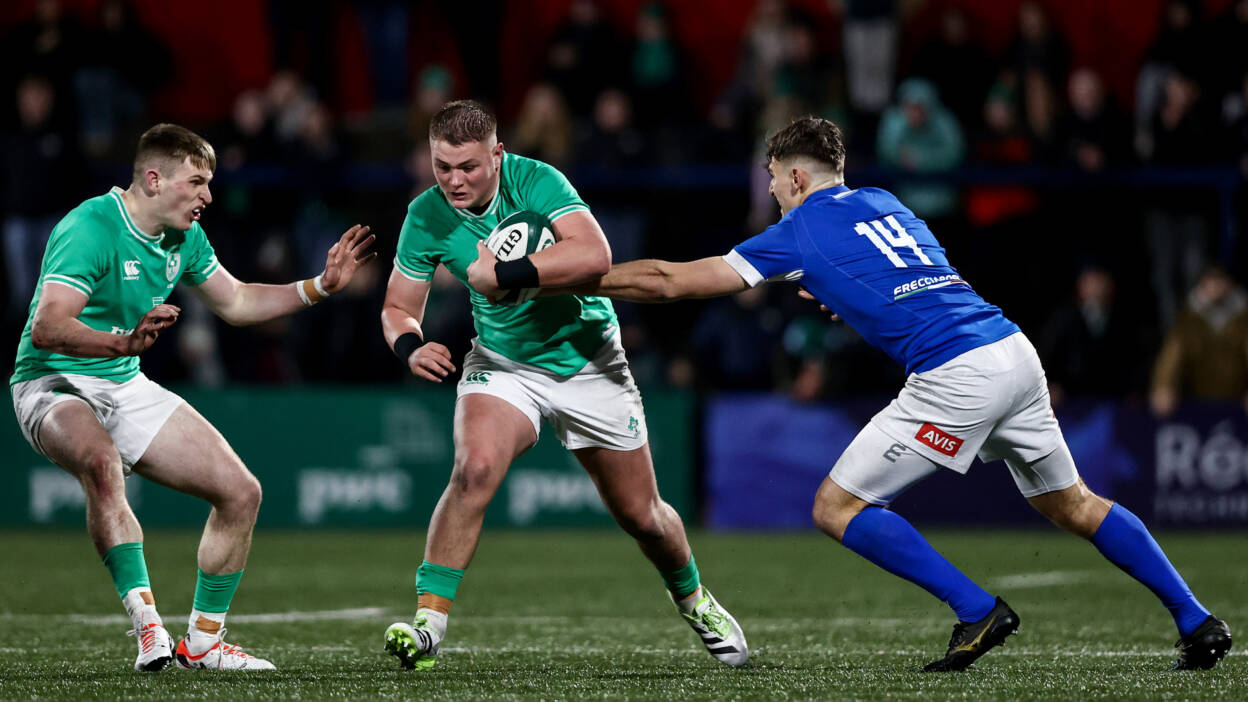
This season might be a bit soon for Sheahan – despite more than holding his own for Cork Con in Division 1A last season – but he’s got really solid fundamentals, including a rock-solid throw and some real power around the field. Depending on how he fills out, he could even morph into a Power Hooker profile player. As it stands, I’d profile him as a Heavy Support Hooker but it depends on he develops physically. He’s 6’0″ and 105kg right now with a really big frame. His lineout is so smooth that you could take a few risks with him in the early rounds of the URC if he responds well after his break post-u20 World Championship.
Clein is almost certain to get early minutes in my opinion because he’s got the kind of explosivity in the carry that marks him out as something different. We have two Heavy Support Hookers and two Heavy Strike Hookers in our senior charts. Sheahan and Clein offer a slightly different profile and it’s the kind of variation we need in the position. Both players are ones to watch.
Longer term, I think we’ll know pretty quickly if we’re going to make a move for an IQ hooker for 2025/26.
Most teams carry four senior hookers and if we take it that:
- Niall Scannell will sign Munster-friendly one-year extension as veteran cover.
- Eoghan Clarke will sign a two-year deal as a rotation tier player
- Scott Buckley gets released
- Clein gets another year in the academy along with Sheahan
That, for me, leaves one spot open for a true Category A alternate with Barron. If David Humphrey’s edict that there will be no further NIQ front rows stands, that leaves our options quite limited – except for one guy.
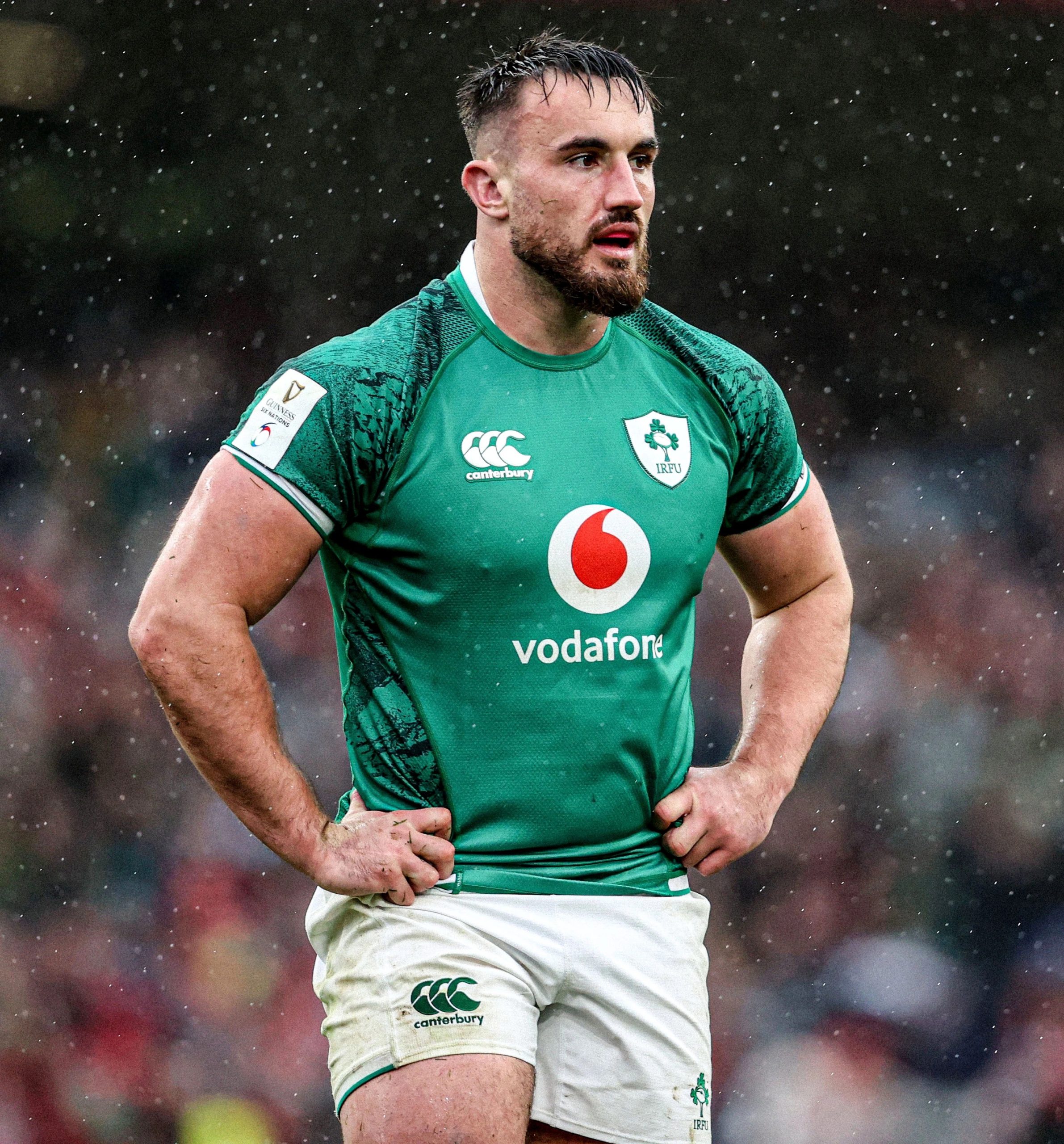
Kelleher is certain to have a big year this coming season in the absence of Dan Sheehan but he has a question to ask himself – when Sheehan returns from his ACL injury, how quickly does he go back to being the other guy for Leinster and Ireland?
Kelleher went from being the next big Irish hooker in 2021 to being Dan Sheehan’s alternate in 2024. Sheehan, freshly minted on a central contract, will go right back to the #2 jersey in blue and green the minute he’s fit. You know it, I know it, Kelleher must know it too. Kelleher only played 25 minutes per game on average in the Champions Cup and 23 minutes per average in the Six Nations last season; how can he overtake Sheehan if he backs him up for Leinster as well as Ireland? I get the idea of being a starting pair but that’s with the idea that you actually alternate them as starters and finishers; Leinster and Ireland do not. Kelleher had no starts for Ireland in the Six Nations or Leinster in the Champions Cup. At 27, I think you can make a pitch to Kelleher that makes financial and rugby sense.
He’s out of contract in 2025 and I think if we have the budget space, Munster should make a pitch for him to be the alternate with Diarmuid Barron to push on for the starting Ireland jersey.
That’s a signing that everyone bar Leinster will love. It suits Humphreys who gets the other Category Irish hooker starting way more games of consequence. It suits Andy Farrell the same and it suits Munster as it would add top-end power, role variety and quality to our front row.
I’d love to see it because it makes sense. Barron and Kelleher is a top-class rotation that gives both guys ample chance to start big games AND gives the coaches real horses for courses options.
