


It ain’t what you don’t know that gets you into trouble. It’s what you know for sure that just ain’t so. – Mark Twain
The IRFU – in this instance, David Nucifora and his soon-to-be replacement David Humphreys – have a very difficult job when it comes to juggling all dozen or so interests competing at once within the union. At the top of the priority list is the Irish national side, whose success (or failure) bankrolls (or bankrupts) the entire fiscal health of the organisation from top to bottom. If Ireland is doing well on-field, expensive tickets fly out the door of the Aviva every Spring and Autumn, jerseys, polo shirts and other green merch fly off the rack, and dozens of AAA-rated sponsors beat down the door with sacks of money. Not literal sacks – although I don’t know for sure – but probably well-timed, hefty bank transfers.
Everything in the IRFU runs off the income generated by the national team on a year-by-year basis – the four provinces, in particular. In the modern game, none of the four provinces – none of them – would be as competitive as they are in either the URC or the Champions Cup without the direct support of the IRFU.
This is expressed in a few ways – direct funding year on year, the provision of loans for capital projects or, for example, straight-up financial support during the pandemic, and central contracts.
Central contracts are, essentially, when the IRFU pays directly for the use of a player of national importance to ensure they stay in Ireland and are in perfect shape to be core performers for the Irish national team, who drive the funding for the entire business. In years gone by, central contracts were the IRFU’s solution to the initial problems that sprung up with professionalism – which the IRFU opposed – that saw English clubs signing up players like Keith Wood, Paul Wallace, Eric Miller, Nick Popplewell, Conor O’Shea and others. By the late 90s, the IRFU was offering certain players full-time professional deals with the provinces filling in with part-time deals for the rest, who mainly played AIL for their clubs before playing in shortened interprovincial and Heineken Cup campaigns with Munster, Leinster, Connacht and Ulster.
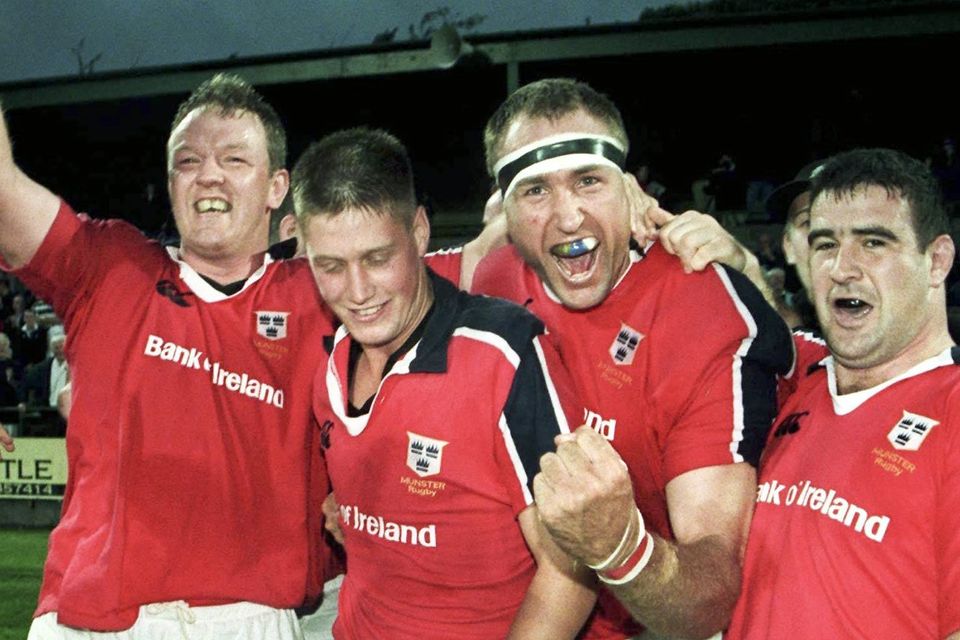
In 1998/99, for example, Munster played 13 competitive games and one friendly against Morocco. That’s six interprovincial games and seven Heineken Cup games. What did the players do for the rest of the time? They played for their clubs in the AIL which, at the time, was without doubt a bigger deal than the provincial sides.
As the impact of the provincial sides began to grow and the tether between provincial rugby and the national side grew stronger, it was almost inevitable that something more concrete would have to be set up to keep the professional game growing. In 2001, the inaugural Celtic League began and Munster went from six interprovincial games and however many Heineken Cups games they could win into a full-time league structure. Munster went from a minimum of 12 games a season to a minimum of 20. Almost immediately, this required a further round of contracting – both at a provincial and national level – to make sure the players were available to train at the level required. The AIL clubs started to lose out on player availability around the turn of the millennium and that’s the point where top stars stopped appearing regularly in the league.
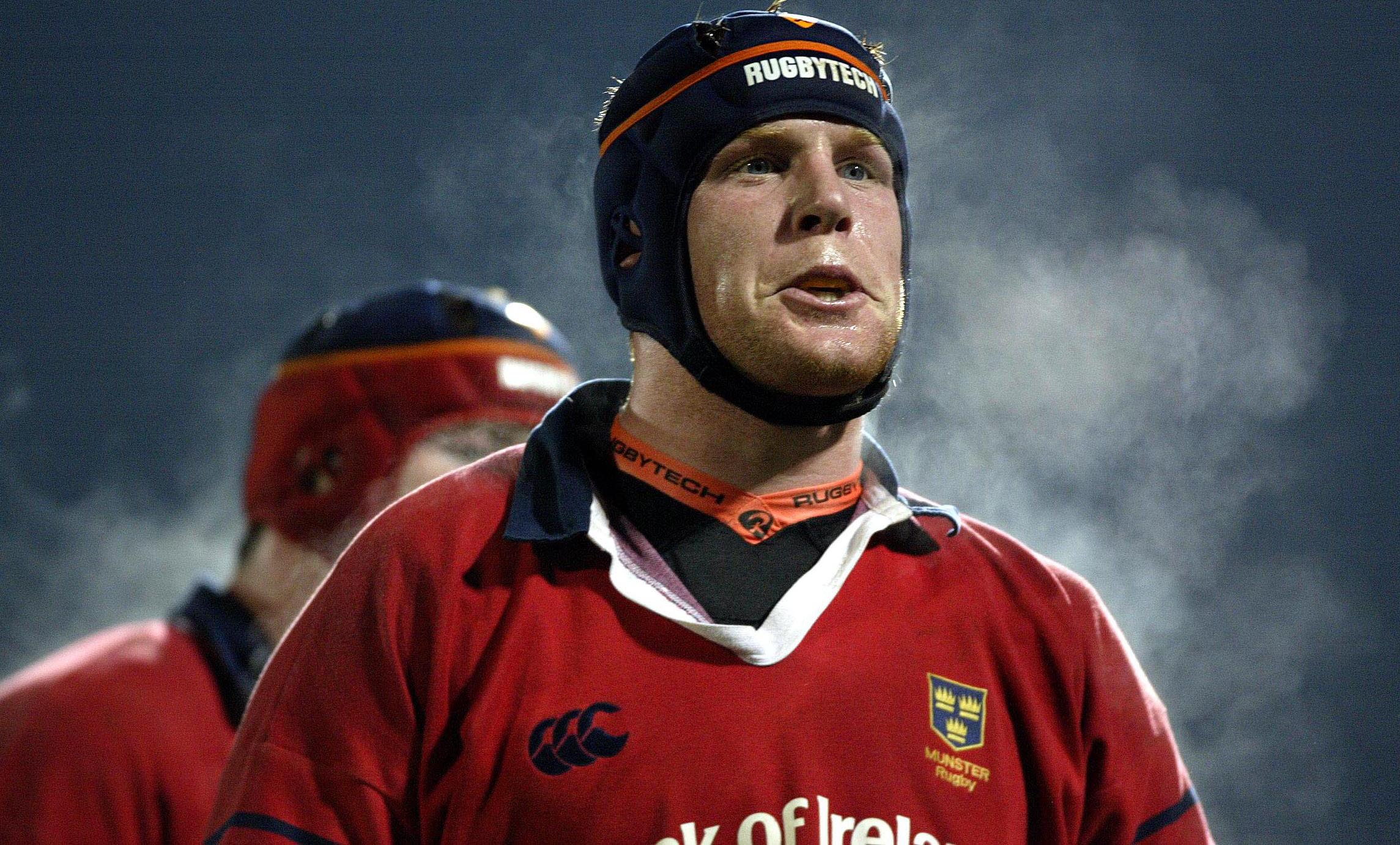
Now the provinces and the test side were the biggest game in town. If anything, the provinces – led by Munster – were proving to be a real draw for fans in the early 2000s after a dour ’90s for Irish Rugby. All the Ireland team did in the 1990s was lose, over and over again, but now teams in red, white and blue were winning against big French and English teams in Europe in a way that the national team seemed incapable of.
Fast forward to the mid-2000s and Irish Rugby was on the rise and, with it, a tonne of central contracts dotted all around the country to prevent the new wave of Irish talent from being picked off by French and English clubs. Eddie O’Sullivan, the then-head coach, directly credited central contracts for the rise in Irish rugby to that point.
“The improvement in Irish rugby is based on the strategic plan by the IRFU to centrally contract the players and manage them.
“It has been a massive advantage because it has allowed us to develop the strength of our players. This has been key to our development.”
At the time, players like O’Gara, O’Connell, Hayes, and O’Driscoll (along with a few others) were on central deals but by the late 2000s that included guys like D’Arcy, O’Callaghan, Leamy, Horan, Flannery and more. Ireland’s rise in status from the early 2000s to the end of the 2010s made our players hot property and, without the IRFU, the big French and English teams would have picked apart good Leinster and Munster sides, in particular, and the three Heineken Cups in the 2000s would never have happened. The test time might still be successful but the layer below test level would be eviscerated.
Then, as now, central contracts are designed to “anchor” the Irish system along with the hard rule that you can only play test rugby for Ireland if you play in Ireland. Those two tenets anchor the top and the bottom of the Irish game with the ecosystem of players existing in between. The IRFU pays out the big bucks to keep the top players in Ireland at almost any cost and, as a result, they get to control when they play, their role in the team and mandate rest to make sure they are ready to play in their main gig which is winning rugby games for Ireland.
Central contracts aren’t just big money – both directly and with image and other IP and media rights tied up since 2005 – they are also status. When a player gets a central contract, they know they are considered a core part of the test set-up and that they’ll be well looked after. From a business sense, it’s the absolute gold standard for an Irish rugby player especially when you consider the tax rebate you get if you retire in Ireland (or the EU) after a certain number of years of service. All that combines to keep the top players in the country with the CPFIUYII rule making sure the middle layer of players – top-level provincial players in the Irish bubble – and aspiring layers continue to stay in the system. There are other factors at play, but that central contract is the dream.
2012
In the early 2010s, there was a widespread belief – and by belief I mean conspiracy theory – that the world was going to end on December 21st, 2012. Why? Well, an ancient Mesoamerican Long Count had a cycle of 5,126-year years and that cycle ended on December 21st, 2012. The world didn’t end in 2012 – or did it? – but it certainly changed the world of the IRFU in more ways than one.
First, in the Spring of 2012, Ireland got beaten out the gate in Twickenham by a big, nasty English scrum that tore us asunder.
England won six scrum penalties on their put-in, a penalty try and pumped Ireland three times against the head and Tom Court, the unfortunate stand-in for Mike Ross on the tighthead side after 37 minutes, took the brunt of the blame post-match. Even if Ross didn’t go off injured, Cian Healy was getting pumped just as badly by Dan Cole on the other side.
Now, when I saw that Ireland were pumped here, you will not believe how bad it was. Here’s a quick highlight package and, believe me, I could have included more.
Why is this important? Mike Ross, the man whose absence led to Tom Court getting walloped like this for 43 minutes, was 33 and already showing signs of wear and tear. The problem was that there was nothing behind him. Tom Court, nominally a loosehead who could vaguely gesture in the director of covering tighthead in a pinch, wasn’t up to it. He would come on for Mike Ross in the last few minutes of every game he benched. Prior to the England game, he played 34 minutes total off the bench for Mike Ross in five games. In the 43 minutes he played against England in the last game of the tournament, Ireland’s lack of depth in the core position on the pitch at the time was laid bare.
At the time, the Six Nations still only had seven replacements so there was no specialist tighthead or loosehead cover. The club game at the time had eight replacements with two specialist props required.
When you go through the provinces at the time, there was Mike Ross, a rake of NIQ players, a few dubious quality project players and then a million miles of nothing and then a few raw, unproven academy guys.
At Ulster, John Afoa was the main tighthead. At Leinster, it was Mike Ross and he was backed up by the then NIQ Nathan White – a project player who would only become eligible for Ieland three years later, winning 13 caps after he joined Connacht. Munster had BJ Botha, a project player called Peter Borlaise and a very young John Ryan who mostly played loosehead back then.
So who was the next in line for Ireland if Mike Ross broke down? Nobody. Acopalypse. That had to change.
And, in 2012, BT decided to get into the sports game in England and try to compete with Sky Sports directly. They bought the rights to the English Premiership which landed millions into English rugby clubs that they would use to raise Ireland’s wage levels through offers and counter-offers and, in two years, they would break the Heineken Cup into the new model of their choosing at BT’s behest, leading to more money. This was an existential threat to Irish rugby.
In 2014, we also hired David Nucifora in a newly created Performance Director role. Now there would be one man dealing with all central contract renewals and, not only that, he would now control who the Irish provinces could and could not sign.
With the taste of 2012 still in the IRFU’s mouth, they set about reshaping the Irish ecosystem to ensure that we could never get shamed like that again.
Depth Charge
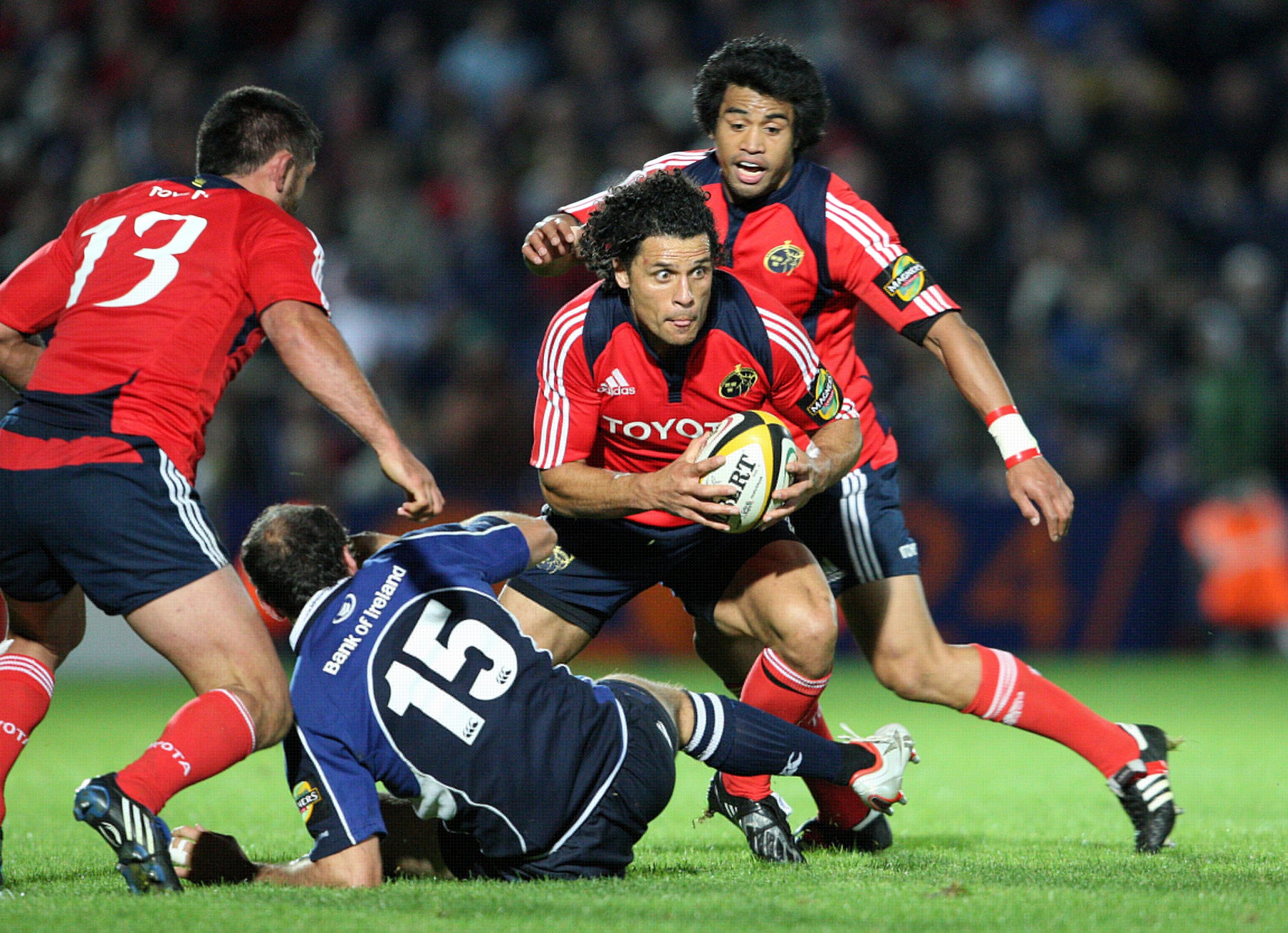
The standing theory behind the IRFU and Nucifora’s initial stance was solid. The provinces need to produce players for the national team. At times in the previous ten years, there had been something of a laissez-faire attitude to signings. If you needed one and could afford it, play on. In that world, Leinster could have seven NIQ players in their 2008/09 Heineken Cup winning squad and start four in the final. It would have been six if their swing prop CJ Van Der Linde or Felipe Contepomi had been fit. This was widely accepted at the time and wasn’t an issue.
Munster had more Irish internationals at that time but six NIQs of our own. Nick Williams never played – too busy eating all-you-can-eat breakfast buffets in Midleton out of house and home – but Doug Howlett, Rua Tipoki, Lefemi Mafi, Freddie Pucciarello and Paul Warwick were all regular Cat A squad members. Again, it wasn’t really an issue.
We were in a bit of a false reality though.
O’Gara and Hayes – the two most important players in the country at the time – were never injured. O’Gara’s importance was often comically overstated in the media at the time but it never became an issue because when Ireland came calling, ROG always showed up. John Hayes was a one-off freak of nature in that he played in the hardest position on the pitch but never got hurt.
Ross then replaced him, O’Gara was replaced by Sexton and it seemed everything would work out… forever.
Unfortunately not. By the middle of the 2010s, it became clear that Irish teams could no longer compete for top-level NIQs given the money in England and France which was miles above what Munster, Leinster or Ulster could afford, especially in something of an economic depression that had been listing the Irish economy since 2008.
At that point, a decision was made to focus on developing players and, if needed, making smart project player signings to plug any developmental gaps. From around 2012 to 2018 – but accelerated under Nucifora – the Irish provinces focused inward.
Then, a golden generation of Leinster talent emerged more or less at the same time between 2013 and 2017 in multi-year waves and, arguably saved Irish rugby from a few years in the doldrums. Munster’s post-Golden Generation squad rebuild was beset by injuries but did produce three central contract-tier players; Donnacha Ryan*, Peter O’Mahony and Conor Murray.
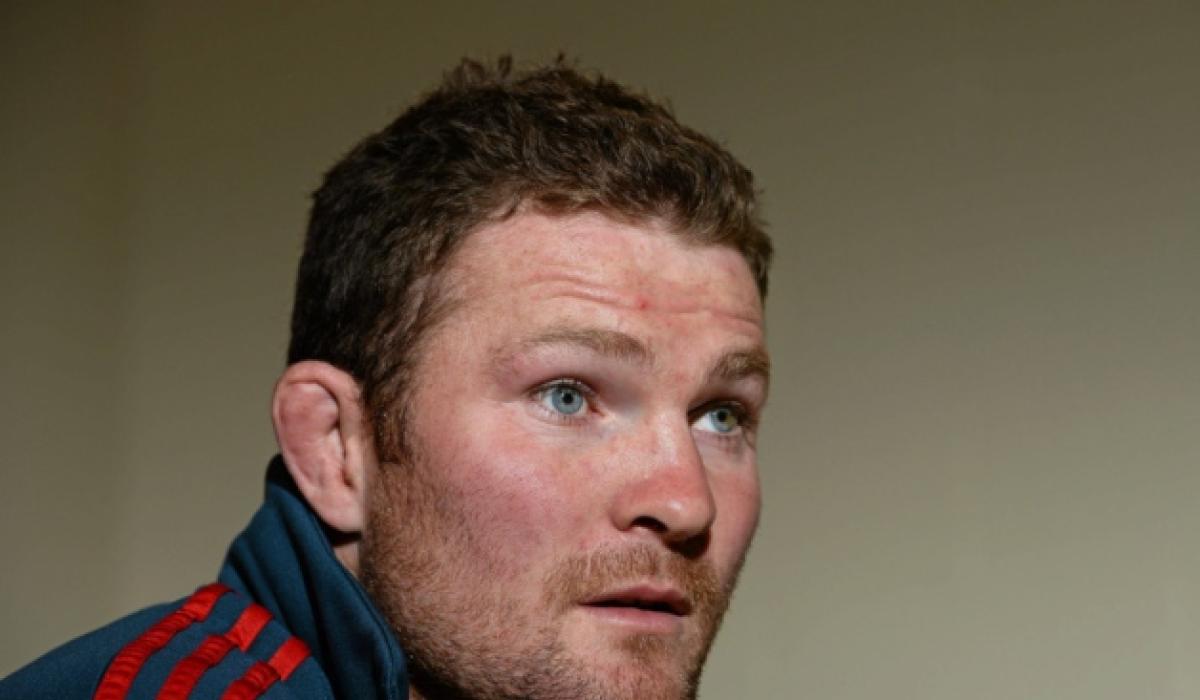
* Ryan would ultimately leave Irish rugby at 34 years of age in 2016/17 when his spot – and ultimately his central contract – was taken by James Ryan. Munster offered him equivalent terms but without the status of the central contract, and the guarantee of test rugby that came with it, Ryan explored his options elsewhere.
A new wave of new central contracts followed. Devin Toner picked one up. So did an emergent James Ryan. Then it was Robbie Henshaw – newly signed from Connacht – along with Garry Ringrose, Jack McGrath and Tadhg Furlong, who eventually stepped into the mantle left behind by Ross when he finally retired the year after the 2015 World Cup at 37. They augmented what Leinster already had at the province from a central contract perspective with Sean O’Brien and Jamie Heaslip/Johnny Sexton who were on colossal central contracts that also included private funding from Denis O’Brien.
All of these contracts were deserved.
A quirk in the Irish central contract system that people might not know about is that they are considered separate from the provincial budget of the club the player is assigned. I say “assigned” in this instance because the IRFU contracts the player directly so, in theory, could play them wherever they want but it doesn’t work like that in practice.
Essentially, the more central contracts you have, the more depth and/or quality you can afford to retain. Why is this? Well, when the IRFU is paying say, Andrew Porter, Tadhg Furlong, James Ryan, Josh Van Der Flier, Caelan Doris, Robbie Henshaw, Garry Ringrose and Hugo Keenan and they are about to centrally contract Dan Sheehan, you get all of those players for your big games if they’re fit but, crucially, you get them for free.
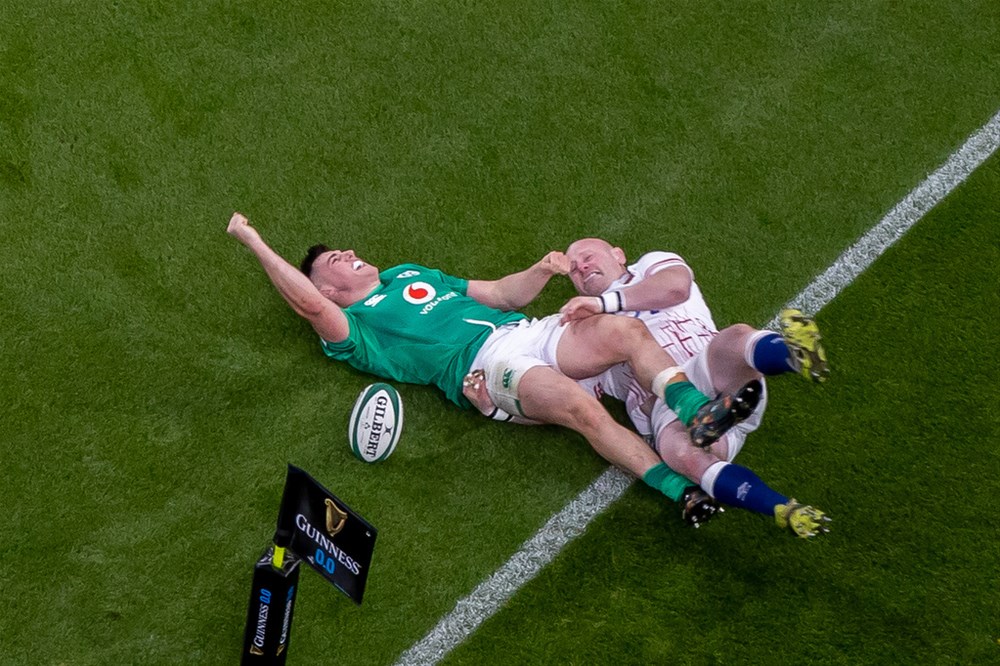
This means you can spend that is, essentially, the guts of €6m on “covering” those test players from within and without your squad. Leinster’s central contract number has never been higher than it has been right now but, even in the last few seasons, it’s allowed them to essentially contract two high-quality sides. This is often viewed as contentious but for me, it is a fact – if Leinster had to pay James Ryan, Tadhg Furlong, Andrew Porter and, say, Garry Ringrose their market rate, they would not also be able to contract three senior, test capped flyhalves, multiple 50+ cap backrows and locks, as well as keep both Dan Sheehan and Ronan Kelleher, never mind signing guys like Ngatai and Jason Jenkins for close to 600k between the two of them.
This depth is Leinster’s biggest strength and it’s key to their success. Since 2017, central contract funding has supercharged their ability to retain and develop this depth to the midpoint of their career and beyond – when most players either want proper senior game time OR money commensurate with that. Sure, they’ve signed in guys from abroad with this “cap space” and I’d argue Fardy and Ngatai have probably been the best of those lately. Signing NIQs isn’t Leinster’s strength, though, it’s their ability to be able to defy the usual laws of rugby economics.
Central contracts empower this, which is something they were never really intended to do.
In the 2000s, Munster had a lot of central contracts, sure, but with only 26 guaranteed games a season at that point, there was no point in carrying a massive squad of players, let alone spending money to ensure they stayed at Munster above all else.
Between 2003 and 2006 as Munster started to accumulate centrally contracted players – who played all the big games, as you’d expect from both the IRFU and Munster’s perspective – we lost the following players to other clubs because of natural rugby economics.
- Mike Ross – Harlequins
- Sean Cronin – Connacht
- Tommy Hayes – Exeter
- Mick O’Driscoll – Perpignan
- Trevor Hogan – Leinster
- Stephen Keogh – Leinster
- Frank Murphy – Leicester
- Mike Prendergast – Burgoin
- Eoin Reddan – Wasps
- Paul Burke – Leicester
Murphy, Reddan and Prendergast were stuck behind Peter Stringer so they moved. Hogan, Hayes and O’Driscoll didn’t have any realistic hope of dislodging O’Connell and O’Callaghan from Munster, let alone Ireland, so all three left the province. O’Driscoll returned as a depth guy two years later after Perpignan didn’t work out but the original intent was sound. Paul Burke knew he wasn’t going to move O’Gara for any serious games, so bounced. Stephen Keogh was arguably second in the depth chart in multiple positions for Munster in the back row but moved for higher-quality minutes. Mike Ross, being a smart guy, realised pretty early that John Hayes had another five-plus seasons in him and, after a falling out with Kidney, decided to move. Cronin was stuck behind Fogarty, Sheehan and Flannery, so decided he wanted to be a starter elsewhere.
Three of these players went on to be 50+ cap internationals at Leinster. They didn’t want to sit around and play small games for small money, so they moved to further their careers because, even with our central contract load, we couldn’t afford to retain an entire second team. Even if we could afford it, there was no point in doing so.
In the last five years, even with only 22 guaranteed games per season, Leinster’s ability to retain these types of players has been second to none. Some of it is down to Leinster’s great environment, some of it is down to lads wanting to stay close to home but, for me, most of it is down to not having to lose out on money they could be earning as starters elsewhere.
Leinster’s demographic of players is typically a little bit more well-to-do than, let’s say, normal people. As a result, some of these younger players are happy enough to take cut-price deals at the early stage of their career in the hope of “making it” at Leinster. This isn’t unique to Leinster but it does explain why a lot of their younger talent are happy enough to wait their turn, especially as Leo Cullen has been quite good at finding minutes – whether they are meaningful or not is up for debate – for that middle layer. At a certain point, however, young men in their mid-20s want to start making proper money, even if they’re sharing discounted housing with their teammates. Guys like Max Deegan, Scott Penny, Ross Molony, Will Connors, Ciaran Frawley, and even Jack Conan pre-2020, all fall into this bracket of “how are you still here”?
There are other factors but the main reason is that they are paid appropriately so that they don’t need to move for that reason alone. And when they all find themselves as handy system fits in Andy Farrell’s Leinster/Ireland hybrid, they don’t even have to move to increase their chances at test level.
The wage space Leinster have allows them the dream scenario of never having to pick between two players because of financial reasons. In 2014/15, Leinster had to hedge their bets with Furlong and Marty Moore because one of them was going to be the #1 guy and contracted accordingly and the other wasn’t. In 2024, Leinster could afford to pay the two players in an equivalent situation enough so that they don’t have to pick ahead of time.
This also works in making sure you keep younger talent who, realistically, are around three years from being in the conversation to start regularly from going elsewhere by topping them up just enough to keep from pulling a Reddan, Ross or Cronin at Munster, Ulster or Connacht.
In this scenario, the top layer of talent doesn’t change. The centrally contracted players and established senior pros play every single KO game they are fit for but it doesn’t matter to the middle layer because they are well-paid, play a bunch of good minutes per year and, realistically, have no reason to move.

Carbery, the one big loss Leinster have suffered against their will in the last six seasons, wanted to move to establish himself as the #10 to rival Sexton and felt he couldn’t do that at Leinster, so when the case was put to him to join Munster he jumped at it. There have been no other equivalent moves since. When was the last time that someone second/third in the Leinster depth chart made a move to another province to advance their career as a starter?
The truth is, for a lot of reasons, they don’t have to. For me, Leinster’s wage space created by their central contracts in the modern era has actively worked against the IRFU’s aim to create actual depth for the national team in the way originally envisioned. For Ireland at the moment, any depth they have is Leinster’s depth in all but a few positions – tighthead, thankfully, isn’t one of them.
There is no easy solution to this. Every single one of Leinster’s central contracts are wholly deserved and of course, Leinster should be able to cover for players used extensively by the Irish national side.
But at what point do ten or eleven central contracts in one province act as an infinite money glitch when the other provinces have five central contracts between them?
Beirne, Murray, Aki, O’Mahony and Henderson. All are in their early or mid-30s. Munster have already lost Keith Earls and, in the next few months, could easily lose Murray and O’Mahony.
Now you might say, it’s all coming from the same pile so what does it matter? It matters in that if Munster, Ulster and Connacht lose the top players they get for free, it means we’re spending our provincial budget that Leinster aren’t, just to stand still.
The Ladder
Any idea that says Leinster shouldn’t get those central contracts is, for me, fool-hardy. The players are core Irish starters so deserve the money bump and the status that comes with it. Leinster, too, deserve a reward for their hand in developing the player into a test player so I don’t agree with the idea that they should be prevented from signing NIQs, for example, or have other harsh limitations put on them.
Ultimately, every province has signed NIQs, even when they’ve been dominant. Munster certainly did. I suppose my ultimate point is that if Leinster get a tonne of budget paid for them by the union they essentially have their starter budget every year plus whatever the value of their central contract players is. Every central contract they have gives them another block of cash to spend and retain on the layers below.
For example, Leinster were paying close to €600k per annum to contract Andrew Porter and Josh Van Der Flier in the last few years but now that the IRFU is picking up that tab the €600k doesn’t just disappear. Leinster can use that to make sure the next layer of talent stays at the province or they can put it towards a NIQ of their own, while still keeping access to the players they were paying but aren’t any longer.
From Leinster’s perspective, it’s just good business. Develop a player, pay them for X few years, IRFU takes over the payment, and use the space you’ve created to build the next layer. If that cycle continues, it’s an infinite money glitch because in rugby in 2024, money is everything. Money means you can keep that young lad ticking over for an extra year until you can use him as opposed to losing him now because he has an €80k senior deal in his lap from elsewhere in Ireland and you can’t match it. Do you have a guy who’s trapped behind a senior incumbent who’s on a central contract? They are usually the highest flight risks because both they, their agent, and opposing provinces will know that the right offer will pry them out. But if you’re Leinster and you’ve got ten elite contracts worth of wage space, you can pay that guy as if he’s starting so the inertia of home keeps them in Leinster as a depth option, ultimately.
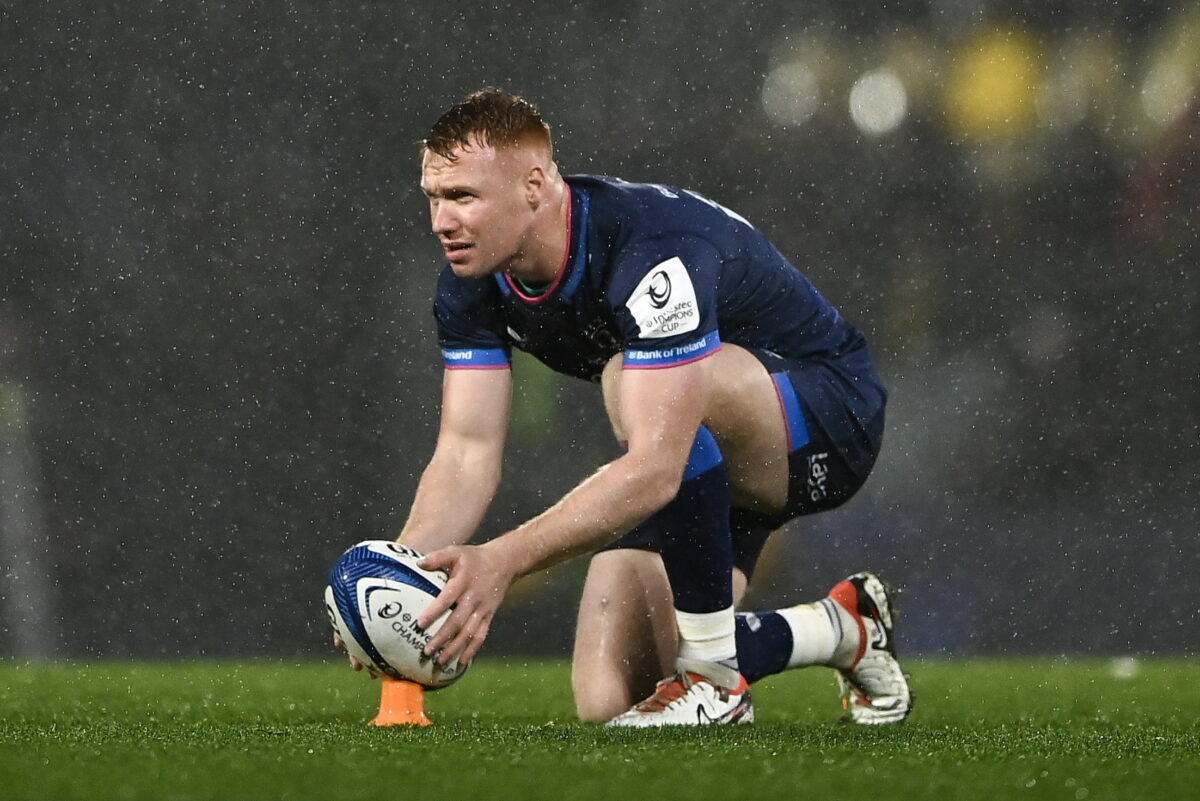
For Leinster, this allows them to avoid the usual problems that come with a “conveyor belt of talent” that places like London Irish, Auckland and Western Province usually suffer from in that you usually can’t keep everyone paid to the level they want or playing at the level they need to so, ultimately, they fly off the conveyor belt and into a truck going elsewhere.
Western Province is probably the best example of this.
For the Irish provinces, this doesn’t mean that they should be stacking their squad full of Leinster players. That is, and will always be a mistake. The demographics of the country are what they are so it’s inevitable that players with Leinster roots (who themselves have roots from all over the country) will make up a percentage of your squad.
The answer is simple; roll the ladder Leinster used to overhaul Munster in the 2000s back down.
I have no issue with Snyman choosing to up-sticks to Leinster for a year so he can get his passport. He’s been here for four years so one more gets him the book. Connacht can’t afford him, we had to pick between him and Kleyn, picked Kleyn and that leaves one option; Leinster.
We picked Kleyn because of RG’s massive injury profile and the bare facts that we didn’t get proper value out of the €1m plus we paid him over four years. I know we won a trophy last season with him off the bench but I don’t buy that it was him alone that did that.
Leinster have decided to roll the dice on his fitness and good luck to them. We had none, maybe they’ll be different.
My issue is this; if Leinster can sign Snyman to replace Jenkins when they have Joe McCarthy developing and, as is rumoured, a South African tighthead prop to replace Ala’alatoa, at what point can the other provinces use NIQs to address their real issues?
For Ulster, it’s getting in a NIQ #10 that unlocks their entire attacking structure.
For Munster, that’s getting dispensation to sign the power hooker and loosehead we’ve been crying out for, given that Jager finally solves our tighthead issue. Munster signing locks over and over again in the last five years was almost always to mitigate a lack of top-end power in the front row, where we were repeatedly denied permission to sign elite tightheads, looseheads and hookers because the incumbents were second or, usually, third in line for Ireland.
I had to laugh any time I saw people critiquing Munster signing locks and midfielders when we needed props because they assumed Munster didn’t know that, which was far from the case.
When you also double that down with Munster (and Ulster) being forced to pay for non-elite backups to the elite players Leinster get for free – it becomes frustrating and actually acts as a limiter on our ability to compete like for like.
Leinster have advantages, we know that. We know it’s not really possible to limit those advantages without blowing the system up. All I ask is that the IRFU allow Munster, Ulster and Connacht to freely address the areas we need to. It’s not 2012 anymore, we’re not relying on Tom Court and a prayer.
